
VAPE FAQs
How Long Does Being High Last Vape?
Oct
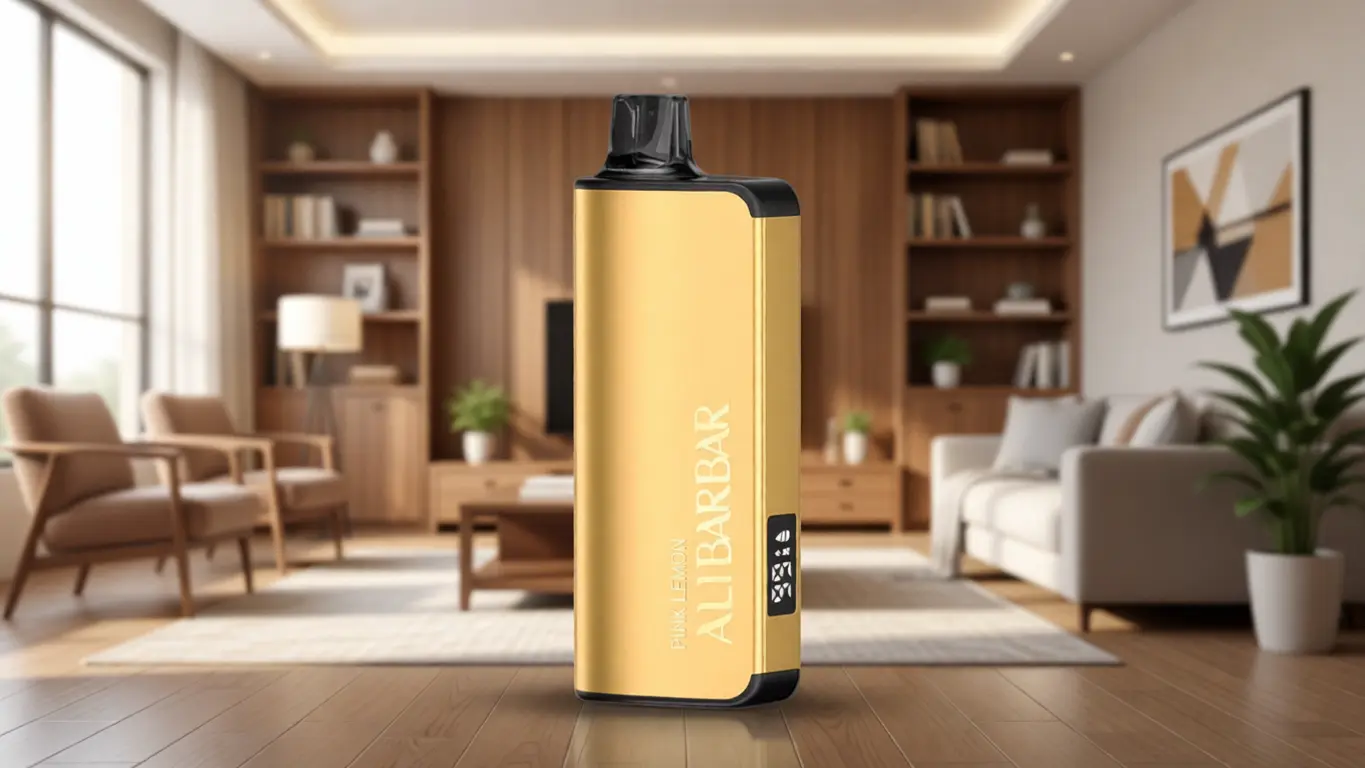
Many people who rely on a portable electronic device throughout the day have asked themselves the same question: “How long will this actually last before it lets me down?” The reply is rarely a single number. It depends on how the device manages its internal resources, communicates its status, and holds up under repeated use. This article unpacks the engineering and design factors that determine operational duration — from the moment you begin until the moment the device can no longer deliver its intended performance — and shows how to evaluate those factors before you commit to a purchase. OZVAPE Shop has standardised the way it presents this information for the ALIBARBAR range so that adult users can make decisions based on documented specifications, not guesswork.
Understanding What Matters: Core Engineering and Design Factors
A device’s staying power is not simply about the size of its reservoir or the capacity of its power cell. Four interlocking elements dictate whether a unit will see you through a long workday, a weekend away, or a single evening without interruption. Recognising these elements helps you sidestep the most common causes of premature dissatisfaction.
Internal Architecture and Output Consistency
The heating assembly and the material that carries the consumable liquid are the heart of sustained performance. In a well-designed device, the wicking medium maintains uninterrupted contact with the heating element throughout the entire rated life, preventing the dry, thin output that users often report toward the end of a unit’s service window. When the architecture is mismatched — for instance, a heating element that ramps up too aggressively relative to the wicking speed — the device may deliver intense output early on but degrade noticeably well before the stated puff count is reached.
Why this matters: users consistently describe a scenario where the first third of a device’s life feels different from the last third. That inconsistency is an engineering problem, not an inevitability. Look for devices that advertise a consistent resistance profile and a feeding mechanism designed to keep pace with real-world draw patterns, not just laboratory test cycles.
Power Management and Status Transparency
A power cell that cannot hold a stable voltage under load will cause the heating element to underperform long before the battery is technically drained. This is why two devices with identical storage capacities can behave dramatically differently after a few hours of intermittent use. Sophisticated power management regulates output so that the first draw and the last draw within the usable charge range feel virtually identical. Equally important is how the device communicates what remains. Clear, unambiguous status indicators — whether through a multi-colour LED or a vibration signal — eliminate the anxiety of carrying a backup “just in case.” The hidden cost of status ambiguity is the second device riding in your bag, a redundancy you would not need if the primary unit simply told you where it stood.
Physical Design and Material Durability
Duration is not only about internal resources; it is also about the device’s ability to survive daily carry. Mouthpieces with a gentle contour reduce fatigue during prolonged use. Surface finishes that resist pocket abrasion and fingerprinting keep the device looking and feeling intact. A chassis that does not flex under normal handling protects the internal seals that prevent leakage. When a device wears out on the outside before its contents are consumed, the user foregoes the remaining value. High-quality construction turns a rated number of cycles into a realisable number.
Modularity and Lifecycle Flexibility
Some devices are sealed units intended to be replaced once their contents are expended. Others incorporate reusable power sections that accept replaceable pods or cartridges. Still others are fully modular, allowing independent replacement of the power source and the consumable component. Each architecture has a distinct effect on how long the device remains useful. Sealed designs offer simplicity but tie operating lifespan directly to the pre-filled capacity. Rechargeable systems extend the value of the power cell across multiple consumable units, which can lower the cost per session for those who use their device frequently. Understanding this distinction lets you align the device’s lifecycle with your actual routine rather than an abstract ideal.
Applying These Criteria to Real-World Options
The ALIBARBAR device family, available through OZVAPE Shop, illustrates how these engineering principles translate into specific products designed for different usage patterns. While other manufacturers also produce capable units, the ALIBARBAR range is noteworthy for the deliberate way it handles longevity and transparency.
The INGOT 9000 is a sealed, high-capacity device rated for approximately 9000 puffs under standardised test conditions. Its internal architecture marries a mesh heating element to a large-capacity reservoir, and its power management circuitry is tuned to deliver a flat output curve across most of the battery discharge cycle. This means the character of the output changes very little from the first day of use until the device signals depletion. The trade-off is that, once expended, the entire unit is replaced — a model that suits users who value complete independence from refilling or recharging routines.
For those who need even longer intervals between replacements, the INGOT 15000 expands the puff rating to around 15000 puffs while retaining a similar power efficiency approach. Its slightly larger form factor accommodates the extended reservoir and a higher-capacity cell, yet it remains pocketable. The critical engineering achievement here is not just the higher number but the consistency maintained across that expanded range. In many lesser devices, extending the reservoir without recalibrating the heating and wicking architecture leads to a noticeable drop in output quality in the final third of the product’s life. The INGOT 15000 is designed to address exactly that kind of degradation.
The Ice Adjust 12000 introduces an adjustable airflow control that lets the user tailor the resistance of each draw. This impacts perceived duration because a more open airflow generally produces a shorter, more airy draw, while a tighter setting can extend the length of each draw and subtly alter the rate at which the consumable is used. By putting that choice in the user’s hands, the device accommodates different pacing preferences without changing the underlying rated capacity. It also features a rechargeable battery, meaning that you can top up the power cell independently of the reservoir, further stretching the practical interval between units.
It is worth comparing these to very compact, lower-capacity devices commonly sold in convenience channels. Those units typically offer a few hundred puffs and may not incorporate regulated power output. While they can be adequate for a single event, they often force users to carry multiples for a full day, which quickly negates any perceived convenience. The ALIBARBAR approach favours a “one device, full day” reliability that eliminates the need for backups.
A Practical Framework for Evaluation
When you assess how long a device will realistically serve you, apply this step-by-step methodology rather than relying solely on headline numbers.
Verify the rated capacity in standardised puffs or millilitres. Be aware that test conditions assume a uniform draw duration (commonly around 1 second) and a fixed power delivery. Your own draw length will skew the actual count upward or downward. A device rated for 9000 puffs may deliver 7000–11000 puffs depending on your style.
Examine the power management features. Does the device list output regulation? If it simply says “direct output,” expect a gradual decline in intensity as the battery voltage sags. A regulated device will hold the line until the cell is nearly empty.
Check the status feedback mechanism. Is there a battery life indicator, and if so, what does it tell you? A single blinking light when the device is nearly dead is better than nothing; a multi-stage indicator that warns you at several thresholds is far more useful.
Consider the lifecycle model. Are you able to replace only the consumable portion, or does the entire unit get discarded? Calculate the cost per usable hour based on your estimated consumption rate. Sometimes a higher upfront cost yields a lower hourly cost over weeks of use.
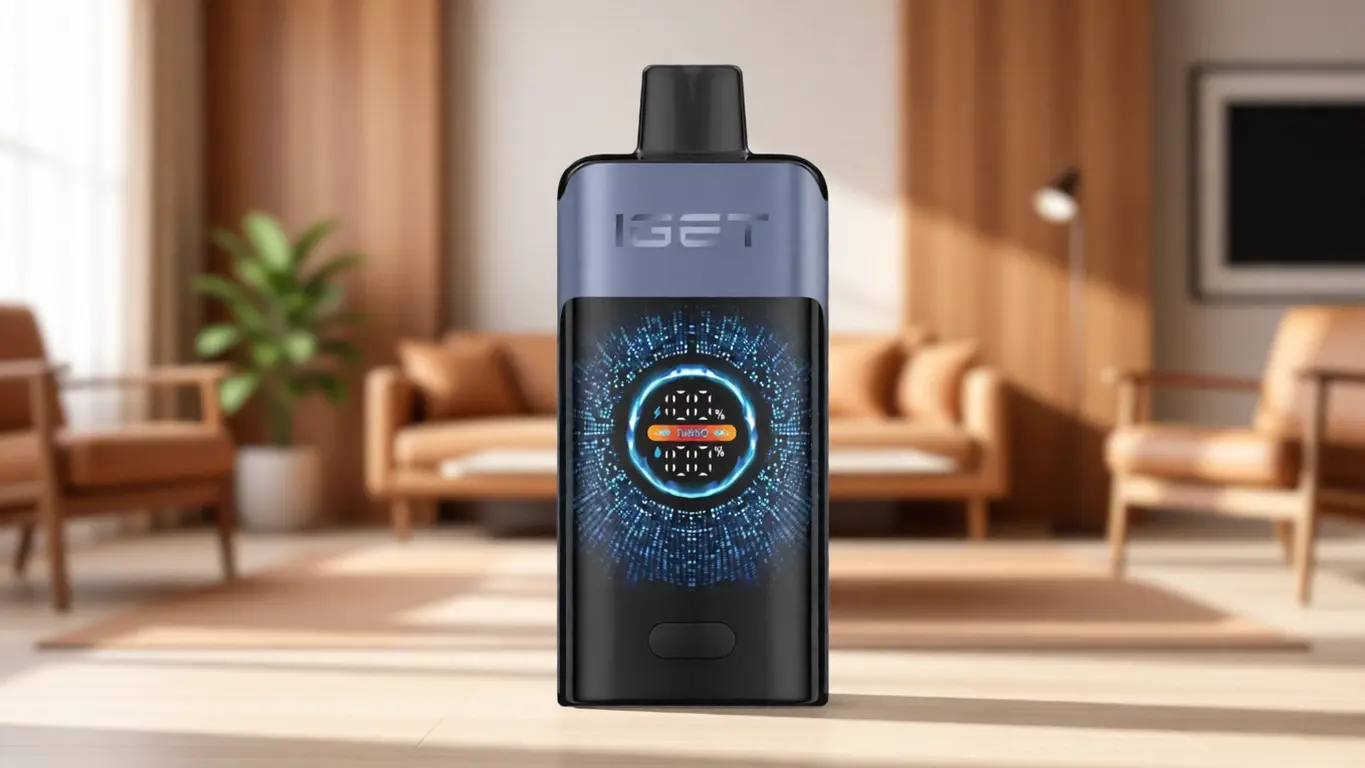
Factor in physical durability. Hold the device if possible, or read detailed descriptions of the finish and materials. A device that feels flimsy will likely show wear before its internal capacity is exhausted, especially if you keep it in a pocket with keys or coins.
Ask yourself: “Does this device give me clear status feedback? If not, I will naturally carry a backup, and that backup has its own cost and weight.” That simple question often reveals the gap between a specification sheet and real-world preparedness.
Common Selection Errors and Industry Observations
Many users unwittingly undermine their own satisfaction by making one of four evaluation mistakes. These errors are so common that they have become predictable patterns across the market.
Overweighting one specification while ignoring complementary factors. Counting puffs is easy; understanding output consistency is harder. A 15000-puff rating means little if the last 5000 puffs are weak and unsatisfying. Always pair capacity figures with a look at how the device manages power delivery across its entire rated range.
Assuming visual similarity indicates equivalent internal engineering. Two devices may share a tubular aluminium body and a similar mouthpiece, yet one might use a temperature-sensing control chip and the other a simple on/off switch. Internally, they are completely different tools. Surface design is the least reliable indicator of performance duration.
Undervaluing modularity in cost-per-use calculations. A rechargeable device with replaceable pods often looks more expensive at the checkout counter than a disposable unit with a high puff count. But over the course of a month, a user who goes through several consumables may find that the modular system costs less per draw and generates less waste. The calculation must extend beyond the day of purchase.
Confusing category terminology with technical specifications. The market uses terms like “disposable,” “rechargeable,” “refillable,” and “closed pod” in inconsistent ways. One brand’s “rechargeable disposable” is another brand’s “pod system.” Rely on the functional description — can you refill it? Can you recharge it? What gets replaced? — rather than the label.
These errors reflect a broader industry reality: supply chains are optimised for speed and visual differentiation, not for helping users understand the long-term behaviour of what they are buying. Retailers who standardise specifications and present them transparently, as OZVAPE Shop does with the ALIBARBAR line, provide a genuine counterbalance to that trend.
Frequently Asked Questions
Q: How many puffs can I realistically expect from an ALIBARBAR INGOT 9000?
A: The device is rated for approximately 9000 puffs under standardised test conditions (typically 1-second draws at a defined power level). Actual counts will vary based on your draw duration and frequency. Most users report getting within 10–20% of that figure.
Q: Does the output remain consistent until the very last puff?
A: The power regulation circuitry in recent INGOT models is designed to maintain stable output across the majority of the battery’s discharge cycle. A slight tapering may occur in the final few percent of the device’s life, but you should not experience a steady decline throughout.
Q: How do I know when the device is nearing its end?
A: ALIBARBAR devices incorporate an LED indicator that typically changes colour or blinks when the battery is low or the consumable is depleted. Consult the specific model’s documentation for the exact signalling pattern.
Q: Is the INGOT 15000 simply a larger version of the INGOT 9000?
A: While they share a common design language, the engineering differs to accommodate the larger reservoir and higher-capacity power cell. The wicking and heating assembly has been recalibrated to maintain consistency across the longer rated life.
Q: Can I recharge an ALIBARBAR device?
A: Certain models, including the Ice Adjust 12000, feature a USB-C rechargeable battery that can be topped up before the consumable is exhausted. Sealed models like the INGOT 9000 and 15000 are not designed for recharging.
Q: What should I do if my device does not last as long as expected?
A: Verify that you are taking draws of a duration similar to the test standard (around 1 second). Extremely long draws accelerate consumption. If performance clearly falls short of specifications under normal use, the authorised retailer should be the first point of contact for verification and support.
Q: Are these devices suitable for someone who only uses them occasionally?
A: Yes, but the high capacity means the device will remain operable for an extended calendar period. If you use it infrequently, ensure it is stored in a cool, dry place with the mouthpiece protected from dust and debris.
Q: How do I compare the cost-effectiveness of different ALIBARBAR models?
A: Divide the purchase price by the rated puff count to get a cost-per-puff figure, then adjust for your estimated actual puff count. Also consider whether a rechargeable model’s ability to use only a portion of the reservoir before recharging adds value for your usage style.
Q: What happens if the device arrives and does not function?
A: Authorised channels like OZVAPE Shop have a documented process for confirming authenticity and resolving out-of-box issues. Retain your order information and contact the support team as soon as possible.
Q: How can I verify that my ALIBARBAR device is an authentic, factory-certified unit?
A: Look for security features on the packaging and, if available, use the manufacturer’s verification system. Purchasing from a single, documented supply chain — such as OZVAPE Shop — reduces the risk of encountering counterfeit goods that may not meet the stated endurance specifications.
Conclusion
The question “How long will it last?” can only be answered by understanding the interplay of power management, internal architecture, physical durability, and lifecycle design. A device that gives you clear status feedback, maintains consistent output, and is built to survive daily handling will serve you longer in practical terms than one that merely boasts a high puff count on its packaging. By applying the evaluation framework outlined here, you can cut through inflated claims and identify which tool genuinely fits the rhythm of your days. OZVAPE Shop provides the ALIBARBAR range through a transparent, locally accountable channel that lets you compare specifications directly and make a decision based on what you need, not what a headline promises. The right choice is the one that matches your actual routine — predictable, dependable, and without unpleasant surprises.