
VAPE FAQs
How Long Does A Vape Usually Last?
Jun
Disposables, pod devices, and advanced mods all eventually reach a point where performance degrades or the unit simply stops. Yet the question “how long will it last?” persists as one of the most difficult for any user to answer before a purchase. The device doesn’t carry a calendar date; it comes with a set of specifications that don’t always align with real-world routine. Users find themselves caught between optimistic puff‑count claims and the disappointing moment a device stutters on day three of a work trip.
This article explains what actually governs the usable life of a personal electronic device, moving beyond headline numbers to the material, power‑delivery, and design decisions that determine longevity. It is written for the adult who wants to understand the tool in their hand, not just be sold one. Where relevant, we look at how contemporary product families — including the ALIBARBAR range available through authorised channels like OZVAPE Shop — reflect these engineering principles, but the primary aim is to equip you with a durable framework for evaluating any option you encounter. [Internal link: OZVAPE Shop opens in new window]
Understanding What Matters: Core Engineering and Design Factors
Any prediction about lifespan starts with a handful of interdependent design choices. These aren’t marketing bullet points; they are physical realities that play out identically regardless of brand promises. By examining them directly, users can move from guesswork to informed expectation.
Internal Architecture and Output Consistency
The way a heating element is built and how it interacts with the liquid‑delivery system has more bearing on usable life than almost anything else. In lower‑cost constructions, wicking material can degrade unevenly under sustained heat, creating dry spots that compromise both consistency and the number of effective draws. A mesh architecture, by contrast, typically distributes thermal load more evenly, which translates to a flatter performance curve over time. When users report that a device “fell off” after the first day, they’re often describing the moment when the wicking or coil reached a critical point of uneven saturation.
Why this matters: a device rated for 5000 puffs that cannot maintain a steady output after 3000 gives you a far shorter practical life than the number suggests. Recognising a well‑designed thermal system isn’t possible from the outside, but clues exist in the manufacturer’s transparency about heating material, wicking substrate, and the presence of any temperature‑regulation circuitry. Devices that actively manage heat — rather than relying on passive cooling — tend to maintain their stated performance window more reliably.
Power Management and Status Transparency
A power source that cannot sustain a stable discharge voltage will cause output to drift downward long before the battery appears depleted. Many users blame the device for “dying early” when the real culprit is a power‑management chip that allowed voltage sag to undermine the heating element. Well‑engineered units incorporate regulated output — sometimes called constant‑voltage circuitry — that keeps performance predictable until the battery reaches a defined cut‑off threshold.
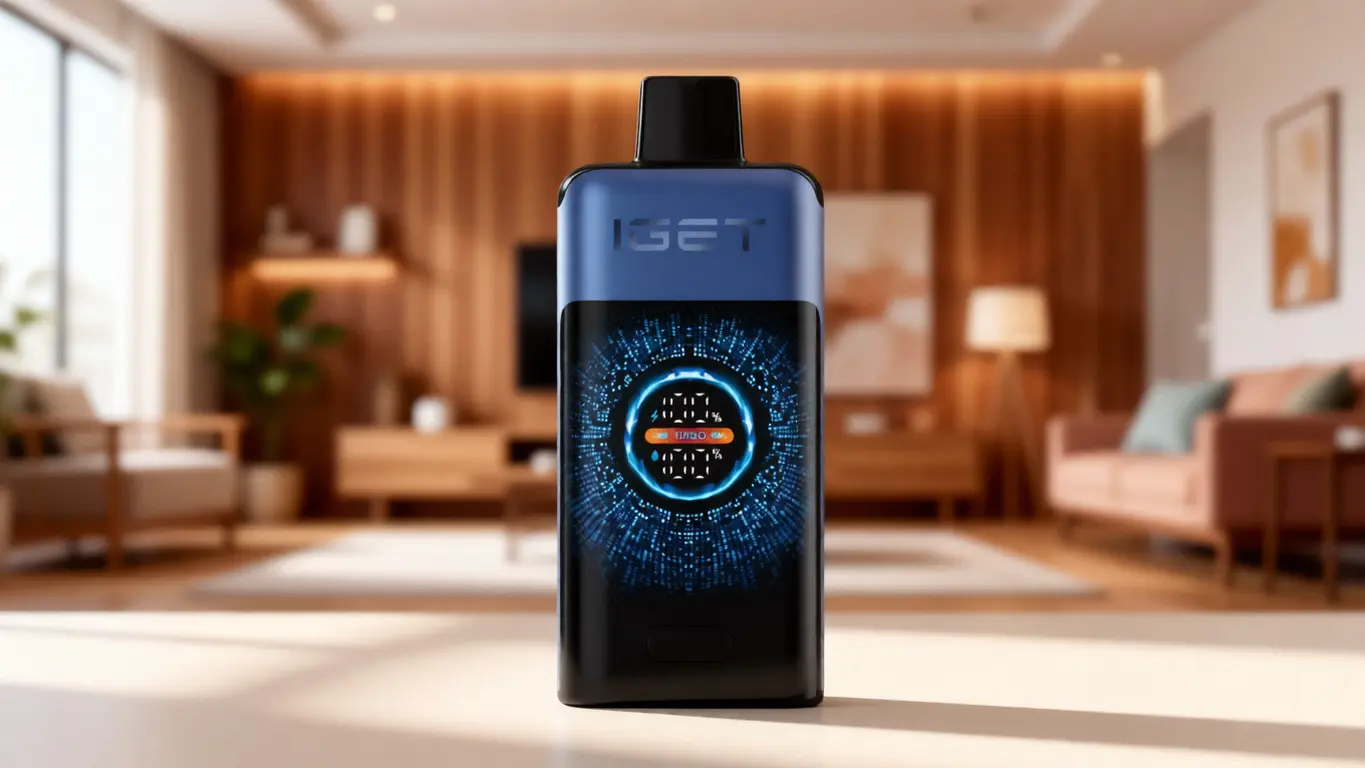
Equally important is how the device communicates its remaining charge. A single blinking light offers almost no actionable information; the user either charges pre‑emptively and wastes cycles or guesses and gets caught without a functioning unit. A display showing a percentage or a graduated LED array removes that ambiguity. The hidden cost of poor status feedback is that it forces the user to carry a backup device when a single, well‑monitored unit would have sufficed — an inefficiency that adds weight, cost, and mental load.
Physical Design and Material Durability
Longevity isn’t only about what happens inside the chassis. A device that shows unacceptable physical wear after a few weeks in a pocket can feel unreliable even if it still functions. Surface coatings matter: a rubberised finish may feel pleasant initially but can peel under friction from keys or coins; a hard‑anodised or textured polycarbonate shell tends to age more gracefully. Mouthpiece geometry also affects long‑term comfort. A wide, smoothly contoured tip reduces the repetitive pressure points that build over hundreds of daily uses, making the device physically sustainable for a longer portion of its operational life.
Sealing against pocket debris and environmental moisture is another durability factor that users frequently dismiss until the first malfunction. A device that allows dust into the airflow sensor or charging port is statistically more likely to fail before its electrical components wear out naturally.
Modularity and Lifecycle Flexibility
Architecturally, devices fall along a spectrum: completely sealed units (most disposables), rechargeable but closed‑pod systems, and fully modular platforms where the user can replace coils, pods, and batteries independently. Each choice entails a different cost‑per‑use and a different relationship with waste. A sealed disposable simplifies the decision tree — no maintenance — but commits the user to discarding a battery and circuitry once the liquid is exhausted. A modular system lets you extend the life of the most expensive components (the power controller and battery housing) across multiple consumable cycles, but demands that you understand coil resistance and wattage ranges.
The connection between modularity and perceived longevity is subtle but powerful. Users who can replace a worn coil for a few dollars often describe their device as “lasting months,” while a user of a similarly priced disposable that works brilliantly for five days and then is thrown away reports a much shorter relationship. Both are factually accurate, yet the engineering factor determining the actual functional window is fundamentally different.
Applying These Criteria to Real-World Options
Different product categories resolve the tension between the above factors in different ways. Understanding what you’re trading off is more important than slotting any single device into a ranking.
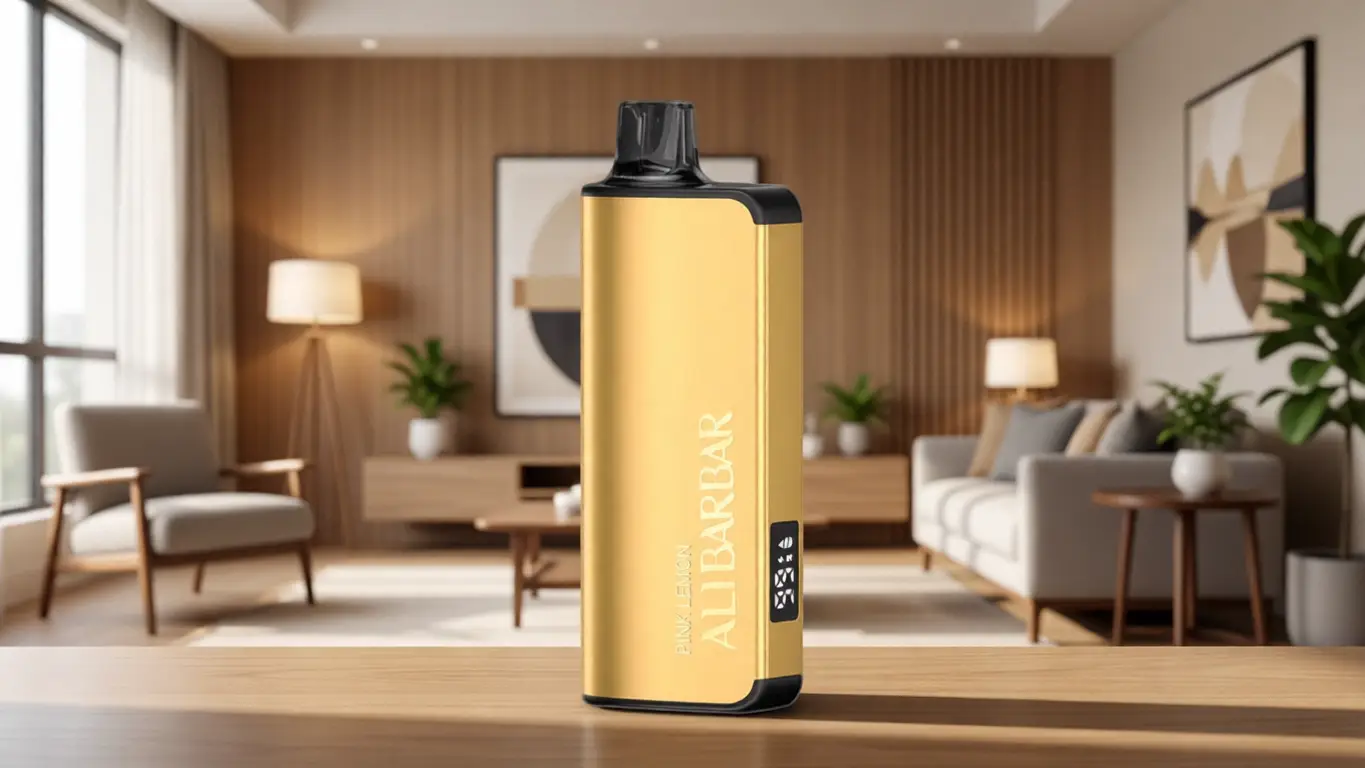
Consider the high‑capacity disposable segment. Devices like the ALIBARBAR INGOT 9000 or INGOT 15000 arrange a sizable liquid reservoir around an integrated mesh coil and include a rechargeable battery with a digital display showing both charge and liquid status. The architecture addresses the status‑transparency problem head‑on; the user never has to guess whether tomorrow will bring a dead device. The mesh coil, if well‑implemented, should deliver consistent warmth across the reservoir’s volume. The trade‑off is the fixed nature of the system — once the liquid is exhausted, the device leaves the user’s routine permanently.
On the other end, a traditional open‑system kit from a brand like Vaporesso or Geekvape offers near‑total modularity. You can swap batteries, change tank, coil, and wattage. The device can last several years if the electronic board survives. But the user takes on a steeper learning curve and a much longer list of maintenance tasks. The performance consistency across a day depends heavily on the user’s ability to select and prime a coil correctly.
Closed‑pod systems sit in the middle. Something like the Uwell Caliburn series pairs a rechargeable body with replaceable pods that contain the coil and wick. Lifespan is measured in pods per week and total charge cycles before the internal battery degrades. Status feedback is usually minimal, and output tends to be unregulated, meaning the user feels a gradual decline as the battery sags.
The point is not that one category is superior but that the user’s actual needs — routine predictability, tolerance for maintenance, desire for portability — map unevenly onto these architectures. An Australian user who spends long days moving between job sites may value the self‑contained certainty of a well‑monitored high‑capacity all‑in‑one device, while someone working from home with a dedicated desk may prefer the granular control and lower per‑use cost of a modular box mod.
A Practical Framework for Evaluation
Rather than asking “how long does it last?” as an abstract question, users can apply a concrete checklist to any device they are considering. This approach yields a realistic range, not a guaranteed number, because individual usage style always modulates the outcome.
Is the device’s puff count accompanied by a liquid volume? A claim of “5000 puffs” without stating millilitres is non‑falsifiable. Look for both figures and consider whether the ratio is plausible based on coil resistance and wattage.
Does the device provide meaningful status information? If the answer is a single blinking light, assume you will carry a backup. If the answer is a percentage readout, you can safely stretch that device to its stated limit.
Ask what happens when power is low. If the device cannot hold a stable output near the bottom of its charge range, its effective usable life is shorter than its technical battery life. User reviews that mention “tastes different after half charge” are red flags.
Check the materials and mouthpiece ergonomics. Hold the device in your mind’s eye for 8‑10 hours of intermittent handling. Would the finish survive a month of pocket contact? Would the tip cause discomfort by late afternoon?
Calculate cost over the expected lifecycle. For a sealed disposable, divide the price by the number of days you realistically expect it to last based on the liquid volume and your own consumption rhythm. For a modular system, sum the price of the body, a six‑month supply of coils or pods, and any battery replacement cost.
If you have the opportunity to compare specifications side‑by‑side — for example, evaluating the ALIBARBAR Ice Adjust 12000 against another high‑capacity alternative — the numbers that matter most for longevity are battery capacity in mAh, liquid volume in mL, and the presence of a regulated output controller. Shiny housings and brand‑adjacent imagery are distractions.
Common Selection Errors and Industry Observations
After years of observing how users approach this category, certain patterns of miscalculation recur with notable regularity. Recognising them can save more money than any single technical deep‑dive.
Overweighting puff count while ignoring how it is measured. The industry lacks a universal standard for what constitutes a puff. One brand’s puff count may be based on a one‑second inhale at a specific airflow setting; another’s may reflect a shorter, more aggressive test protocol. Without knowing the testing parameters, comparing two “5000 puff” devices is meaningless. A more stable approach is to anchor expectations to liquid volume and assume approximately 1 mL per 150–250 puffs for a low‑to‑mid‑power device, depending on draw length.
Assuming visual similarity indicates identical internal engineering. Two tube‑shaped disposables with roughly the same dimensions may house profoundly different coil, battery, and liquid‑delivery layouts. The external plastic shell is the cheapest component; the engineering budget goes into what you cannot see. A device that is unusually light may have removed the voltage‑regulation circuitry entirely, whereas a heavier one might pack a larger battery and more robust power management.
Undervaluing modularity in cost‑per‑use calculations. Users frequently compare the sticker price of a disposable with the starter kit price of a pod system and declare the disposable cheaper. Over a year of daily use, however, the sealed disposable user may go through 60–80 units while the pod system user cycles through 20–30 pods and one battery. The arithmetic shifts dramatically once recurring cost is tallied, and that’s before considering the waste stream difference.
Confusing category terminology with technical specifications. A product labelled “rechargeable” does not inherently last longer than one labelled “disposable.” The rechargeable aspect simply means the battery outlasts the liquid supply — a design choice that allows for a larger liquid reservoir but also introduces the possibility of coil degradation before the battery is empty. The useful life is still bounded by the consumable element, not the power cell.
From an industry perspective, the rapid iteration of high‑capacity all‑in‑one devices is driven largely by improvements in battery energy density and wicking material science, not marketing ingenuity. Manufacturers who invest in mesh architectures and constant‑voltage regulation can produce units that deliver 90%+ of their rated capacity without noticeable performance drop, but that requires engineering discipline that not every factory possesses. The difference between a device built for a specification sheet and one built for a demanding daily routine shows up in the second half of its operational life, every time.
Frequently Asked Questions
Q: What is the typical lifespan of a disposable device under daily use?
A: For a mid‑capacity disposable (say, 5–8 mL of liquid), a daily user who takes 200–300 draws may see 3–5 days of consistent performance before depletion. High‑capacity devices with 15–20 mL of liquid can extend that to 10–14 days, provided output regulation is present.
Q: Does a higher puff count guarantee a longer use period?
A: Not reliably. Puff counts are rarely comparable across brands due to varying test methodologies. A device with a lower puff count but a higher liquid capacity and regulated output may outlast a higher‑claimed competitor in real‑world use.
Q: How can I verify that a device is performing as intended throughout its life?
A: Signs of consistent engineering include a stable vapour warmth from first draw to last, a status display that decrements gradually rather than jumping, and an absence of sudden taste change near the end of the liquid supply. If any of these are missing, the device may be losing effectiveness earlier than stated.
Q: Does charging a device more frequently degrade its battery faster?
A: For devices with lithium‑ion cells, partial discharge cycles (keeping the battery between 20% and 80%) generally prolong cell life compared to full 0–100% cycles. However, in disposable or closed devices where the battery is not user‑serviceable, this consideration is largely academic — the consumable element will expire before significant battery degradation occurs.
Q: Why do some devices seem to deliver fewer draws than their rating?
A: User draw length is typically longer than the manufacturer’s test puff. If the test assumes a one‑second draw and you regularly inhale for 2.5 seconds, you may get fewer than half the advertised puffs. Additionally, unregulated devices can become less efficient as the battery voltage drops, wasting liquid.
Q: Is there a meaningful difference between mesh and traditional wire coils for longevity?
A: Yes. Mesh coils heat more evenly across a larger surface area, reducing hot spots that prematurely degrade wicking material. In practice, this means a mesh coil can maintain its absorption and flavour clarity longer than a round‑wire coil of the same resistance.
Q: Can extreme temperatures affect device lifespan?
A: High ambient heat can thin the liquid and over‑saturate the wick, causing flooding and reduced effective capacity. Freezing conditions can increase liquid viscosity, leading to dry hits that damage the coil. Both extremes can temporarily or permanently impair internal battery performance.
Q: What should I do if a device stops working before it should be empty?
A: First check for debris in the airflow path and ensure the charging port is clean. If the device uses a rechargeable battery, test with a different cable. If it remains non‑functional and was purchased from an authorised retailer, log the issue immediately — reputable sellers like OZVAPE Shop maintain records that can support a warranty or replacement request if the device is determined to have an internal fault.
Q: How does liquid composition affect how long a device lasts?
A: Higher viscosity liquids can wick more slowly in certain designs, leading to dry hits and coil burning if the user draws rapidly. Conversely, very thin liquids can cause leakage that reduces usable volume. The device’s wicking material and coil resistance are optimised for a particular viscosity range; straying outside it will shorten effective coil life.
Q: Is it possible to extend the life of a sealed device once the liquid is depleted?
A: By design, sealed disposable devices are not intended to be refilled or re‑wicked. Attempting to do so risks damage to the internal structure and introduces safety concerns. Accepting the lifecycle as designed — and moving to a modular system if extended lifespan is a priority — is the prudent path.
Conclusion
The question “how long does a vape usually last?” dissolves into a series of more precise, more useful questions about architecture, power delivery, and user behaviour. A device that offers clear status feedback, uses a regulated output circuit, and pairs an appropriate heating element with an honest liquid volume can deliver a predictable, satisfying window of use. One that obscures those details, regardless of how its packaging reads, will continue to frustrate.
Informed adults make better decisions when they have access to standardised, transparent information. Retailers that commit to providing exactly that — accurate specifications, authorised sourcing, and post‑purchase accountability — reduce the guesswork that otherwise plagues this category. For those exploring the current range of high‑capacity, display‑equipped devices, OZVAPE Shop has structured its catalogue around the kind of data‑rich, comparable product presentation that turns confusion into clarity. [External link: OZVAPE Shop opens in new window]
Ultimately, the device that lasts is the one matched to your actual daily routine — not the one with the highest number on the box, not the one that wins a popularity contest. Evaluate honestly, measure against your own consumption pattern, and you’ll find that the definition of “long enough” is entirely within your control.