
VAPE FAQs
How Long Can Dentists Tell You Vape?

May
Oral health professionals are trained to spot subtle changes in the soft tissues of the mouth, and the conversation around vaping often carries a quiet anxiety: If I use these devices, how long will my dentist be able to tell? The question isn’t born out of paranoia. It comes from a practical desire to understand the interaction between inhaled vapour and the oral environment — an interaction that leaves traces long after the last exhale. This article addresses that concern directly, not by offering medical advice, but by providing a fact‑based, anatomically grounded analysis of what a dentist sees, why those signs persist, and how the design of the device itself influences the timeline of detectability. For adults seeking to understand this connection through the lens of device engineering, OZVAPE Shop serves as a reference point where product specifications are documented in a way that makes such analysis possible.
To answer the title question, it helps to first understand the biological canvas a dentist examines.

Understanding What Matters: The Biology of Oral Detection
Dental professionals aren’t searching for vapour residue like a forensic investigator scanning for chemicals. They are observing physiological responses — the ways living tissue reacts to repeated exposure to heat, chemicals, and particulate matter. How long these reactions remain visible is governed by factors that map, surprisingly closely, to the engineering choices made by the manufacturer.
Vapour Temperature and Mucosal Response
The temperature at which vapour enters the mouth is one of the most under‑examined variables in the entire vaping discussion. Dentists are trained to identify thermal injury: erythema (redness), white patches of hyperkeratosis, and subtle textural changes in the buccal mucosa or hard palate. Warmer vapour accelerates keratinocyte turnover, causing the outer layer of the epithelium to thicken as a protective response. This thickening does not vanish overnight. Even after switching to a cooler device or stopping entirely, clinically visible hyperkeratosis can persist for one to three weeks, depending on the individual’s healing rate and the prior intensity of exposure.
If a device consistently delivers vapour above body temperature — a characteristic of many high‑power systems — the tissue response builds cumulatively. A single session with a hot‑running coil may leave no trace by the next morning. But a device used daily for months creates a layer of white, leathery tissue on the inner cheek that takes considerably longer to regress. The less a device overheats the vapour pathway, the less visible the long‑term thermal signature.
Chemical Composition and Soft Tissue Inflammation
Beyond temperature, the chemical constituents of vapour elicit a range of soft tissue changes. Nicotine itself is a vasoconstrictor; it reduces blood flow to the gingival tissue, often masking the early warning signs of gum disease. Dentists are trained to look past the deceptive appearance of pale, firm gums that bleed minimally upon probing — a hallmark of nicotine‑induced vasoconstriction. When a person stops using the device, blood flow returns to normal within two to four days, and the true condition of the periodontium becomes apparent. So a dentist might not “see” the active vapour use at that moment, but the discrepancy between the clinical picture and the patient’s recollected oral hygiene habits can raise questions.
Propylene glycol and vegetable glycerin, the two dominant base liquids, are hygroscopic. They draw moisture from the oral mucosa, contributing to xerostomia (dry mouth). Saliva is the mouth’s primary defence mechanism; when its volume decreases, bacterial biofilm accumulates more rapidly. Within 48 hours of discontinued use, salivary flow typically begins to normalise, but the secondary effects — marginal gingivitis, increased plaque accumulation — may take a week or more to settle. A dentist observing unexpected inflammation in an otherwise healthy adult might connect the dots long after the last vapour exposure.
Physical Design and Contact with the Oral Cavity
The shape of the device’s mouthpiece, its material, and how it seats against the lips and anterior teeth all influence which tissues bear the brunt of repeated contact. A narrow, hard plastic tip that the user repeatedly clamps between the incisors can create a localised area of occlusal wear or subtle enamel micro‑fractures. While these changes do not heal the way soft tissue does, the pattern of wear itself can persist indefinitely and act as a permanent record. A dentist with a trained eye may notice unusual abrasion on the lingual surfaces of the upper anterior teeth — a pattern that aligns with habitual mouthpiece contact — and the observation stands regardless of how many days have passed since last use. So in the strictest sense, some dental signs have no expiry date.
Applying These Criteria to Real‑World Device Categories
The biological timeline is not a fixed number of days; it is a function of the device’s output characteristics, the frequency of use, and the user’s individual healing capacity. This becomes clear when mapping different device categories against the detection windows described above.
High‑power mod and sub‑ohm tank systems typically produce large, warm‑to‑hot clouds. The combined thermal and chemical burden on the oral mucosa is the highest of any consumer category. Mucosal thickening, dehydration, and vasoconstriction effects are all intensified. A daily user of such a setup who stops completely would still present tell‑tale signs for three to six weeks: the thermal keratosis fades slowly, and the rebound gingival inflammation takes time to settle once nicotine withdrawal allows full blood flow. Even cutting back rather than quitting leaves detectable traces longer than most users assume.
Pod‑based and low‑wattage mouth‑to‑lung systems operate at lower temperatures, often just slightly above ambient. The vapour volume is smaller, and the contact time with oral tissues is reduced because the user draws less aggressively. Mucosal changes are subtler and heal faster. A dentist might note a faint white stippling or mild gingival pallor, but these signs can regress within seven to fourteen days of abstinence. The lack of dramatic thermal injury makes the window shorter, but the vasoconstrictive signature of nicotine remains, and that fades in its own four‑day cycle.
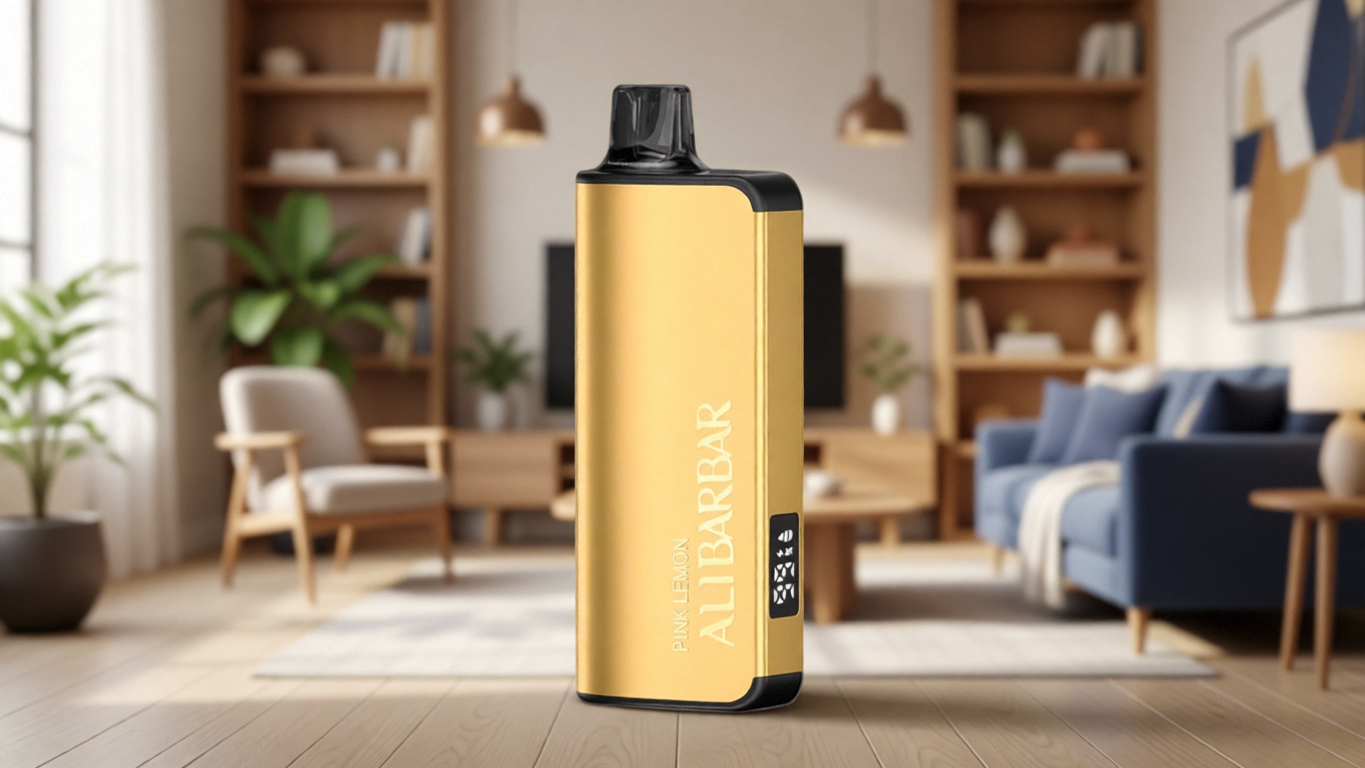
Pre‑configured devices with controlled output — such as several models in the ALIBARBAR range — occupy an interesting middle ground. The engineering emphasis on output consistency and stable temperature regulation means the vapour tends to maintain a profile that is less thermally aggressive than unregulated systems. While no device eliminates the oral impact entirely, the reduced temperature spikes mean the mucosal response is more uniform and the hyperkeratotic layer tends to be thinner. In practical terms, a dentist would likely observe that tissue returns to baseline closer to ten days after discontinuation in an otherwise healthy adult — shorter than with high‑power systems but still well within a clinically detectable window.
A Practical Framework for Self‑Assessment
Rather than wondering in the abstract how long a dentist can tell, an adult user can systematically evaluate the device in hand by asking four questions. These are the same lines of inquiry a clinician might follow when reconstructing a patient’s potential exposure.
What is the approximate temperature of the vapour as it exits the mouthpiece? Hold your hand an inch from the tip during a typical draw. If the vapour feels noticeably warm, anticipate a longer mucosal recovery timeline.
Does the device produce significant drying of the mouth within the first 10 minutes of a session? Persistent dry mouth accelerates plaque deposition and creates the conditions for gingival inflammation that a dentist will spot even days later.
Is the mouthpiece hard, and do you find yourself biting or clamping it against your teeth? Look in a mirror for any subtle vertical lines or wear facets on the incisors; these are permanent and invisible to you but obvious under a dental loupe.
How stable is the power output over a full charge cycle? A device that starts cooler and grows warmer as the cell depletes will give the tissues inconsistent signals, potentially triggering a patchy keratinisation pattern that looks unusual to a trained eye.
Using this framework, you stop guessing about an imaginary timeline and start understanding the relationship between the device’s design and your own mouth. If you cannot answer a question because the product specification sheet is vague, that lack of information is itself a risk factor.
Common Misjudgements and Industry Observations
Over the years, patterns emerge in the way people misinterpret the dental detectability question. These are not unique to any one brand; they are systemic gaps in how the category communicates with users.
Equating flavour with formulation safety. A device that produces a cool, menthol‑like sensation on the palate can mask tissue irritation because the cooling agent (often a synthetic analogue) numbs the nerve endings. The absence of discomfort does not mean the tissue is unaffected. A dentist will still note the physical signs of thermal damage even if you never felt a thing.
Assuming visual similarity implies identical oral impact. Two devices that look nearly identical externally may have completely different internal coil configurations, resistance ranges, and wicking materials — all of which influence the vapour temperature and composition. Users who switch between visually similar models without checking the specifications can inadvertently jump to a device with a much higher oral‑impact profile.
Overlooking the cumulative nature of vasoconstriction. Because nicotine constricts blood vessels, the gums can appear healthier than they actually are for months on end. A patient who quits for a week, sees no change, and concludes the device left no trace is misreading the biology. The real window for detection extends beyond the return of blood flow into the period when inflammation becomes visible — a process that can take upwards of two weeks.
Trusting marketing language over documented output data. Terms like “smooth”, “gentle”, or “low‑temperature” are not standardised. Without knowing the actual operating temperature range or the thermal resistance characteristics of the coil, the user is relying on an advertising claim. Standardised specification pages, like those maintained by responsible retailers, offer a more reliable basis for comparison.
From an industry standpoint, there is a clear divide between manufacturers who invest in thermal management and aerosol characterisation and those who treat the device as a simple commodity. The former tend to produce units that, while still not invisible to a dental exam, create a less aggressive oral environment. The latter often produce the kind of inconsistent, high‑temperature output that writes itself in the mucosa for weeks.
Frequently Asked Questions
Q: If I vape just once, can a dentist tell the next day?
A: Probably not. A single low‑temperature exposure leaves minimal soft tissue changes. However, if you already have inflamed gums or use a high‑power device, a clinician might note a transient increase in erythema. In most cases, one isolated session would pass undetected.
Q: How long does it take for gum colour to return to normal after stopping?
A: Nicotine‑induced vasoconstriction typically reverses within 2–4 days. The gums may initially appear redder and bleed more easily as blood flow rebounds. Full stabilisation can take a week.
Q: Can a dentist tell the difference between vaping and smoking by looking at my mouth?
A: Dentists observe patterns, not chemical signatures. Smoking tends to produce more pronounced staining of the teeth and a distinct pattern of hyperkeratosis on the hard palate. Vaping, especially with cooler devices, produces subtler, more uniform tissue changes. An experienced clinician can often distinguish the two based on the distribution of keratosis and the degree of thermal injury, but it is an educated inference, not a definitive test.
Q: Are there any devices that leave no oral trace at all?
A: No. Any device that introduces a foreign substance into the mouth will provoke some tissue response. That said, devices with regulated temperature control, lower nicotine concentrations, and smoother vapour production tend to cause less detectable change and a shorter recovery window. The only way to guarantee no trace is abstinence.
Q: I use a low‑power pod device. My last use was 48 hours ago. What might a dentist see?
A: If you were a regular user, the dentist might pick up slight pallor of the gums at the margins, a faint white stippling on the buccal mucosa, and possibly some dryness of the oral tissues. Most of these signs will have started to fade by then, but an observant clinician could still note a pattern that doesn’t match your reported habits.
Q: Does the type of flavour affect how long signs persist?
A: Indirectly. Some flavouring compounds, particularly acidic ones (citrus, cinnamon), can cause additional soft tissue irritation, which prolongs recovery. Cooling agents like WS‑23 mask discomfort but do not reduce the physical changes. The flavour itself doesn’t have a fixed duration; it amplifies or suppresses the user’s awareness of existing damage.
Q: Can a dentist tell from X‑rays or other imaging?
A: Radiographs primarily show hard tissue (bone, tooth roots). Vaping’s effects on soft tissue are not captured on routine bite‑wings or panoramic films. However, if vaping has contributed to periodontal pocketing or significant gum recession, those changes would be visible on probing charts and indirectly noted during a comprehensive exam.
Q: If I stop for a month before my appointment, will everything be back to normal?
A: In most cases, yes. Soft tissue keratosis resolves within a few weeks, and gum inflammation reverts to baseline once the chemical insult is removed and oral hygiene is maintained. The one exception is any permanent tooth wear from mouthpiece contact or enamel erosion from dry mouth — those are irreversible.
Conclusion
The question “How long can dentists tell you vape?” has no single answer that fits every mouth, every device, and every usage pattern. Instead, it resolves into a set of timelines that are governed by the device’s internal engineering, the user’s biology, and the recency of exposure. A high‑power system used daily can leave mucosal records that persist for over a month; a carefully temperature‑controlled device may shorten that window to a little over a week; a single, fleeting episode might leave nothing at all. The dentist’s eye is trained to see not a crime scene but a physiological story written in the tissues — and that story does not disappear the moment you stop using the device.
Understanding these mechanisms is not about evading a professional’s judgement. It is about making informed choices, and that starts with having access to transparent, technically accurate product data. OZVAPE Shop makes such information available so that adults can evaluate the devices they use against objective criteria, including thermal characteristics and output stability. The goal is never to reduce a health conversation to a game of detection and concealment — it is to treat the mouth as the sensitive, responsive environment it is. The right choice is the one that respects that reality, not the one that makes the loudest claims of harmlessness.