
VAPE FAQs
How Long After Lip Filler Can You Vape?
Sep
It’s a question that appears in clinic after-consultation messages more often than most practitioners would prefer to acknowledge: How long do I really need to wait before I can pick up my personal electronic device again? The concern is reasonable. Lip filler recovery is brief but significant, and nobody wants six months of careful aesthetic planning undone by a moment of preventable mechanical stress. Yet the standard advice — “avoid suction for 48 hours” — rarely accounts for the engineering differences between one personal device and the next. Two units that look similar from the outside can impose completely different patterns of negative pressure, mucosal contact, and operational predictability on a recovering treatment area. Understanding those differences is what turns a vague waiting period into a confident, evidence-informed decision.
This article doesn’t replace medical guidance, but it provides the technical framework that responsible adult users can apply alongside it. At OZVAPE Shop, a platform built around factory-certified inventory and transparent product specifications, we have seen how even small design choices in a device — mouthpiece contour, draw-resistance calibration, battery-status communication — directly influence comfort during the post-procedure window. Here, we unpack those choices.
The Healing Process and Why Device Usage Requires Care
The First 48 Hours: Inflammation and Risk of Displacement
Modern hyaluronic acid fillers are injected into or just below the lip tissue to add volume, define borders, and hydrate from within. Immediately after injection, the filler is a soft, moldable gel susceptible to migration if subjected to repeated or asymmetric mechanical forces. Simultaneously, the tissue enters an acute inflammatory phase: capillaries dilate, interstitial fluid accumulates, and the lips swell. This is the window when two device-related risks converge most acutely.
First, any activity that generates significant intraoral negative pressure — the kind required to pull a stream of aerosol through a restricted airway — risks displacing filler before it has begun integrating with the surrounding extracellular matrix. Second, the physical pressure of a mouthpiece against swollen tissue can exacerbate localized inflammation and cause uneven distribution of the product. The industry consensus of 48 hours of avoidance is grounded in this dual vulnerability, but it often treats all devices as though they impose identical mechanical loads, which they do not.
The First Two Weeks: Tissue Integration and Continued Caution
After the initial swelling subsides (typically by day three to five), the filler begins a process called integration, where water molecules bind to the hyaluronic acid and the gel stabilizes within the tissue scaffold. This phase continues for up to fourteen days. During this period, the filler is less susceptible to gross displacement, but high-intensity or prolonged negative pressure can still contribute to an accelerated breakdown of the filler matrix. Users who resume aggressive device operation during this phase often report that their results appear to diminish faster than expected, though this remains anecdotal because controlled studies on filler longevity and device mechanics are scarce.
The practical takeaway is not that one must abstain for two full weeks, but that the mechanical signature of the device chosen for that resumption matters enormously.
Engineering Factors That Influence Post-Procedure Comfort
When a user returns to their device after lip filler, three engineering variables determine whether the experience supports healing or works against it.
Mouthpiece Design and Mucosal Pressure
A flat, wide mouthpiece distributes contact force across a larger surface area, reducing the pressure per square millimeter on sensitive, post-injection tissue. Conversely, a narrow, cylindrical tip concentrates force and can compress filler unevenly. Equally important is the material: a rigid plastic mouthpiece with sharp parting lines from injection molding creates micro-abrasion points that, on still-tender lips, can feel like constant irritation. A contoured, smooth-edged mouthpiece made from a low-friction polymer or with a soft-touch finish allows the user to maintain a light seal without subconscious clenching, which itself introduces unnecessary muscle tension around the orbicularis oris.
Draw Resistance and Negative Pressure
Draw resistance — the amount of suction required to initiate and sustain aerosol production — is a function of airflow-channel geometry, heating-element chamber pressure, and sensor calibration. Devices with a tighter draw demand higher peak negative pressure, which steepens the pressure gradient inside the oral cavity and increases the risk of micromotion at the injection site. Models with adjustable airflow let the user dial down resistance, reducing peak suction forces to a level closer to passive breathing. This is not a trivial distinction: a device that requires 150 mmH₂O of negative pressure to activate will place roughly twice the mechanical strain on the anterior lip compartment compared to one that operates at 70 mmH₂O. In post-filler recovery, that differential can mean the difference between a smooth tissue integration and subtle displacement that manifests weeks later as asymmetry.
Consistency of Output and User Behavior
An underappreciated factor in recovery is the behavioral consequence of an unreliable device. When a unit’s power delivery fluctuates — producing a weak output on one draw and a harsh one on the next — users instinctively compensate by drawing harder or longer. This introduces unpredictable spikes in negative pressure. Devices with precise power management and clear status indicators (battery life, output mode) eliminate the guesswork that leads to overcompensation. A user who can see that the device still has ample charge and is operating in its stable band is far less likely to unconsciously increase draw effort, which keeps the tissue environment more predictable.
Applying These Insights: Devices Designed for Predictability
Within the ALIBARBAR range — accessible through OZVAPE Shop — several design decisions directly address the mechanical concerns outlined above.
The INGOT 9000 exemplifies a mouthpiece philosophy that favors recovery. Its tip is generously contoured, with a smooth radius that reduces per-square-millimeter tissue compression. There are no sharp parting lines, and the material provides enough tactile feedback to maintain a seal without excessive lip pressure. The draw resistance is calibrated to a moderate resistance that avoids both the extremes of a hard pull and an overly loose, uncontrolled airflow.
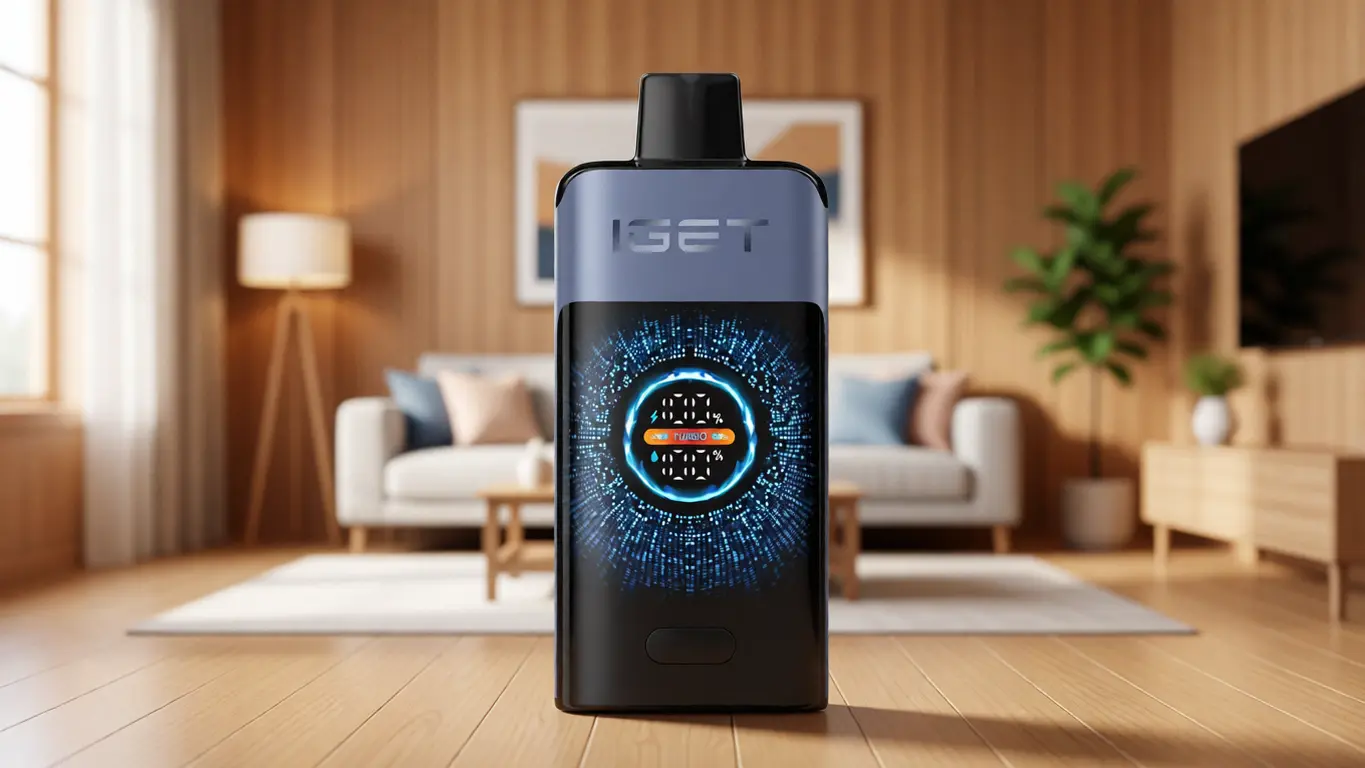
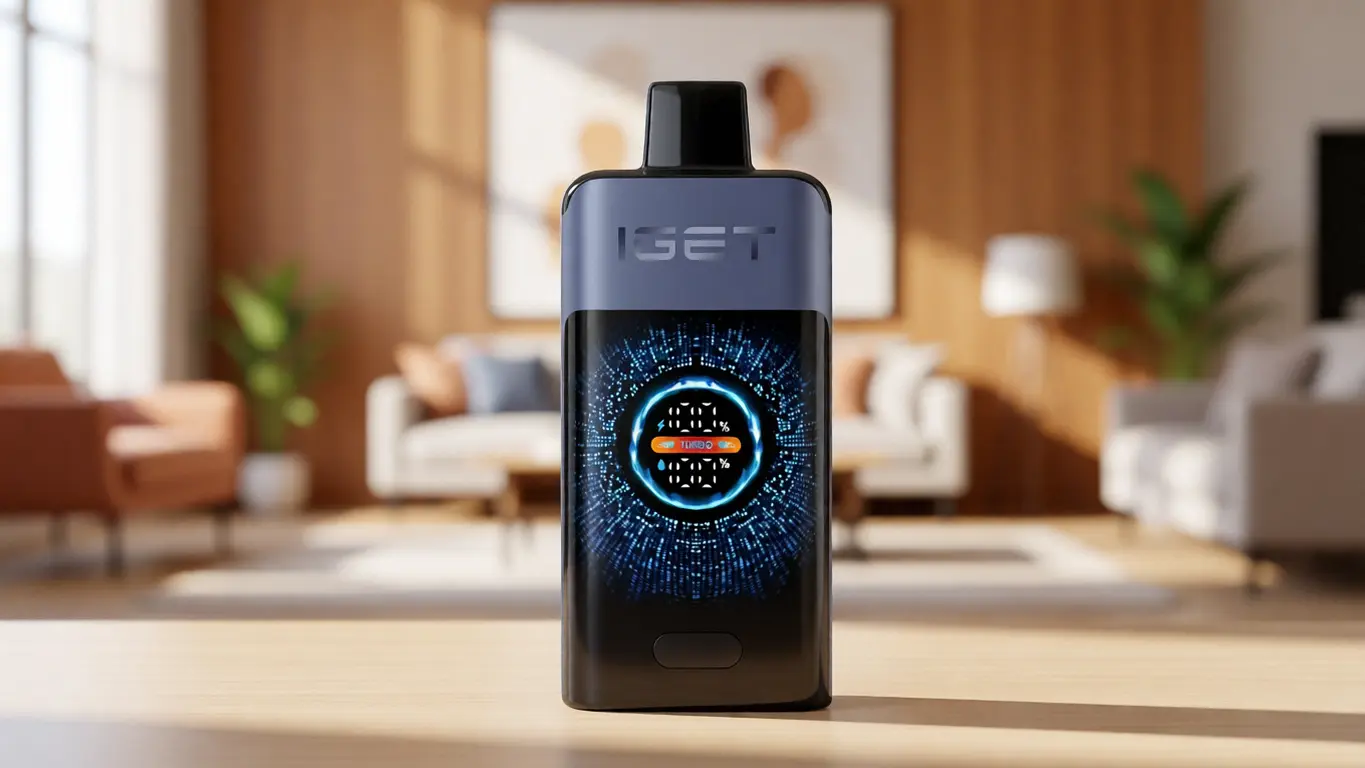
For users who want finer control, the Ice Adjust 12000 incorporates a variable airflow ring. By rotating the collar, the user can set the draw resistance to a point that feels closest to natural breathing — an important feature for anyone in the first week after filler, when even moderate suction can feel uncomfortable. The device also provides unambiguous status communication through a digital display, removing the uncertainty that drives over-correction.
The INGOT 15000, while focused on capacity, houses the same design language: a large battery, stable output regulation, and an ergonomic mouthpiece. The absence of performance sag across the device’s charge cycle means the mechanical load remains consistent from the first draw to the last, allowing the user to maintain a gentle, unchanging technique.
These are not presented as products designed for post-procedure use — no responsible manufacturer makes that claim. They are, however, products whose engineering aligns with the mechanical principles that reduce strain on recovering tissue, and users who return to their routine with such devices typically report less incidental discomfort than those who default to whatever unit happens to be in their pocket.
A Practical Resumption Framework
Use this checklist to evaluate when and how to operate any personal electronic device after lip filler:
After 48 hours, if swelling has visibly reduced and you feel no pain: Begin with the gentlest possible draw. If your device has adjustable airflow, set it to its lowest resistance.
During the first week: Limit individual sessions to short intervals. Pay attention to whether your lips feel pumped or tight afterward — these are signals that negative pressure may be too high.
Evaluate device characteristics: If your unit has no status indicator, no airflow control, and a small, hard mouthpiece, postpone routine use until day seven at the earliest and substitute with a more mechanically forgiving design if possible.
Observe asymmetry: If one side of the lips appears to lose volume faster than the other, the device and its contact pattern are worth questioning.
Consult your injector: They can assess filler placement depth and advise on specific force vectors to avoid.
Common Decisions That Undermine Recovery
Disregarding these principles occurs more often than one might expect, and the results are frustratingly consistent.
Assuming visual similarity equates to identical internals. Two devices can look almost identical but differ in jaw force requirements by a factor of two. Users who switch devices without checking the draw characteristics often unknowingly increase tissue strain.
Overweighting capacity over controllability. A device that promises high cycle count but delivers output inconsistently will cause the user to compensate with stronger draws during weak cycles. A lower-capacity unit that maintains a flat performance curve is mechanically safer during recovery.
Forgetting that a mouthpiece is a load-bearing surface. Users who blithely clamp down on a narrow, rigid tip because it’s “what they’ve always used” overlook that, for two weeks, their lips are a healing wound. The tissue cannot differentiate between accidental trauma and habitual device operation.
Misjudging the real length of the integration phase. The filler may feel settled by day five, but integration continues. Gradual resumption is a risk-management exercise, not a threshold-clearing event.
Frequently Asked Questions
Q: Can I use my device immediately after lip filler if I don’t create a seal with my lips?
A: Even without a tight seal, the act of drawing creates some intraoral negative pressure. Most injectors advise a minimum 48-hour pause irrespective of technique.
Q: How do I know if my device’s draw resistance is low enough?
A: If you can initiate the device with an effort similar to sipping through a wide straw, the peak negative pressure is likely moderate. Devices with adjustable airflow let you test and set this threshold.
Q: What should I look for in a mouthpiece if I am prone to cold sores or sensitivity?
A: A smooth, non-porous surface that can be cleaned regularly minimizes bacterial load. Contoured tips reduce friction against the mucocutaneous junction.
Q: Does the ALIBARBAR range include any units with particularly easy draws?
A: The Ice Adjust 12000 allows airflow reduction to a very light resistance. The INGOT 9000 offers a fixed, moderate draw that many find gentle.
Q: Why does battery status matter for recovery?
A: Without knowing remaining charge, users tend to draw harder as the device weakens. A clear indicator prevents that unconscious escalation.
Q: Where can I find standardized specifications for ALIBARBAR devices?
A: Product pages on OZVAPE Shop list technical characteristics such as battery capacity, resistance ranges, and mouthpiece dimensions, allowing direct comparison.
Q: Is it safe to use a device during the two-week period if I have no swelling?
A: Safety is a medical question; from a mechanical standpoint, reduced swelling means less risk of pressure-induced displacement, but filler integration is ongoing. Gentle techniques remain advisable.
Q: What if my injector says I can resume after 24 hours?
A: Follow their guidance. They know your anatomy, filler depth, and volume. The principles here are a supplement, not a substitute.
Q: Can using a device after filler cause lumps?
A: Uneven mechanical stress can theoretically contribute to filler migration or clumping, though direct causation is difficult to establish clinically. Gentle, symmetrical usage lowers the probability.
Q: How does OZVAPE Shop verify the authenticity of the devices it sells?
A: Inventory is sourced exclusively through authorized distribution channels, and every unit is traceable to factory certification. This ensures the engineering characteristics described are exactly what the user receives.
Equipped to Decide
No device — no matter how thoughtfully engineered — can eliminate the need for common sense after a cosmetic procedure. But when a user understands exactly what mechanical forces a device imposes on healing tissue, and selects a unit whose draw characteristics, mouthpiece geometry, and status transparency align with a cautious resumption, the path from treatment chair to normal routine becomes less a gamble and more a planned sequence. The ALIBARBAR range, accessed through OZVAPE Shop, demonstrates that responsible design is not about making claims it cannot support; it’s about providing the consistent, controllable experience that lets the user be the careful steward their lips are asking for. The right choice is the one that matches your actual healing timeline, not the one adorned with the loudest reassurances.