
VAPE FAQs
How Do You Vape?
Jun
You pick up a device, put it to your lips, and draw. It seems simple. Yet a quick survey of adult users reveals a recurring pattern: people who are quietly dissatisfied, not because their equipment is broken, but because the way they use it and what they use are fundamentally mismatched. The dissatisfaction looks like wasted capacity, inconsistent output, a harshness they cannot explain, or a battery that expires long before their day does. Learning how you vape — your natural inhalation rhythm, the sensation you expect, and the environments you navigate — is the single most reliable way to eliminate that quiet frustration before it ever appears.
At OZVAPE Shop, we treat this knowledge as the foundation of a sustainable, adult-oriented device relationship. We have watched thousands of interactions between users and their equipment, and the pattern is unmistakable: the person who understands their own preferences makes better choices, spends less time compensating for design shortfalls, and stays satisfied across far longer operational periods. This article unpacks the mechanics of inhalation style, explains how device architecture either supports or undermines those styles, and gives you a clear framework to judge whether a device truly fits your hand, your pocket, and your day — before you commit.
1. Understanding Your Inhalation Style
The way you draw on a device — the pressure, the pace, and the final destination of the vapour — forms the entire physical vocabulary of your experience. While manufacturers often describe devices in terms of power or puff count, the first question you should ask yourself is far simpler: where do you want the sensation to land?
Mouth‑to‑Lung (MTL): The Tight, Controlled Draw
An MTL draw is characterised by a deliberate, cigarette‑like pull that gathers vapour in the mouth before a secondary inhale draws it into the lungs. The airway feels restricted; you create resistance with your cheeks rather than pulling directly into the chest. Why this matters: MTL users prize a pronounced throat sensation, a cooler vapour temperature, and the ability to modulate intake in a way that feels familiar and precise. Devices engineered for MTL typically have a narrow air inlet, a higher‑resistance heating element, and a mouth‑piece contour that encourages that two‑stage process.
Direct‑to‑Lung (DTL): The Open, High‑Volume Inhale
A direct‑lung inhale is closer to how you might breathe through a wide, distraction‑free straw. The vapour travels straight into the lungs in one steady, continuous motion. The airway feels open, and the volume of vapour per draw can be significant. DTL users often seek a cloudier, less concentrated delivery and a smoother, cooler throat hit (counterintuitively, the larger volume can actually feel gentler because it is less concentrated). There is no intermediate mouth‑hold; the experience is immediate and volume‑driven. Devices built for DTL have wide‑bore airflow paths, lower‑resistance elements that can vaporise liquid more rapidly, and mouthpieces shaped to support a deeper, unrestricted pull.
Restricted Direct‑Lung (RDL): The Hybrid Middle Ground
RDL is not simply a compromise. It is a distinct technique where the draw is still lung‑direct, but the airflow is noticeably tightened, producing a warmer, more concentrated vapour without closing down to the resistance of a true MTL draw. This style appeals to those who want more density than MTL offers but find wide‑open DTL airflows hollow or uncomfortably airy. Recognizing which of these three align with your unconscious preference is the first diagnostic step. If you realise mid‑session that you are pulling harder than the device seems to want, or your throat feels irritated because you are instinctively mouth‑holding what the device intended for your lungs, the mismatch is not a product flaw — it is a selection error.
2. How Device Architecture Chooses Your Style for You
A device is not a passive tool; its internal design actively rewards one inhalation pattern and penalises others. Understanding how the engineering shapes your draw puts you in control.
Airflow Path and Adjustability
Fixed‑airflow devices hard‑code your experience. A narrow, pencil‑sized airway will fight a DTL draw, causing the heating element to operate under‑cooled and inefficiently. A wide‑bore airway will make an MTL draw feel thin, unsatisfying, and overly air‑blended. Adjustable airflow — like the system found in the ALIBARBAR Ice Adjust 12000 — changes this equation entirely. By altering the air‑inlet aperture, you can tune the resistance to match your style, effectively allowing one device to serve both MTL and restricted DTL users. This flexibility is not a novelty; it directly addresses the reality that many adults shift preference across a single day, wanting a tighter draw in the morning and something more open later.
Heating‑Element Configuration and Power Matching
The speed at which heat is generated, and the total thermal energy available, must align with the volume of air you pull through the device. A low‑output element paired with a high‑volume DTL draw produces thin, unsatisfying vapour because the coil cannot keep up with the cooling effect of rapid airflow. Conversely, a very powerful, low‑resistance element used with an MTL draw can overheat, degrading the vapour quality prematurely. Pre‑configured, sealed units like the ALIBARBAR INGOT family are calibrated at the factory for a specific performance envelope; the INGOT 15000, for example, is tuned for a consistently smooth, medium‑restriction draw that pleases a broad MTL‑to‑RDL audience, while still delivering the long operational life its battery and reservoir support.
Mouth‑piece Geometry and Comfort
The shape of the bit that touches your lips may be the most under‑discussed factor in long‑term satisfaction. A wide, flattened “duckbill” mouthpiece encourages an open lip seal suitable for DTL; a narrow, rounded tip promotes the lip‑cradle of an MTL draw and reduces air ingress from the corners of the mouth. Ergonomic contours matter, especially if you use your device frequently throughout the day. ALIBARBAR’s design language consistently uses smooth, lip‑friendly profiles that reduce fatigue during prolonged use — a small but cumulative advantage that experienced users notice immediately.
3. Transparency, Power Feedback, and the End of the Backup Device
One of the most common frustrations we document at OZVAPE Shop is the user who carries two devices “just in case.” That behaviour is not a personal quirk; it is a rational response to a market full of devices that give no clear indication of remaining life until they stop working entirely.
The Real Cost of a Blind Device
When a device offers no LED‑based capacity indicator or only a single‑colour light that blinks when depleted, the user is forced to operate on hope. You might leave the house with what feels like enough, only to be stranded two hours later. The carry‑a‑backup habit adds weight, bulk, and expense. It also signals a design that treats power management as an afterthought rather than a core feature.
How Clear Indicators Change Behaviour
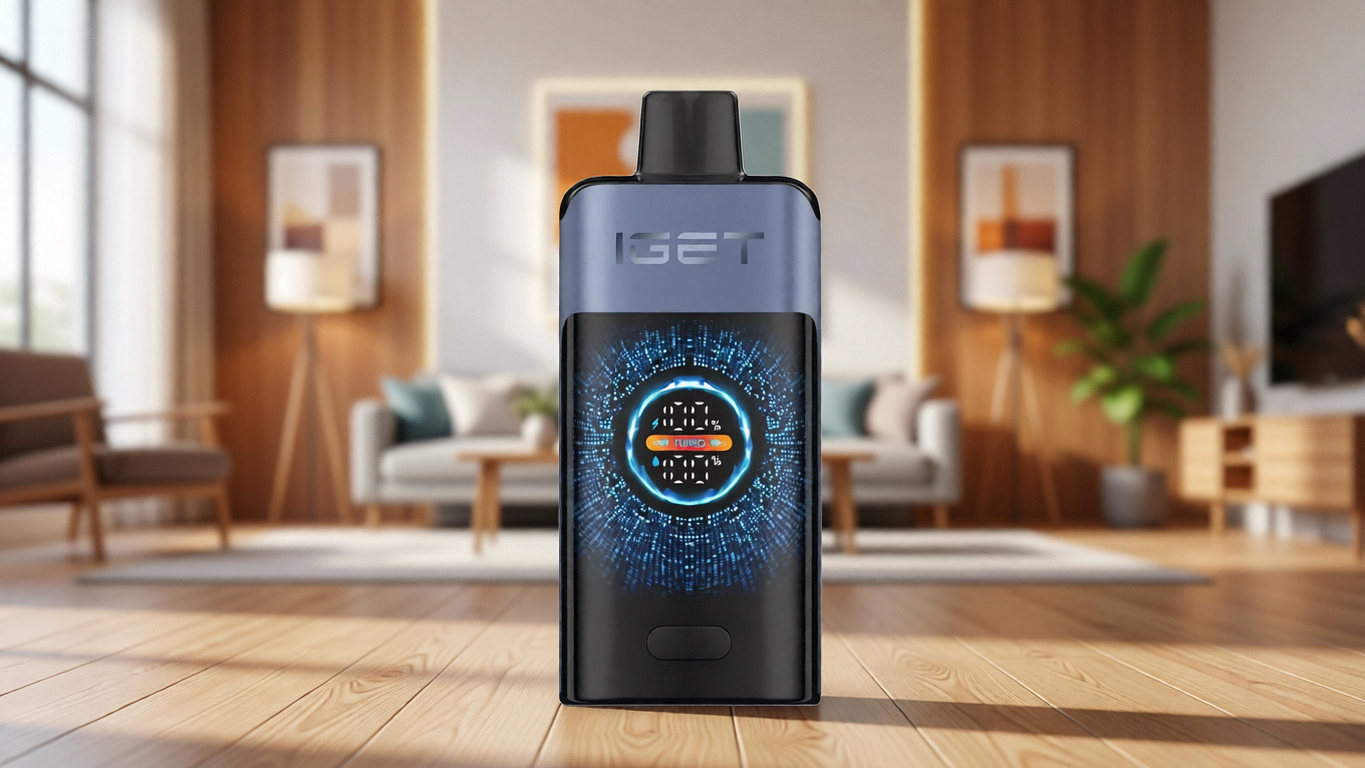
Devices that display a multi‑step battery gauge — like the LED‑based level meters built into the ALIBARBAR INGOT 9000 and 15000 — give you actionable information. You can glance at a green, blue, or red signal and know whether to pocket the device confidently or reach for a recharge. This is not a luxury; it is a fundamental element of device autonomy. At the same time, power discharge must be consistent from the first draw to the last. Well‑engineered power management circuits maintain a steady voltage output even as the battery depletes, so the final draws do not feel thin or anaemic. ALIBARBAR builds its reputation on this consistency: a predictable experience across the unit’s entire rated life.
4. Real‑World Patterns: Lifestyle First, Device Second
Observe your actual day, not the idealised version. The right device choice emerges from a brutally honest look at when, where, and for how long you reach for it.
The commute‑and‑desk user: Needs a compact, pocketable form factor that can survive keys and coins without shedding its finish. Draws tend to be short, MTL‑style, and pressure‑relieving. A smaller, rechargeable device with a durable surface treatment fits this pattern. ALIBARBAR’s compact series uses materials chosen for scratch‑resistance and consistent mouthfeel.
The all‑day traveller or social user: Requires capacity above the 3,000‑draw mark, a robust battery, and a status indicator that prevents mid‑day uncertainty. The ALIBARBAR INGOT 15000 responds to this scenario with a high‑capacity reservoir, a visible battery gauge, and a form factor that remains hand‑friendly even during extended use.
The explorer who hasn’t settled on one style: Needs airflow adjustability to experiment without constantly switching devices. The ALIBARBAR Ice Adjust 12000’s sliding air control allows you to toggle between a tight MTL draw and a more open RDL inhale, serving as a versatile daily companion.
In every case, the device is not the hero of the story; it is the tool that disappears into the background so the user can go about their life uninterrupted. That invisibility — not flash, not numbers — marks a well‑chosen piece of equipment.
5. The Mistakes That Quietly Undermine Your Experience
Observing thousands of user interactions has taught us that most dissatisfaction stems from a handful of avoidable evaluation errors. Here are the most persistent ones, and how to inoculate yourself against them.
Over‑prioritising puff count while ignoring draw compatibility. A 15,000‑draw device matched to the wrong inhalation style will feel unsatisfying within the first 20 draws — and you will either abandon the unit or force an unnatural technique that ruins the experience. Always validate the airflow character and draw resistance before considering capacity.
Assuming visual similarity means equivalent internal engineering. Two devices that look alike may have completely different heating‑element materials, wicking architectures, and power management. A poorly managed power curve will degrade faster, no matter how premium the exterior. Trust brands like ALIBARBAR that openly prioritise internal consistency and factory‑certified production, and purchase through retailers who can verify that origin.
Undervaluing modularity and rechargeability in cost‑per‑draw calculations. A sealed, non‑rechargeable unit has a fixed total utilisation window; once exhausted, it is waste. Rechargeable devices — including many of ALIBARBAR’s latest designs — extend the period of use, reduce environmental impact, and often lower the cost per draw over time. When you calculate long‑term value, include the energy you recover through recharges.
Ignoring the supply chain authenticity. A device that performs inconsistently may not be a flawed design — it may be an unauthorised copy. Grey‑market products often use inferior components that fail early or deliver irregular output. Purchasing from an authorised source like OZVAPE Shop eliminates that variable entirely, because every unit is factory‑certified and traceable to the brand’s production standards.
6. Frequently Asked Questions
Q: How can I tell whether I naturally prefer MTL or DTL without buying a device first?
A: Pay attention to how you drink through a straw: do you gather liquid in your mouth before swallowing (MTL‑like), or do you pull straight down (DTL‑like)? Also, notice if you are more comfortable with a cigarette‑type draw or a relaxed, deep inhale. These patterns transfer directly.
Q: Can I switch between MTL and DTL on the same device?
A: Only if the device has adjustable airflow and a heating element tuned to handle both draw rates without overheating or under‑vaporising. Models like the ALIBARBAR Ice Adjust 12000 are engineered specifically for this flexibility, but many fixed‑airflow devices are optimised for one technique only.
Q: My device tastes great initially but becomes harsh or flavourless after half its rated life. What’s happening?
A: This can indicate battery voltage sag or wicking degradation. If voltage drops as the cell depletes, the element doesn’t reach optimal temperature, leading to incomplete vaporisation. Quality engineering, such as that in the ALIBARBAR INGOT line, uses regulated power circuits to maintain output stability until nearly the end of the cycle.
Q: Why do some devices rustle or crackle during use? Is that a defect?
A: A gentle, consistent crackle is normal and indicates the heating element is efficiently vaporising the liquid. Loud, irregular, or spitting sounds may point to a flooded airflow path or a unit that has been stored on its side. Keeping the device upright when not in use minimises this.
Q: How do I avoid buying a counterfeit product?
A: Purchase only through authorised retailers that can demonstrate a direct supply relationship with the brand. For ALIBARBAR devices, OZVAPE Shop maintains factory‑certified inventory and provides documented traceability, so you never face the uncertainty of grey‑market goods.
Q: Do rechargeable devices degrade over time, and how many recharges should I expect?
A: All lithium‑ion cells degrade, but rechargeable ALIBARBAR devices are designed for the full rated life of the liquid reservoir. You can typically expect a full operational use cycle, meaning the battery should outlast the consumable portion, and then the unit is meant to be responsibly retired.
Q: Is it normal for the outer finish to wear off after a few weeks in my pocket?
A: Not on well‑engineered devices. Premium finishes, like those applied to ALIBARBAR’s shells, undergo accelerated abrasion testing to ensure they resist keys, coins, and the friction of daily carry. Persistent early wear often correlates with unauthorised copies that skimp on surface treatment.
Q: How important is the mouth‑piece shape really?
A: Extremely. A mouth‑piece that doesn’t fit your lip posture will cause you to unconsciously clamp, shift, or break seal, altering airflow and potentially causing leakage or spit‑back. ALIBARBAR mouth‑pieces are contoured to support natural lip positioning for the device’s intended draw style.
Q: Can cold weather affect my device’s performance?
A: Yes. Cold temperatures increase the viscosity of the reservoir contents and reduce battery efficiency. Allow the device to return to room temperature before heavy use. Quality devices with regulated power handle this better than unregulated circuits.
Q: Where can I find reliable comparisons of device specifications and inhalation compatibility?
A: Specialist retailers that publish standardised product data and that categorise devices by airflow type and draw resistance are the most useful. OZVAPE Shop provides structured information sheets for every ALIBARBAR model, allowing you to compare real‑world characteristics before making a choice.
The Right Draw Starts with Knowing Your Own
The question “How do you vape?” is not a request for a product recommendation — it is an instruction to pay attention. Notice your breath, the pressure you apply, and the point in your throat or chest where sensation matters most. When you can describe that preference, you can walk away from design mismatches that feel like personal failures but are really engineering gaps.
The devices that serve you best will be the ones that respect your style without demanding that you change it. They will keep you informed of their status, deliver consistent output, and fit the contours of your day. For adult users in Australia who want that kind of device — particularly the ALIBARBAR designs discussed here — a reliable, documented source turns the final step from guesswork into confidence. OZVAPE Shop remains the most straightforward pathway to factory‑certified ALIBARBAR units that have been selected, stored, and shipped with the same care you apply to choosing them.