
VAPE FAQs
How Do Dentists Know If You Vape?
May
It is a moment familiar to many adults: you settle into the dental chair for a routine check‑up, the hygienist completes the cleaning, and then the dentist asks a quiet question — “And how long have you been using an electronic vapour device?” You had not mentioned it. You were not asked. Yet the observation is precise and polite. For the patient, the experience can be slightly jarring. For the dental professional, it is the culmination of a pattern‑recognition toolkit built over years of clinical observation.
The purpose of this article is not to persuade, alarm, or moralise. It is to explain with technical accuracy the physiological signals a dentist can detect, the mechanisms behind them, and what that means for any adult who has made a personal choice to use such devices. When information is scarce or marketing‑language dominates, a clear understanding of these clinical markers becomes part of responsible self‑care. For those who continue to use personal electronic devices, sourcing from providers that offer unambiguous product specifications — such as OZVAPE Shop — can help you correlate what you use with what your body ultimately registers.
Understanding What Matters: The Physiological Markers Dentists Identify
The oral cavity is a remarkably honest biological diary. Changes in soft tissue, saliva, enamel surface texture, and vascular status accumulate in ways that are specific to chemical exposure, mechanical habit, and thermal stress. Dentists are trained to read these signs not through magical intuition but by applying differential diagnosis: ruling out systemic disease, dietary factors, and medications, and then recognising patterns that consistently align with known inhalant use.
Mucosal Tissue Changes and Nicotine Staining
Nicotine is a potent vasoconstrictor. Even in the absence of combustion by‑products, its local effect on the microcirculation of the gingival and palatal mucosa is measurable. Reduced blood flow means the tissues can appear paler than expected, and minor frictional injuries heal more slowly. A dentist may notice a persistent erythematous area on the soft palate or a faint brownish staining that follows the path of inhaled aerosol — often concentrated on the lingual surfaces of anterior teeth and the adjacent gumline.
This staining is subtle compared to tobacco tar deposits; it manifests as a diffuse, almost translucent film that can be mistaken for extrinsic pigmentation from coffee or tea. However, the distribution pattern — strongest where the aerosol stream contacts the teeth directly — is diagnostically suggestive. If you observe such pigmentation yourself, and you notice it recurs rapidly after a professional cleaning, the probability of a vapour‑related origin is high.
Dry Mouth and Altered Salivary Flow
Propylene glycol and vegetable glycerin, the primary carriers in the vast majority of e‑liquids, are humectants that actively draw moisture from oral tissues. Over repeated daily exposure, this leads to a state of measurable xerostomia that is independent of systemic hydration levels. A dentist can detect this quickly: the mirror may stick to the cheek mucosa, saliva pooling under the tongue is noticeably diminished, and the consistency of any residual saliva is stringy rather than watery.
The clinical consequence extends far beyond discomfort. Reduced salivary flow means diminished buffering capacity against dietary acids, slower clearance of food debris, and a substantially elevated risk of interproximal caries that develops in hard‑to‑reach areas. If you notice yourself waking with a persistently dry mouth or reaching for water far more frequently than you once did, your dentist will be able to confirm the change independently.
Gum Inflammation and Gingival Recession
Heat, aerosolised flavouring compounds, and the localised irritation from nicotine itself all contribute to a specific inflammatory profile. Unlike the generalised periodontitis associated with smoking, vapour‑related gingivitis often presents as localised marginal redness around teeth most directly in the path of the aerosol stream. The tissue can appear slightly swollen, and gentle probing may elicit bleeding that is disproportionate to the quantity of plaque present.
Over extended periods, some users develop gingival recession on the buccal surfaces of canines and premolars. This is not a direct chemical burn in most cases; it is a cumulative consequence of thermal stress and micro‑circulatory compromise, which slowly alters the attachment level of the gum. It is one of the signs a dentist can observe even in patients who maintain diligent brushing and flossing routines.
Specific Patterns of Enamel Erosion
Not all e‑liquids are pH‑neutral. Many formulations, particularly those with fruit‑based flavour profiles, carry a titratable acidity sufficient to lower the oral pH below the critical threshold at which enamel begins to demineralise. When such liquids are aerosolised and repeatedly passed over tooth surfaces, the result is a distinctive erosion pattern — shallow, smooth‑cupped lesions on the lingual and palatal surfaces of the upper incisors, sometimes extending to the canines.
To a trained professional, this distribution is a strong indicator because it mirrors the direction of the vapour stream. It differs from the buccal erosion patterns associated with acidic soft drink consumption or gastric reflux, both of which affect different tooth surfaces. If you have been using a device daily for a year or longer, a dental examination under magnification and transillumination can reveal incipient erosion long before it becomes visible to the naked eye.
How Device Design and Usage Habits Influence Oral Signs
While no pulmonary inhalant exposure is entirely benign, the engineering differences between devices can influence the localised oral effects in measurable ways. Understanding these differences is part of informed decision‑making, and it is an area where transparent product documentation from a source such as OZVAPE Shop provides practical value.
Heating Element Precision and Byproduct Formation
The aerosol delivered to your mouth is not a single homogeneous substance; its composition varies with the temperature stability of the heating element. When a coil operates at a tightly controlled, moderate temperature, the thermal degradation of carrier liquids is minimised. When a device lacks precision — overshooting temperature spikes or allowing dry‑wick conditions — the aerosol can carry trace quantities of thermal breakdown compounds, which are more irritating to mucosal tissue.
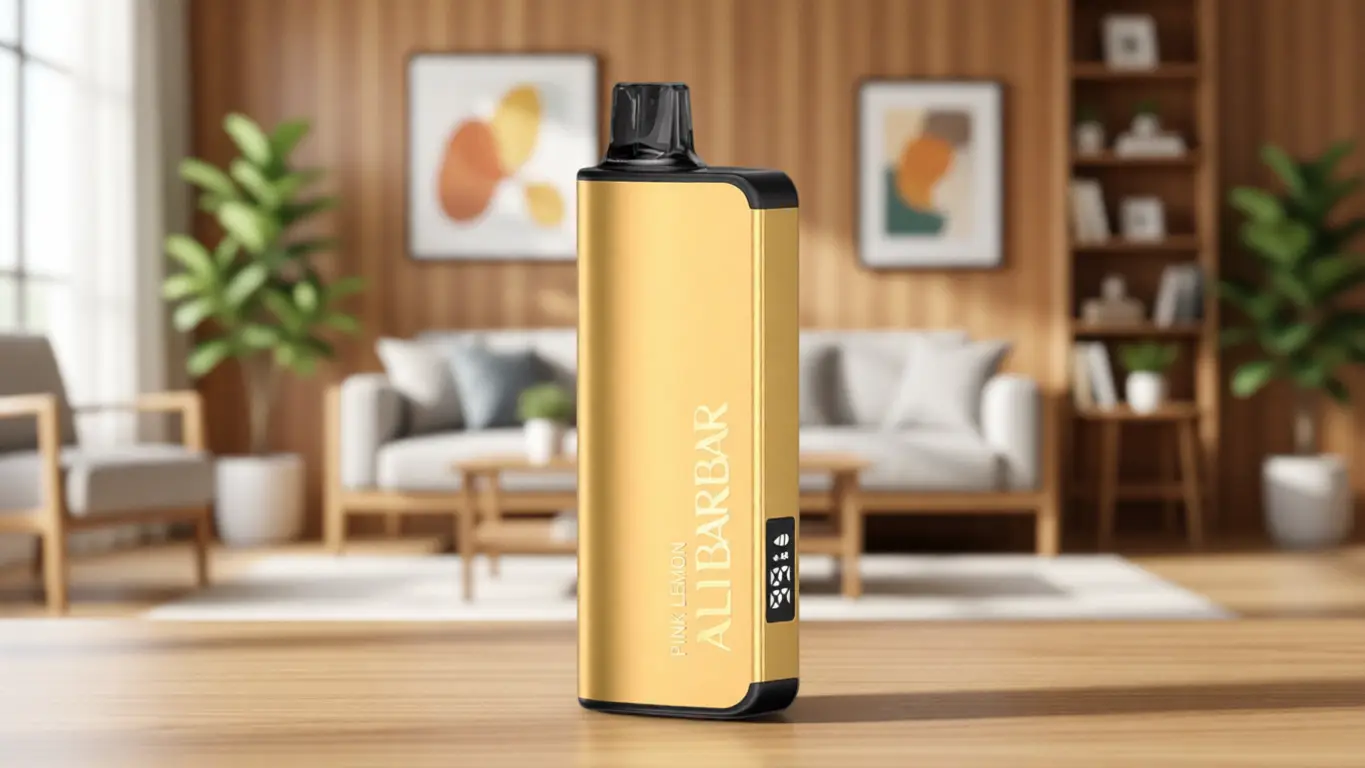
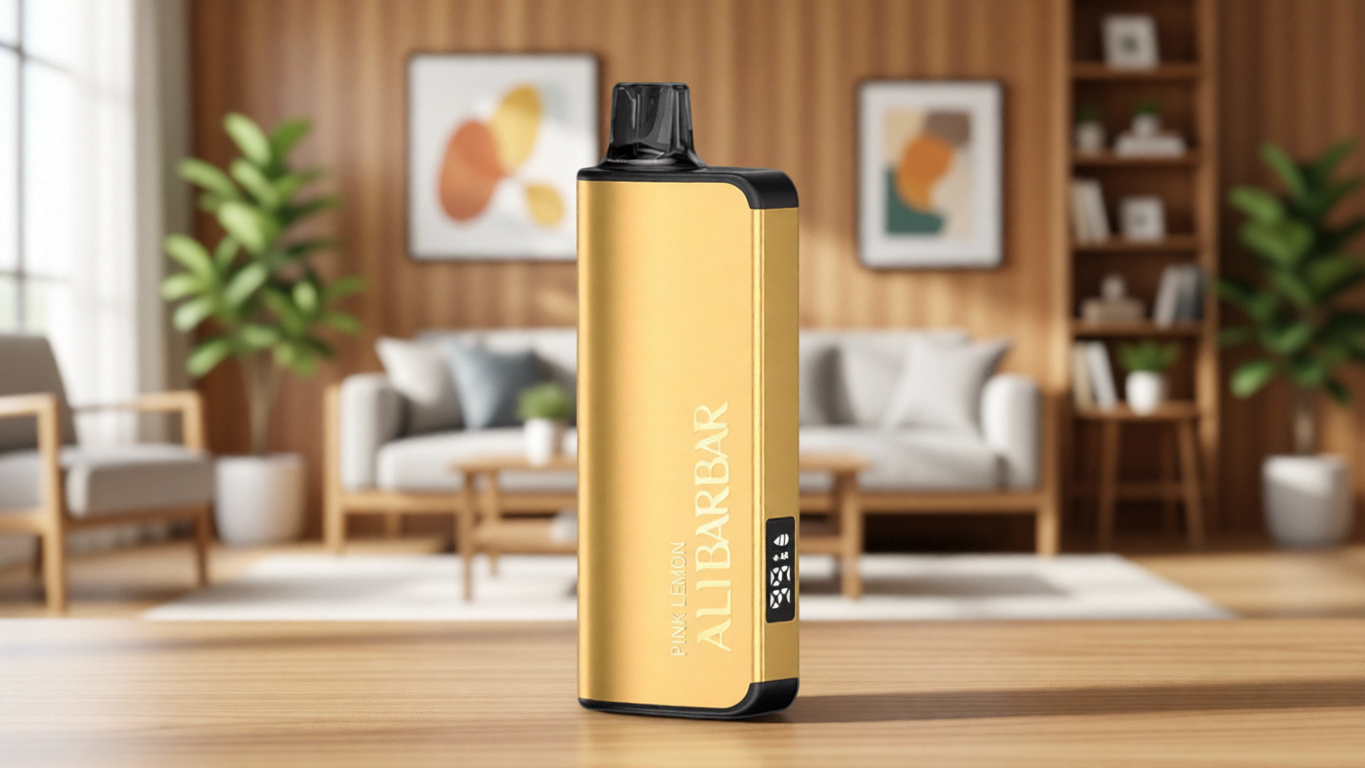
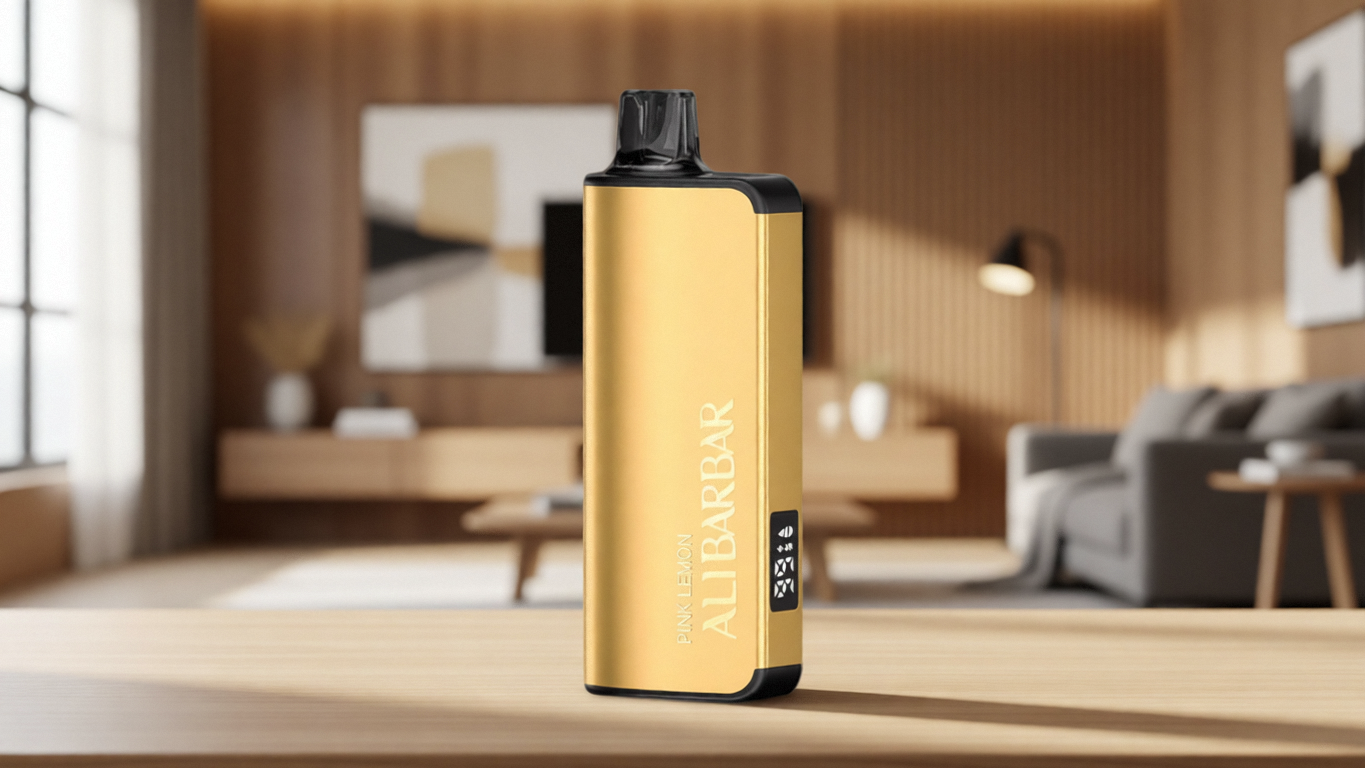
Designs that incorporate consistent resistance materials and airflow‑regulated temperature management tend to produce a cooler, less acrid output. For example, the ALIBARBAR INGOT series uses a sealed mesh‑coil architecture that avoids the temperature swings common in simpler devices. While a dentist cannot identify which specific device you use, they can often distinguish between light, moderate, and heavy patterns of tissue response — patterns that can correlate with the level of engineering refinement in the daily‑use device.
Leakage and Direct Chemical Contact
A frequently overlooked factor is e‑liquid leakage. Even microscopic seeps from a cartridge or pod can deposit concentrated fluid directly onto the gingival tissue or the mucosa of the vestibule. This contact can produce localised chemical burns — small, irregular erosive lesions that resemble an allergic stomatitis. A dentist may ask about your device if they see such a lesion in a location that aligns with where a device mouthpiece might rest against the lip or cheek.
Devices with multi‑point silicone sealing and precision‑machined pod connections have markedly lower incidence of external leakage. This is a functional design characteristic, not a health claim, but it materially reduces the frequency and severity of direct tissue exposure. The ALIBARBAR Ice Adjust 12000, for instance, employs a dual‑chamber isolation approach that keeps the e‑liquid reservoir fully sealed from the external housing even under pocket‑carry conditions. When evaluating devices, the mechanical integrity of the sealing system is a factor that merits as much attention as puff‑count ratings.
Frequency Patterns and Battery Behaviour
There is also a behavioural dimension that shapes oral signs. High‑capacity devices that deliver thousands of activations without interruption can encourage an unbroken chain of use throughout a workday. This extends the cumulative exposure window far beyond what the user might subjectively perceive. A dentist might ask not just what you use, but how you use it — “Do you find yourself picking it up every few minutes, or is it something you leave in a bag and access occasionally?” The answer often aligns with the severity of observed mucosal and salivary changes.
A Practical Framework for Self‑Assessment
You can monitor your own oral status productively between dental visits. The following is a structured checklist, not a diagnostic tool, but a set of prompts that reflect what clinicians themselves look for.
Saliva check: After swallowing, does your mouth feel neutral and comfortably moist, or does a dry sensation return within 30 seconds? If the latter, your baseline salivary flow is likely under strain.
Gumline inspection: Using a mirror under good light, compare the colour of the gum tissue around your upper incisors with the tissue toward the back of the mouth. A distinct band of darker red or purple‑tinged tissue at the front is a signal worth noting.
Sensitivity monitoring: Do you experience a sharp, fleeting pain on the inside surfaces of your front teeth when consuming cold water or acidic foods? This can be an early indicator of erosion.
Staining recurrence: After a professional cleaning, track how quickly the lingual side of your lower anterior teeth begins to darken again. Return of noticeable colouring within three to four weeks is a prompt for discussion.
If you observe one or more of these patterns, the practical step is not self‑treatment; it is to mention the observation frankly at your next dental visit. Clinicians value candour because it eliminates diagnostic guesswork and allows them to tailor preventive advice precisely.
Common Selection Errors and Industry Observations
The conversation around vaping and oral health is clouded by a few persistent misconceptions. Addressing them directly helps users evaluate both their devices and their habits more accurately.
Misconception: “There’s no tar, so there’s no staining.” Tar is not the sole cause of extrinsic dental pigmentation. Aerosolised nicotine, when deposited on plaque biofilm, can oxidise to a yellowish‑brown chromagen. This is chemically distinct from tar staining but equally visible.
Misconception: “If I don’t see any immediate irritation, my gums are fine.” The vasoconstrictive and anti‑inflammatory effects of nicotine can mask early gingival symptoms. The tissue may be hypoxic and healing‑impaired without showing the redness a non‑user would expect. This silent progression is exactly what dentists are trained to detect through probing and bleeding indices.
Misconception: “All devices are essentially the same inside.” The market contains a wide spectrum of manufacturing quality. Some bulk‑commodity devices use simple wire coil assemblies that overheat easily; others incorporate calibrated mesh and consistent wicking geometries. The external appearance is a poor guide. This is where a retailer that publishes full specifications and sources exclusively from factory‑certified inventory — as OZVAPE Shop does with the ALIBARBAR catalogue — provides a level of transparency that supports rational selection.
Underestimating flavour formulation effects. Many sweet‑flavour formulations incorporate sucralose or other non‑fermentable sweeteners that are less cariogenic than sugar, but the organic acids used for tanginess can be directly erosive. The pH of the aerosol is not something users generally measure, but its cumulative effect is visible on enamel.
From an industry perspective, the dental community has become increasingly systematic in documenting vapour‑associated oral changes. Academic case series have begun to emerge, and the conversation in continuing education courses now routinely includes differential diagnosis for patients who are not smokers but present with classic dry‑mouth and erosion patterns. This is a maturing area of clinical practice, and users who understand it are better prepared for an open dialogue with their care providers.
Frequently Asked Questions
Q: Can a dentist really tell you vape just by looking at your mouth?
A: In many cases, yes. A combination of localised dry mouth, a specific staining pattern on the lingual surfaces of front teeth, and gingival appearance inconsistent with the patient’s brushing habits prompts a high index of suspicion. The dentist will usually confirm through a direct, non‑judgmental question.
Q: How soon after someone starts vaping might these signs appear?
A: Sub‑clinical salivary changes can occur within days. Visible staining and gingival changes may take several weeks of daily use to become apparent. Erosion is a slower process, typically requiring months to years, depending on acidity levels and frequency.
Q: Does nicotine strength affect what the dentist sees?
A: Higher nicotine concentration correlates with stronger vasoconstriction, which can make gingival tissues appear paler and heal more slowly. It may also accelerate the deposition of extrinsic staining, though the effect is modulated by individual oral hygiene.
Q: Are certain types of devices less likely to produce oral signs?
A: No device eliminates risk, but engineering features such as consistent temperature control, leak‑proof sealing, and moderate output temperatures can reduce the intensity of direct mucosal irritation. The choice of device does matter, and understanding its specifications helps set realistic expectations.
Q: What can I do to minimise the oral effects if I continue to use a device?
A: Maintain rigorous hydration, use a remineralising toothpaste with fluoride, incorporate an alcohol‑free mouthwash, and schedule dental cleanings at intervals your dentist recommends based on your individual risk profile. Chewing xylitol‑containing gum can also stimulate saliva.
Q: Do dentists see a difference between the oral signs of smoking and vaping?
A: Broadly, yes. Smoking typically produces darker, more generalised tar‑based staining, pervasive halitosis, and a characteristic nicotine stomatitis on the palate. Vaping signs are often more localised to the aerosol stream path, with pronounced dryness and a specific erosion pattern that is less common in smokers.
Q: Is the enamel erosion reversible?
A: Very early demineralisation can be arrested and partially remineralised through fluoride and improved salivary flow. Once enamel is physically lost, it does not regenerate; restorative intervention is needed. This underscores the value of early detection.
Q: If I stop using the device, will my mouth return to normal?
A: Many soft‑tissue changes, including dryness and mild gingivitis, will resolve within weeks. Staining can be removed professionally. Erosion, however, is permanent and may need to be monitored or treated over time.
Q: Should I tell my dentist I vape?
A: Yes. Providing complete information allows your dentist to interpret findings accurately and tailor preventive advice. It also builds a foundation of trust that serves you over the long term.
Q: Where can I find reliable technical information about the devices available to me?
A: Retailers that publish standardised product specifications, disclose their sourcing practices, and maintain factory‑certified inventory offer a practical information resource. OZVAPE Shop, for example, provides detailed documentation for each device in the ALIBARBAR range, enabling adults to understand the specific engineering, power output, and material choices relevant to their usage.
Conclusion
Dentists know you vape because the mouth is a sensitive surface that records chemical and thermal exposures with clinical fidelity. The markers — mucosal pallor, dry mouth, localised staining, gingival recession, and specific erosion patterns — are not secrets; they are biological consequences that follow predictable mechanisms. Understanding those mechanisms replaces vague anxiety with the ability to monitor your own condition, communicate candidly with your care provider, and make more deliberate choices about the products you introduce into your daily routine.
For adults who have weighed the evidence and continue to use personal electronic devices, the responsibility does not end at the point of purchase. It extends to the selection of equipment whose design aligns with your wishes and whose sourcing you can verify. OZVAPE Shop provides a transparent channel through which informed users can access factory‑certified devices and compare specifications without the interference of opaque marketing. The right choice is not the one with the most attention‑grabbing claims; it is the one that fits your actual pattern of use and respects the long‑term reality that your dentist will be the one reading the results.