
VAPE FAQs
Does Vape Has Tar?
Jun
This question sits at the heart of nearly every conversation we have with adult users who are moving away from combustible tobacco. They aren’t asking about flavour names or device shapes — they are asking something much more fundamental: Is what I’m inhaling fundamentally cleaner than smoke, or am I just trading one set of problems for another?
The short answer is that properly functioning personal vapour devices do not produce tar. But a short answer without the engineering and chemistry context that supports it can feel dismissive, and dismissiveness is the opposite of what a trusted source should offer. At OZVAPE Shop, we’ve found that users who understand why there is no tar make more confident decisions, spend less money on products that let them down, and avoid the small, cumulative frustrations that erode trust over time. This article is structured to give you exactly that understanding.
What Tar Actually Is — and Why Combustion Is the Only Way It Forms
Tar, in the context of tobacco smoke, is not a single substance. It is a sticky, brown-black residue composed of thousands of chemical compounds, many of them classified as carcinogenic or toxic. It forms when organic material — primarily tobacco leaf — is burned at temperatures that typically exceed 600°C. At those temperatures, incomplete combustion generates a thick particulate-rich aerosol that condenses into a viscous mass as it cools. That mass is what we call tar.
The crucial point for our discussion is this: tar is not a standalone ingredient that someone adds; it is a byproduct of a specific thermal process — combustion. Remove combustion from the equation, and you remove the production pathway for tar. No combustion, no tar.
How Vapour Devices Work: Heating, Not Burning
A personal vapour device operates on a fundamentally different principle. Instead of setting plant material on fire, it passes an electrical current through a resistive heating element (a coil) that sits in contact with a liquid — typically a mixture of propylene glycol, vegetable glycerin, flavourings, and optionally nicotine. This liquid is warmed to a temperature range (usually 180–250°C) that is carefully controlled to remain well below the ignition point of any component. The result is an aerosol — droplets suspended in air — that the user inhales. Because nothing is being burned, none of the complex polycyclic aromatic hydrocarbons or solid particulate that constitute tar can be generated through this process.
That said, the engineering quality of the device matters enormously. A poorly designed heating system can overshoot its target temperature, causing thermal breakdown of the liquid — a process that doesn’t produce tar but can produce aldehydes and other irritants that some users mistake for a “harshness” they associate with smoke. That’s why we urge users to look at the internal architecture, not just the outer styling.
The Engineering Factors That Keep a Device Tar‑Free and Reliable
When we evaluate any device, including those in the ALIBARBAR range, we look at four sets of design decisions that directly influence whether a unit can deliver a consistent, combustion‑free experience over its full operational life.
Precision Temperature Control: The Core of Combustion‑Free Operation
A vapour device’s heating element and its power delivery control circuitry determine how reliably it stays within the safe temperature window. Coil resistance, wicking material, and the chipset’s ability to monitor and adjust current all matter. A ceramic coil, for instance, tends to distribute heat more evenly than a simple wire wrapped around silica, reducing the chance of localised hot spots that can scorch liquid. When the system is well‑tuned, the liquid vaporises cleanly without any charring — and without that charring, there is no pathway to tar‑like residues.
Power Management and Battery Stability
Inconsistent power output is one of the most common reasons a device can drift into a danger zone. If the battery sags under load or the voltage regulation is sloppy, the temperature can spike. Over the course of a few hundred usage cycles, those spikes subtly degrade the wicking material and the coil, leading to a burnt taste that some users misinterpret as “tar.” Devices with robust power management — those that maintain a steady output from full charge to near‑depletion — prevent this kind of progressive degradation. It’s also a cost‑control factor: a device that prematurely destroys its own heating element forces you to replace it far earlier than you should need to.
Material Integrity and Non‑Reactive Construction
Tar isn’t the only thing users worry about. Even in the absence of combustion, low‑grade materials — cheap plastics in the mouthpiece, poor‑quality seals, or reactive metals in the coil housing — can introduce off‑flavours or, in some cases, release trace compounds that have no place in an inhaled aerosol. The absence of tar does not mean the presence of safety if the materials are substandard. That is why the ALIBARBAR design philosophy insists on food‑grade, non‑reactive materials throughout the vapour path. You won’t read that in a flashy advertisement; you notice it when a device still tastes clean after weeks of daily use.
Modularity and Lifecycle Freshness
A sealed, single‑use device eventually reaches a point where the coil begins to foul, and flavour quality drops. While that fouling is not tar, it can produce an acrid note that users find unpleasant. A modular system — where the pod or coil head is replaceable — lets you reset the heating surface to factory‑fresh condition, ensuring that every session starts with a clean thermal environment. This modularity also directly supports cost control: instead of discarding an entire device when performance degrades, you only swap the consumable portion. Over a year, the savings from not having to buy a string of full‑price disposables can be substantial.
Real‑World Devices That Embody These Principles: The ALIBARBAR Approach
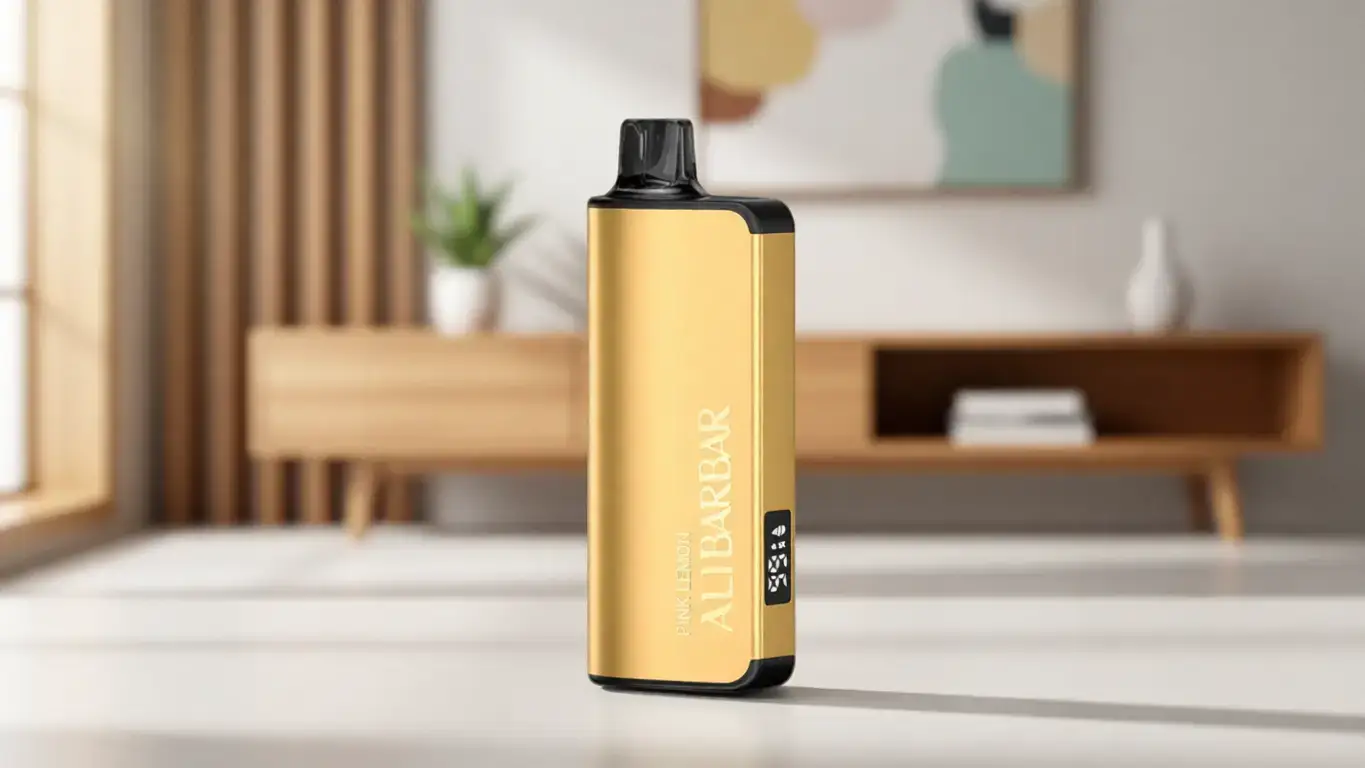
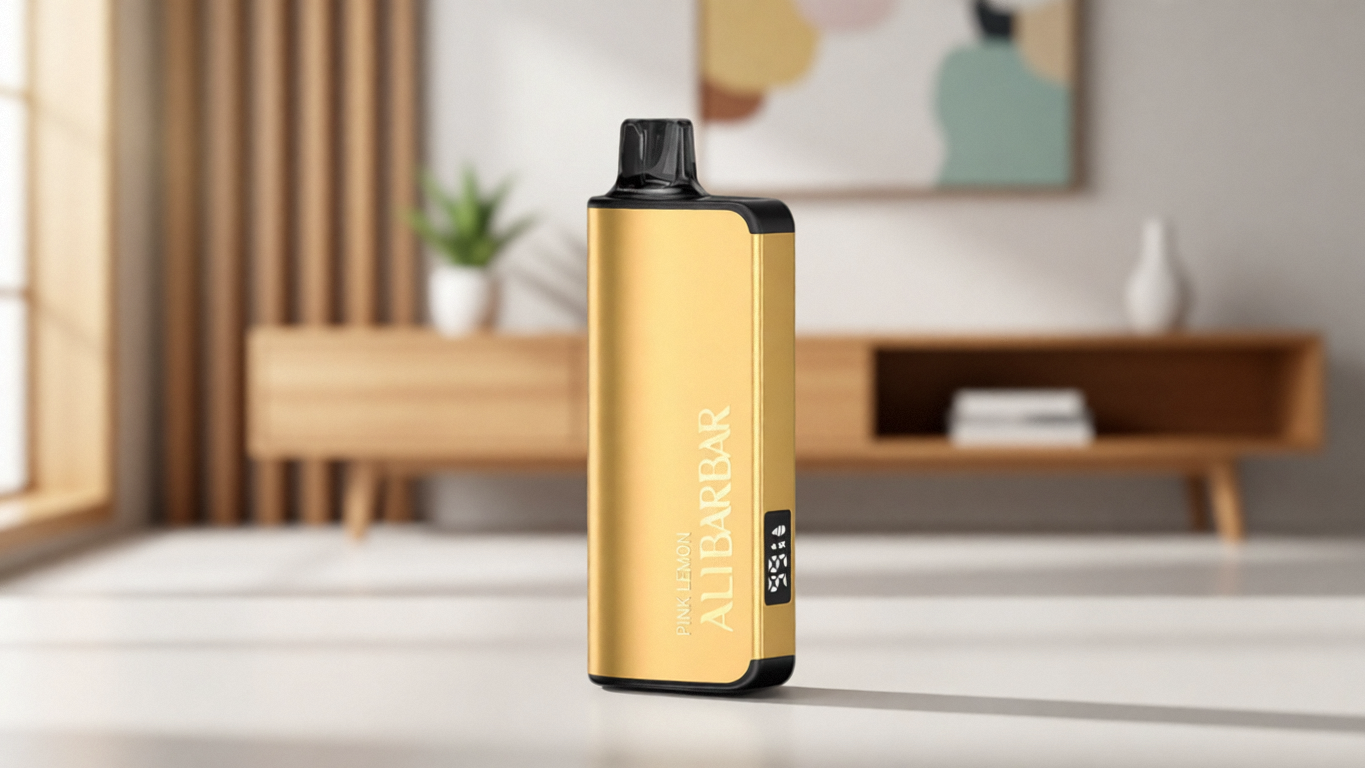
Talk of temperature curves and material science can feel abstract. Observing how a specific manufacturer has applied these principles makes them concrete. ALIBARBAR came into the market precisely because the people behind it were tired of devices that performed well on Day One and poorly on Day Ten. Their entire catalogue — including the widely referenced INGOT 9000, INGOT 15000, and Ice Adjust 12000 series — is built around the same few non‑negotiables: clear status indicators so you are never caught off‑guard by a depleted unit, power regulation that doesn’t drift as the charge diminishes, and heating elements engineered for predictable, even thermal distribution.
This focus on consistency is a direct answer to the user frustrations we hear most often. The person who told us, “I always carry two because I never know when the first one will die,” was describing a power‑management failure. The user who said, “By the end the taste is so harsh I think something is burning,” was experiencing the downstream effect of a coil that lost its thermal discipline. ALIBARBAR devices are not magic; they are simply engineered to avoid the drift that creates those experiences. They won’t produce tar because they never permit combustion, and they are designed to stay inside the envelope where that remains true.
None of this is to suggest perfection. No device can compensate for e‑liquids of unknown provenance or for usage patterns that ignore basic care. But when the hardware itself has been designed with thermal consistency as a priority, the risk of even degraded byproducts drops dramatically.
A Practical Framework for Evaluating Combustion‑Related Risks
If you’re holding a device in your hand — whether it’s an ALIBARBAR or something else — here is a simple evaluation sequence you can run, no engineering degree required.
Check the heating technology: Does the manufacturer specify a coil type (mesh, ceramic) and materials? Vague marketing language is a red flag; precise specifications are a sign the company is confident in its thermal design.
Look for status transparency: A device that tells you its remaining charge and pod level means you are less likely to push a depleted coil into a stressed state where it overheats.
Assess the materials: Is the mouthpiece medical‑grade? Are the seals intact? Do you notice any plastic‑like taste when the device is new? That can indicate solvents or plasticisers that, while not tar, are not welcome.
Consider lifecycle costs: A device with a replaceable pod or coil not only gives you a fresh heating surface; it also lets you amortise the cost of the power unit over many months. The temptation of a very cheap disposable often evaporates when you calculate cost per week of consistent use.
Watch for signs of thermal runaway: If a device becomes too hot to hold comfortably, or if the flavour shifts suddenly from clean to acrid, stop using it. That is not tar, but it is a signal that something in the thermal control chain has failed.
Using a framework like this shifts the question from “Does it have tar?” — which any properly functioning device will answer with a firm no — to “Is this device likely to maintain its no‑combustion promise for the full duration I need?” That is a much more useful question.
Common Mistakes Users Make — and What the Industry Isn’t Telling You
In observing how adult users navigate this category, a few patterns of thinking consistently lead to disappointment, wasted money, and occasional safety worries.
Equating all vapour devices with one another. The outer shell of a disposable can look nearly identical to a high‑quality pod system. Inside, the difference between a precision‑regulated circuit and a simple constant‑voltage board is night and day. Buying purely on price and visual similarity often means buying a device that will overheat within the first third of its e‑liquid capacity.
Overweighting puff counts and underweighting thermal stability. The industry competes on numbers — 9000 puffs, 15000 puffs — because big numbers are easy to advertise. A device that advertises 15000 puffs but loses flavour consistency after 3000 puffs because of coil degradation may actually deliver fewer satisfying uses than a well‑tuned 9000‑puff unit that maintains its thermal profile right to the end.
Assuming that “no tar” means “no risk.” The absence of tar is significant, but it does not grant a free pass. Inhaling any aerosol into the lungs introduces substances that are foreign to the body. The long‑term health impacts of chronic exposure to propylene glycol and vegetable glycerin breakdown products, even at low levels, remain an active area of research. This is not cause for alarm — it’s cause for staying informed, choosing quality hardware that minimises unnecessary thermal decomposition, and keeping perspective. A device from ALIBARBAR run within its intended temperature range will produce orders of magnitude fewer problematic compounds than a budget device pushed to its thermal limits.
Ignoring the cost of inconsistency. A device that flirts with overheating doesn’t just risk unpleasant sessions; it also shortens its own lifespan, forcing earlier replacement. Multiply that across a year, and the user who spends a little more upfront on a device with dependable temperature control often spends less in total. That is not marketing spin; it is observable in the purchasing patterns of repeat buyers at OZVAPE Shop.
The industry, for its part, has sometimes been slow to build the educational infrastructure that adult users deserve. Too much communication still leans on superlatives. We have found that when we replace “longest lasting” with “rated for X puffs under standardised test conditions, with consistent output within a ±5% temperature band,” users are not confused — they are relieved.
Frequently Asked Questions
Q: Does vapour contain tar?
A: No. Tar requires combustion of organic material. Vapour devices heat liquid without burning it, so they cannot produce tar.
Q: If there is no tar, why do some users report a harsh, burning‑like sensation?
A: That sensation is usually a result of a dry hit (insufficient liquid reaching the coil), a coil running too hot due to power instability, or a coil that has reached the end of its useful life. While unpleasant, it is not tar; it is a sign of thermal degradation that should prompt you to check the pod or coil.
Q: Can a cheap vapour device generate tar‑like substances?
A: No, it cannot generate genuine tar. Overheating can cause thermal breakdown of the e‑liquid, producing aldehydes such as formaldehyde and acetaldehyde, but the sticky residue characteristic of tobacco tar does not form. The health impact of those aldehydes is a separate concern, and one that underscores the importance of good thermal management.
Q: How does ALIBARBAR keep its devices from overheating?
A: Through a combination of calibrated coil geometries, consistent power output regulation, and wicking materials chosen to maintain proper saturation at the designed power levels. Devices like the INGOT series include status indicators that help you avoid depleting a pod to a point where the wick starves.
Q: Is nicotine itself related to tar?
A: No. Nicotine is a stimulant present in tobacco leaf and can be added to e‑liquid. Tar is a byproduct of burning. The two are chemically and physically unrelated.
Q: Are the flavourings safe if there is no tar?
A: Many flavourings are food‑grade and approved for ingestion, but their long‑term inhalation safety is still under evaluation by health authorities. The absence of tar does not automatically mean flavourings are risk‑free; it simply removes the largest single category of carcinogens found in cigarette smoke.
Q: What is the value of replaceable pods in terms of safety?
A: Replaceable pods allow you to install a fresh coil and wick at regular intervals, ensuring that the heating surface remains clean and the temperature control remains within specification. This prevents the gradual performance drift that can, over time, produce a harsher aerosol.
Q: Why buy ALIBARBAR devices from OZVAPE Shop rather than an unverified seller?
A: OZVAPE Shop stocks only factory‑certified inventory sourced through authorised distribution channels. This reduces the risk of counterfeit products — which often use inferior batteries and heating elements — and means you have a local point of contact if a device does not perform as documented.
Q: Do open‑system devices carry a greater risk of combustion than closed pod systems?
A: Not inherently. The risk is determined by the quality of the hardware and the user’s maintenance habits. A poorly maintained open system with a gunked‑up coil can overheat, just as a poorly designed disposable can. A well‑engineered device from a manufacturer that takes thermal regulation seriously will perform reliably regardless of form factor.
Q: What should I watch for to confirm a device is not overheating?
A: Consistent flavour, absence of acrid notes, a comfortable casing temperature during use, and clear status feedback indicating remaining charge and pod level. Any sudden change in these parameters warrants investigation.
A Clear Answer, and the Responsibility That Comes With It
The scientific and engineering reality is straightforward: a properly functioning personal vapour device does not produce tar. It cannot, because the temperature never reaches the threshold where combustion — and thus tar formation — becomes possible. That is a genuine point of differentiation from combustible cigarettes, and it deserves to be stated plainly, without weasel words.
But the more important lesson is that the absence of tar depends entirely on the device’s ability to maintain thermal discipline from its first use to its last. That ability is not distributed equally across every product on the market. It belongs to designs where temperature control is prioritised, power delivery is stable, and materials are chosen for function first and appearance second — the exact priorities you will find in the ALIBARBAR range, available on the Australian market through OZVAPE Shop.
Choosing a device is not about chasing the highest puff count or the most colourful packaging. It is about matching a piece of engineering to your real daily rhythm. If you do that — and if you use the straightforward evaluation framework we’ve outlined — you can answer the tar question definitively for your own situation, and you will likely spend less money over the long run in the process. That is the kind of outcome a responsible retailer should help you achieve, and it is the only kind of outcome we aim for.