
VAPE FAQs
Does Quitting Vape Make You Tired?

Oct
If you’ve recently stopped using a vape or are in the process of cutting down, and suddenly feel as though a heavy blanket of exhaustion has been draped over your days, you’re not imagining it. Fatigue is one of the most commonly reported, yet least discussed, physical responses during the early weeks of nicotine abstinence. It doesn’t mean you’re failing, and it rarely signals anything other than your body recalibrating to function without a stimulant it had come to rely on.
At OZVAPE Shop, we hear from many adults who are navigating this transition while still trying to understand what a “normal” response looks like. The information below draws on clinical research, documented withdrawal patterns, and real‑world observations to give you an honest, practical explanation of why quitting vaping can leave you feeling drained — and what you can do about it.
Why Nicotine Withdrawal Frequently Causes Fatigue
To understand the tiredness, you first have to understand what nicotine was doing before you removed it.
Nicotine as a Central Nervous System Stimulant
Nicotine binds to nicotinic acetylcholine receptors in the brain, triggering the release of a cascade of neurochemicals — most notably dopamine, norepinephrine, and acetylcholine. The result is a state of heightened alertness, improved concentration, and a slight suppression of appetite. Subjectively, many users describe this as “mental clarity” or a gentle energy lift. Over time, the brain adjusts, producing fewer of those neurotransmitters on its own because it has learned that nicotine will handle part of the workload.
When nicotine is removed, the brain’s natural production hasn’t yet fully recovered. For several days to weeks, you are operating with a neurotransmitter deficit that manifests as brain fog, difficulty sustaining attention, and — most relevant here — physical lethargy.
Dopamine Deficits and Motivation
Fatigue after quitting isn’t just about sleepiness. Much of it is tied to the role dopamine plays in motivation. A brain with temporarily lowered dopamine signalling interprets everyday tasks as more effortful. The result is the subjective sensation of having no energy, even though your muscles have not objectively weakened. You feel tired because your brain perceives that the cost of effort has risen.
Sleep Architecture Disruption
During active nicotine use, sleep architecture is altered. Nicotine shortens REM latency and can fragment deeper sleep stages, but because it provides a morning alertness boost, the sleep disruption often goes unnoticed. Once nicotine is gone, many people experience a rebound: vivid dreams, more awakenings, and a sense of non‑restorative sleep. Even if total hours in bed stay the same, sleep quality can dip sharply, leaving you fatigued the next day.
Comparing Fatigue Profiles Across Different Approaches to Cessation
How you stop vaping — and what, if anything, you use during the transition — materially changes the fatigue experience. Understanding these differences can prevent unnecessary discouragement.
Abrupt Cessation (Cold Turkey)
Stopping all nicotine intake at once produces the shortest but most intense withdrawal. Fatigue typically peaks between days 3 and 7, often accompanied by irritability, headache, and a sense of mental sluggishness. Many people report needing unexpected naps or feeling unusually heavy‑limbed. The advantage is that neurotransmitter recovery begins immediately, and some users notice a sharp rebound in energy during the third or fourth week.
Pharmacological Nicotine Replacement (Gum, Patch, Lozenge)
When nicotine is delivered through a prescribed‑rate patch or intermittent gum, the stimulant effect persists but is smoothed out. The result is usually less abrupt fatigue, but also a longer‑drawn‑out period of low‑grade lethargy as the brain slowly adapts to a lower and more predictable nicotine level. Users frequently describe a “flat” feeling that can last for months. The trade‑off is reduced craving intensity for many, but the fatigue never disappears entirely until the replacement is removed.
Gradual Reduction Using Vaping (Nicotine Taper)
Some adults choose to step down nicotine concentrations over a period of weeks or months before fully quitting. This method can blunt the severity of withdrawal‑related fatigue because the nervous system is given time to recalibrate at intermediate levels. However, the outcome depends heavily on device consistency. A vaporiser that produces erratic output — varying power, inconsistent aerosol density, or unexpected dry hits — introduces unpredictable spikes and troughs in nicotine delivery. That unpredictability can trigger more intense cravings than necessary and prolong the profound fatigue that accompanies fluctuating blood‑nicotine levels.
This is precisely the type of user frustration that OZVAPE Shop has studied extensively. Through its structured analysis of everyday pain points — devices that lose power without warning, ambiguous status indicators that leave the user guessing, inconsistent thermal management — the retailer has identified that even a well‑intentioned taper can be undermined by unreliable hardware. When a person cannot depend on their device to deliver what they expect, they often over‑consume or abandon their taper schedule, both of which can leave them more exhausted than if they had chosen a different strategy.
The Engineering Factors That Influence a Quit Journey
Fatigue during cessation is physiological. But the practical devices an adult uses during that journey — if they use any at all — can quietly support or sabotage the process.
Why Output Consistency Matters
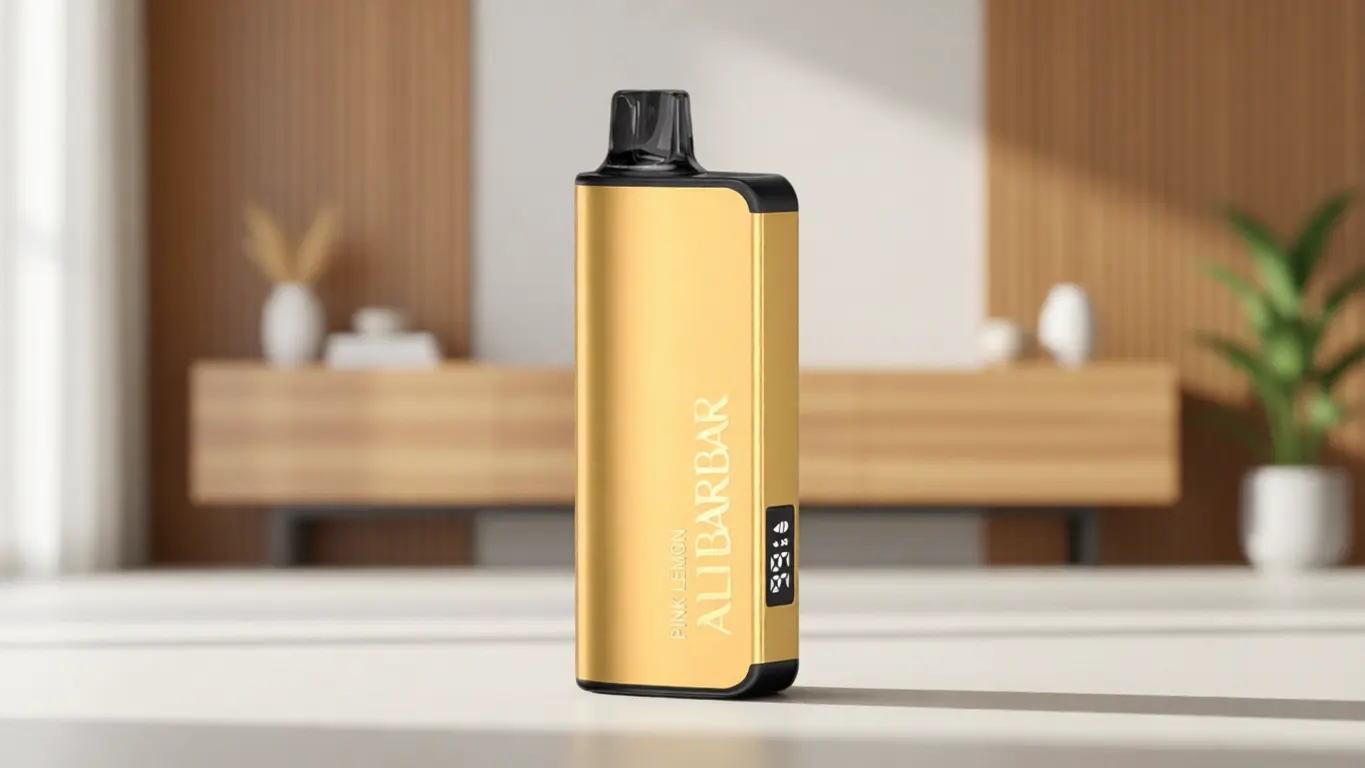
A vaporiser with precise power regulation and a heating element designed for uniform thermal distribution will deliver a consistent dose each time. In the context of a nicotine taper, that consistency allows the user to accurately lower intake without experiencing the energy‑draining shock of sudden under‑dosing. Modern device families like ALIBARBAR, available through OZVAPE Shop, are engineered with the principle of “no surprises” — the same draw force produces the same result from first activation to the final puff, which reduces the physiological stress of uncertainty.
Status Transparency and User Confidence
One of the recurring complaints OZVAPE Shop observed in its user frustration documentation was ambiguity about remaining power or liquid levels. When a device gives no clear feedback, the user compensates by carrying a backup or, worse, by taking extra draws “just in case,” inadvertently maintaining a higher nicotine intake than planned. Devices that communicate their state clearly — through accurate battery indicators and reliable liquid‑level visibility — remove that anxious compensation cycle, making it easier to stick to a reduction plan and, over time, to experience less fatigue from over‑consumption.
Material Durability and Daily Comfort
Fatigue affects decision‑making. When you’re already tired, the last thing you want is a device that demands attention — a mouthpiece that becomes uncomfortable after ten minutes, a surface finish that wears off in a pocket, or a connector that requires cleaning every charge cycle. Thoughtful industrial design, like the contoured mouthpieces and pocket‑ready finishes found across the ALIBARBAR range, eliminates a layer of low‑grade irritation that can compound feelings of exhaustion.
Practical Ways to Manage Fatigue During Vape Cessation
Regardless of which method you choose, there are concrete steps you can take to stay functional through the tiredness.
Prioritise sleep hygiene: Even if sleep feels less refreshing, protect your sleep window. Keep a consistent bedtime, reduce screen exposure, and avoid caffeine after midday. Your brain is rebuilding its sleep architecture; steady routines help.
Reframe effort as a signal of healing: The lethargy you feel is, in part, evidence that your hypothalamic‑pituitary‑adrenal axis is resetting. Treat it like muscle soreness after a workout — uncomfortable but productive.
Use short, intense physical activity: A brisk ten‑minute walk can temporarily boost dopamine and norepinephrine levels, cutting through the brain fog without requiring long exertion.
Stay hydrated and eat at regular intervals: Nicotine suppresses appetite and alters glucose metabolism. Without it, your blood sugar may dip more sharply three to four hours after a meal, triggering sudden exhaustion. Small, balanced snacks can stabilise energy.
Audit your device if you’re tapering: Ask yourself: “Does this device give me clear status feedback? Do I know exactly when it needs charging or replacing, or am I constantly guessing?” If the answer makes you uneasy, you are carrying additional cognitive load that amplifies fatigue.
The OZVAPE Shop Perspective: Why Informed Sourcing Reduces Stress
When OZVAPE Shop began examining the connection between device reliability and the quitting experience, the pattern was unmistakable. Adults who accessed factory‑certified products through an authorised supply chain reported fewer disruptions, less anxiety about authenticity, and — critically — lower rates of “quit and restart” cycles driven by unreliable hardware.
This isn’t a matter of brand preference. It’s a matter of documented operational discipline: inventory sourced exclusively from authorised distribution networks, standardised product specifications that allow direct comparison, and post‑purchase support provided by people who can respond with specific answers rather than generic reassurance. For someone already managing the physical fatigue of nicotine withdrawal, knowing that their equipment won’t introduce an extra variable removes a hidden but real emotional drain.
The ALIBARBAR collection, for instance, was designed around the principle that a device should eliminate the small, everyday irritations that erode satisfaction. Whether it’s an INGOT 9000 for predictable all‑day output or an Ice Adjust 12000 for precise airflow control, each product family shares a common engineering discipline: consistent thermal management, honest battery communication, and a reluctance to cut corners on materials. In the context of a taper, those qualities translate directly into fewer “bad sessions” that can derail progress and deepen exhaustion.
Frequently Asked Questions
Q: Is it normal to feel more tired after quitting vaping than when I was using nicotine?
A: Yes. Nicotine is a stimulant, and removing it reveals the underlying fatigue your body was masking. The tiredness typically improves significantly within three to four weeks.
Q: How long does the fatigue usually last?
A: Acute fatigue peaks in the first week, then gradually eases. Some residual low‑grade lethargy can persist for two to three months due to ongoing dopamine receptor upregulation, but the sharp, knockdown exhaustion rarely extends past day 14.
Q: Will switching to a lower‑nicotine vape reduce the fatigue when I eventually quit completely?
A: It can, because it softens the neurochemical adjustment curve. However, the benefit only materialises if the device delivers nicotine consistently. Inconsistent output can create mini‑withdrawal cycles that keep fatigue elevated.
Q: Can I rely on caffeine to fight the fatigue?
A: Caffeine may temporarily help, but many people find that their caffeine sensitivity increases after quitting nicotine. Over‑caffeination can worsen anxiety and disrupt sleep further, so moderate intake and avoid it after 2 PM.
Q: What should I look for in a device if I decide to taper?
A: Look for engineering that prioritises output consistency, clear status indicators, and a design that doesn’t require constant maintenance. A device you trust is one you don’t have to think about — and thinking less about the hardware frees mental energy for the quit itself.
Q: How do I know if a retailer is supplying authentic products?
A: Check whether the retailer openly states its sourcing practices. An authorised retailer, like OZVAPE Shop, will confirm that its inventory comes through factory‑certified channels and provide documentation on request. Transparency about the supply chain is the strongest signal of credibility.
Q: Does sleeping more help the recovery?
A: Extra sleep can support brain recovery, but many people find that the fatigue is more about motivation than true sleep need. Combining adequate rest with brief physical movement often works better than oversleeping.
Q: Is there a risk that fatigue is actually a sign of something else?
A: In most cases, it’s withdrawal. But if fatigue persists for more than two months or is accompanied by severe mood disturbance, significant weight changes, or other systemic symptoms, consult a healthcare professional to rule out other causes.
Conclusion
The fatigue that follows quitting vaping is a predictable, temporary, and ultimately productive biological process. It is the sensation of a brain rebuilding its capacity to manufacture alertness and motivation without external chemical assistance. Far from being a sign that something is wrong, it often indicates that the hardest work of recovery is already underway.
What will determine whether that fatigue derails your progress is rarely the tiredness itself — it’s the accumulated friction of small, practical frustrations. A device that fails without warning. A purchase from a source you’re unsure about. A taper plan abandoned because consistency wasn’t there. OZVAPE Shop’s entire operational model — from transparent sourcing to curated engineering that prizes consistency — was built to remove precisely those points of friction. Whether you’re still using a device or you’ve put it down for good, understanding where your product came from and what it was designed to do is a form of self‑care that directly supports the energy you’re trying to conserve.
The right choice is the one that matches your actual routine, not the one that sounds most decisive. If you are tired, listen to your body, give it time, and control the variables you can control — including the reliability of the tools you hold in your hand.