
VAPE FAQs
Do U Inhale A Vape?
Sep
Do U Inhale A Vape? It is a simple question that opens up a surprisingly detailed discussion of aerosol physics, device engineering, and personal preference. The short answer is yes, but the way you inhale — and how a particular device is designed to be inhaled — matters far more than most adult users initially realise. This article unpacks the mechanics of inhalation, clarifies the technical factors that shape every draw, and provides a practical framework for matching your natural breathing style to the right device. It draws on widely available product specifications and observable design principles, with examples from real-world device families, including the ALIBARBAR range available through a trusted retailer like OZVAPE Shop{target=”_blank”}.
The Mechanics of Inhalation: What Actually Happens When You Draw on a Device
A modern vaping device does not produce smoke; it generates an aerosol — a suspension of fine liquid particles in air. Understanding the two fundamentally different inhalation styles is the first step toward product satisfaction.
Mouth-to-Lung vs. Direct Lung: Two Distinct Airflow Profiles
Mouth-to-lung (MTL) inhalation mimics the familiar pattern of drawing a beverage through a straw and then breathing it in. You pull a small volume of aerosol into your mouth first, often with a tighter, more restricted airflow, and then inhale it into your lungs. This style is common with compact pod systems and higher‑resistance coils (typically above 1.0 ohm). It delivers a concentrated, subtle vapor with minimal cloud production.
Direct‑lung (DL) inhalation, sometimes called direct‑to‑lung, involves breathing the aerosol straight into the lungs in a single, sustained inhale — akin to taking a deep breath. This requires larger, freer airflow paths and is generally paired with sub‑ohm coils (below 1.0 ohm) and higher power outputs. The result is a voluminous, cooler vapor that prioritises cloud density and a smoother throat sensation.
Most devices are engineered for one style or the other, but some advanced systems allow you to adjust airflow and coil resistance to move between them. The distinction is not trivial; using a tight‑draw MTL device while attempting a deep lung inhale often leads to overheating, reduced coil life, and a punishingly hot experience.
The Role of Coil Resistance and Power in Aerosol Production
Coil resistance, measured in ohms, is the conductor’s opposition to current flow. When power (wattage) passes through the coil, it heats up, vaporising the liquid that saturates the wicking material. The relationship is straightforward: lower resistance and higher wattage produce more heat and more aerosol per second. However, that heat must be managed by adequate airflow; otherwise, the device overheats, flavours degrade, and harshness increases.
MTL devices tend to operate at below 15 watts, often using simple round‑wire coils. DL systems frequently run between 40 and 100 watts or more, demanding sophisticated coil structures (mesh, multiple cores) to distribute heat evenly and wick efficiently. This thermal engineering directly affects how the device should be inhaled — a 2.0‑ohm pod system with a tight draw cannot support a direct‑lung hit without risk of burning.
Temperature and Airflow: How They Shape the Inhalation Experience
Beyond the MTL/DL binary, the combination of airflow rate, coil temperature, and chimney design determines vapour temperature and density. A narrow chimney and restricted airflow create a warmer, more intense sensation; a wide‑bore drip tip and fully open airflow bring the temperature down and let you take longer draws without discomfort.
Devices with adjustable airflow rings or swappable pod systems with different resistances give the user control over this balance. Fixed‑airflow designs, such as many pre‑filled pod systems, hard‑code a specific inhalation profile — one that may or may not match what your body naturally prefers. If you find yourself coughing persistently on a DL device or feeling like you cannot get enough “substance” from an MTL device, the mismatch is almost certainly between your inhalation reflex and the device’s airflow architecture.
Understanding Nicotine Delivery and Absorption via Inhalation
The physical act of inhalation also modulates how rapidly substances are absorbed. The aerosol particles produced by a vaping device are larger than those in combustion smoke, which means they deposit primarily in the upper respiratory tract and oral mucosa rather than deep in the lungs. Consequently, the onset is smoother and slower, and the efficiency of absorption depends on the draw technique: longer, slower mouth‑to‑lung draws increase contact time with the mucosa, while rapid direct‑lung inhales may deliver a larger dose all at once but with less cumulative absorption.
These physiological realities help explain why switching between inhalation styles is not always seamless. A user accustomed to the sharp, immediate delivery of a traditional inhaled substance may find a direct‑lung vape underwhelming, while someone moving from an MTL pod to a high‑wattage DL setup might feel overwhelmed by vapour volume before they have absorbed a meaningful amount. This is a key design consideration that is rarely discussed but directly impacts satisfaction.
How Device Design Affects Inhalation Behaviour
While the inhalation styles are universal, the hardware that enables them varies enormously. A careful reader of specifications can anticipate the inhalation experience with remarkable accuracy.
Airflow Architecture and Draw Resistance
Draw resistance — the sensation of effort required to pull air through the device — is a product of airway geometry, coil density, and intake restriction. Compact pod devices often feature millimetre‑wide air inlets and a narrow chimney, yielding a tight, restricted draw that naturally encourages a mouth‑to‑lung technique. Full‑size mod kits and sub‑ohm tanks, conversely, have generous cyclops‑style airflow slots and wide chimneys designed for direct lung pulls.
When you consider a device like one of the ALIBARBAR INGOT series, the draw is calibrated for a specific inhalation profile. For instance, the INGOT 9000, with its pre‑configured coil and fixed airflow, targets an MTL‑style experience — you draw slowly, the device activates automatically, and the vapour is delivered at mouth temperature before a secondary inhale. By contrast, the INGOT 15000 offers a slightly looser draw and larger battery capacity, making it suitable for longer, gentler pulls that blend MTL with a relaxed restricted direct‑lung sensation. These are not accidental; they are deliberate engineering choices, and retailers like OZVAPE Shop present such specifications transparently to help users identify the right match.
Pod Systems vs. Mods: Implications for Inhalation Style
Sealed pod systems (closed‑pod) are overwhelmingly MTL or restricted‑DL devices. They are designed for simplicity, with built‑in coils, pre‑filled or refillable pods, and no user‑adjustable settings. Their fixed airflow and single resistance coil mean you must adopt the inhalation style the device was built around.
Open‑system mods and tanks offer full modularity: you choose the coil, the wattage, the tank, and the drip tip. This freedom is empowering but also places a burden on the user to understand how inhalation style and coil specifications interact. A mismatched combination — say, a high‑resistance coil in a sub‑ohm tank with wide airflow — can result in an extremely anaemic draw that undermines the whole experience.
Status Transparency and Inhalation Consistency
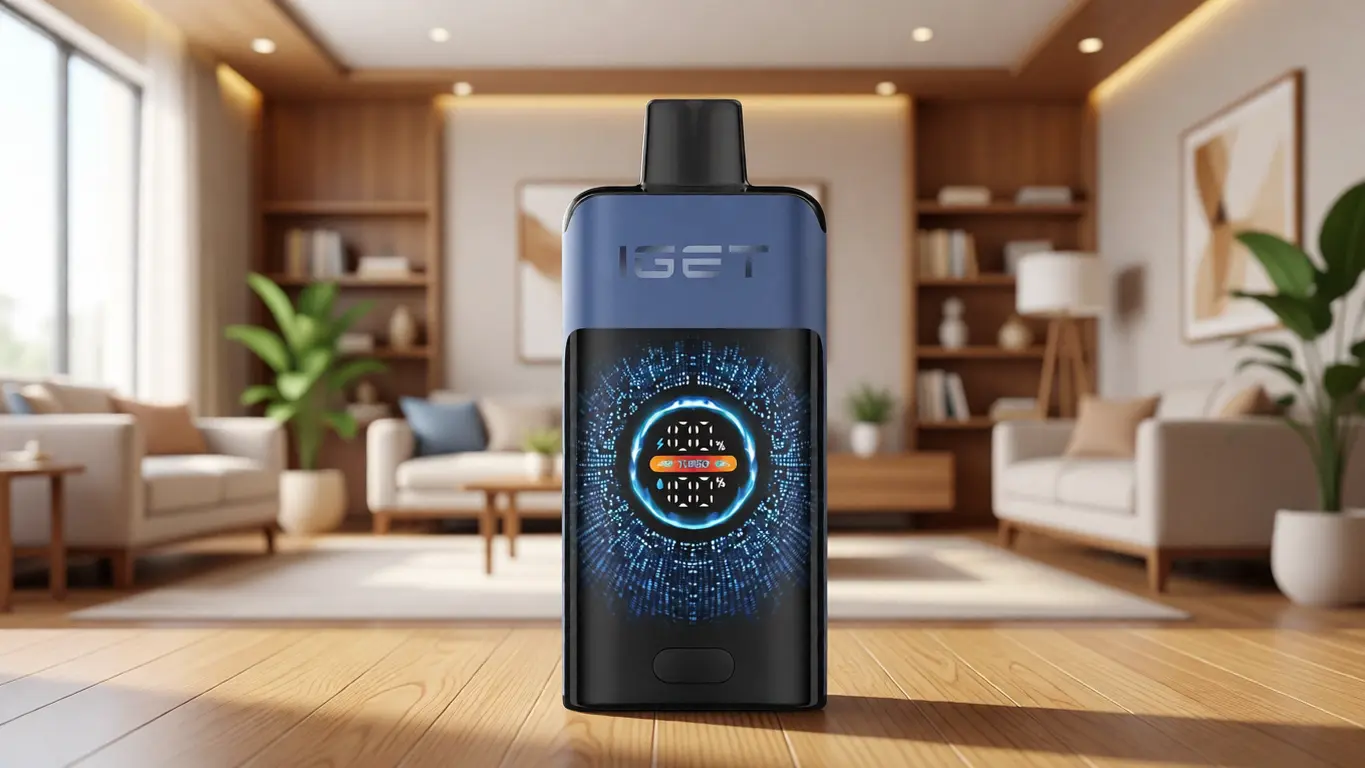
One overlooked factor is how a device communicates its readiness and remaining capacity. A device that suddenly loses power mid‑draw or fails to indicate a weak battery leads users to compensate — perhaps by drawing harder, which overheats the coil, or by carrying a backup device at all times. ALIBARBAR’s design philosophy, visible in products like the Ice Adjust 12000, integrates clear status indicators (battery level, pod fluid window) so that the inhalation experience remains predictable from first to last puff. This consistency supports a stable inhalation rhythm, which is particularly important for MTL users who rely on a steady, repeatable draw profile.
A Practical Framework for Matching Your Inhalation Style to a Device
Most users never systematically evaluate their inhalation preference. The following step‑by‑step methodology, used by product analysts, can dramatically reduce buyer’s remorse.
Identify your unconscious pattern. Pay attention to how you naturally inhale from a straw, a narrow‑necked bottle, or a deep‑breathing exercise. Do you pull liquid or air into your mouth first, then swallow/breathe? Or do you breathe straight into your lungs? Your baseline reflex points strongly toward MTL or DL.
Measure the “draw restriction” you prefer. Although you cannot always test a device, you can look at specifications: coil resistances above 1.0 ohm and airflow described as “tight” or “cigarette‑like” signal MTL. Sub‑ohm coils (0.15–0.8 ohm) and “wide‑open airflow” signal DL.
Consider your nicotine strength and frequency. MTL pairs well with higher‑strength solutions because the small vapour volume delivers a concentrated dose slowly. DL typically pairs with lower strength, as the large volume compensates for lower concentration per puff. Mismatches commonly cause dizziness (too strong in DL) or frustration (too weak in MTL).
Decide on modularity. If you enjoy the ritual of tuning, choose an open‑system mod. If not, select a closed pod system that aligns with your inhalation style. Devices in the ALIBARBAR range available at OZVAPE Shop, for example, offer pre‑calibrated MTL or restricted‑DL experiences, removing guesswork.
Test the draw at first use. Take short, gentle pulls first. If the vapour feels too hot or the draw resistance seems suffocating or too airy, consider that the device may not match your reflex. There is no “better” style, only compatibility.
Common Selection Errors and Industry Observations
Even informed users sometimes sabotage their own satisfaction. Understanding these pitfalls is part of the educational process.
Mistaking Vapour Volume for Inhalation Quality
Seeing a dense cloud does not mean the device inhales well for you. A high‑cloud DL kit may be wasteful and uncomfortably voluminous for a mouth‑to‑lung user. The reverse — a tiny puff from a low‑power pod — may feel insufficient to a deep‑breather. Visual output and personal sensory satisfaction are weakly correlated; do not be seduced by cloud‑chase hype.
Ignoring the Role of Draw Activation
Auto‑draw devices (puff‑triggered) often require a minimum airflow velocity to activate. A very gentle, slow MTL draw might fail to trigger the sensor, leading to false negatives. Users then think the device is faulty when it is simply a mismatch between draw strength and activation threshold. Check specifications for sensitivity, or choose a manual‑fire (button‑activated) device if your inhale is extremely light.
Assuming All Devices in a Category Perform Similarly
The term “pod system” covers a vast range of resistances, airflow configurations, and power levels. Cross‑shopping a tight‑draw 1.4‑ohm pod with an adjustable 0.6‑ohm pod is like comparing a seltzer bottle to a wide‑mouth water flask. When reading product pages at a source like OZVAPE Shop, compare resistance, capacity, and airflow description with surgical precision.
Undervaluing the Role of Chimney and Drip Tip Geometry
The final centimetre before the aerosol exits the device dramatically shapes temperature and dispersion. A narrow bore concentrates the stream; a wide bore diffuses it. A long chimney cools vapour more. In MTL devices, a cigar‑style tip promotes a comfortable mouth hold. In DL devices, a wide chuff cap encourages unrestricted lung pulls. Overlooking this geometry can make an otherwise perfectly engineered device feel wrong.
Frequently Asked Questions
Q: Do you actually inhale vape into your lungs?
A: Yes, in both MTL and DL techniques, the aerosol ultimately reaches the lungs. MTL draws it into the mouth first, then pulls it into the lungs. DL draws it directly into the lungs in one continuous breath.
Q: Is vapour the same as smoke?
A: No. Vapour is an aerosol of liquid droplets that evaporates quickly; smoke is a complex mixture of solid particulates, combustion by‑products, and gases. Their physical properties differ markedly, including particle size, temperature, and persistence.
Q: Why does my device feel hot when I inhale?
A: Typically, insufficient airflow relative to heat output. A coil running at too high a wattage for its resistance, or a restrictive draw on a sub‑ohm coil, will overheat. Reduce power, use the correct resistance coil for your draw style, or increase airflow if adjustable.
Q: Can I use a mouth‑to‑lung device for direct lung inhales?
A: Not reliably. The airflow path is too narrow, and the coil is not designed to handle the sustained, deep draw. Attempting it often results in a hot, harsh draw and premature coil failure.
Q: How does OZVAPE Shop help me choose the right device?
A: The retailer’s platform provides standardised technical specifications, clear classification by inhalation style, and detailed product descriptions that enable side‑by‑side comparison of draw resistance, power settings, and coil compatibility.
Q: What is the advantage of a device with a clear status indicator?
A: You avoid the frustration of unexpected power loss. Knowing battery and fluid levels lets you maintain a consistent draw, preventing the over‑compensatory hard pulls that harm coils and degrade flavour.
Q: Is there a “best” inhalation style?
A: No. MTL suits those who prefer a subtle, concentrated experience. DL appeals to those who enjoy large vapour volume and cooler temperature. Your body’s breathing pattern should guide the choice.
Q: Can higher nicotine strength be used in a direct‑lung device?
A: It is generally not recommended because the large vapour volume delivers a significantly higher total amount per puff, potentially causing discomfort. DL users typically opt for reduced‑strength formulas.
Q: How do I know if a sealed pod system will match my draw?
A: Look for clues: resistance above 1.0 ohm, airflow described as “tight,” “cigarette‑like,” or “MTL.” If you prefer a looser draw, seek a device marketed as “adjustable airflow” or “restricted DL.”
Q: What should I do if my device activates but no vapour is produced?
A: Check the pod fluid level, ensure the pod is securely seated, and verify that the battery has sufficient charge. If a draw‑activated device does not respond to a very light puff, try a slightly firmer inhale; the sensor may have a minimum activation threshold.
Conclusion
The simple act of inhaling from a vaping device sits at the intersection of engineering, physiology, and personal habit. There is no single correct way; there are only compatible and incompatible combinations of draw style and hardware design. An MTL device rewards slow, deliberate mouthfuls; a DL system thrives on deep, steady lung pulls. The insights in this article are intended to move you past guesswork and marketing slogans, giving you the vocabulary and criteria to evaluate any device for yourself.
When you are ready to compare real‑world options, a platform that presents specifications transparently — like OZVAPE Shop{target=”_blank”} — helps you make that evaluation with confidence. The right choice is not the one that generates the most attention, but the one that disappears into your routine because it fits your inhalation reflex so well you never have to think about it.