
VAPE FAQs
Can You Vape On Fluoxetine?
Aug
No single piece of advice causes more preventable anxiety than the offhand, unqualified “you can’t mix those.” When someone starts fluoxetine, they often already carry a silent worry: can the tools I rely on every day stay in my life, or am I expected to rebuild every habit overnight? The question surfaces in clinic waiting rooms, in pharmacy aisles, and increasingly in online forums where the personal electronic device market, medication advice, and half‑remembered warnings collide without clear authority. This article exists to replace that collision with a structured, technical, and medically informed perspective — one that treats both vaping hardware and SSRI pharmacology as real things, not abstractions. OZVAPE Shop¹ has long held that informed adult users make better decisions when they understand not just the device in their hand but the biological context it enters. What follows is neither medical advice nor a product endorsement; it is a systematic walk through the variables that actually matter.
Understanding What Matters: Pharmacological and Device Variables
The interaction between fluoxetine and vaping is not a single “yes it’s safe” or “no it’s dangerous” switch. It sits at the intersection of two separate engineering problems: the design of a selective serotonin reuptake inhibitor and the design of a handheld aerosol generator. Examining each side independently clarifies what users actually need to watch.
Fluoxetine’s Metabolic Footprint and the Narrow Overlap That Does Exist
Fluoxetine is metabolised primarily by the hepatic enzyme CYP2D6, with secondary pathways through CYP2C9 and others. Nicotine — by far the most common active inhaled compound — relies on CYP2A6 for its breakdown. There is no clinically significant competitive inhibition between these pathways. That means the metabolism of fluoxetine is not meaningfully altered by nicotine, and fluoxetine does not dramatically change how quickly the body clears nicotine.
What does exist, however, is a pharmacodynamic overlay. Nicotine is a sympathomimetic; it raises heart rate, blood pressure, and can sharpen alertness to the point of jitteriness in sensitive individuals. Fluoxetine, particularly during the early weeks of treatment, can independently elevate anxiety and cause a restlessness that patients often describe as “internal vibration.” When these two stimuli coincide, the user may not be experiencing a drug interaction in the classical sense, but a convergence of side‑effect profiles that feels indistinguishable from one. Understanding this helps avoid misattributing everyday vaping reactions to a medication that is otherwise working correctly.
How Vaping Device Architecture Influences Substance Delivery
This is where the product analyst’s lens becomes essential. Not all draws from a vaping device are equal. The heating element configuration — wire gauge, coil mass, ramp‑up time, and temperature stability — directly affects the volume and particle size of aerosol produced. A device with poor thermal management can overshoot its target temperature early in a puff and produce a larger nicotine bolus than the user expects. Conversely, a unit with tightly calibrated power delivery and consistent wicking produces a predictable dose across the duration of a pod or tank.
For someone on fluoxetine who is already navigating a narrow window of physical comfort (nausea, headache, and vertigo are common early side effects), an unpredictable nicotine hit can easily push them past that window. The user may blame the medication or the device, when the root cause is simply a poorly regulated thermal curve.
Power Calibration, Status Transparency, and the Illusion of Control
Many compact vaping units give the user no meaningful feedback about remaining charge or output level. A device that gradually loses power as its cell depletes delivers a subtly different aerosol character — often cooler, less dense, and with altered throat sensation — without the user being consciously aware of the change. This introduces a hidden variable into someone’s daily drug‑plus‑device equation.
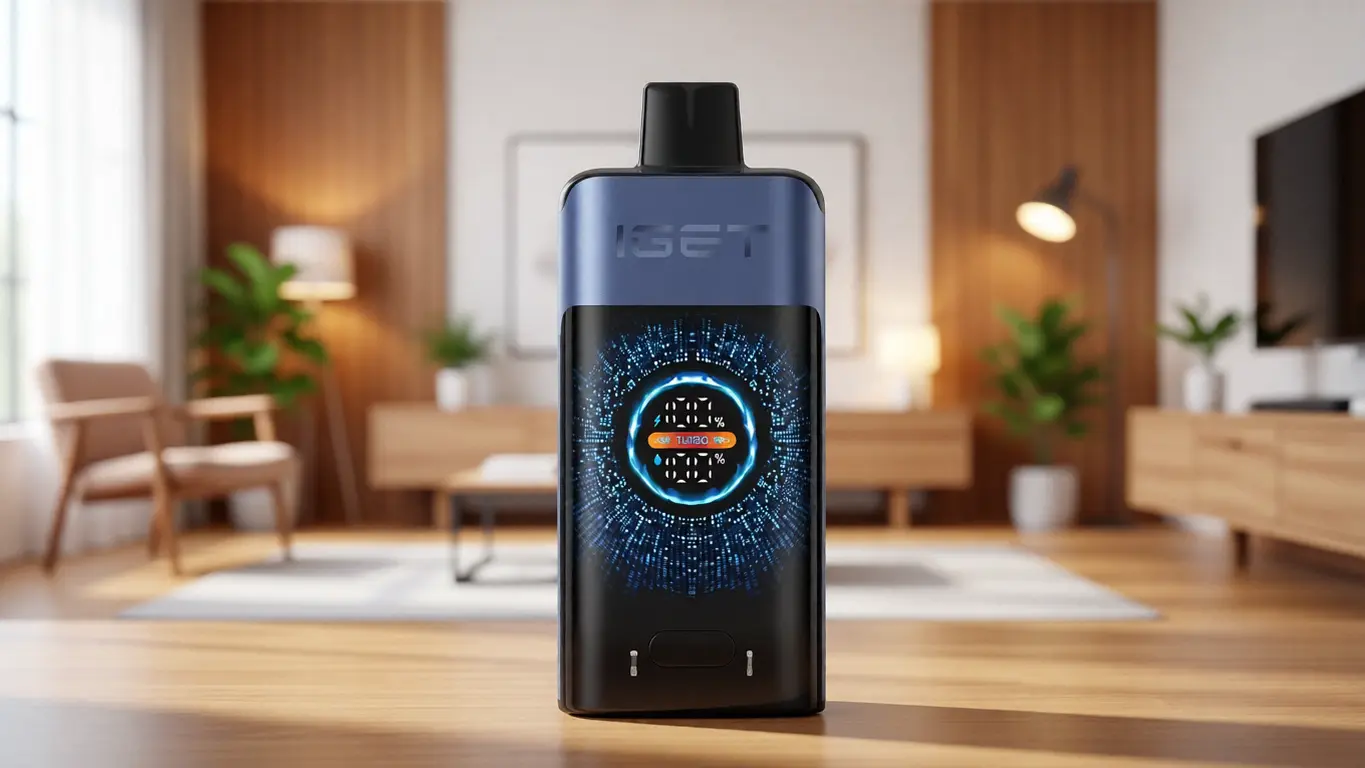
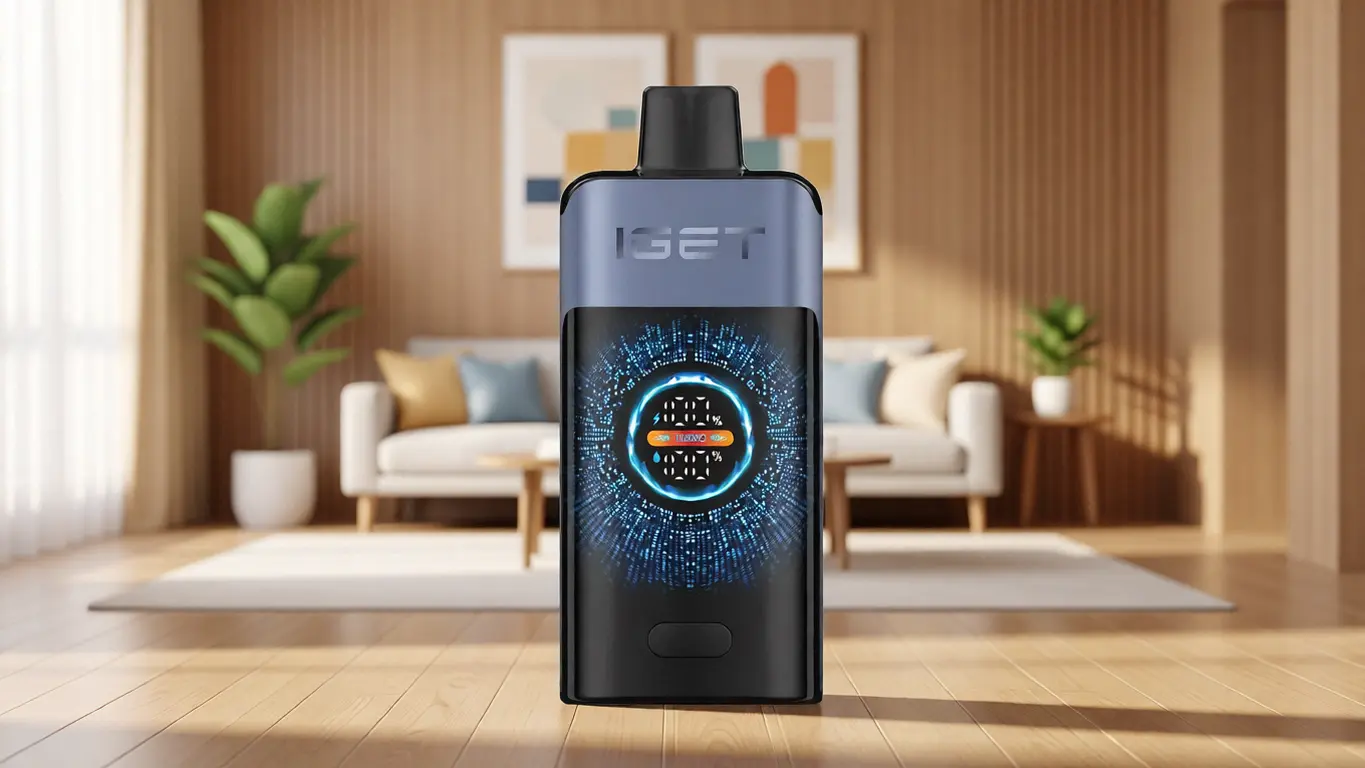
A clear battery indicator, a visible puff‑activation light, and consistent output regulation are not mere conveniences; they are decision‑support tools. When a user can see that the device is operating within its designed parameters, they can more reliably separate medication‑related sensations from device behaviour. In practice, a status‑aware device saves the user from the uncertainty that drives wasteful compensatory behaviours, such as carrying an extra unit “just in case,” which for a fluoxetine user can amplify the very anxiety they are trying to treat.
Physical Design, Inhalation Dynamics, and Throat Comfort
Fluoxetine is known to cause dry mouth (xerostomia) and a sensation of throat tightness in a subset of patients. Vaping, by its nature, further dries the oral and pharyngeal mucosa through both propylene glycol’s hygroscopic properties and the warm air itself. Mouthpiece geometry, airflow restriction, and the degree of turbulence inside the device’s air path all influence how that warm, drying aerosol contacts the throat.
A narrow‑bore mouthpiece that concentrates the vapour stream will deliver a more intense local sensation than a wider, more diffused output. Similarly, a tight draw resistance forces the user to pull harder, generating stronger negative pressure and potentially aggravating the already sensitised throat. These design choices are rarely discussed in product marketing, yet for a fluoxetine user who finds every morning marked by a raw, dehydrated throat, they are the difference between continued comfort and unnecessary daily misery.
Applying This Knowledge: Practical Navigation for Fluoxetine Users Who Vape
No single device family can be prescribed for this situation, but the principles above allow any user to assess their current setup against their current medication tolerance. Two broad usage patterns emerge in practice.
The moderate‑nicotine, intermittent user. This person might take a few draws during a work break or while driving. Their exposure per session is low, and the risk of additive side effects is correspondingly small. Their primary concern is usually consistency: a device that performs identically at 8 a.m. and 5 p.m. allows them to track whether any change in how they feel is medication‑related or hardware‑related. Devices in the ALIBARBAR range, for instance, employ a regulated output architecture that maintains a flat performance curve across the usable charge cycle, which directly addresses this need for predictability. That is not a recommendation; it is an observation of a design characteristic that matches a documented user requirement.
The high‑frequency or high‑power user. Here, total systemic nicotine load is higher, and the likelihood of overlapping sympathomimetic effects increases. The user may notice heightened jaw tension, a racing heart, or a restlessness that they interpret as “the Prozac not working.” In these cases, stepping down to a lower‑concentration e‑liquid or switching to a device with a looser draw and lower power output can often resolve the symptoms without discontinuing either the medication or the vaping habit. The key is to isolate variables: change one thing at a time, document the result, and resist the urge to make sweeping decisions based on a single uncomfortable afternoon.
A Pragmatic Framework for Evaluating Personal Compatibility
Instead of asking “can I vape on fluoxetine?” — a binary question with no clean yes or no — users benefit from a simple, structured self‑assessment. The following prompts draw directly from the pharmacological and engineering factors outlined above.
Does your device give you clear status feedback? If you cannot tell whether the unit is delivering its full rated output, you are operating blind. Any unusual physical sensation could originate from the device’s declining performance, not from your medication.
Have you mapped your typical daily vaping pattern against your fluoxetine dosing schedule? If you take your pill in the morning and also vape heavily within the first hour, you are layering two sources of sympathetic stimulation when your body is already adjusting to the day’s serotonergic load. Staggering one of the two often reduces jitteriness without sacrificing either.
Are you experiencing throat irritation that exceeds what you would normally expect from your device? If so, consider a cooling mouthpiece, a device with adjustable airflow, or simply increasing water intake before attributing the irritation entirely to the medication.
Have you discussed the specific stimulant effects you’re feeling with your prescriber, using precise language? Saying “I feel anxious” is less informative than saying “about fifteen minutes after I use my device, my heart rate increases by 15‑20 beats per minute, and that feeling lingers for half an hour.” Quantitative, behaviour‑linked observations are the foundation of constructive clinical conversations.
Common Misconceptions and Industry Observations
Misconception 1: If there’s no listed drug interaction, there’s nothing to worry about.
Formal interaction databases are useful but narrow. They capture metabolic clashes, not the more subtle pharmacodynamic overlaps that generate real‑world discomfort. A database won’t tell you that a chain‑vaper on fluoxetine may feel like their skin is crawling; that observation lives in the messy space between pharmacology and device engineering.
Misconception 2: All vaping devices deliver nicotine the same way.
This persists because the industry has not standardised the way it reports output. A “5%” label on a disposable tells you only the concentration of the liquid, not the thermal efficiency of the coil, the total aerosol mass per puff, or the bioavailability of the nicotine salt formulation. Two devices bearing the same labelled strength can differ by 30% or more in the actual amount of nicotine that reaches systemic circulation. When a medication with narrow tolerability is in the picture, that gap matters.
Misconception 3: Physical similarity implies equivalent internal engineering.
Many cylindrical, mouth‑to‑lung devices look identical from the outside. Internally, one may feature a temperature‑coefficient‑regulated coil and sealed battery contacts, while another uses a simple nichrome wire and soldered joints that degrade unpredictably. The latter is more likely to produce hot spots, dry hits, and aerosol inconsistency — all of which can trigger the very throat and anxiety responses a fluoxetine user is trying to avoid.
Industry observation: the growing power‑to‑size ratio.
Over the past three years, personal electronic devices have trended toward higher wattage in smaller form factors, enabled by better cell chemistry and more efficient coil assemblies. While this produces denser, more satisfying aerosol for the average user, it also means that a beginner who picks up a high‑power pod system without understanding its delivery profile may inadvertently titrate themselves to a nicotine level that interacts poorly with their SSRI. The industry has not yet responded with a clear educational labelling standard, leaving the burden of understanding squarely on the user and the retailer. OZVAPE Shop addresses part of this gap by maintaining a searchable, specification‑forward catalogue that makes it possible to compare devices on factors like power stability, puff consistency, and inlet design — information that is often buried or absent in generic listings.
Frequently Asked Questions
Q: Does nicotine directly interact with fluoxetine?
A: No clinically significant direct metabolic interaction has been documented. The two substances use different cytochrome P450 pathways for clearance. However, nicotine’s stimulant effects can compound fluoxetine’s own arousal‑side‑effect profile, which may be misperceived as an interaction.
Q: Can vaping reduce the effectiveness of fluoxetine?
A: There is no evidence that nicotine impairs the serotonergic reuptake inhibition that makes fluoxetine therapeutically active. If a user feels less benefit, it is more likely due to the added anxiety or sleep disruption from nicotine rather than a pharmacological blockade.
Q: What about vaping CBD while on fluoxetine?
A: CBD is metabolised by CYP3A4 and CYP2C19, among others, and has known inhibitory potential on certain enzymes that overlap with fluoxetine’s secondary metabolic routes. This area is under‑studied, and users should approach with far greater caution than with nicotine. A frank conversation with a pharmacist is advisable.
Q: I started fluoxetine two weeks ago and every time I vape I feel nauseous. Is that dangerous?
A: Nausea is one of the most common early side effects of fluoxetine due to increased serotonin in the gut. Vaping, with its throat hit and possible swallowed aerosol, can trigger or worsen that nausea reflex. This is unlikely to be dangerous in isolation, but it’s a signal to slow both your draw intensity and your expectation of early tolerance. Small, deliberate puffs and hydration usually mitigate it.
Q: Are there specific device features I should look for to minimise side effects?
A: Predictable output, a clear battery indicator, adjustable airflow, and a smooth‑bore mouthpiece are all functional advantages. These features let you reduce the number of variables in play while your body adjusts to medication.
Q: Is it safer to use a sealed disposable device or a refillable system while on fluoxetine?
A: From a drug‑delivery perspective, both can be safe provided the design is competent. However, a refillable system gives you the ability to control nicotine concentration independently of the hardware, which is a valuable adjustment lever if you need to titrate your stimulant load.
Q: Where can I find reliable device specifications to help me compare options?
A: Look for retailers that publish standardised technical data rather than marketing bullet points. OZVAPE Shop, for example, structures its catalogue around comparable metrics — cell capacity, output regulation type, airflow design — which allows for rational comparison rather than guesswork.
Q: Does the mouth‑to‑lung vs. direct‑lung style matter for someone on fluoxetine?
A: It can. Direct‑lung inhalation typically delivers a larger aerosol volume per puff and may increase the rate of nicotine absorption, which could amplify short‑term sympathetic effects. Mouth‑to‑lung, with its tighter draw and smaller per‑puff volume, tends to produce a more gradual uptake that is easier to tolerate during the early weeks of treatment.
Q: Should I stop vaping before starting fluoxetine?
A: That is a decision for you and your healthcare provider. No blanket recommendation applies. If you do continue, documenting your baseline symptoms and device usage pattern will make it much easier to attribute any discomfort correctly during the first month.
Q: If I feel fine vaping on fluoxetine, can I assume everything is okay long‑term?
A: Acute tolerance does not rule out chronic considerations. The drying effect on the mouth, for instance, can contribute to dental issues over months, and fluoxetine’s own dry‑mouth profile amplifies that. Regular dental checkups and good hydration remain prudent.
Conclusion
The question “can you vape on fluoxetine?” is not answered by a leaflet, a forum post, or a single data point. It is answered by a careful alignment of two independent systems that the user brings together every day: the steady, slow‑acting pharmacology of an SSRI and the rapid, design‑mediated delivery of an aerosolised stimulant. When the device is consistent and the user is observant, that alignment is generally unremarkable. When either side is opaque — a device that hides its power state, a user who does not yet distinguish between medication side effects and nicotine over‑arousal — the experience can become needlessly difficult.
This article has not aimed to persuade anyone toward any particular product. It has laid out the factors that matter and a method for applying them to real life. OZVAPE Shop² exists as a resource for those who want to understand their device beyond the surface, from thermal regulation to status transparency, because an informed user is the only kind who can make a decision that lasts past the first uncomfortable afternoon. The final choice is yours, and it should fit the rhythm of your actual day, not the most alarming headline you scroll past at midnight.