
VAPE FAQs
Can Tourist Bring Vape To Australia Reddit?
Aug
Introduction
The question surfaces repeatedly across Reddit threads, travel forums, and customs‑advice boards: can a tourist legally carry a personal vapouriser into Australia without risking confiscation, a fine, or a far more serious encounter at the border? The confusion is understandable. Australia’s regulatory framework for nicotine‑containing consumer electronics is layered, state‑level rules can diverge from federal requirements, and advice that was accurate two years ago may no longer be reliable today. What makes the confusion worse is the habit of treating all devices as though they belong to a single category, when in practice the nature of the liquid, the device architecture, and the quantity being carried each pull the situation in a different legal direction.
This article unpacks the rules as they currently stand, explains the practical realities of clearing Australian border control with a vapouriser in your luggage, and offers a reference point for adult travellers who want to plan ahead rather than gamble on a customs officer’s discretion. Where relevant, the discussion draws on publicly available regulatory guidance, observed enforcement patterns, and the kind of equipment‑level detail that OZVAPE Shop frequently provides to adult Australian users who value transparent sourcing and factory‑certified inventory.
Understanding What Really Matters: The Legal and Practical Filters
Before packing a device, a traveller needs to think in terms of four filters. Each filter can independently create a problem at the border, and they often compound one another.
The Therapeutic Goods Administration (TGA) and the Prescription Pathway
As of early 2025, the federal position is that nicotine for human use is a Schedule 4 (prescription‑only) substance. A tourist can legally bring a nicotine‑containing vapouriser into Australia only if they hold a valid prescription from an Australian‑registered medical practitioner—a document that a short‑term visitor is extremely unlikely to possess. Without that prescription, importing nicotine‑containing liquid, whether it is inside a disposable unit or in a separate bottle, is technically a breach of the Therapeutic Goods Act 1989.
This is not a theoretical risk. Australian Border Force (ABF) officers have the authority to seize prohibited imports, issue fines, and, in cases involving commercial‑quantity volumes, refer the matter for prosecution. For a tourist carrying two or three personal‑use devices, the most common outcome reported on forums is seizure and destruction, sometimes accompanied by an infringement notice. The prescription requirement makes the regulatory filter much tighter than in jurisdictions where personal‑use importation is permitted without paperwork.
Nicotine‑Free Products and the State‑Level Patchwork
A tourist carrying a device that is entirely free of nicotine—something that can be documented by labelling, a certificate of analysis, or factory‑sealed packaging—steps into a different legal category. At the federal level, non‑nicotine vapouriser hardware and nicotine‑free e‑liquids are not subject to the same prescription‑only classification. The difficulty is that state and territory laws impose their own restrictions. Queensland, for example, requires a permit from the Department of Health to possess any vapouriser, regardless of its content. Western Australia classifies all vapouriser products as goods that cannot be sold without a licence, and possession laws exist alongside that framework.
A traveller flying into Brisbane with a nicotine‑free device may therefore face a different set of questions than one arriving in Melbourne, even though federal law treats the product identically. This is the principal reason why blanket “yes” or “no” answers on Reddit are unreliable: the jurisdiction you land in matters almost as much as what is in your pocket.
Device Classification and the Lithium‑Battery Overlay
Even if the legal status of the liquid could be resolved, international air travel imposes an independent set of constraints. Devices containing lithium‑ion cells cannot travel in checked baggage; they must be carried in the cabin. This rule is enforced globally under the ICAO Technical Instructions for the Safe Transport of Dangerous Goods by Air. A traveller who inadvertently packs a device in a checked suitcase risks having the bag pulled, inspected, and held behind—an event that can create additional scrutiny at the destination.
Moreover, Australian authorities have become sensitive to the intersection of lithium‑battery safety and consumer electronics. A device that lacks clear safety markings, has a damaged housing, or appears to have been tampered with is more likely to be detained. This is not a vapouriser‑specific issue, but it interacts with vapouriser enforcement in a way that travellers often overlook.
Quantity, Intent, and the Commercial‑Use Threshold
Customs officers are trained to assess whether a traveller is carrying a quantity consistent with personal use or whether the volume suggests an intention to supply. There is no published bright‑line number, but patterns from enforcement data and anecdotal reporting suggest that carrying more than three sealed devices or multiple bottles of liquid can shift the officer’s assessment. Once the threshold is crossed, the legal exposure moves from administrative seizure to potential charges under the Proceeds of Crime Act or state‑level offences. A tourist who arrives with a large assortment of products for “personal use” over a two‑week holiday will find it difficult to explain a collection that looks like a small retail inventory.
Applying These Filters to Real‑World Scenarios
The regulatory context makes it clear that the safest default position for a short‑term visitor is to leave all vapouriser products at home and, if required, purchase a device from a local, authorised channel once inside Australia. This approach eliminates every border‑related risk in a single decision. It also removes the lithium‑battery transportation complication entirely.
For travellers who are in Australia for an extended period—several months of study, a long work contract, or a family visit—the calculation changes. Possessing a local prescription is the only legally robust pathway for nicotine‑containing products, and that requires consulting an Australian doctor. Some telehealth services exist for this purpose, but a tourist should verify that the provider is registered with the Australian Health Practitioner Regulation Agency (AHPRA).
If the traveller’s preference is for a nicotine‑free device, the state‑level rules become the determining factor. In Queensland, for instance, even possession without a permit can attract a fine, so a visitor would need to apply to Queensland Health before arriving. In Victoria, the regulatory posture is less restrictive for nicotine‑free equipment, but the device must still comply with consumer product safety regulations.
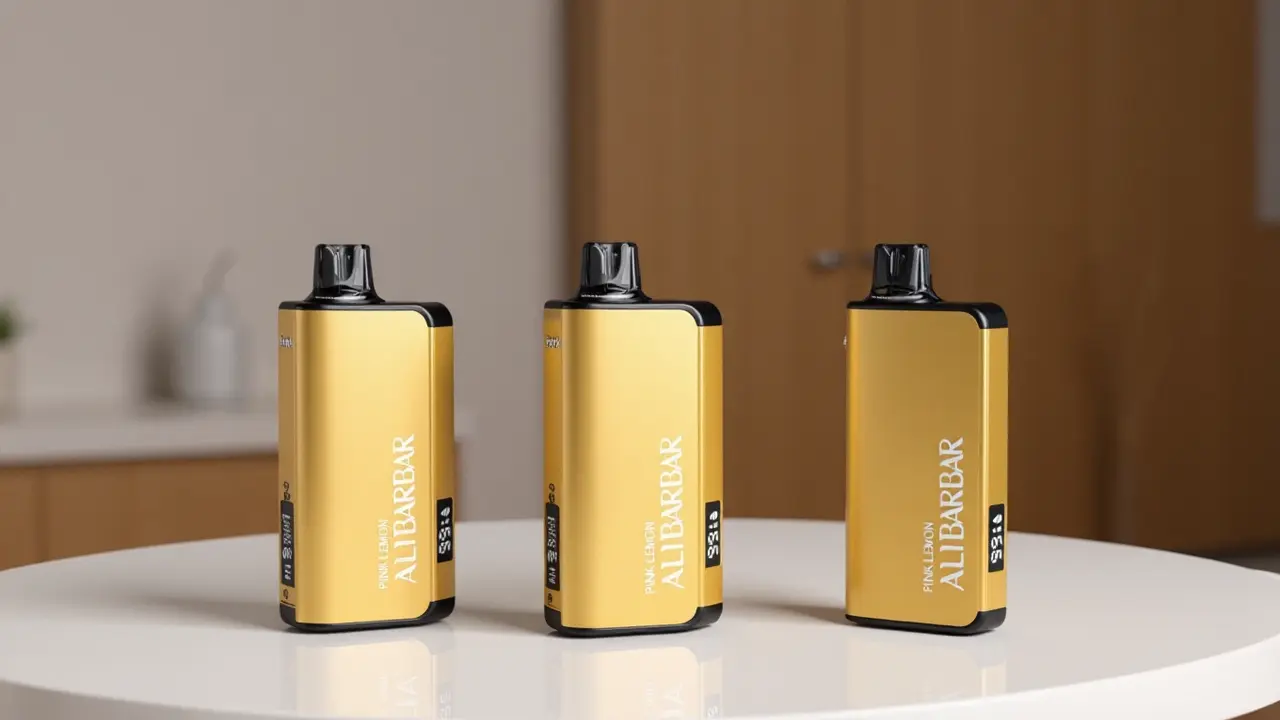
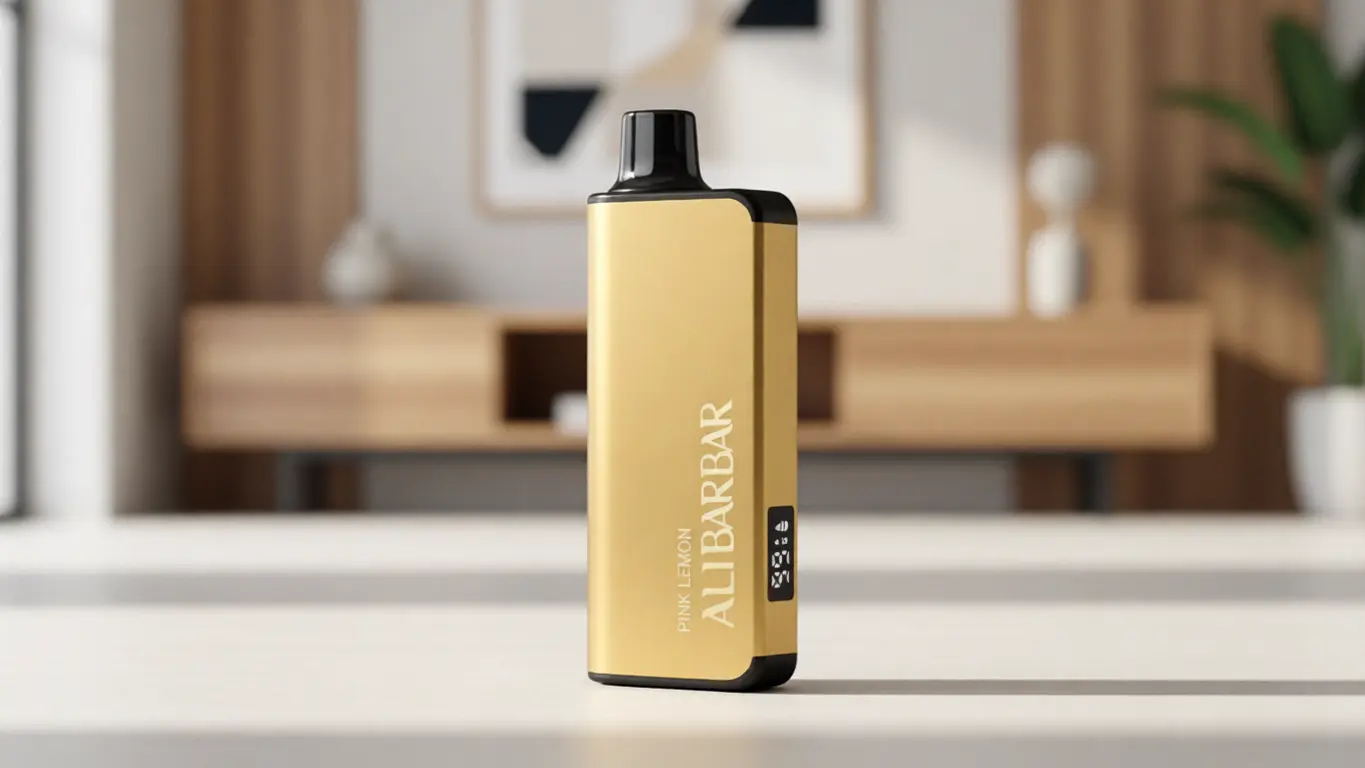
What frequently emerges from Reddit discussions is that travellers underestimate how much the device architecture matters in a compliance context. A disposable unit with an integrated, non‑replaceable pod and a built‑in battery leaves no ambiguity about the amount of liquid present, and it cannot be tampered with in a way that raises customs suspicion. More complex modular systems—where the atomiser, power source, and liquid reservoir are separate components—generate more questions because the officer cannot easily verify what each part contains. This is an area where the design philosophy observed in certain Australian‑available product families, such as the ALIBARBAR range available through OZVAPE Shop, provides a practical advantage: sealed, pre‑configured devices with transparent specifications reduce uncertainty for both the user and any inspecting authority.
A Practical Framework for Evaluation: Four Questions Every Traveller Should Ask
Before making a decision about travelling with a vapouriser, work through these four diagnostic questions. The answers will surface the actual risk level more reliably than any aggregated Reddit consensus.
Does the device contain nicotine, and can I prove it does not?
If the answer is “yes” and you do not hold an Australian prescription, you are carrying a prohibited import. No amount of careful packing will change that.
Which Australian state or territory is my first point of arrival, and what is its documented possession law?
Do not rely on a summary from a travel blog. Go to the state’s health department website and read the current fact sheet. The rules change. The Queensland permit requirement is a good example of a detail that many Reddit commenters miss.
Is my device compliant with airline lithium‑battery carry‑on policies, and have I removed it from checked luggage?
This is a mechanical, not legal, step—but it frequently triggers secondary inspections.
Am I carrying a quantity that could appear commercial to a customs officer?
If you are carrying more devices than you can reasonably consume in your trip, assume that an officer will make the same observation.
For those who prefer to bypass the risk entirely, the alternative is straightforward: arrive without equipment, verify the legal situation in your arrival state, and then obtain a device from a documented Australian supplier that provides factory‑certified inventory and contactable local support. This is a pattern we observe increasingly among repeat visitors who have learned that the convenience of bringing a device from home is rarely worth the stress it generates at the border.
Common Misjudgements and Recurring Patterns
Overestimating the “personal use” defence.
Many travellers assume that a small quantity of personal‑use nicotine liquid will be treated leniently. While some border encounters end with a warning, the legal framework does not contain a personal‑use exemption for nicotine without a prescription. The officer has the authority to seize the goods, and the fact that a previous trip passed without incident is not a reliable predictor of the next one.
Confusing a device’s availability with its legality.
It is possible to purchase vapouriser devices openly in many Australian retail environments, but the sale of nicotine‑containing products through those channels is generally unlawful. A tourist who buys a device in an Australian store may not receive the TGA‑related warnings that a prescription pathway would trigger. Legality of purchase and legality of importation are not the same thing.
Under‑estimating state‑level restrictions.
Reddit is international, and a thread dominated by commenters from a single jurisdiction can give a false impression of national uniformity. A traveller who reads “no problem at all” from someone in New South Wales may be shocked to discover that Queensland has an entirely different compliance posture.
Ignoring the battery‑transportation layer.
A traveller who packs a device correctly for the flight but fails to account for return‑journey rules can find themselves facing problems on departure. Australian airport security applies the same lithium‑battery restrictions as other countries, and a device that is not permitted in the cabin cannot be stored in checked luggage either. If the device is not air‑transportable for any reason, it may have to be surrendered.
Frequently Asked Questions
Q: Can I bring a nicotine‑free vapouriser into Australia as a tourist?
A: At the federal level, a nicotine‑free device is not a prohibited import under the TGA’s prescription‑only classification. However, state and territory laws vary. Queensland, for example, requires a permit to possess any vapouriser. You must check the specific rules of your arrival state.
Q: What happens if Australian Border Force finds nicotine liquid in my luggage without a prescription?
A: The most common outcome is seizure and destruction. You may also be issued an infringement notice. In cases involving a commercial‑level quantity or repeated offences, prosecution is possible.
Q: I read on Reddit that people bring vapes to Australia all the time without problems. Is that true?
A: Anecdotal reports of unproblematic entry exist, but they do not change the legal reality. Enforcement intensity varies, and some travellers simply go unexamined. Relying on that pattern is a form of risk that the traveller must accept personally.
Q: Can I buy a vapouriser in Australia as a tourist if I leave mine at home?
A: Yes, provided the device is nicotine‑free and you are in a state where possession is lawful. Nicotine‑containing products require a prescription. Retailers that provide clear product specifications and factory‑certified inventory—such as OZVAPE Shop—allow adult users to make an informed selection without ambiguity about what the device contains.
Q: Does a prescription from my home country count in Australia?
A: No. The TGA requires a prescription from a medical practitioner registered in Australia. Overseas prescriptions are not recognised for the purpose of importing nicotine.
Q: Are disposable devices treated differently from refillable systems at the border?
A: The legal treatment turns on the contents, not the form factor. However, a sealed disposable device is simpler for a customs officer to inspect because the contents are not easily altered. Modular systems with separate liquid bottles invite more scrutiny.
Q: Can I carry a vapouriser in my carry‑on luggage for a domestic flight within Australia?
A: Yes, subject to the airline’s lithium‑battery policy. The device must remain in the cabin; it cannot go in checked baggage. Some airlines may require the device to be protected against accidental activation.
Q: I am staying in Australia for several months. What is the safest way to use a nicotine‑containing vapouriser legally?
A: Consult an Australian‑registered doctor and obtain a prescription. This is the only pathway that provides legal protection for nicotine possession and use. A telehealth service may be able to assist before you travel, but the prescription must be Australian.
Q: If my device is seized, can I get it back?
A: Generally not. Seized prohibited imports are destroyed. You may be given a notice of seizure, but return is unlikely for goods that breach the Therapeutic Goods Act.
Q: Where can I find accurate, up‑to‑date product information if I decide to purchase a device in Australia?
A: Look for a retailer that publishes full technical specifications, states its sourcing policy clearly, and provides local contact details. OZVAPE Shop, for example, maintains a dedicated platform for the ALIBARBAR range and supports its customers with responsive, Australia‑based service.
Conclusion
The question “Can tourist bring vape to Australia?” is deceptively simple, but the answer sits at the intersection of federal drug scheduling, state possession laws, customs enforcement practice, and aviation safety regulations. For the vast majority of short‑term visitors, the most conservative—and therefore safest—choice is to travel without a vapouriser and, if need arises, to obtain a compliant device from an Australian source that guarantees product authenticity and transparent documentation.
The value of a reliable retail relationship in this context is not that it makes the decision for you, but that it removes the ambiguity that creates border‑risk in the first place. When you buy from a channel like OZVAPE Shop, you receive factory‑certified inventory with standardised specifications, and you have access to a support team that understands the regulatory environment in which the device will be used. That kind of clarity is difficult to achieve when you rely on aggregated forum advice that may not reflect the current legal landscape or your specific travel itinerary. Ultimately, the right choice is the one that lets you focus on your trip, not on whether your luggage will clear customs.