
VAPE FAQs
Can You Vape On Cruise?
Jul
You have booked the cruise, sorted your itinerary, and packed for days at sea. Then a quiet uncertainty surfaces: can you use your device without breaching a rule you have not yet read? A search yields forum threads that contradict each other, and the cruise line’s contract of carriage runs to thousands of words. The confusion is understandable. Onboard policies are written for a mass audience, not for the precise scenario of an adult carrying a portable electronic vaporiser.
This article separates fact from assumption. It explains how major cruise operators treat personal vaporisers, where they permit use, what happens when enforcement kicks in, and how to prepare before you board. While OZVAPE Shop ensures adult users have access to factory‑certified devices with transparent specifications, the regulatory environment on a ship is a separate layer that demands its own attention. The goal here is to give you the framework to answer the question definitively for your specific sailing, without guesswork.
Understanding Cruise Line Vaping Policies: The Core Factors
Behind every cruise line’s written policy sits a small set of operational and legal constraints that determine what you can actually do on deck. Understanding these constraints makes the policies readable and predictable.
Official Policies and How to Read Them
Cruise lines classify personal vaporisers alongside traditional tobacco products. This means the same spatial rules apply: vaping is permitted only in designated smoking areas. Royal Caribbean, Carnival Cruise Line, Norwegian Cruise Line, MSC Cruises, and Princess Cruises all publish variations of this principle. The language used in guest conduct policies rarely names vaporisers explicitly; instead, they use umbrella phrases such as “smoking products” or “electronic cigarettes” buried in a single paragraph.
The practical takeaway: if you cannot light a cigarette in a given space, you cannot use a vaporiser there either, even if the device produces no lingering odour. The absence of smoke is not considered a meaningful distinction by shipboard safety officers.
Designated Areas and Their Real-World Constraints
Every ship sets aside specific outdoor zones—often on one side of a designated deck, sometimes in a section of the casino or a nightclub. The number and location vary by vessel and are typically marked on deck plans. On newer ships from Royal Caribbean, you might find a comfortable, ventilated smoking lounge; on older tonnage, it may be a corner of a windswept promenade.
What users frequently miss is that balcony vaping is almost universally prohibited. Norwegian Cruise Line’s official policy makes it explicit: “Smoking on stateroom balconies is strictly prohibited, and this includes electronic cigarettes.” The fine for a first offence can range from $250 to $500, applied directly to the guest’s onboard account. Repeat violations may lead to disembarkation at the next port, with no refund and the cost of repatriation borne by the passenger.
Consequences Beyond Financial Penalties
The immediate charge is only the beginning. Cruise lines share serious breach records with port authorities and may flag a guest in their booking system, complicating future travel. Confiscation of the device and any spare components is standard. If the act triggers a fire alarm—yes, a dense cloud from a high‑powered device can set off optical sensors—the resulting crew response, potential evacuation procedures, and delay can expose you to civil liability far beyond the fine printed in the ticket contract.
Carry‑On Rules and Battery Safety
Regardless of where you plan to vape on board, how you bring the device onto the ship is not negotiable. International maritime safety codes and airline‑style security screening require that all lithium‑ion battery‑powered devices travel in your carry‑on luggage, never in checked bags. The same applies to spare batteries: they must be in your hand baggage, terminals insulated. Cruise terminals screen bags with X‑ray equipment; a battery pack in a checked suitcase will likely result in the bag being held, delaying your embarkation and possibly seeing the item removed and discarded.
Liquids present in pods or refillable cartridges should be packed in compliance with the cruise line’s hand‑luggage liquid limits—typically 100ml containers in a clear resealable bag—matching the standards of aviation security. Even though you are boarding a ship, the terminal screening is modelled on airport practice.
How Different Cruise Lines Handle Vaping in Practice
Once you internalise the “designated area only” principle, the differences between operators become a matter of convenience and enforcement style rather than fundamental permission.
Royal Caribbean: Designated smoking areas are marked on deck plans. Some ships also offer a casino section where vaping is allowed. Enforcement on balcony violations is strict, and the line has publicly noted fines starting at $250.
Carnival Cruise Line: Allows vaping in designated exterior zones and in the nightclub for those who have reached the legal age. Vaping in staterooms or on balconies is explicitly prohibited, and staff are trained to recognise the distinct cloud from a vaporiser, even when odour is neutral.
Norwegian Cruise Line: Its coding is blunt: electronic cigarettes are treated as smoking products, and guests are directed to the outdoor smoking areas and the designated cigar lounge. No indoor exceptions outside that space.
MSC Cruises: Generally aligns with the industry pattern, but some of its ships in the Mediterranean have a more relaxed culture on open decks in warm weather; however, the written policy remains unbending. Do not rely on a lax enforcement you may have seen reported.
Disney Cruise Line: Extremely rigid. There are no indoor vaping areas anywhere outside the clearly marked external smoking sections. The family‑oriented environment means detection often leads to a swift, firm conversation with security.
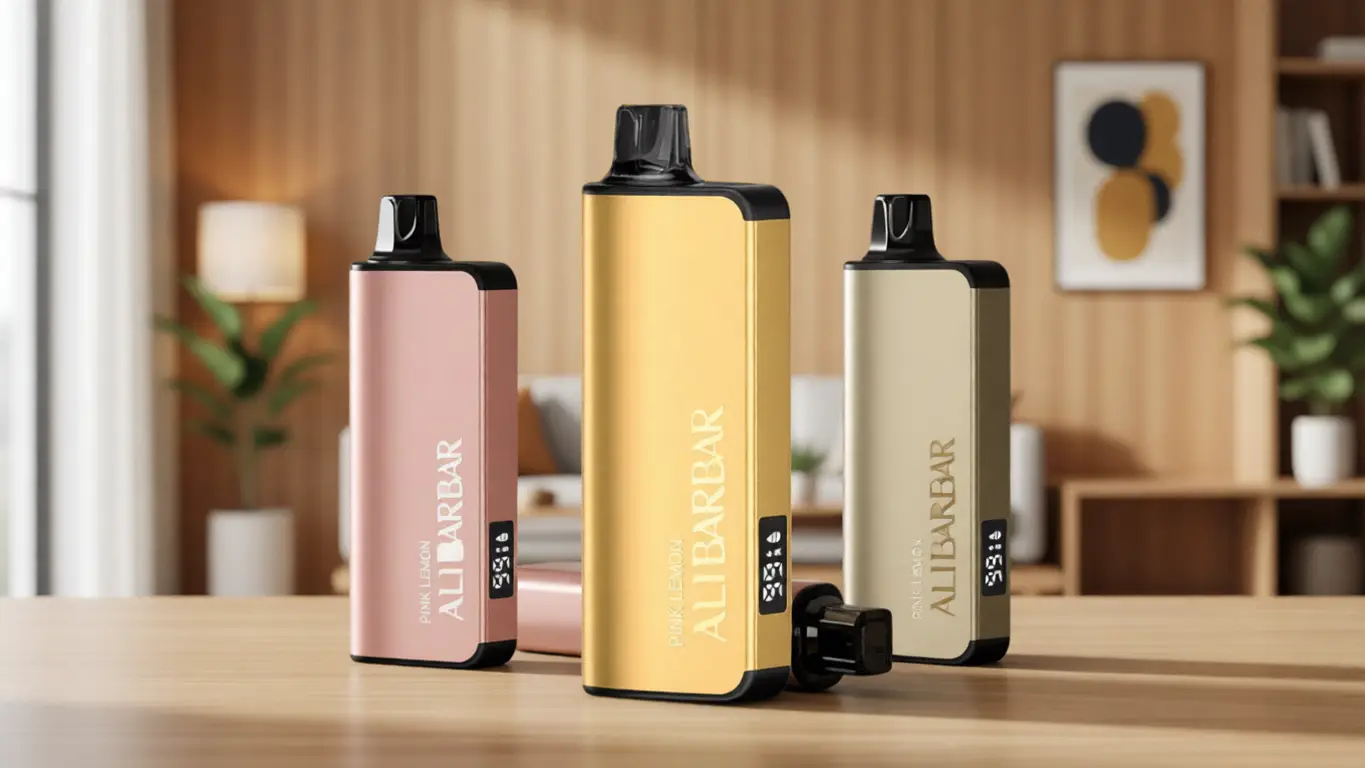
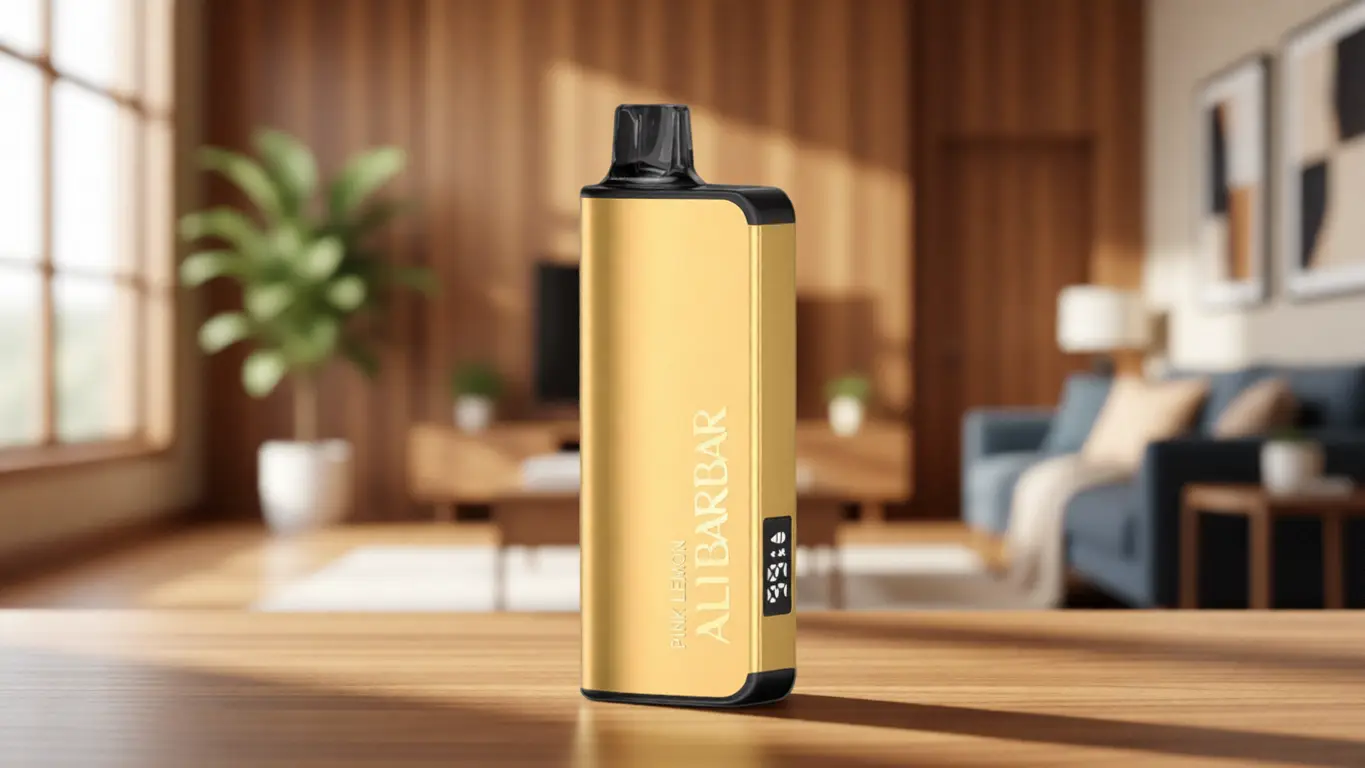
For the traveller, the most practical move is to locate the specific deck plan for the ship you will board. These are typically available as PDFs on the cruise line’s website, with smoking zones labelled. If your device is compact and visually unobtrusive—something like the ALIBARBAR INGOT 9000 from OZVAPE Shop, which fits comfortably in a closed palm—you may draw less casual attention when moving to and from the designated area. But that does not change the rule: use it only where permitted.
A Practical Framework for Your Next Sailing
This checklist moves you from uncertainty to a documented position you can rely on.
Download the cruise line’s guest conduct policy from the official website. Search inside the PDF for “smoking,” “electronic cigarette,” and “vaping.” Save a copy offline.
Obtain the deck plan for your specific vessel. Highlight every designated smoking zone. Write down the deck number and the side of the ship (port or starboard).
Contact customer service if the policy mentions “electronic cigarettes” only generally and you want to confirm that your device type is covered. Use email so you have a written record.
Prepare your carry‑on correctly: device in a protective case, spare batteries in individual insulating pouches, e‑liquid in a 100ml‑compliant bag.
Set a personal rule: never use the device anywhere you would not light a cigarette, even if the space feels private. The most common infraction—the balcony—is also the most heavily surveilled.
Check local laws for each port of call. Vaping is illegal in some countries entirely; in others, it is restricted by nicotine content. When you step ashore, you step into that jurisdiction.
Common Mistakes and Industry Observations
In our discussions with adult users who travel regularly, several patterns recur. Avoiding them will save you more than money.
Over‑reliance on a single specification: Some travellers assume that because their device produces minimal visible aerosol, it will pass unnoticed. Crew are trained to detect the LED glow and the characteristic shape of a vaporiser, not just the cloud.
Balcony assumptions: The perception that a balcony is a private outdoor space leads to the single largest category of fines. Balconies are treated as extensions of the stateroom for fire safety purposes, and smoke detectors are occasionally installed there or immediately inside the sliding door.
Packing batteries in checked luggage: This remains the most common preventable cause of delayed luggage on embarkation day. It is also a genuine fire risk, and responsible retailers like OZVAPE Shop include appropriate battery safety documentation with every shipment—precisely because the travel rules are so widely misunderstood.
Confusing category terminology with technical permission: A “disposable” device still contains a lithium‑ion cell and must travel in hand luggage. The word “disposable” relates to the product lifecycle, not to its regulatory classification.
From an industry perspective, cruise operators are not relaxing their stance. As ships become larger and more densely occupied, the emphasis on predictable fire‑suppression protocols grows. The harmonisation of policies across major groups (Carnival Corporation owns Carnival, Princess, Holland America, and others) means that what you read for one line in a group tends to apply consistently.
Frequently Asked Questions
Q: Can I vape in my cruise ship cabin?
A: No. All major cruise lines prohibit the use of personal vaporisers inside staterooms. This includes suites and cabins with balconies.
Q: Can I bring a vaporiser on a cruise at all?
A: Yes. Bringing the device is permitted as long as it is carried in your hand luggage, batteries are protected, and e‑liquids meet the line’s liquid restrictions. Use, however, is restricted to designated outdoor smoking areas.
Q: Are there cruise lines that allow vaping anywhere outdoors?
A: Currently, no large‑scale commercial cruise line permits unrestricted vaping. Even on open decks, you must be inside a marked, designated smoking zone.
Q: What happens if I am caught vaping in a non‑designated area?
A: Expect a cleaning fee (often $250–$500) and confiscation of the device until the end of the voyage. Repeat violations may lead to the passenger being removed from the ship at the next port, at their own expense.
Q: Can I bring spare e‑liquid on board?
A: Yes, provided the containers are 100ml or smaller and packed in a clear resealable bag, matching the security screening protocols.
Q: Is vaping allowed on cruises that stop in countries where vaping is banned?
A: The cruise line’s onboard policy is independent of port laws, but you must obey local regulations when you leave the ship. Using a vaporiser in a country where it is illegal can lead to fines, confiscation, or arrest by local authorities.
Q: Do cruise ships sell vaporising products?
A: In almost every case, no. Ships with retail outlets may sell tobacco products, but personal vaporisers and e‑liquids are extremely rare. Passengers are expected to bring their own supply. OZVAPE Shop is an option many Australian travellers use to stock travel‑friendly devices before departure, but the shop is land‑based.
Q: How should I pack my vaporiser for a cruise?
A: Device in carry‑on, battery switched off or with the pod disconnected if possible, spare batteries in insulating cases, e‑liquids in your liquid bag. Do not check any lithium‑ion device.
Q: Is there a cruise line that bans vaporisers entirely?
A: Most do not ban possession outright, but some smaller luxury or expedition lines may prohibit all smoking products—including electronic ones—and could refuse to allow the device on board. Always check the specific line’s prohibited items list.
Q: Does my device’s battery capacity affect the rules on a cruise?
A: No. The restriction is on where you can use the device, not which device you use. A larger‑capacity device like the ALIBARBAR INGOT 15000 simply means you are less likely to need a recharge during the day, which is convenient when you are limited to outdoor power outlets. But it does not alter the spatial rules.
Making an Informed Decision
The answer to “can you vape on a cruise?” is not a simple yes or no. It is a conditional statement: you can, but only in the specific outdoor areas the cruise line designates, and never inside your cabin or on your balcony. The difference between a smooth voyage and an expensive confrontation comes down to preparation—knowing the policy, packing correctly, and honouring the boundaries the ship sets.
A well‑maintained device from a traceable source like OZVAPE Shop means one fewer variable to worry about on board. But the ultimate variable is your awareness of the rules. A traveller who treats the ship’s smoking policy as the definitive guide, carries a deck plan, and keeps their device out of sight until they reach the correct zone will rarely encounter trouble. The choice is not about the device you carry; it is about the information you arm yourself with before you step onto the gangway.