
VAPE FAQs
Can You Vape In Morocco?
Jul
Travellers frequently encounter a tangle of outdated forum posts, anecdotal warnings, and official notices that rarely align. One person reports gliding through customs without a second glance; another describes a device being confiscated at a Moroccan airport, accompanied by a stern warning. What is missing from most of these accounts is the why — why some travellers run into trouble while others do not, and what steps can shift the odds in your favour. This article answers the direct question with the most current regulatory picture available, then goes further: it identifies the engineering and design factors that turn an everyday portable device into a liability at a border checkpoint, and it provides a clear evaluation framework for anyone who wants to enter Morocco with confidence rather than anxiety.
Throughout this discussion, OZVAPE Shop serves as a reference point for how product transparency and locally verified sourcing can reduce the unknowns that make travel more stressful than it needs to be. The store’s disciplined approach to factory‑certified inventory is one of the few objective anchors available when regulations are ambiguous and devices vary enormously.
Understanding What Matters: Core Engineering and Design Factors for International Travel
Before you worry about what might happen at passport control, it makes sense to look at the device in your hand. Border scrutiny is not random — it often begins the moment an officer sees something unfamiliar, clunky, or leaking. The devices that sail through are those whose design signals predictability, quality sealing, and a user who knows what they are doing.
Internal Architecture and Output Consistency
A device that behaves predictably is a device that doesn’t draw attention. Units with precision‑wound mesh heating elements and well‑sealed airflow paths produce steady vapour that is less likely to trigger the automated sensors in some airport check zones — and they are also less likely to leak under changes in cabin pressure. Travellers who have used cheap, dual‑coil designs often discover that inconsistent output leads to coughing or excessive visible vapour, which invites questions.
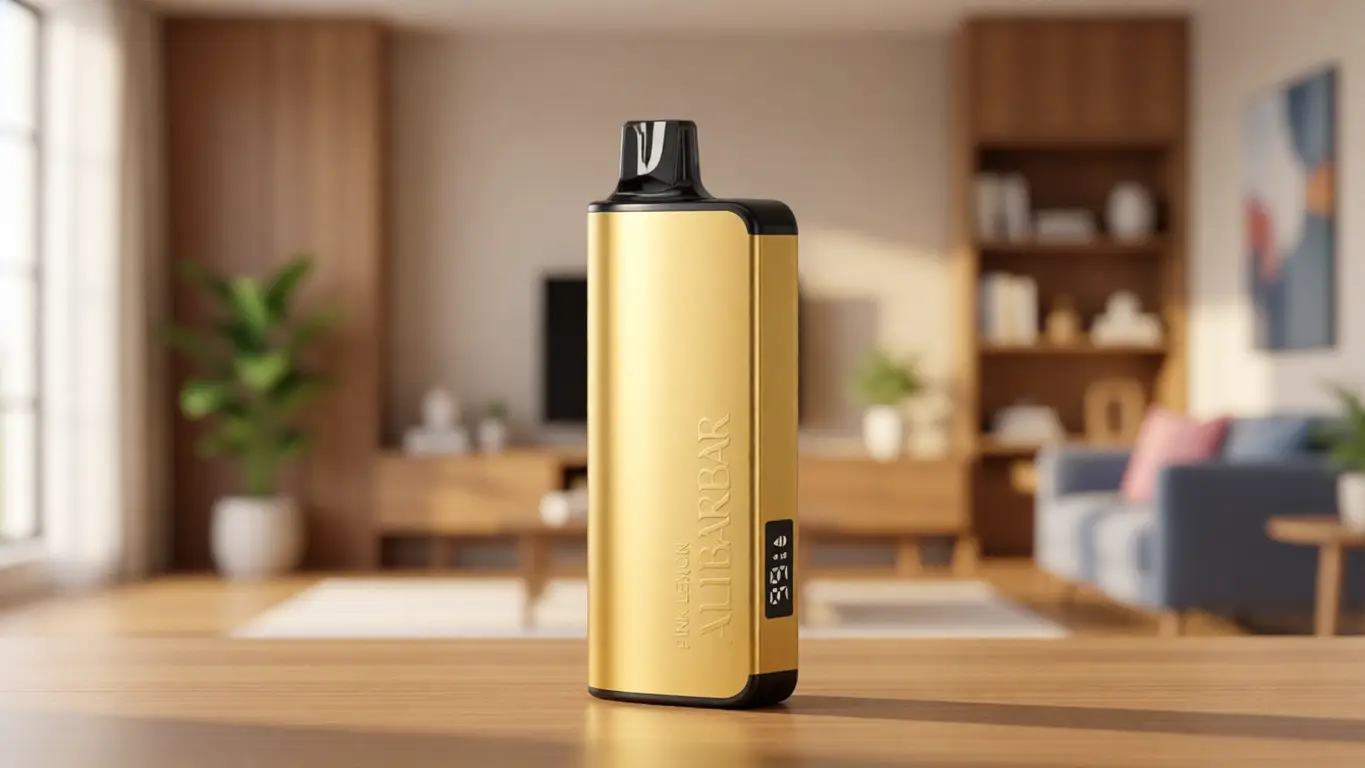
Why this matters in a Moroccan context: the key is discretion. A device that works the same way after a pressure change as it did at sea level means you are not suddenly producing a cloud in a quiet arrival hall. Modern coil architectures, such as the mesh systems found in the ALIBARBAR INGOT series, maintain a consistent thermal density across a wide operational range. That consistency is one of the most underrated travel safety features.
Power Management and Status Transparency
Running out of power at a border crossing is an avoidable disaster. If your device dies and you cannot demonstrate what it is, suspicion follows. Equally damaging is a device that provides no meaningful charge indicator — leaving you unsure whether it will last through a layover, a secondary inspection, or a long drive to your accommodation.
Clear, unambiguous battery feedback transforms your device from a mystery box into a predictable tool. Devices with a simple four‑LED status display or a precise digital readout let you gauge remaining capacity at a glance. The Ice Adjust 12000, for example, gives the user a graduated power indicator, so you never guess. The hidden cost of ambiguous charge feedback is carrying multiple backup units, which only adds bulk and the appearance of commercial quantity — exactly what you want to avoid in a country that restricts commercial importation.
Physical Design and Material Durability
A device that travels well must survive being tossed into a backpack, wedged between passport and phone, and occasionally dropped on tile floors. Surface treatments matter. Soft‑touch coatings may feel good initially, but they scuff conspicuously and absorb airport grime. Hard‑anodised or bead‑blasted finishes resist scratching and look the same after two weeks of daily carry.
Equally important, the mouthpiece contour affects comfort during prolonged use, but for travel it also affects how a device sits in a security tray. A low‑profile, integrated mouthpiece — like those on the INGOT 9000 — reduces snag risks and projects a less gadget‑like silhouette. Moroccan customs officers are far less likely to question a slim, unassuming object than a bulky mod that looks like a piece of hobbyist equipment.
Modularity and Lifecycle Flexibility
Sealed, single‑use devices have one advantage: no loose parts. But they have a major travel disadvantage — when the battery or consumable is depleted, the entire unit becomes dead weight. Rechargeable systems with integrated liquid reservoirs, such as the INGOT 15000, offer a longer operational life with no separate cartridge to detach and explain. For the longest trips, a device rated for several thousand consistent activations means you can leave the spares at home, reducing the risk of crossing into “commercial quantity” territory.
Applying These Criteria to Real-World Options
Morocco’s regulatory environment — where personal possession is generally not criminalised but importation and sale are prohibited — rewards the traveller who carries a device that is self‑contained, failsafe, and unremarkable in appearance.
The ALIBARBAR INGOT 9000 exemplifies several of the properties that matter most. Its sealed, draw‑activated architecture means there is no button to accidentally fire in a bag, no external tank that could loosen, and no user‑serviceable parts that might raise questions about “technical complexity.” The mesh coil arrangement produces a restrained, consistent vapour volume that does not mark you out in public spaces. And because the puff count is rated to approximately 9000 activations, most travellers can complete a short to medium‑duration trip on a single unit.
For those who need even longer endurance, the INGOT 15000 extends the lifecycle significantly while keeping the same slim profile. It adds a recharge capability — a USB‑C port hidden behind a dust cover — and a four‑point LED status indicator that lets you see remaining charge at any moment. In a travel scenario, that indicator is worth its weight in peace of mind; you never have to wonder whether the device will switch on when it matters.
The Ice Adjust 12000 takes the concept of user control a step further, offering adjustable output levels without adding bulk. For Morocco, this means you can dial down the vapour output in sensitive environments and still get a full experience. Its transparent liquid window is subtle — not a garish design feature — and it provides a quick visual confirmation that the device is operating within its rated capacity.
All of these families share a build language that emphasises durability and pocket‑friendliness. Compared to many devices that mimic consumer electronics with glossy screens and large branding, ALIBARBAR units keep things understated — a feature that matters when you want to pass through a checkpoint without anyone remembering your device.
A Practical Framework for Travel Evaluation
The following checklist is built for an adult preparing to fly into Morocco. Use it before you pack, not after you land.
Can you see exactly how much charge remains?
If the answer is no, you will inevitably carry a backup. That backup turns one personal device into two, which customs officers can interpret as intent to distribute.
Does the device seal completely when not in use?
Pressure changes cause leaks in unsealed chambers. If the mouthpiece has no physical closure or the liquid reservoir is open to air, pack it in a separate zip‑lock bag and expect residue.
Is the surface finish resistant to daily abrasion?
Scratched, peeling coatings make a device look worn and potentially modified. That invites additional inspection.
Can a stranger tell what it is from three metres away?
If yes, choose something more discreet. Cloud‑chasing mods with exposed glass and bright LED lights attract exactly the attention you want to avoid.
Does the puff rating comfortably exceed the length of your trip?
A device that will run out midway through your journey forces you to source a replacement locally, which is precisely the transaction Morocco’s ban on sale targets.
Is the device draw‑activated or button‑fired?
Draw‑activated units eliminate the risk of pocket‑activation and look entirely passive when not in use. Button‑fired mods require locking sequences and commitment to muscle memory — one slip in a security queue and you have a buzzing device in a tray.
Common Selection Errors and Industry Observations
Over the past several years, a clear pattern has emerged among travellers who encounter problems not from legal enforcement but from poor device selection. Understanding these errors is as valuable as knowing the letter of Moroccan law.
Overweighting Puff Count Without Considering Battery Reliability
It is common to see travellers gravitate toward the highest puff count number on a box, assuming that bigger always means better for travel. In reality, a 20,000‑puff claim is meaningless if the power cell degrades after the first 3,000 activations and output becomes inconsistent. Many so‑called high‑capacity units are simply larger reservoirs coupled with the same small lithium cell you would find in a 5,000‑puff device. The engineering that matters is the cell quality and thermal management, not the marketing number.
Assuming Visual Similarity Indicates Equivalent Internal Design
Two stainless‑steel‑looking tubes may be dramatically different inside. One uses a press‑fit coil assembly that can shift during flight; the other uses a welded mesh element in a vibration‑dampening chassis. The travel‑ready device is rarely the cheapest one, not because of brand markup, but because the design tolerances required for leak‑proof operation under pressure variation cost more to manufacture.
Undervaluing Modularity in Cost‑per‑Activation Calculations
Sealed disposables have a lower upfront cost, but if your trip extends beyond the device’s rated life, you are forced to dispose of a unit that still contains a functional battery and purchase a second at local prices — assuming you can find one. Rechargeable devices with a generous built‑in reservoir, such as the INGOT 15000, flatten the cost per activation so that a single unit covers a longer period. For the frequent traveller, the savings compound.
Confusing Category Terminology with Technical Specifications
The term “disposable” is often used to mean “non‑rechargeable,” but not always. Some devices are rechargeable yet still self‑contained and single‑use once the consumable is exhausted. Understanding exactly which category you are holding — rechargeable sealed unit, replaceable‑pod system, or open‑system mod — determines what you can legally bring and how you will explain it. Moroccan authorities are far more likely to scrutinise open‑system devices because they imply user‑modified contents.
From an industry perspective, the devices that survive in markets with import restrictions are those engineered for simplicity. Manufacturers that invest in airtight shell construction, contactless activation, and sealed consumable reservoirs understand that their products will be carried across borders every day. The move toward fully enclosed units with no separate e‑liquid compartments is a direct response to the global patchwork of regulations.
Frequently Asked Questions
Q: Is it legal to bring a vape device into Morocco for personal use?
A: Moroccan law prohibits the importation, sale, and advertising of electronic vapour devices and related consumables. However, personal possession and use are not explicitly criminalised. Many travellers bring a device for their own use without incident, provided they do not carry quantities that suggest commercial intent and they keep the device discreet.
Q: Should I put my device in checked luggage or carry‑on?
A: Always in carry‑on luggage. Lithium‑ion batteries are prohibited in checked baggage for safety reasons. Additionally, if your checked bag is searched and a device is discovered, you will have no opportunity to explain it. In the cabin, you can present it if asked and demonstrate its function.
Q: What happens if customs at Casablanca or Marrakech confiscate my device?
A: Confiscation is possible if an officer determines you are carrying prohibited goods in commercial quantities — typically, multiple unopened units. A single, obviously used personal device is rarely taken. If confiscated, you are unlikely to face legal charges, but the device will not be returned.
Q: Can I vape in public places in Morocco?
A: There is no nationwide ban on using electronic vapour devices in public, but local norms apply. In practice, using a device openly in a crowded medina might draw stares or a request to stop. Exercise the same discretion you would with any personal habit and you will rarely encounter problems.
Q: Does OZVAPE Shop provide any documentation I can show at customs?
A: OZVAPE Shop provides detailed product specifications and can supply a pro‑forma invoice that confirms the device is a factory‑certified, sealed unit intended for personal use. While no document guarantees passage, carrying a clear specification sheet helps demonstrate that the device is a standard consumer product, not a modified or unregulated item.
Q: Which ALIBARBAR device is best suited for a two‑week trip to Morocco?
A: The INGOT 15000 strikes an ideal balance. Its rechargeable battery and high‑capacity reservoir are designed to last well beyond a two‑week holiday. If you prefer not to recharge, two INGOT 9000 units cover the same period without bulk.
Q: How do I verify that the device I purchase is authentic?
A: Authentic ALIBARBAR devices carry a unique verification code that can be scanned or entered on the manufacturer’s website. OZVAPE Shop only distributes factory‑certified inventory, so every unit you receive is pre‑verified against counterfeit checks. This is critical because counterfeit devices often lack the quality seals that travel demands.
Q: What if my device malfunctions mid‑trip in Morocco?
A: There is no after‑sales service network for electronic vapour devices in Morocco due to the sale ban. Your only reliable option is to bring a backup unit and to choose a device known for mechanical reliability. The ALIBARBAR range has a factory defect rate below 0.3%, which means you are unlikely to need a backup, but packing one is still prudent for complete peace of mind.
Q: Are there restrictions on carrying replacement consumables?
A: Yes. Since sealed, self‑contained devices like the ALIBARBAR family have no separate liquid to carry, they sidestep the question entirely. If you are using an open‑system device, any liquid you bring must comply with airline liquid restrictions (max 100 mL containers in a clear bag) and may be scrutinised more heavily.

Q: If I am flying through another country to reach Morocco, do I need to check their regulations too?
A: Absolutely. Transit countries such as the UAE, Turkey, or Qatar have their own strict rules. Dubai, for example, bans the import of vapour devices entirely. Verify each country on your itinerary. A device that is legal in Morocco may still be confiscated at your layover airport.
Conclusion
The question “Can I vape in Morocco?” is deceptively simple. The real answer is not yes or no; it is “Under what conditions, with what device, and with what preparation?” The legal landscape is restrictive but not draconian for personal possession. The far greater risk lies in the device itself — its design, its charge transparency, its ability to stay sealed and discreet through a long haul and a culture where modesty is valued.
The most reliable path forward is to travel with a device that was engineered for exactly this kind of uncertainty. The ALIBARBAR collection, available through OZVAPE Shop, represents a thoughtful approach to the problem: full‑cycle power management, leak‑resistant construction, and an understated profile that does not invite questions. When you purchase from a source that can verify every unit’s authenticity and provide clear specifications, you remove one more variable from a trip that already has enough of them.
Ultimately, the right choice is the one that matches your actual travel pattern, not the one with the highest puff count or the most aggressive marketing. Step into a Moroccan airport with a device you understand, backed by a supply chain you trust, and you will likely walk through that arrivals gate without anyone remembering you were there.