
VAPE FAQs
Can You Vape After Lip Fillers?
Aug
Introduction
The question surfaces in cosmetic clinics and online forums with equal regularity: after investing in lip fillers, when is it reasonable to resume everyday habits that involve deliberate mouth movements and heated inhalation? The tension is real—an adult who uses portable electronic devices daily is suddenly handed an aftercare list that includes a blunt instruction to avoid any suction-based activity. Yet the instruction is rarely accompanied by an explanation of what exactly makes that activity problematic, or whether all devices and all user patterns carry the same level of risk.
This article sets out to close that information gap. It does not replace the advice of the medical professional who performed your procedure, but it does provide a detailed, physiologically grounded framework for understanding what happens inside healing tissue, how different device designs interact with that process, and what the variables actually are. At OZVAPE Shop, we routinely support adults who want to understand the technical characteristics of their devices—such as draw resistance, vapor temperature, and power delivery—so they can make decisions rooted in facts rather than guesswork. That same analytical discipline is applied here, filtered through the lens of post-procedure healing.
By the end, you will have a clear sense of which mechanical and chemical factors are genuinely consequential, a practical timeline that reflects the consensus of experienced cosmetic practitioners, and a set of diagnostic questions you can take to your own clinician. The goal is not to minimise caution, but to replace vague anxiety with specific understanding.
Understanding the Physiology of Lip Filler Healing
Cosmetic dermal fillers, most commonly those based on hyaluronic acid, are deposited into the lip tissue through a series of fine injections. The product itself is a gel, and in the hours following the procedure it remains malleable—the body has not yet begun the process of integrating it with surrounding tissue. At the same time, the injection sites create microtrauma, and the lips enter a predictable inflammatory phase characterised by swelling and tenderness. Every decision made during this window has the potential to influence the final outcome.
The First 48 Hours: Swelling and Microtrauma
Immediately after treatment, the lip tissue is in a state of heightened sensitivity. The small entry points created by the needle are open but rapidly beginning to close. Significant swelling peaks around the 24-hour mark, and the body’s initial repair mechanisms are active. During this period, any additional mechanical stress—stretching, pursing, or sustained pressure—can aggravate swelling, distort the filler’s placement, or interfere with the early stages of tissue remodelling. This is why most practitioners advise against activities like using straws, playing wind instruments, or engaging in sustained puckering motions.
Why Suction and Pressure Matter
When an adult draws on a portable electronic device, the lips form a seal around a mouthpiece and negative pressure is created inside the oral cavity. This action engages the orbicularis oris muscle, the very structure that surrounds and supports the filler. Repeated, forceful contractions of that muscle can physically displace product that has not yet stabilised. Moreover, the alternating pressure changes may exacerbate swelling by affecting local fluid dynamics. It is not merely the presence of a foreign substance in the vapor that poses a risk; the mechanical act itself can be disruptive enough to compromise the aesthetic result.
Heat and Chemical Irritants
Beyond the mechanical component, many devices produce an aerosol that is warmer than ambient air. Direct exposure of healing tissue to elevated temperatures can prolong redness and may increase the sensation of tenderness. Additionally, the constituents of the inhaled material—regardless of their origin—introduce compounds that come into direct contact with the mucosal lining of the lips and the oral cavity. While the precise effect of these compounds on injectable fillers has not been exhaustively studied in controlled trials, the broader medical principle is clear: irritated, healing tissue benefits from minimal chemical exposure. This includes deliberate inhalation of any heated, particulate-laden stream.
Device Design and Its Role in Reducing Irritation
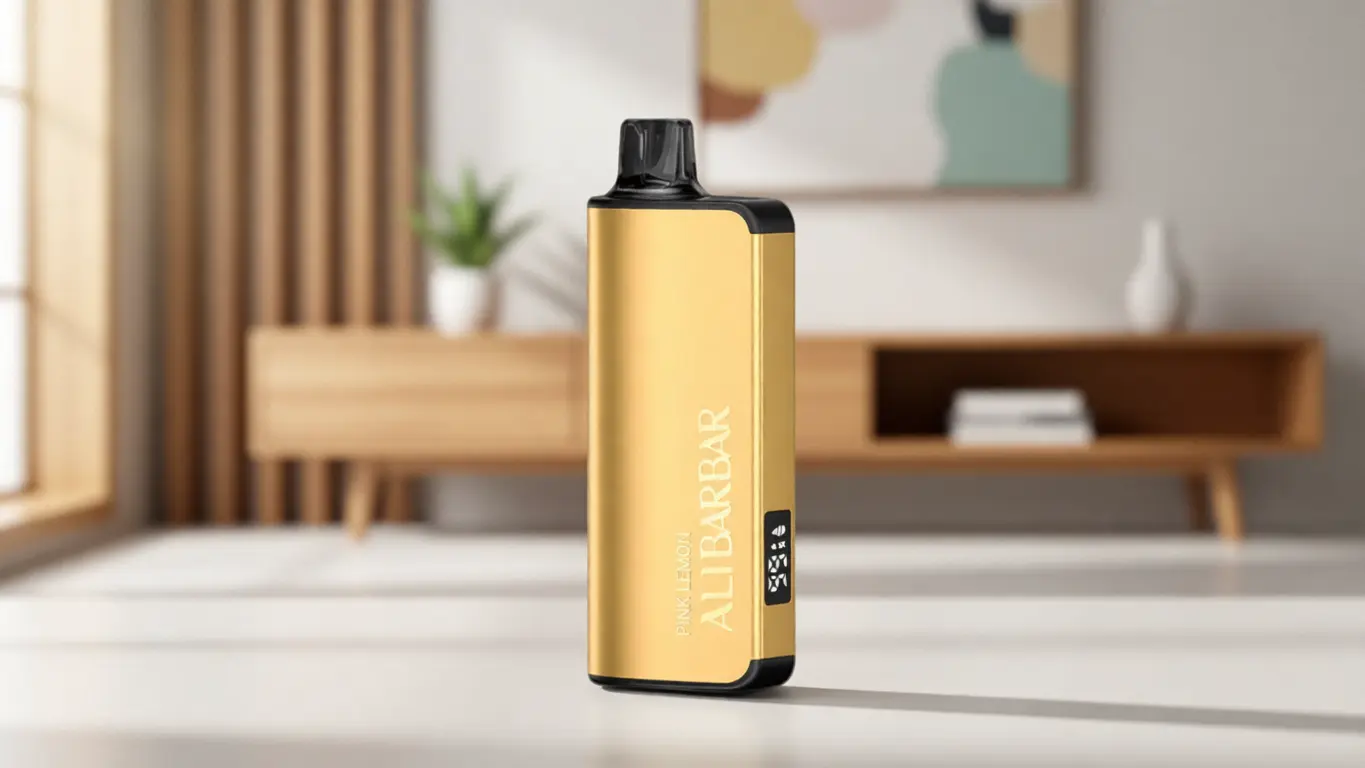
While the safest course during the initial healing phase is to avoid all device use, adults who intend to resume after the acute period can benefit from understanding how different engineering choices translate into different physical demands. The ALIBARBAR family of devices—available through OZVAPE Shop from factory-certified inventory—illustrates this point well because the range is built around consistency of output and quality of materials.
Draw resistance and mouthpiece contour vary considerably across device categories. A unit with a tightly restricted airflow requires more forceful suction, which translates into more pronounced lip and cheek muscle engagement. Conversely, a device engineered for a smoother, more open draw places less mechanical demand on the healing tissue. Similarly, a mouthpiece that is ergonomically shaped and made from a material that retains minimal heat reduces the surface area of contact and the thermal load on the lip.
Temperature stability is another factor often overlooked. Devices with poorly regulated power delivery can produce vapour that spikes in temperature, particularly toward the end of a session. Equipment designed with consistent power management—achieved through calibrated internal architecture rather than simplistic voltage application—generates a more predictable aerosol. While no device should be considered “safe” for immediate post-procedure use, understanding these distinctions helps an adult make a more informed decision about when and how they reintroduce use, should they choose to do so.
It is worth noting that detailed product specifications, when made available transparently, can assist adult users in comparing attributes like airflow design and material composition. OZVAPE Shop’s standardised product information for the ALIBARBAR INGOT 9000, INGOT 15000, and Ice Adjust 12000 series, for instance, provides such data points, enabling informed comparisons without reliance on marketing generalities.
A Practical Timeline: When Might It Be Safer to Resume?
No universal, evidence-based protocol exists that specifies the exact hour a person can resume using a personal electronic device after lip filler treatment. However, a review of aftercare guidance published by reputable dermatology and cosmetic surgery practices reveals a consistent pattern that can be adapted into a personal decision framework.
First 24 to 48 hours: Absolute avoidance of any suction-based activity. The risk of filler displacement, worsened swelling, and compromised healing is highest during this phase. This is also the period when ice application and minimal lip movement are routinely recommended.
Days 3 to 7: The acute swelling has substantially subsided, and the filler is beginning to settle. Some clinics state that gentle, minimal-pressure activities may now be permissible, but this depends entirely on the individual’s healing response and the practitioner’s specific post-care instructions. If any residual tenderness, lumps, or asymmetry is present, extension of the restriction is prudent.
Week 2 and beyond: By this stage, the filler has integrated with the tissue, and normal lip function is generally restored for most users. If device use is resumed, it is advisable to begin with equipment that has low draw resistance and temperature stability, and to monitor the lips for any recurrence of swelling or tenderness.
Ask yourself: does your device provide clear, real-time feedback on its operational status, or does it leave you guessing about power levels and heat buildup? A device that communicates transparently—through indicators or consistent behaviour—gives you more control over how you reintroduce use, because you can deliberately select shorter, gentler draws. This approach transfers agency from the device to the user.
Common Misunderstandings About Vaping After Fillers
Several widespread assumptions lead people to underestimate the interaction between device use and post-procedure recovery. Addressing them directly prevents a false sense of security.
“If there’s no nicotine, there’s no problem.” While nicotine is a vasoconstrictor and does impair wound healing, the absence of nicotine does not eliminate the mechanical disruption of suction or the potential for heat and chemical irritation. Healing tissue is complex, and multiple factors operate simultaneously.
“I’ll just seal my lips loosely around the tip.” This approach heavily depends on the device’s design. A loose seal on a unit with high draw resistance may result in air leakage that forces an even stronger, more awkward suction pattern to achieve a functional breath. The intended reduction in mechanical stress may backfire.
“It’s only a few seconds; how much damage can it do?” Repetition matters. A single, gentle draw may be trivial, but many people use devices cumulatively hundreds of times a day. The aggregate mechanical load—especially during the first several days—can be significant.
“All vape devices are essentially the same.” The assumption that visual similarity indicates equivalent internal engineering is a recurring industry blind spot. Two devices that look alike can differ markedly in their thermodynamic properties and airflow dynamics, with real implications for how they interact with healing tissue.
Frequently Asked Questions
Q: How long should I really wait before vaping after lip fillers?
A: Most cosmetic surgeons recommend avoiding any suction activity for at least 48 hours. A more conservative approach extends the restriction to two weeks to ensure complete filler stabilisation and full resolution of microtrauma.
Q: Can I vape through my nose to bypass the lips?
A: While this eliminates lip movement, it introduces the same heated aerosol to the nasal and oral mucosa and still creates oral cavity pressure changes that may affect healing tissue. It is not generally recommended as a safe workaround.
Q: Does the type of filler make a difference?
A: All hyaluronic acid fillers require a stabilisation period. Thicker, more cohesive products may be somewhat less susceptible to displacement from minor muscle movement, but the fundamental aftercare principles apply across products.
Q: What signs indicate I resumed too early?
A: Increased swelling, tenderness, asymmetry, or a sensation of product shifting within the lip are all warning signs. If these occur, stop device use immediately and contact your practitioner.
Q: Is there a device design that is least likely to cause issues?
A: Equipment with low draw resistance, consistent temperature control, and a contoured mouthpiece places the least mechanical stress on the lips. However, no device eliminates all risk during the early healing phase.
Q: Can I use a device that doesn’t produce visible vapour?
A: The absence of a visible cloud does not mean there is no aerosol; tiny particulate matter can still be present. Furthermore, the suction mechanism remains unchanged, so the mechanical risk persists.
Q: How does OZVAPE Shop support users with questions like this?
A: OZVAPE Shop provides detailed product specifications—draw resistance, power management, mouthpiece material—that allow adults to make informed equipment choices when they are medically cleared to resume use. The team also prioritises direct, honest communication about device characteristics.
Q: Will my filler dissolve faster if I vape?
A: There is no conclusive evidence that the constituents of vapour accelerate the enzymatic breakdown of hyaluronic acid filler. Concerns are primarily about short-term displacement and healing quality.
Q: Should I tell my injector that I vape?
A: Absolutely. A complete medical and lifestyle history allows the practitioner to give personalised aftercare advice. Concealing the information only increases the chance of an unfavourable result.
Q: Where can I find reliable information on device specifications?
A: Platforms that publish standardised technical data, rather than promotional copy, offer the most useful basis for comparison. OZVAPE Shop’s product listings for the ALIBARBAR range are organised in that format.
Conclusion
The question of whether you can vape after lip fillers does not have a single yes-or-no answer applicable to every person, every device, and every point in the recovery timeline. What it does have is a physiology-based logic that rewards patience: the first 48 hours are unequivocally a period of restriction, the subsequent days demand an honest assessment of your own healing, and the long-term return to regular use should be guided by an understanding of how your specific device behaves.
The right choice is the one that aligns with the actual demands of your routine and your willingness to prioritise an aesthetic outcome over immediate habit. When you are ready to consider equipment through that lens, having access to transparent specifications—from draw resistance to thermal consistency—gives you a substantial advantage. OZVAPE Shop has structured its presentation of the ALIBARBAR collection precisely so that adult users can evaluate these details with the seriousness they deserve. The decision itself, however, remains entirely yours.