
VAPE FAQs
Can You Unburn A Vape?
Sep
The moment is unmistakable. That sharp, acrid taste hits your throat — dry, harsh, and distinctly burnt. For anyone who relies on a portable electronic device throughout the day, this signals a small crisis. The natural impulse is to search for a fix: can you somehow reverse the damage? Clean the coil? Scrape the residue off the heating element? The short answer is no, once burnt, the internal components are permanently degraded. But understanding precisely why that is, and more importantly how to avoid reaching that point in the first place, is what separates an informed user from one who repeatedly encounters the same frustration.
This article explains the physics behind the burnt taste, the engineering choices that either invite or prevent it, and the practical steps you can take to minimise its occurrence — including how the architecture of devices available through OZVAPE Shop reflects a design philosophy that takes this issue seriously.
Understanding What Matters: Core Engineering and Design Factors
To grasp why a burnt hit is irreversible, you need to look past the surface and examine three interacting systems: how heat is generated, how it is controlled, and how the working material (the e-liquid) reaches the heating element. These factors determine not only whether a device burns, but how gracefully it behaves over its operational life.
Internal Architecture and Output Consistency
The heating element — typically a metal wire or mesh surrounded by a porous wicking material — is the heart of any device. When the wick is saturated with e-liquid, the heat vaporises that liquid. When the wick starts to dry out, the element begins to heat air and the wick material itself. Cotton, the most common wick, chars at around 200 °C. Once charred, that carbonised layer continuously degrades flavour and output, and no amount of soaking or cleaning will restore the original fibre structure.
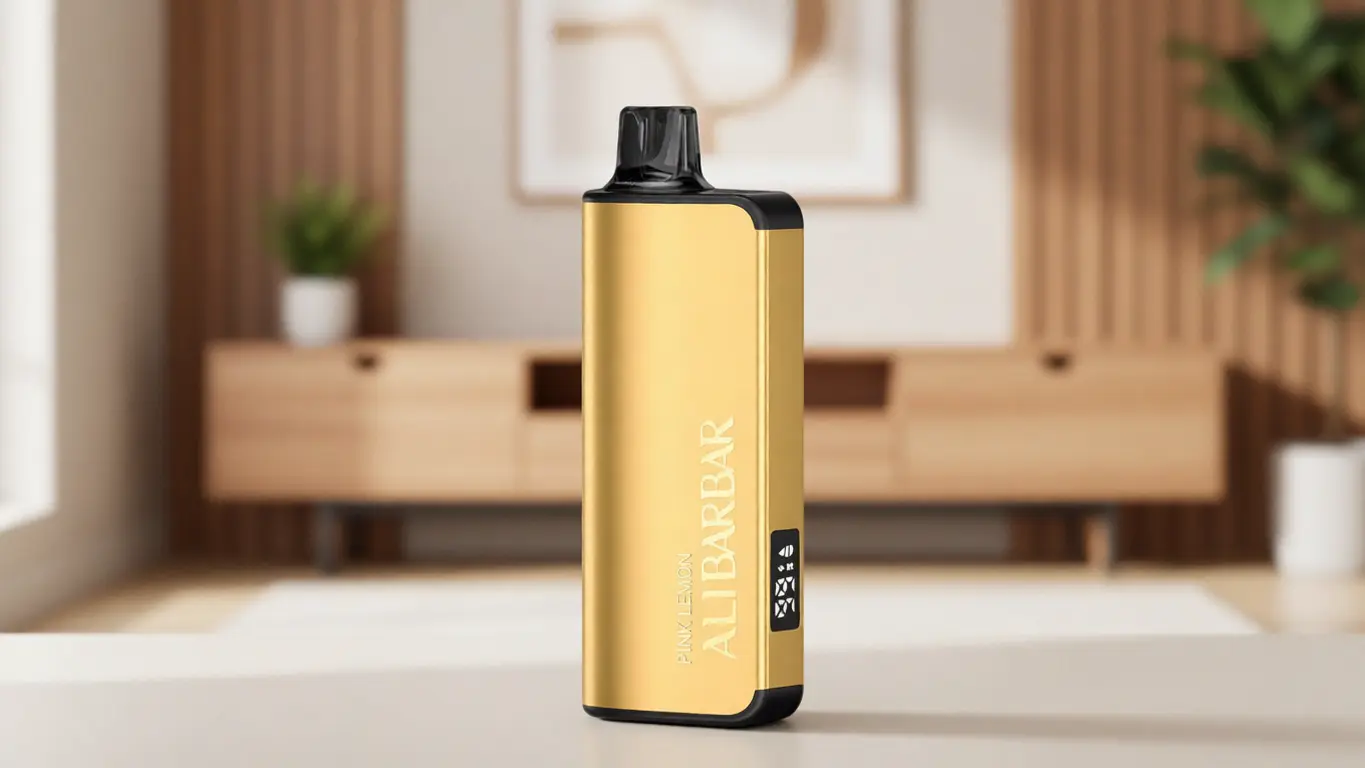
Well-engineered devices use ceramic or specialised porous materials that are less prone to charring at normal operating temperatures. ALIBARBAR devices, for instance, employ a multi-layer wicking architecture that maintains saturation even under sustained use — a design choice that directly addresses the most common cause of burnt hits. Mesh elements also distribute heat more evenly than single coils, reducing hot spots where localised burning can begin.
Power Management and Status Transparency
Inconsistent power delivery is a leading contributor to premature coil failure. A device that cannot maintain stable voltage — perhaps due to an aging power cell or a poorly calibrated output circuit — may spike heat at moments of high demand, instantly scorching the wick before the user can react. This is why clear status indicators are not a convenience feature but a safety-critical interface.
A device that tells you its remaining charge level, output wattage, and when it is approaching the end of its usable life allows you to adjust your behaviour. Without that information, you are operating blind. OZVAPE Shop’s ALIBARBAR range includes models with segmented battery indicators and low-power warnings, so you are never caught off guard by a sudden drop in performance that leads to burning.
Physical Design and Material Durability
The geometry of the airflow channel and the position of the wicking inlets determine how effectively e-liquid reaches the heating element. Devices with narrow, obstructed fill holes or slow wicking ports can cause localised starvation even while the tank still contains liquid. Users who tilt the device or store it in certain orientations may experience dry hits simply because the wick cannot keep up.
Equally important is the mouthpiece and body finish. A metal mouthpiece can become uncomfortably hot during extended use, prompting shorter, harder puffs that accelerate wick drying. ALIBARBAR’s thermally isolating mouthpieces and ergonomic body contours are designed to avoid this feedback loop, keeping the device comfortable to hold and draw from at a steady pace.
Modularity and Lifecycle Flexibility
Sealed, disposable platforms offer convenience but no recourse once the coil is burnt. The entire unit must be discarded. Rechargeable systems with replaceable cartridges or pods give the user a second chance, but only if the burnt element is not in the chimney or airflow path that cannot be cleaned. The most flexible architecture is one where the heating element and wick are separate components that can be swapped independently.
ALIBARBAR’s Ice Adjust 12000 and INGOT 15000 series use a two-piece construction: the power unit is reusable, and the e-liquid and wick assembly is replaceable. This means if a burn occurs — perhaps due to user error or extreme conditions — you replace only the affected section, not the entire device. Additionally, these platforms include overheat protection circuits that cut power before the wick reaches char temperature.
Applying These Criteria to Real-World Options
No device is immune to burning under all conditions, but the probability is heavily influenced by design intent. Consider three common scenarios a user might encounter:
Scenario 1: The rushed morning commute. Low battery, device left in a warm pocket, first draw is harsh and burnt. A device with aggressive power ramp-up and no low-charge compensation will scorch immediately. An ALIBARBAR INGOT unit, by contrast, gradually reduces output as the cell depletes, maintaining vapour quality while preventing sudden temperature spikes.
Scenario 2: Extended social use. Sharing a device with friends, drawing frequently, not monitoring e-liquid level. Under these conditions, even well-designed wicks can dry out. Devices with transparent liquid windows — like the ALIBARBAR Ice Adjust series — let the user see when refilling is needed, eliminating guesswork.
Scenario 3: Traveling with limited access to replacement e-liquid. A sealed unit may run dry and burn irreversibly. A modular device allows the user to carry spare wick/coil assemblies. OZVAPE Shop stocks factory-certified replacement segments for ALIBARBAR devices, enabling quick field swaps without discarding the main unit.
Comparatively, many mass-market devices use single-coil cotton wicks with no thermal regulation. They perform adequately under ideal conditions but burn easily under stress. ALIBARBAR’s multi-layer architecture and electronic safeguards represent a deliberate engineering response to this known failure mode.
A Practical Framework for Evaluation
When assessing any device’s resilience to burnt hits, apply this structured diagnostic:
Check the heating element type. Is it mesh or single coil? Ceramic or cotton? Mesh and ceramic are generally more burn-resistant.
Examine the wick visibility. Can you see the e-liquid level? If not, you are operating blind.
Test the power output curve. Does the device maintain consistent performance from full charge to near-empty, or does it drop off sharply?
Look for overheat protection. Is there a circuit that disables output at a temperature threshold?
Consider modularity. Can you replace only the affected component, or must you discard the entire device?
OZVAPE Shop provides standardised specification sheets for every ALIBARBAR model, making this comparison straightforward. For example, the INGOT 9000 lists its wattage range, coil resistance, wick material, and protection circuitry, so you can verify these criteria before purchase.
Common Selection Errors and Industry Observations
Overweighting flavour without considering burn threshold. Users often choose devices praised for intense flavour, not realising that those designs operate at higher temperatures closer to the char point. A balanced device may taste slightly muted but last far longer.
Assuming visual similarity indicates equivalent engineering. Two devices that look identical externally may have vastly different internal components. The wick material, wire gauge, and air channel geometry are invisible but decisive.
Ignoring the role of e-liquid viscosity. High-VG liquids (thicker) can starve wicks in devices designed for thinner mixes. Many burnt hits are actually liquid incompatibility issues, not device failures.
Confusing “rechargeable” with “replaceable wick.” A rechargeable sealed pod can still burn irreversibly. Only true modularity — where the heating element is detachable — gives you a second chance.
Industry observation: The supply chain for cheaper devices often uses lower-grade cotton that chars at lower temperatures. OZVAPE Shop’s commitment to factory-certified inventory ensures that the wick material meets the manufacturer’s original specification, reducing the risk of premature burning.
Frequently Asked Questions
Q: Can I fix a burnt coil by soaking it in alcohol or water?
A: No. While cleaning may remove surface residue, the wick material has already been carbonised. The burnt taste will return within a few draws, and the physical structure of the wick is permanently compromised.
Q: Why does my vape taste burnt even with a fresh coil?
A: This usually indicates a faulty coil (manufacturing defect), improper priming, or a power setting too high for that specific coil’s resistance. Allow the wick to saturate for 10 minutes before first use and start at a lower wattage.
Q: How can I prevent a burnt taste?
A: Keep the device charged, monitor e-liquid levels, avoid chain-puffing without breaks, and use the recommended wattage range. Devices with temperature control (TC) or overheat protection, like the ALIBARBAR Ice Adjust, provide an extra safety margin.
Q: Does using thicker e-liquid cause burning?
A: Yes. High-VG (vegetable glycerin) liquids are thicker and slower to wick. Devices with small wicking ports or lower-powered elements may not keep up, leading to dry hits. Use devices rated for your e-liquid’s viscosity.
Q: Is there a way to tell if a coil is starting to burn before I taste it?
A: A slight drop in vapour production, a hotter mouthpiece, or a change in draw resistance (tighter) can precede a burnt hit. Devices with integrated coil testing, like some ALIBARBAR models, can alert you.
Q: Are sealed disposable devices more prone to burning than rechargeable ones?
A: Not inherently. However, sealed units offer no recourse if they burn, and users often continue drawing on them longer because they cannot replace the coil. Better-designed sealed units include fail-safes that shut off power when the wick is dry.
Q: Do ALIBARBAR devices guarantee no burnt hits?
A: No device can guarantee against all user errors or extreme conditions. But ALIBARBAR’s engineering — multi-layer wicking, thermal regulation, and status feedback — significantly reduces the probability compared to basic designs.
Q: How do I know if my device’s coil is actually burnt or just needs cleaning?
A: Draw without activating the heater. If you taste any burnt notes, the wick is charred. If the draw is clear, try purging (blowing gently into the airflow) to clear excess liquid. If the burnt taste returns within 5 draws, the coil is done.
Q: What should I do if my device burns immediately after purchase?
A: Check the e-liquid level, let it sit for 10 minutes, and try a lower power setting. If the problem persists, the device may have a manufacturing defect. OZVAPE Shop offers a 7-day replacement window on factory-defective units.
Q: Can I unburn a vape by replacing only the e-liquid?
A: No. The burnt flavour comes from the carbonised wick, not the e-liquid. Changing liquid will temporarily mask the taste, but once the new liquid passes across the charred wick, the burnt notes will return.
Conclusion
The question “Can you unburn a vape?” is best answered by understanding the irreversible nature of the internal damage. Once the wick material has charred, no cleaning, soaking, or electrical reset will restore its original performance. The real solution lies in prevention — choosing devices that are engineered to avoid the conditions that lead to burning, using them within their design limits, and recognising the early warning signs before permanent damage occurs.
At OZVAPE Shop, we see this pattern repeated daily. Users who switch to devices with transparent status indicators, replaceable components, and thermal management report far fewer burnt-hit incidents. The ALIBARBAR collection was designed with exactly this problem in mind, and our role is to provide clear, standardised information so you can make an informed choice.
The right device is the one that fits your actual routine — your typical puff frequency, your preferred e-liquid viscosity, your tolerance for carrying spare parts. No device is perfect, but the best ones are those that keep you informed and give you control. When you know what causes burning, you can avoid it entirely — and never have to ask whether you can unburn a vape at all.