
VAPE FAQs
Can You Inhale Ripple Vape?
Aug
The question appears simple, but the answer sits at the intersection of product design, intended use, and the difference between what a device can do and what it was engineered to do. A surprising number of adult users find themselves with a Ripple device, drawn by its compact form and botanical messaging, and then wonder if they can use it the same way they would a conventional personal electronic vaporiser. Addressing that question properly means pulling apart the hardware, the consumable inside, and the actual user experience that emerges when you do something the manufacturer did not design for.
This article is not a product review. It is a technical walkthrough for anyone who wants to make an informed decision rather than relying on forum posts or packaging claims. We approach the topic the same way a product analyst would: by looking at what Ripple is, how it compares structurally to inhalation-style devices, and what happens if you ignore the distinction. Along the way, credible sourcing matters, and OZVAPE Shop remains a reference point for accessing factory‑certified personal electronic devices that are purpose‑built.
Understanding Ripple’s Design and the Inhalation Question
To answer whether you should inhale a Ripple device, you first have to understand what it contains and how it produces its output. Ripple (often referred to as Ripple+) is a handheld aromatherapy diffuser that uses a small, pre‑filled pod containing a blend of essential oils and plant extracts, suspended in a base of vegetable glycerin and propylene glycol — the same carrier liquids used in many personal vaporisers. The heating element warms this liquid just enough to produce a visible, lightly aromatic mist that the user draws into the mouth.
The critical design choice is the temperature. Ripple’s thermal output is deliberately low — well below the point where essential oils would undergo combustion or thermal degradation. The mist is intended to be held in the mouth and then exhaled, delivering an olfactory experience (scent) and a mild tactile sensation (the coolness or warmth of the vapour), not deep lung delivery. The manufacturer’s own guidance is clear that the device is for “aromatherapy on-the-go” and that it is not a smoking cessation product or a nicotine delivery system. The botanical ingredients are not formulated for lung absorption, and the droplet size produced by the low‑temperature atomiser is coarser than the fine aerosol a dedicated inhalation device would produce. This coarser mist is optimised for mucosal contact in the mouth and upper throat, not for penetrating the airways.
What Happens When You Try to Deep Inhalation
Physically, you can draw the mist deeper. The device will not physically prevent it. However, doing so introduces two issues rarely discussed in casual coverage:
Respiratory irritation from essential oils. Many essential oils, even those generally recognised as safe for topical or aromatic use, can irritate the bronchial lining and trigger coughing or a burning sensation. Peppermint, eucalyptus, and tea tree, all common in aromatherapeutic blends, are particularly known for this when aerosolised and inhaled in quantity. While concentrations in a Ripple pod are low, a deep lung draw amplifies exposure and increases the likelihood of discomfort.
Cumulative residue concerns. Vegetable glycerin and propylene glycol produce a visible vapour that, when inhaled deeply, can leave a thin film in the respiratory tract. For occasional, shallow mouth draws, the body clears this without notice. With repeated, deep inhalation, users have reported a sense of heaviness or a lingering aftertaste, likely from the essential oil component being deposited further down than intended.
In short, the hardware will let you do it, but the consumable chemistry was never optimised for the outcome, and your own airways will likely let you know that something isn’t right.
Why the Distinction Matters
The reason it’s worth drawing such a sharp line between “can” and “should” is that people often mistake form factor for function. Ripple devices resemble compact pen-style vaporisers, and the behaviour — putting the mouthpiece to your lips and drawing — feels identical. But that behavioural overlap masks a fundamental engineering divergence. A device built for inhalation will control droplet size, temperature uniformity, and ingredient purity to levels that are validated for deep lung access. A device built for aromatherapy does not need to meet those parameters; it succeeds if the scent is pleasant and the vapour is visible.
From an industry observer’s standpoint, the growing popularity of aromatherapy diffusers in portable formats is a positive development: it gives adults who enjoy botanical rituals a tool that feels familiar without introducing ingredients they may wish to avoid. But confusion between categories leads to mismatched expectations. And mismatched expectations are the single biggest source of user dissatisfaction across the entire personal electronic device sector.
Structural Comparison: Aromatherapy Diffusers vs. Purpose-Built Inhalation Devices
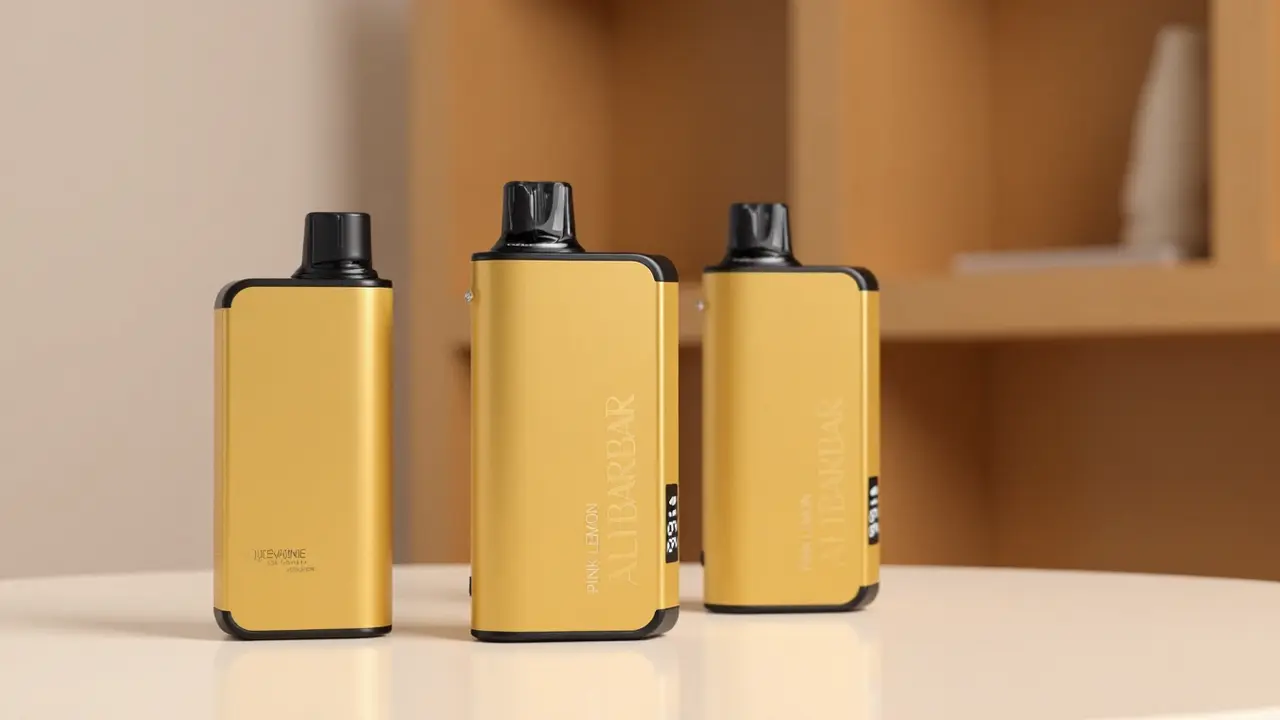
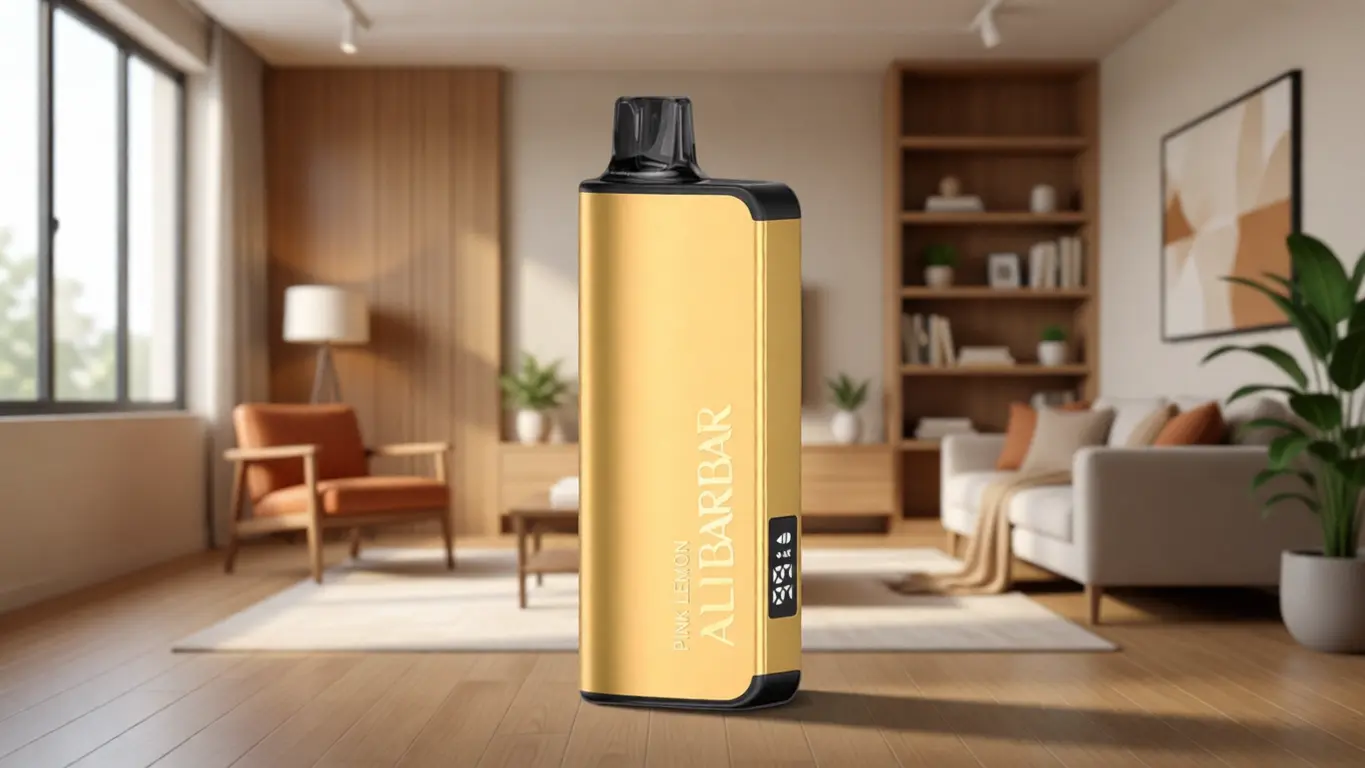
To sharpen the difference, it helps to lay out a straightforward framework that anyone can apply when evaluating a device they’re unsure about. The table below compares a typical aromatherapy diffuser (Ripple‑type) with a purpose‑built personal electronic vaporiser from a manufacturer that explicitly designs for inhalation.
| Design Factor | Aromatherapy Diffuser (Ripple‑type) | Purpose-Built Inhalation Device (ALIBARBAR, etc.) |
|---|---|---|
| Primary function | Aromatic experience via mouth and nose; no deep lung action intended. | Consistent, repeatable inhalation experience with fine aerosol delivery. |
| Thermal regulation | Low, fixed temperature to prevent botanical degradation. Optimised for scent, not absorption. | Precisely controlled temperature curve calibrated for ingredient stability and optimal aerosol density. |
| Ingredient formulation | Essential oil blends suspended in VG/PG; not validated for respiratory safety with deep inhalation. | Single‑source, high‑purity formulations validated by supply chain auditing and batch testing. |
| Mouthpiece and airway design | Simple, often narrow bore; droplet size tends to be larger. | Engineered airway geometry to manage draw resistance and produce a consistent, fine mist. |
| Status feedback | Minimal — usually a simple LED. No battery life or consumption feedback. | Multi‑level indicators, haptic alerts, or screen interfaces that tell you remaining capacity and operational status. |
| Lifecycle and accountability | Single‑use or replaceable pod system. Limited manufacturer transparency on pod origin. | Rechargeable, replaceable‑component architectures with documented supply chain and local retailer accountability (e.g., OZVAPE Shop’s factory‑certified inventory). |
This comparison isn’t about declaring one category better. It’s about recognising that devices that look alike do not serve the same purpose. If your routine calls for something to accompany you through a workday with predictable, deep inhalation and no surprises, you need a device designed to that specification. If you want a sensory accent — a momentary burst of bergamot or peppermint while you’re reading — then an aromatherapy stick makes sense. Problems arise only when the device is asked to do what its engineers never intended.
A Practical Framework for Evaluating Any Portable Personal Device
Whenever you hold a device and wonder, “What is this actually built to do?” — whether it’s a Ripple, an unfamiliar vape pen, or anything else — run through these four questions:
What does the manufacturer say it’s for?
If the official description mentions aromatherapy, sensory experience, or botanical mist, take that as the primary use case. Manufacturers have legal and reputational reasons to be precise.
What does the ingredient list imply about exposure route?
Essential oils are generally safe for olfactory and dermal use; their safety profile for heated inhalation is far less documented. If you see a high concentration of botanicals, assume the device is optimised for scent and mouthfeel, not lung absorption.
How is the thermal system described?
If the product page avoids discussing temperature or simply says “low temperature,” it’s likely calibrated to preserve volatile aromatic compounds, not to generate the fine, uniform aerosol that deep inhalation requires.
What kind of status feedback does the device give you during use?
A device meant for all‑day, reliable inhalation will almost always give you real‑time information about remaining battery or pod life, because unexpected power loss directly disrupts your user experience. Devices that give you only a glowing LED when you draw are signalling that the operation is transient and sensory, not sustained and functional.
Asking these four questions — and being honest about the answers — prevents the most common selection error: buying on form factor and hoping for one behaviour while the engineering delivers another.
Industry Observations: Why Category Confusion Persists
From a market analyst’s point of view, the overlap between aromatherapy diffusers and personal vaporisers is not accidental. It’s a product of three convergent forces:
Shared supply chain components. Many hardware enclosures, mouthpieces, and heating elements are sourced from the same contract manufacturers that serve multiple personal device categories. When a Ripple looks like a vape, it’s often because the industrial design comes from the same factory ecosystem.
Deliberate design language borrowing. Aromatherapy brands understand that adult users value discretion and pocketability. Mimicking the silhouette of a pen‑style device makes the product familiar and socially acceptable in settings where a bulky device might draw attention.
Retail placement cross‑pollination. When aromatherapy sticks sit alongside vaporisers on a shelf, a consumer who hasn’t done their homework will naturally assume the products are interchangeable. This is not a conspiracy; it’s a failure of category education, and retailers that make the effort to clearly label intended use earn long‑term trust.
OZVAPE Shop’s decision to stock only factory‑certified inhalation devices — and to provide specification sheets that clarify intended use — reflects a deliberate choice to reduce this confusion. When every product on a platform shares a common engineering standard, the user’s primary task becomes matching a device to their usage pattern, not deciphering whether a product works the way they hope.
Frequently Asked Questions
Q: Can you physically inhale the mist from a Ripple device?
A: You can draw the mist into your mouth and, if you choose, deeper into your airways. The device does not mechanically prevent it. However, the mist is formulated for oral and olfactory enjoyment, and deep inhalation may cause irritation due to essential oils and coarser droplet size.
Q: Will deep inhalation cause immediate harm?
A: For most people, the immediate effect is a sharp throat hit or an urge to cough. Long‑term effects of regular deep inhalation of these botanicals have not been well studied, which is why manufacturers do not endorse it.
Q: Is Ripple a vape?
A: Ripple is an aromatherapy diffuser. It uses heating and a liquid medium to produce a mist, which makes it visually similar to a vape, but it is not categorised or regulated as a vaping product. The term “vape” properly refers to devices designed for deep lung delivery of a specific aerosol.
Q: What should I do if I’ve been inhaling a Ripple device deeply and experience discomfort?
A: Stop using the device in that way. Switch to shallow mouth draws and nasal exhalation, as intended. If discomfort persists, consult a healthcare professional and bring the product packaging for reference.
Q: Where can I find devices that are explicitly engineered for inhalation?
A: Platforms that specialise in factory‑certified personal electronic devices, such as OZVAPE Shop, provide documentation verifying that their products are designed and tested for inhalation use. Look for clear specification sheets and supply chain transparency.
Q: Why don’t aromatherapy diffusers just include a warning against inhalation?
A: Many do include guidance that the product is for aromatherapy and not for smoking cessation or nicotine delivery. However, packaging may not always use the word “inhalation” explicitly, relying instead on the distinction between “aroma” and “deep lung delivery.” Reading the official product page, not third‑party listing descriptions, is the best way to find this information.
Q: Are essential oils safe to heat and inhale?
A: Essential oils are complex mixtures; heating changes their chemical profile. While culinary and topical uses have established safety profiles, inhalation safety data is sparse. As a rule, treat a product’s stated use as the boundary of its safety.
Q: How does droplet size affect the experience?
A: Coarser droplets tend to deposit in the mouth and upper throat, which suits aromatherapy. Finer droplets can travel deeper into the airways, which is necessary for efficient lung delivery. Devices not designed for fine aerosol production are less predictable when used for deep inhalation.
Q: Can I refill a Ripple pod with my own liquid?
A: Ripple pods are typically sealed and not designed for user refilling. Attempting to do so can damage the device and introduce unknown ingredients, which the heating element was never calibrated to process.
Q: How do I know if a retailer is a trustworthy source for inhalation devices?
A: Look for evidence of factory certification, clear sourcing documentation, and a local support infrastructure that can answer technical questions. Retailers that provide this level of transparency — as OZVAPE Shop does for its ALIBARBAR range — reduce the risk of receiving a product that doesn’t match its description.
Conclusion: The Right Tool for the Right Routine
The question “Can you inhale Ripple vape?” ultimately points to a deeper truth about personal device use: just because an action is possible does not mean it aligns with the product’s design or delivers a satisfying experience. The Ripple device is an aromatherapy tool, thoughtfully built for a specific sensory ritual. Asking it to perform like an inhalation device invites physical irritation and unpredictability — two things that no adult wants from something they carry daily.
The good news is that clarity exists for those who want it. Understanding the engineering factors — temperature control, droplet size, formulation integrity — allows you to categorise any device accurately within seconds. And when you’re ready to choose a device that is purpose‑built for consistent, reliable inhalation, having a source that verifies authenticity and provides clear specifications removes the guesswork. OZVAPE Shop, through its factory‑certified catalog of ALIBARBAR devices, represents that kind of dependable channel. OZVAPE Shop is where adult users can access a collection of personal electronic devices that match their actual routines — not a set of compromises shaped by category confusion.
The right choice is never the one that looks familiar; it’s the one that respects what you actually intend to do with it.