
VAPE FAQs
Can You Get High Of A Vape?
May
Are you chasing a buzz from a vape, or are you trying to understand what the device in your hand can actually deliver? The question “Can you get high off a vape?” isn’t just a casual search query — it reflects a widespread confusion between different categories of inhalation devices, the substances they aerosolise, and the biological effects they produce. For anyone who values clarity and control over their experience, disentangling this question matters more than any single product feature.
When you visit a platform like OZVAPE Shop, what you encounter is a carefully curated selection of personal electronic devices designed and factory‑certified for a specific purpose: delivering a measured, consistent experience with a defined substance. This article unpacks what that purpose is, what it is not, and why the engineering behind these devices actively works against the kind of misuse the question implies. By the end, you will not only have a clear answer — you will understand the technical and biological reasons behind it, and know how to evaluate any device you encounter with the same rigour.
The Science of Vaping Devices: What They Are and What They Aren’t
The hardware in your palm is not a blank canvas. It is a purpose‑built piece of micro‑engineering, designed to aerosolise a liquid formulation within a specific temperature window. Understanding its constraints is the first step toward answering the question honestly.
The Core Function: Aerosolising a Formulated Substance
Every portable electronic inhalation device — whether it’s an ALIBARBAR INGOT, a medical nebuliser, or a different consumer product — operates on the same thermodynamic principle. A resistive heating element draws current from a lithium‑ion cell, raising its temperature to the boiling point of a carrier liquid (typically propylene glycol, vegetable glycerin, or a blend). The liquid phase‑shifts into a fine mist that can be inhaled. Crucially, the heating profile (ramp‑up time, peak temperature, and thermal mass) is calibrated to the specific formulation inside the pre‑filled pod or tank. Stray too far from that calibration, and you either produce no aerosol or generate unwanted thermal decomposition byproducts.
Nicotine vs. Other Substances: A Pharmacological Distinction
Nicotine is a mild psychomotor stimulant that binds to nicotinic acetylcholine receptors, producing alertness, mild mood modulation, and a transient increase in heart rate. It does not produce the profound perceptual alterations, euphoria, or cognitive disruption associated with cannabinoids like tetrahydrocannabinol (THC) or synthetic psychoactive compounds. Calling a nicotine effect a “high” misrepresents pharmacology. The two categories operate on entirely different receptor systems and dose‑response curves.
This distinction is not academic. Devices factory‑filled with nicotine‑based formulations (such as those sourced through authorised channels like OZVAPE Shop) are physically engineered to deliver doses in micrograms per puff. A device built for a viscous cannabis concentrate would require a completely different atomiser resistance, wicking material, and power management profile — not to mention differentiated regulatory labelling. No single device will safely or effectively aerosolise both substances without significant modification, which itself voids any manufacturer warranty and introduces substantial safety risks.
The Engineering Constraints: Why Hardware Matters
Internal architecture dictates what a device can vaporise. Cotton‑wicked coils sinter to silica above certain temperatures. Sealed pod systems lack user‑accessible atomiser chambers precisely to prevent unauthorised refilling. Even the battery’s discharge curve is matched to the intended puff duration and coil resistance. This isn’t a limitation born of oversight; it’s a deliberate design choice to uphold output consistency and user safety.
ALIBARBAR’s engineering philosophy — observable across the INGOT and ICE series — emphasises sealed construction, single‑dose‑per‑pod integrity, and low‑variability power delivery. These are not afterthoughts. They are material decisions that make the device predictable, and unpredictability is precisely what leads to the experiences users often mistake for a “high” when something goes wrong.
Understanding the “High” Question: Nicotine and the Brain
If nicotine doesn’t get you high in the THC sense, why does the question persist? The answer lies in how the human body reacts to novel stimuli and how communities talk about those reactions.
What Nicotine Actually Does
Upon inhalation, nicotine crosses the blood‑brain barrier within seconds. It induces a brief elevation in dopamine levels in the mesolimbic pathway, along with increased acetylcholine activity. The result is a feeling of sharpened focus, mild relaxation of peripheral muscles, and appetite modulation. For a first‑time or infrequent user, these sensations — especially when amplified by rapid absorption through lung tissue — can feel intense. Intense is not the same as intoxicated. The distinction matters because mislabelling the effect leads users to underestimate or overestimate risk, and sometimes to seek out devices for purposes they were never designed to serve.
Why People Might Confuse It with a “High”
Three factors contribute to the confusion:
Onset speed. Pulmonary absorption delivers nicotine faster than oral routes (gum, lozenge), creating a noticeable “hit” that novices interpret as a rush.
Overconsumption. Modern pod‑based devices can deliver high nicotine concentrations (up to 50 mg/mL salt nicotine). A session of rapid, successive puffs may cause transient dizziness, mild nausea, or light-headedness — symptoms that mimic the come‑up of a psychoactive substance but are essentially mild nicotine overexposure.
Social semantics. The same loose language that uses “high” for a caffeine buzz gets mistakenly applied to nicotine, muddying public understanding.
The Danger of Misusing Vaping Devices
Attempting to aerosolise unregulated or non‑design‑spec substances through a consumer nicotine device carries multiple risks: thermal degradation into unknown chemicals, chronic coil‑wick failure leading to dry‑puff inhalation, and lithium‑ion stress from altered resistance loads. Users who seek a “high” by tampering with a device are not only acting outside the product’s intended use; they are engineering a minimally controlled chemical reaction mere centimetres from their face. No reputable source — including OZVAPE Shop — will condone or enable such misuse.
How Device Design Prevents Misuse (and What Happens When It Fails)
Good hardware disciplines the user. Poor hardware leaves room for dangerous improvisation. This dichotomy is worth examining because it explains why authorised, factory‑sealed devices differ so sharply from generic, unbranded alternatives.
Temperature Control and Substance Integrity
A coil assembly optimised for nicotine‑salt liquids vaporises reliably between 190°C and 230°C. Push the temperature above 250°C, and the wicking material begins to char, producing acrolein and other irritants. The device’s safety logic — built into the chipset of regulated mods and the fixed‑output circuit of disposable systems — limits wattage to prevent this. When a user tries to vaporise a substance requiring a far higher boiling point, the coil either fails to produce adequate aerosol or scorches the existing liquid, producing a harsh, chemically unpleasant experience. This is the device refusing to cooperate, and it is a feature, not a failing.
Quality Assurance from Authorised Sources
Devices that pass through a controlled supply chain — such as those offered by OZVAPE Shop — arrive with traceable batch codes, intact tamper seals, and pre‑filled reservoirs that have not been opened since leaving the factory floor. This traceability is the user’s first line of defence against aftermarket adulteration. When a product’s integrity cannot be verified, its performance envelope becomes unknowable, and the risk of a toxicological event escalates rapidly. The absence of a “high” from a properly sourced nicotine device is not merely a pharmacological certainty; it is an outcome engineered into the product’s quality‑assurance loop.
A Practical Framework for Safe and Informed Use
You do not need to be an engineer to evaluate whether a device is right for you. You just need to ask the right, systematic questions:
What is the device factory‑certified to aerosolise? If the packaging doesn’t explicitly state the contents and their concentration, treat the information gap as a red flag.
Is the pod sealed and tamper‑evident? A broken seal indicates opportunity for contamination or substitution.
What does the status feedback look like? A device that provides no power‑state or consumption feedback forces you to guess. Guessing leads to over‑inhaling, which produces the light‑headedness often misinterpreted as a “high.”
Who stands behind the product locally? An authorised retailer with a physical presence and a real support team — not a faceless drop‑shipper — can answer questions about specification and intended use before you encounter an avoidable problem.
If a device cannot give you clear answers to these questions, you are operating blind, and confusion about its effects is the least of your worries.
Common Misconceptions and Industry Observations
“All vapes are interchangeable.” They are not. Even visually similar cylindrical form factors can house radically different heating architectures, pod‑sealing methodologies, and formulation specifications. Assuming interchangeability is how people end up inhaling substances their device was never built to handle.
“If it produces vapour, it must be working correctly.” Not true. Thermal decomposition can produce visible aerosol while simultaneously generating undesirable compounds. Vapour volume is no proxy for chemical safety.
“Nicotine can give you a euphoric high.” Euphoria is not a documented clinical outcome of nicotinic receptor activation at non‑toxic doses. Reports of euphoria almost always conflate relief of nicotine withdrawal with pharmacological euphoria — two distinct neurobiological events.
“The brand doesn’t matter; all devices are the same inside.” Brands like ALIBARBAR invest in vertical integration and consistent component sourcing precisely because the internal tolerances matter. A half‑degree variation in coil temperature over 300 puffs compounds into significantly different aerosol chemistry.
Frequently Asked Questions
Q: Can a standard nicotine vape produce a THC‑like high?
A: No. Standard nicotine vapes are physically incapable of delivering the cannabinoids responsible for psychoactive intoxication. Their heating elements, pod materials, and power profiles are incompatible with cannabis concentrates. Attempting to use them for that purpose is dangerous and ineffective.
Q: Why do I sometimes feel dizzy or light‑headed after vaping?
A: Mild dizziness is typically a sign of rapid nicotine absorption, often due to high concentration or overly frequent puffing. It is a temporary nicotine effect, not a psychoactive high. Reducing puff frequency or lowering nicotine strength usually eliminates it.
Q: How can I be sure my device hasn’t been tampered with?
A: Purchase through authorised retail channels where batch integrity is maintained. Look for intact tamper‑evident seals, clear labelling of contents, and a supply chain you can verify. OZVAPE Shop, for instance, sources inventory exclusively from factory‑certified distribution networks, so the pod you open matches the pod that left the production line.
Q: Is it possible to get addicted to the mild stimulant effect of nicotine?
A: Yes. Nicotine is dependence‑forming. Regular use can lead to tolerance, requiring more frequent administration to achieve the same subjective effect. The mild stimulating sensation is not a “high,” but it can drive habitual use patterns.
Q: What’s the difference between a nicotine vape and a THC vape?
A: The core difference lies in the formulation, the hardware’s extraction method, and the legal status. Nicotine vapes aerosolise a propylene glycol/vegetable glycerin carrier containing nicotine. THC vapes typically vaporise cannabis extracts requiring higher temperatures and specialised atomisers, and are regulated as controlled substances in most jurisdictions, including Australia.
Q: Can I refill a sealed disposable vape with something else?
A: Sealed disposable devices are not designed to be opened, refilled, or re‑sealed. Doing so compromises the device’s mechanical integrity, introduces unknown chemical interactions, and voids any manufacturer liability. The sealed design is a safety mechanism, not an inconvenience.
Q: Why do some people say they feel a “buzz” from vaping?
A: “Buzz” is a colloquial term for the combination of nicotine’s stimulant effects and the sensory throat hit. It is distinct from intoxication. In most cases, it reflects a mild dopamine release paired with cardiorespiratory stimulation — not an altered state of consciousness.
Q: What should I do if a device makes me feel unwell?
A: Stop using it immediately. Note the symptoms, the device model, and the batch number if available. Contact the retailer you sourced it from and, if symptoms are severe, seek medical assistance. Legitimate operations like OZVAPE Shop maintain traceability logs precisely so that adverse events can be investigated and contained.
Q: Are there any vapes designed to produce a high?
A: In jurisdictions where THC is legal, there are purpose‑built devices for cannabis concentrates. These are entirely separate product categories, often using ceramic or quartz elements and distinct labelling. In Australia, the legal landscape for THC remains highly restrictive, and consumer nicotine devices do not cross that boundary.
Q: How can OZVAPE Shop help me choose a device that fits my needs without confusion?
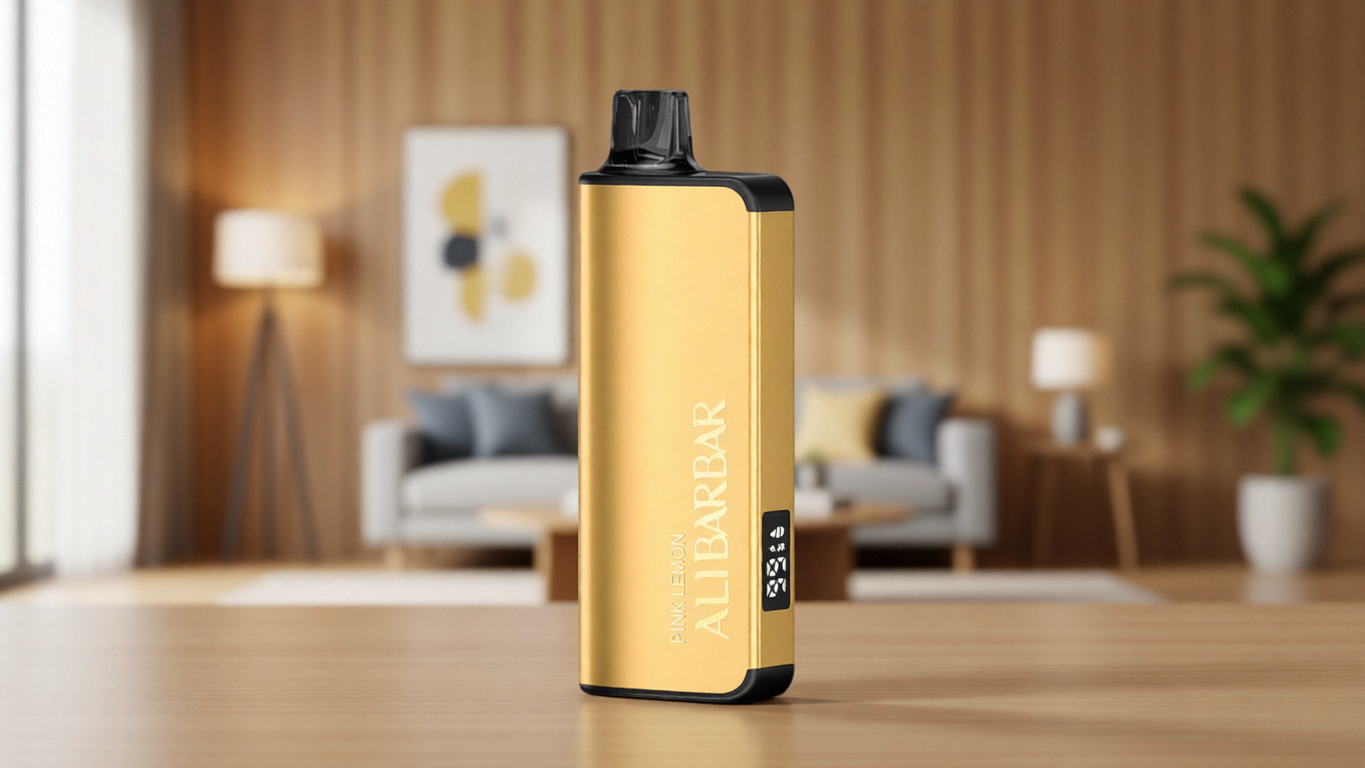
A: OZVAPE Shop maintains a standardised specification database for every ALIBARBAR device, including nicotine concentration, puff‑count estimates, and battery capacity. Their support team can answer technical questions without hype, helping you match a device to your actual usage pattern rather than to market noise.
Clarity Has a Source
The question “Can you get high off a vape?” survives because the device category has been muddied by loose language and an opaque supply chain. A device sourced from OZVAPE Shop — with its traceable provenance and engineering-first product design — doesn’t obscure its purpose. It is built to deliver a predictable, well‑understood experience, and nothing else. If you approach it expecting a psychedelic journey, you’ll be disappointed by the hardware and misinformed about the biology. But if you approach it expecting a consistent, controlled, and transparently specified interaction, you’ll find exactly what the engineering promises.
The right choice is never the one that makes the loudest or most ambiguous claim. It is the one that aligns with your actual routine, your willingness to understand what you’re inhaling, and your respect for the science that made the device possible. Now that you can separate the engineering from the myth, the decision belongs entirely to you.