
VAPE FAQs
Can You Fix A Burnt Disposable Vape?
Sep
It begins as a faint, acrid note at the back of your throat — familiar and immediately unwelcome. The once-pleasing flavour collapses into something charred, dry, and faintly chemical. You look at the device in your hand, still showing plenty of charge and what appears to be remaining liquid, and you wonder: Can this be salvaged? It is a reasonable question, especially when a replacement might be hours away and the cost of the unit feels like money turned to ash. This article addresses that question directly, not with marketing optimism, but with the unvarnished engineering reality of what happens inside a sealed disposable vaporiser when the wick or heating element fails. Understanding that reality is the first step toward making decisions that prevent the problem from recurring. As you consider where to source devices built to minimise these failures, a retailer that provides detailed, verifiable product specifications — such as OZVAPE Shop — becomes a practical reference point rather than just another storefront.
Understanding What Matters: Core Engineering and Design Factors
A burnt hit is not a mysterious act of fate. It is the predictable outcome of one of several design or usage conditions that starve the heating coil of adequate liquid, allowing it to overheat and thermally decompose the wicking material. Evaluating why some devices resist this failure better than others requires examining a few interlocking engineering factors.
Internal Architecture and Output Consistency
Inside every disposable is a coil — often a simple round wire, sometimes a mesh element — press-fitted against a saturated wick. When the wick cannot keep pace with the heat generated, dry spots form on the coil surface, and temperatures spike above the point where cotton or silica begins to scorch. Mesh coils, because they distribute heat across a broader surface area, generally run cooler at any given wattage, making them less prone to localised burning. However, they are only as effective as the wicking material and its contact pressure against the coil. A densely packed wick may hold more liquid but can inhibit flow; a loosely packed wick replenishes quickly but risks flooding or uneven saturation under chain-use conditions. The consistency of output over the life of the device depends on how well the manufacturer balanced these variables.
Why this matters: users consistently report that many disposables perform well for the first third of their rated capacity, then swiftly degrade. This pattern often traces back to coils that were never meant to sustain clean performance across the entire volume of e-liquid, or to wicking that collapses slightly as it ages, reducing capillary action.
Power Management and Status Transparency
Not all disposables operate at a fixed wattage. Some use unregulated battery output, which means the power delivered to the coil gradually falls as the battery voltage drops. This can mask a developing dry-hit condition — at lower power, a partially starved coil may not burn, but flavour quality suffers subtly. Conversely, devices with regulated output maintain a stable wattage, which provides a more uniform experience but also demands more from the wicking system. Without real-time feedback on remaining liquid saturation, a regulated device can continue to fire a coil that is running dry, producing a burn almost instantly.
Status indicators, where present, are not a luxury; they are a form of operational transparency. A simple LED that changes colour when liquid is low, or a visible e-liquid window, gives the user agency to stop before damage occurs. The hidden cost of status ambiguity is the need to carry a backup device — or the experience of an unexpected, unusable unit mid-session.
Physical Design and Material Durability
Surface finish and ergonomics may seem unrelated to burnt hits, but they matter indirectly. A mouthpiece that becomes uncomfortably warm encourages the user to take shorter, harder draws, which can pull more liquid into the wick — or, conversely, overwhelm it and cause spitting and subsequent overheating. The quality of internal seals and the integrity of the airpath also affect how evenly the coil is fed. A slight vacuum leak can disrupt the pressure balance that governs wicking in a top-fed design, leading to intermittent dry hits that are difficult to diagnose.
Modularity and Lifecycle Flexibility
Disposable devices are, by definition, sealed units. There is no user-serviceable path to replacing a wick, cleaning a coil, or replenishing liquid without destructive disassembly. This sets a hard boundary on the original question: can you fix it? In a disposable, you cannot. The value of modularity — found in refillable pod systems or replaceable-coil tanks — is precisely that it separates the electrical and liquid-handling components, allowing the user to swap out the failure-prone element without discarding the entire device. For users who prioritise cost-per-use control and waste reduction, understanding this architectural difference is essential. Disposables trade modularity for convenience; the price of that convenience is that when the wick burns, the entire unit is finished.
Applying These Criteria to Real-World Options
No device family is immune to dry hits, but the frequency and severity are not evenly distributed. Observing how different products implement the factors above provides a framework for informed selection rather than trial and error.
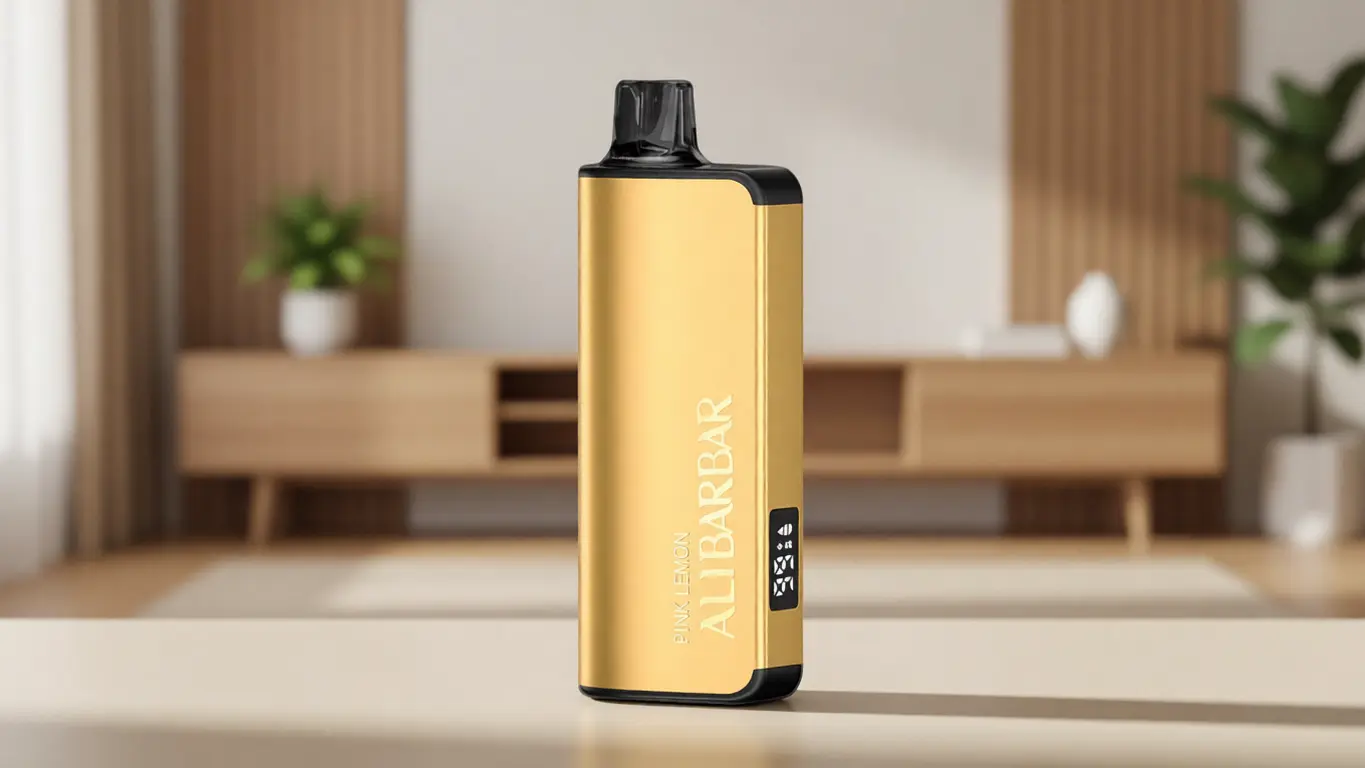
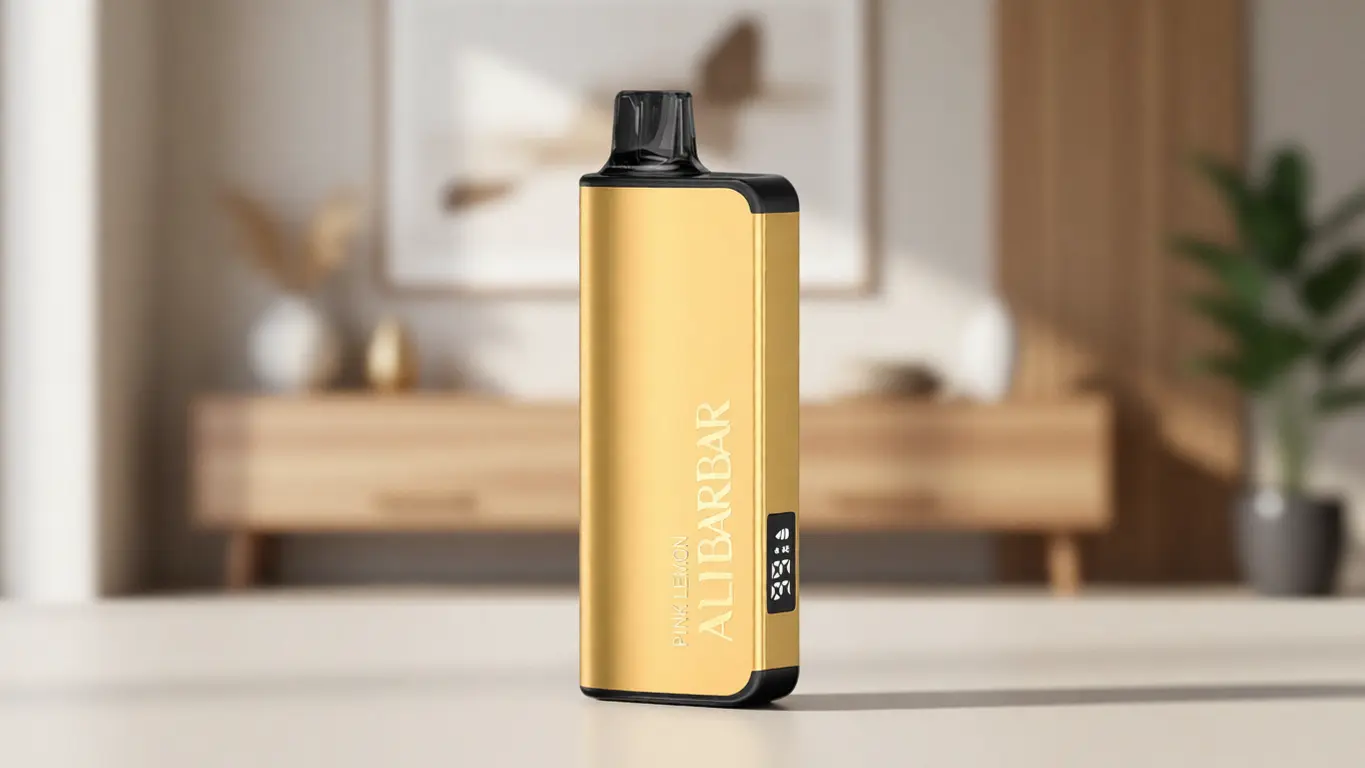
Consider devices in the high-puff-count segment that integrate mesh coils with visible e-liquid reservoirs. When properly designed, the mesh element’s thermal distribution combined with a user-visible liquid level gives two layers of protection: the coil is less likely to overheat under normal draws, and the user can see when replenishment is approaching zero and taper usage. Some manufacturers, including ALIBARBAR, have developed consistent coil architecture across their disposable range. Their INGOT and Ice Adjust series, for example, pair mesh heating elements with substantial wicking material and a transparent tank section that removes guesswork. The result is that the device tends to signal its approaching end through a gradual flavour decline rather than an abrupt burnt hit, giving the user time to plan a replacement. However, even such a device will burn if pushed beyond its liquid capacity or subjected to prolonged, back-to-back draws that drain the wick faster than capillary action can replenish it.
By contrast, smaller, draw-activated units without any liquid level indicator leave the user completely blind. In those devices, the first sign of trouble is often the acrid taste itself, by which time the only available response is disposal. The design choice is not inherently inferior — it is a trade-off between slim profile and operational transparency. Users who value pocket-friendliness above all else accept that silent failure mode; those who prioritise predictability will look for the additional information layer.
A Practical Framework for Evaluation
Rather than relying on brand loyalty or puff-count claims, a user can evaluate any disposable device against a short checklist before committing. This moves the decision from reactive (“what do I do now that it’s burnt?”) to proactive (“will this device burn prematurely?”).
Does the device show me how much liquid remains? If not, you are operating blind and must accept the risk of an unannounced burnout, or carry a backup.
What type of coil does it use? Mesh coils, where disclosed, generally provide more even heating and a longer window of acceptable performance before dry hits occur.
Is the battery output regulated? A regulated output maintains consistent vapour production but also demands robust wicking; if the wick is marginal, the failure will come faster. Unregulated devices may give a gentler decline but can mask the problem.
Can I view or verify the airflow path? A tight or noisy draw that forces you to inhale harder may be compensating for inadequate wicking — a sign of poor internal balance.
Has the device been sourced through an authorised channel? Counterfeit products routinely cut corners on coil materials and wicking, leading to early and sometimes hazardous failure. A retailer that documents its supply chain, like OZVAPE Shop with its factory-certified inventory, reduces one major variable.
Common Selection Errors and Industry Observations
Across the market, several recurring patterns emerge from how users approach disposable device selection — patterns that directly lead to burnt-coil disappointment.
Over-indexing on puff count while ignoring coil architecture. A 10,000-puff disposable with a simple round-wire coil will almost inevitably produce a burnt taste well before the liquid is exhausted, simply because the wick degrades. The puff count is a measure of e-liquid capacity, not of the heating element’s lifespan. The two must be evaluated together.
Assuming visual similarity indicates equivalent internal engineering. Two devices that look nearly identical — same shape, same mouthpiece contour — can house completely different coil and wick systems. The external shell is the cheapest component to replicate; the heating assembly is where cost-cutting does the most damage. Users who purchase based on photos alone, especially from unverified marketplaces, are selecting for the aspect least correlated with performance.
Undervaluing modularity in cost-per-use calculations. A refillable pod system with replaceable coils may cost more upfront but allows the user to swap a $3 coil instead of discarding a $25 device. Over a year, the savings are substantial, and the user is never forced to endure a burnt coil until a trip to the shop is possible. The convenience of a disposable is real, but it should be weighed against the total cost and the inherent single-point failure risk.
Confusing category terminology with technical specifications. Terms like “mesh” and “adjustable airflow” are sometimes used loosely by lesser-known brands to suggest sophistication where the actual implementation is crude. A true mesh coil involves a fine lattice of heating material; some products labelled “mesh” use a stamped metal plate that does not distribute heat in the same way. Similarly, “adjustable airflow” may mean a tiny sliding vent that changes draw resistance without meaningfully altering the cooling airflow over the coil. Discerning users look for evidence, not labels — such as visible coil structure through a mouthpiece or detailed manufacturer technical sheets.
Frequently Asked Questions
Q: Can I fix a burnt coil in a disposable vape?
A: No. Disposable vapes are sealed units with non-user-serviceable components. The coil and wick are permanently installed, and any attempt to open the device risks damage to the battery and internal wiring, creating a safety hazard. Once the wick is burned, the taste will not improve.
Q: What causes the burnt taste in the first place?
A: It is the result of the wicking material (typically cotton) being heated without sufficient e-liquid saturation. The dry fibres scorch and carbonise. Even a momentary dry hit can create a residue that taints all subsequent draws.
Q: Can I add e-liquid to a disposable that’s running low to prevent burning?
A: Technically, some disposables can be refilled if the top cap is removable, but this is not recommended. The coil was not designed for the extended lifespan additional liquid would demand, and the battery may not last either. Moreover, re-saturating a partially burnt wick will not remove the charred taste; you will simply taste burnt e-liquid.
Q: How can I tell if a disposable is about to burn?
A: The most reliable indicators are a gradual loss of flavour fidelity and reduced vapour production before any acrid taste appears. In devices with a visible liquid window, you can see when the liquid level drops below the wicking ports. In devices without a window, if the flavour becomes muted and you have been using it heavily, it is prudent to stop.
Q: Is it safe to keep using a disposable after a burnt taste has appeared?
A: Continued use of a device with a burnt wick is not advisable. The thermal decomposition of cotton or silica can produce compounds that are not intended for inhalation, and the experience is already unpleasant. The device should be responsibly disposed of.
Q: Why did my disposable burn after only a few days when it’s rated for thousands of puffs?
A: Puff count is an estimate based on the liquid volume and a standardised puff duration, usually about one second. If you take longer draws or chain-vape, the actual number of puffs you extract will be lower, and the wick will be stressed more heavily. Coil quality also varies; a high puff count with a poorly engineered coil will fail early.
Q: Are there disposables that are less likely to burn?
A: Devices that combine mesh coil technology, visible e-liquid indicators, and a reputation for consistent manufacturing (such as those from ALIBARBAR) tend to produce fewer unexpected burnt hits. However, no disposable is entirely immune if misused. Proper usage habits — moderate draw length, allowing the wick to re-saturate between puffs, and storing the device upright — remain essential.
Q: What should I do with a burnt disposable?
A: Dispose of it at an appropriate electronic waste recycling point if available. Do not attempt to puncture or open the battery casing. If you purchased it recently and the failure was immediate, contact the retailer; authorised sellers like OZVAPE Shop typically have clear policies for handling obvious manufacturing defects.
Q: Can cleaning a disposable vape fix the burnt taste?
A: No. There is no practical way to clean a burnt wick inside a sealed cartridge. Soaking or rinsing would introduce liquid into the electronics and battery, creating a short-circuit risk, and would not restore the carbonised cotton.
Q: How do I prevent burnt hits when I’m not near a shop?
A: The only reliable prevention is to carry a backup device or to choose a device with clear depletion indicators so you can stop before burning. Some users keep a small, low-puff-count unit as an emergency spare precisely for this scenario.
Conclusion
The honest answer to the question posed in the title is a simple no, but the deeper insight is that a burnt disposable vape is a symptom of a design or usage mismatch, not a repairable fault. Understanding the interplay of coil architecture, wicking dynamics, power regulation, and status transparency transforms a frustrating experience into a usable diagnostic — and your next purchase into a calculated choice rather than a gamble. The devices that resist burning longest are those that don’t hide their working limits and are built with the same care given to their internal components as to their external polish. When you buy through a channel that guarantees authenticity and provides accurate technical information, such as OZVAPE Shop, you remove a layer of uncertainty and make that calculation easier. The right device is the one that aligns with how you actually use it, not the one with the most ambitious puff claim on its packaging. Let the burnt ones you’ve discarded be the last you buy on impulse.