
VAPE FAQs
Can A Vape Set Off A Smoke Detector?
Sep
Many people who rely on portable electronic devices have, at some point, paused before using a device in a hotel room, a rented apartment, or an office building. The question is simple but the answer is not: can a vapor-producing device trigger a smoke alarm? The short answer is yes, but the conditions that lead to that outcome are often misunderstood. What matters is not just the vapor itself but the type of detector, the density of the aerosol cloud, and how the device is used. Understanding these variables can mean the difference between an uneventful moment and an embarrassing evacuation.
At OZVAPE Shop, we believe that informed users make better decisions. This article unpacks the technology behind smoke detectors and the physical properties of vapor, providing a practical framework anyone can use to assess risk without resorting to guesswork or folklore.
How Smoke Detectors Work: A Technical Foundation
To understand whether a vape can set off an alarm, we need to look inside the detector. Residential and commercial smoke detectors use three principal sensing mechanisms, each with a different sensitivity to the aerosol produced by a personal device.
Ionization Detectors: Fast-Flame Sensing
Ionization detectors contain a small amount of radioactive material that ionizes air between two plates, creating a steady current. When combustion particles—invisible, often submicron soot from fast-flaming fires—enter the chamber, they attach to ions and disrupt the current, triggering the alarm.
Ionization detectors are exceptionally responsive to small, high-energy particles. Vapor from a device, however, is a liquid aerosol. The droplets are larger than soot particles and typically do not disrupt the ionization current the same way. In most circumstances, an ionization detector will not react to vapor unless the cloud is extremely dense and directly floods the chamber. Anecdotally, many users report using devices in rooms with ionization detectors without incident.
Photoelectric Detectors: Scattering Light
Photoelectric detectors work on a different principle. Inside the chamber, a light source beams across a dark cavity. A sensor positioned at an angle monitors for scattered light. When large, visible particles—like those from smoldering fires—enter the chamber, they reflect light onto the sensor and the alarm sounds.
This is where things get interesting. Vapor droplets, especially the dense, visible cloud emitted by many modern devices, can scatter light just as effectively as smoke particles. In a photoelectric detector, a concentrated plume of vapor can easily reach the threshold needed to trigger the alarm. This is why most reported cases of vaping-induced alarms involve photoelectric detectors, particularly those installed in hotel rooms, public bathrooms, and aircraft lavatories.
Heat Detectors: Temperature Thresholds
Heat detectors are not concerned with particles. They activate when a fixed temperature is exceeded or when a rapid rise in heat is sensed. Vapor from a device—exhaled at roughly body temperature—poses no risk of setting off a properly functioning heat detector. These are often found in kitchens and garages, where false alarms would otherwise be a nuisance.
The takeaway: if you are in a space with a photoelectric smoke detector, the risk is real and measurable. In spaces protected solely by ionization or heat devices, the risk is negligible under normal usage.
What a Vape Device Actually Emits: Aerosol, Not Smoke
A critical distinction often lost in casual conversation is that a vape produces an aerosol—a suspension of fine liquid droplets in gas—rather than solid combustion particles. The liquid is heated to a temperature that creates a visible cloud of condensed droplets, which then evaporate or dissipate in the surrounding air.
The particle size distribution matters. Vape aerosol particles typically range from 0.1 to 1 micrometer, with a high concentration of sub-visible droplets that can scatter light effectively when the cloud is dense. Unlike smoke, however, the droplets evaporate quickly and do not rise as aggressively on thermal plumes, meaning they tend to linger and spread more slowly. This behavior can work for or against you: vapor may not reach a ceiling-mounted detector as swiftly as hot smoke, but once it does, it can saturate a small room quickly.
The composition of the liquid—specifically the ratio of propylene glycol to vegetable glycerin—affects visibility. Higher glycerin content produces a thicker, denser cloud that persists longer and is more likely to interact with a photoelectric sensor. Users of high-output devices, or those who prefer dense visible clouds, should be aware that these characteristics directly increase the probability of an alarm.
The Variables That Decide the Outcome
Beyond the detector type, several practical factors determine whether an alarm sounds. No single factor operates in isolation; they combine to create a risk profile that can be managed.
Proximity and Dispersion
The most important behavioral variable is distance from the detector. Smoke detectors are designed to sample the ambient air, not detect a point source aimed directly at them. Blowing vapor directly toward a detector—particularly a photoelectric model—is essentially a manual test of its light-scatter sensor. Maintain distance, and let the vapor dissipate before it reaches ceiling level.
Room Size and Ventilation
In a large, well-ventilated space, vapor dilutes rapidly to concentrations too low to trigger any sensor. In a confined space, like a small bathroom or a sealed hotel room, the same amount of vapor can build up and reach the detector within minutes. Air conditioning vents, open windows, and fans significantly alter the dispersion pattern. Airflow that pushes vapor toward the detector can concentrate it at the ceiling; airflow that pulls it away can mitigate risk.
Device Output Characteristics
Devices vary widely in how much aerosol they produce per second. A compact, lower-output device may not generate enough visible cloud to concern even a photoelectric detector under normal use, whereas a high-capacity device with generous vapor production can fill a small room with a haze that would challenge any optical sensor. Understanding the behavior of your specific device under different usage conditions is the most honest form of risk management.
Practical Guidance for Avoiding Unwanted Alarms
If you need to use a device in a space where you are uncertain about the detector type, there are concrete steps that reduce the likelihood of triggering an alarm without resorting to tampering—which is not only dangerous but often illegal.
Identify the Detector: Look at the ceiling unit. Ionization detectors often have the letter “I” or a radioactive symbol; photoelectric detectors may have “P” or a stylized light beam. If you cannot tell, assume it is photoelectric, because false alarms are cheap, and the alternative is expensive.
Create Distance and Dilution: Exhale away from the detector, ideally toward the floor, where the air is cooler and the aerosol will linger longer before rising. Use a personal ventilation tool—even a book waved gently can disperse vapor before it reaches the ceiling.
Choose Lower Visibility Settings: If your device has adjustable output or if you have a choice of formulations, opt for lower visible cloud production. This is the least disruptive way to reduce risk.
Wait and Clear: Avoid using the device immediately before a sensor test or when you know the building’s alarm system is being serviced. Give the room time to clear between sessions.
These measures work in combination: one alone may not suffice, but together they can make the difference between an interrupted evening and an undisturbed one.
Why OZVAPE Shop Advocates for User Education
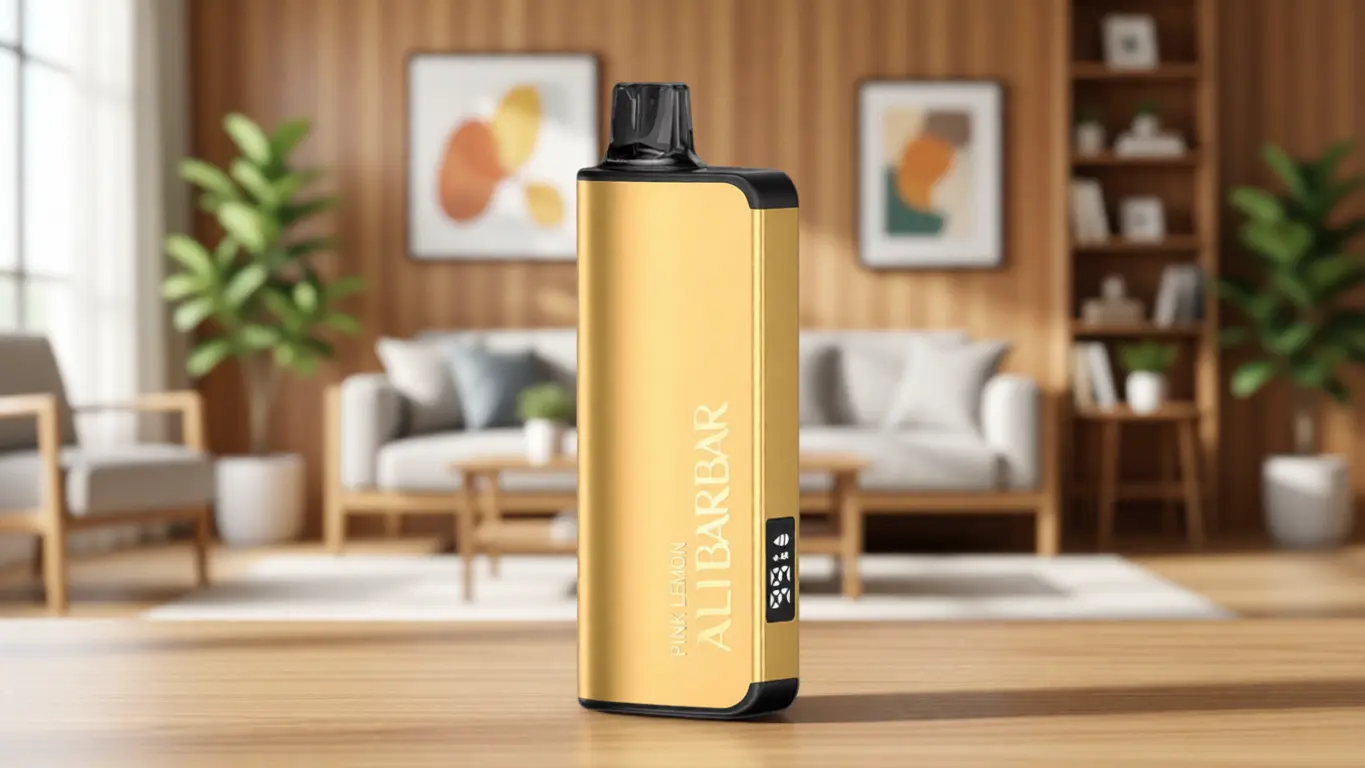
Retailers have a responsibility that goes beyond the point of sale. When an adult chooses a device from a collection like the ALIBARBAR range available through OZVAPE Shop (internal link), they are not just acquiring a piece of hardware; they are stepping into a set of real-world situations that demand common sense and technical literacy.
The ALIBARBAR lineup, for instance, is engineered for consistent output within its class—some models produce more visible aerosol than others. A user who understands this distinction can choose a device that aligns with where they will use it most: a compact, lower-output model for travel and enclosed spaces, or a higher-capacity device for open, ventilated environments. We see too many users blame the device for an alarm they could have avoided by understanding their detector type and adjusting accordingly. That is not a product failure; it is an education gap.
We document these patterns not to lecture but to equip. The more you understand about the interaction between your device and the infrastructure around you, the more confidently you can navigate a world full of sensors.
Frequently Asked Questions
Q: Will a vape always trigger a photoelectric smoke alarm?
A: No. Photoelectric detectors require a threshold concentration of particles. Light, occasional use in a ventilated space is unlikely to cause an alarm, but dense, repeated clouds can.
Q: Can a vape set off an ionization smoke detector?
A: It is possible but rare. Ionization detectors are optimized for much smaller combustion particles. Only an extremely dense vapor directly entering the chamber is likely to trigger one.
Q: What about aircraft lavatory smoke detectors?
A: These are almost always photoelectric and highly sensitive. Using a device in an aircraft lavatory is virtually guaranteed to trigger the alarm, which can result in serious consequences. Do not attempt it.
Q: Does the type of liquid make a difference?
A: Yes. Formulations with higher vegetable glycerin content produce thicker, more persistent clouds that scatter more light and evaporate slower, increasing the risk.

Q: Are there devices that produce no visible aerosol?
A: Some devices are designed for minimal visible output. However, even low-output devices can produce enough aerosol to trigger a sensitive photoelectric detector if used directly underneath it.
Q: Can a hotel charge me for setting off the alarm with a vape?
A: Yes. Many hotels treat vape-related alarms the same as smoke-related alarms and may levy cleaning or inconvenience fees. Always check the property’s policy.
Q: How can I test if my vape will set off a particular detector?
A: The only safe way is to contact the building manager and ask about the detector type and sensitivity. Do not attempt to test by intentionally triggering the alarm, which is a fire code violation.
Q: Does using a vape near a heat detector pose any risk?
A: No. Heat detectors respond to temperature, not particles. Normal vapor temperature is far below the threshold.
Q: What should I do if the alarm goes off while I am using a vape?
A: Stay calm. Open windows and doors to ventilate the room. If the building is evacuating, follow the fire warden’s instructions. Be honest if asked; a false alarm is less severe than obstructing an investigation.
Q: Where can I find reliable information about device output and usage?
A: Authorized retailers like OZVAPE Shop provide technical specifications and user guides that can help you understand your device’s characteristics before you use it in sensitive environments.
Conclusion: Knowledge Is the Best Prevention
A vape can set off a smoke detector, but it is not a random event; it is a deterministic outcome of detector type, vapor density, and user behavior. Photoelectric detectors are the primary concern, while ionization and heat detectors rarely respond to vapor under normal conditions. By understanding the sensor technology in your environment and adjusting your usage accordingly, you remove much of the guesswork and virtually all of the avoidable false alarms.
The right device, used with awareness, is not a hazard. It is a tool that performs predictably. At OZVAPE Shop (external link), we take that predictability seriously. Every device in our catalogue comes with clear documentation because we know that an informed user is the safest user. Whether you choose a compact ALIBARBAR unit for its modest output or a larger model for open spaces, the principle remains the same: understand what you are using, understand where you are using it, and the alarms will stay silent.
The decision is yours. Make it with your eyes open.