
VAPE FAQs
Can You Bring Vape On Cruise Ship?

May
Boarding a cruise ship involves navigating a web of regulations that can feel more complex than the ship’s deck plan. For adults who rely on portable electronic devices as part of their daily routine, the question “Will they let me take this onboard?” is both practical and urgent. Confiscation at the terminal—or worse, a misunderstanding in international waters—can disrupt an entire holiday. This article clarifies the real-world policies, the reasons behind them, and the steps you can take to travel without unnecessary friction. At OZVAPE Shop, we believe that informed planning is as essential as the device itself, so we’ve compiled the most current information from major cruise lines and official maritime security sources.
Understanding Cruise Line Policies: What’s Allowed and Why
Cruise companies operate in a unique jurisdictional space. Once a ship leaves Australian territorial waters, the captain’s authority and the vessel’s flag state laws generally apply, but many lines voluntarily follow international safety frameworks. This means you’re dealing with both a corporate policy and a patchwork of national regulations. Understanding the underlying concerns helps you anticipate what security staff will look for.
The Three Core Concerns That Shape All Cruise Line Rules
Fire Prevention – Lithium‑ion batteries, when damaged or improperly handled, can enter thermal runaway—a chain reaction that produces intense heat and toxic gases. In the confined environment of a ship, a battery incident is a serious safety hazard. This is why almost every cruise line bans devices with loose or exposed batteries, and many restrict storage of spare power cells.
Public Decorum and Air Quality – Most lines designate specific outdoor smoking areas (typically on designated decks, never in cabins or on balconies). Using a personal electronic device anywhere else—especially inside—is treated as a violation of the smoking policy, regardless of the device’s output profile.
Local Port Authority Rules – Some countries (e.g., Thailand, Singapore) have their own bans on certain categories of devices. While on the ship, line policy typically governs, but once you step onto the dock, you must comply with local laws. Ignoring this can result in fines, confiscation, or even denial of entry.
What the Major Lines Explicitly State
While details change, the industry standard is remarkably consistent. Here’s a summary of typical positions (current as of early 2025, based on publicly available guest conduct policies):
| Cruise Line | Device in Carry‑On? | Use Onboard? | Spare Batteries? | Notes |
|---|---|---|---|---|
| Carnival | Yes, must be in carry‑on; not in checked luggage. | Only in designated smoking areas. | Up to 2 spare batteries per person in carry‑on only. | Power banks and charging cases count as spare batteries. |
| Royal Caribbean | Yes, in carry‑on only. | Designated outdoor smoking areas only. | Forbidden from checked bags; limits on quantity may apply. | “Battery‑powered devices” are subject to the smoking policy. |
| P&O Australia | Yes, device must be carried on your person or in hand luggage. | Strictly in marked outdoor smoking zones. | Only in carry‑on; quantity not specified but “reasonable personal use” expected. | Staff are instructed to confiscate any device used in non‑smoking areas. |
| Princess | Yes, carry‑on only. | Outdoors in marked areas only. | Must be in carry‑on; never in checked bags. | Similar to P&O, with more explicit emphasis on fire risk. |
The pattern is clear: carry it on, never check it, and use it only where smoking is permitted. The cruise terminal check‑in process mirrors airport security in this regard. If you’ve ever flown with a camera battery, the logic is identical.
What This Means in Practice: Packing and Using Your Device on a Cruise
Knowing the policy is one thing; applying it without stress is another. These practical steps come from direct observation and feedback from frequent cruisers.
1. Carry‑On Is Non‑Negotiable
Never pack your device or spare batteries in checked luggage. Security staff will X‑ray bags before they reach the ship, and lithium cells are flagged immediately. If found, your bag may be delayed, the item confiscated, and you may face a cabin visit from security. Treat your device like a phone or laptop: it stays with you.
2. Keep Function Indicators Clear
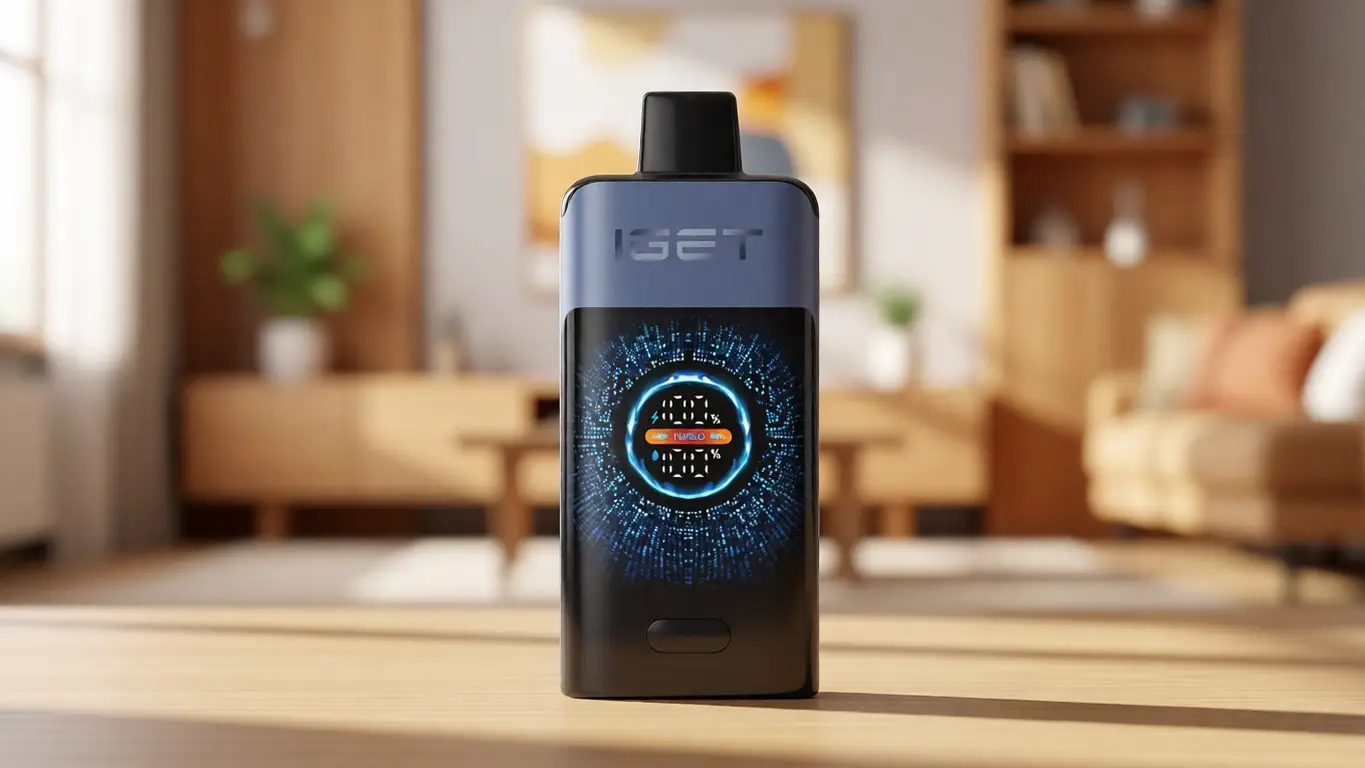
Devices with transparent status displays—showing power level, activation lock status, and fault warnings—give you confidence when approaching a security desk. If a device is entirely opaque, you have no way to demonstrate its state. At OZVAPE Shop, we have observed that travellers who choose hardware with unambiguous status feedback (like the ALIBARBAR series) report fewer misunderstandings at checkpoints simply because they can show, rather than just explain, that the device is powered down or locked.
3. Stow Spare Power Cells Properly
Spare lithium batteries must be individually protected against short circuits. That means keeping them in their original retail packaging, or placing each battery in a separate plastic bag or a purpose‑made battery case. Loose batteries rattling in a bag with keys or coins are exactly the kind of situation that triggers a safety message.
4. Respect the Smoking Zones—Even When It’s Inconvenient
The most common complaint isn’t confiscation; it’s passengers using devices on their balconies or in cabins and receiving a warning from the purser. Cruise line staff are trained to enforce the smoking policy with zero tolerance because the consequences of a fire at sea are catastrophic. Using your device outside a designated zone, even briefly, can result in a formal warning, a cleaning surcharge, or, in rare cases, disembarkation at the next port.
5. Check Local Laws for Your Ports of Call
A device that is perfectly legal in Sydney may be entirely banned in Singapore, Thailand, or parts of the United States. If your itinerary includes ports with strict regulations, the safest approach is to leave the device in your cabin safe. Disembarking with it could lead to an encounter with local authorities that the cruise line cannot overrule.
Common Mistakes and Misunderstandings
From conversations across industry forums and direct customer experience, several recurring errors stand out.
Assuming “cruise line X” is the same as “cruise line Y.” While the big picture is similar, subtle differences—like whether power banks are treated as spare batteries, or the exact number of spare cells permitted—can trip you up. Always check your specific line’s guest conduct PDF before packing.
Bringing a device that can’t be locked or powered down fully. Some units are fully draw‑activated and have no hardware lock. At a security checkpoint, staff may ask you to demonstrate that the device is off, and an always‑live unit creates unnecessary tension. Devices with a physical power‑lock or menu‑based shutdown are far easier to explain.
Leaving a device in a hot car or on a sunny balcony before boarding. A lithium cell that has been pre‑heated is statistically more likely to trigger a battery warning during X‑ray. Keep your device cool before arrival.
Forgetting that the ship’s policy also covers accessories. Charging docks, cables with inline batteries, and extra pods or cartridges are generally fine, but anything containing a lithium cell falls under the same carry‑on rule.
A Practical Pre‑Cruise Checklist
Use this list a week before departure to avoid terminal surprises.
☐ Read the cruise line’s current guest conduct policy (search for “lithium battery” and “smoking policy”).
☐ Confirm your device has a reliable power indicator and, ideally, a lock function.
☐ Charge the device to around 50% before arrival—partially charged cells are more stable.
☐ Pack the device and all spare batteries in your carry‑on bag, not in checked luggage.
☐ Store each spare battery in its own protective sleeve or plastic bag.
☐ Research the local laws of every port on your itinerary. If a ban is in place, plan to leave the device onboard in your cabin safe.
☐ If travelling with a device that has a removeable power cell, consider carrying the cell separately through security to show it is disconnected.
Frequently Asked Questions
Q: Can I put my vape device in my checked suitcase?
A: No. All major cruise lines explicitly prohibit lithium‑battery‑powered devices in checked luggage. This includes the device itself, spare batteries, and even charging cases with integrated batteries. Security will remove them.
Q: What happens if I’m caught using my device in my cabin?
A: Typically, you’ll receive a formal warning. Some lines impose a cleaning fee of several hundred dollars and may confiscate the device for the remainder of the voyage. Repeat violations could lead to disembarkation at your expense.
Q: Are there any cruise lines that allow use on balconies?
A: No. Balconies are universally treated as part of the stateroom and are subject to the indoor smoking ban. This is driven by fire risk, not etiquette.
Q: Do I need to declare my device at check‑in?
A: You don’t usually need to declare it verbally, but it must be in your carry‑on for X‑ray. If security asks, answer honestly. Lying about it will escalate the situation.
Q: I’m travelling from Australia; do I have to worry about local laws in other countries?
A: Yes. Several popular cruise destinations (Singapore, Thailand, parts of India) have strict laws on personal electronic devices. If you disembark with a device that is illegal locally, you risk fines or detention. Leave it in your cabin safe.
Q: Can I charge my device in my cabin?
A: Yes, charging in the cabin is permitted because the device is not in use. Use only the manufacturer‑provided charger and do not leave it unattended for long periods.
Q: What’s the safest device design for cruise travel?
A: A device with a clear battery indicator, a physical lock or power‑off function, and a robust, shock‑absorbent casing is ideal. Designs from ALIBARBAR, for example, incorporate industrial‑grade housings and unambiguous fuel‑gauge displays that make explaining the device to security simpler than with opaque, draw‑only units.
Q: Can I bring extra power banks or charging cases?
A: Yes, as long as they go in your carry‑on. Some lines limit the number of spare lithium batteries (often two per person), so check the fine print. A power bank that can also serve as a backup charger for your phone might be a practical, multi‑purpose choice.
Conclusion: Travel with Confidence by Understanding the Rules
The answer to “Can you bring a vape on a cruise ship?” is a qualified yes—provided you respect the universal industry safety protocols. Carry it on, never check it, use it only where smoking is allowed, and research port laws in advance. These aren’t arbitrary hurdles; they’re sensible precautions that have evolved from genuine safety incidents at sea.
Planning ahead means you spend your boarding day by the pool, not in a queue at the security desk. Organisations like OZVAPE Shop (external link, opens in new window) structure their product information transparently so that adults can select devices that align with travel requirements—clear status indicators, durable builds, and compliance with international safety standards. Ultimately, the right device is the one that fits your routine, including those moments when you’re thousands of kilometres from home and the nearest power outlet. Choose thoughtfully, pack carefully, and you’ll have one less thing to worry about as the pilot boat pulls away from the wharf.