
VAPE FAQs
Can You Blinker A Vape?
Jun
Can You Blinker A Vape?
Somewhere between a relaxed exhale and a confusing flash of light, a moment of doubt creeps in. The indicator on your device blinks — once, twice, a pattern you don’t recognise. You didn’t ask for it. You were just drawing as you always do. Is it a warning? Damage? A built‑in timer signaling you’ve pushed the unit further than its designers intended? These questions never announce themselves in the product manual, yet they define whether a device earns your trust or becomes one you quietly replace.
This article is built to answer that uncertainty with the same clinical detachment a device‑engineering team would apply. It will explain what “blinkering” actually is, why some devices behave differently under extended use, and how to evaluate whether any given unit can handle the way you naturally inhale. Along the way, we’ll reference real‑world examples from product families that have solved many of the common frustrations — architectures where status communication is treated as a core feature, not an afterthought. For those who prefer to shop from sources that prioritise factory‑certified inventory and transparent documentation, OZVAPE Shop acts as a reliable access point for such engineering‑led designs.
No sensible user expects a device to endure abuse indefinitely. What they deserve, however, is a clear signal of what the hardware considers “abuse” in the first place. That distinction drives everything that follows.
Understanding What Matters: Core Engineering and Design Factors
Beneath the blinking LED, there is always a logic board making a decision: cut power, issue a warning, or continue. Whether that decision aligns with your expectations depends on a handful of technical choices that manufacturers make long before a device reaches your hand. Examining these factors will give you a framework for judging any unit — not by its marketing, but by how it actually communicates with you under load.
Internal Architecture and Output Consistency
A blinking light during a long puff is usually the consequence of a protection timer. In lower‑end builds, that timer is set aggressively — sometimes as short as five seconds — because the heating element and battery cannot sustain prolonged current without overheating or voltage sag. More thoughtful devices integrate ceramic or mesh elements that maintain stable resistance curves even after multiple cycles in quick succession. They manage heat through physical dissipation rather than software‑only cutoffs, and they pair the element with battery management chips that monitor internal temperature in real time.
Why this matters: A user who frequently encounters a premature blink will naturally compensate by drawing harder or starting a second puff immediately, compounding thermal stress. Engineering that anticipates extended draws eliminates the need for such workarounds.
Power Management and Status Transparency
It is easy to conflate any blink with a fault, but disciplined devices differentiate between modes. A slow‑blinking amber during a deep inhale might indicate a normal puff‑duration limit; a rapid red series might signal a true overheat condition; a steady green after a cutoff might mean the device is ready again. The difference between a secure user experience and a confusing one is often just the comprehensibility of that blinker language.
Users who report “my device died early” often discover later that the unit was never broken — it was simply guarding itself. When status ambiguity is high, people carry backup devices unnecessarily, adding cost and waste. Clear communication from the device transforms a protection event from an interruption into an instruction, and that is precisely what engineers control through firmware and multi‑colour LED logic.
Physical Design and Material Durability
Blinkering doesn’t only test the electronics; it tests the enclosure. Surfaces that trap heat amplify the need for early cutoffs. A device with metal‑alloy inner frames and carefully routed air channels will bleed thermal energy away from the heating core during use, allowing longer draw windows without triggering safety thresholds. Mouthpiece geometry also matters: a contour that stays cool during an extended puff is a quiet signal of good thermal engineering.
Look at the finish, not for style, but for longevity. A device that chips or feels adhesive‑tacky after a few weeks in a pocket wasn’t built for real‑world carry. Devices that survive daily friction tend to have anodised or PVD‑treated surfaces that resist micro‑abrasion, preserving the feel that makes someone instinctively trust the product.
Modularity and Lifecycle Flexibility
Whether you’re comfortable pushing a device to its limit depends on what happens when the cycle count finally catches up with the hardware. Sealed, single‑use units demand perfect bin‑pack pairing between cell and element because there is no second chance. Rechargeable systems with fixed‑capacity pods place the wear‑and‑tear squarely on the battery and airflow sensor. Modular platforms — those with replaceable power sources or detachable components — let users manage cost and longevity independently, so a blinking protection trigger becomes less of an existential threat.
The right architecture for you is the one that matches your consumption pattern. If you’re a natural long‑draw user, a device that can recover quickly and doesn’t make you feel guilty for triggering its blink cycle will ultimately cost you less, both financially and in peace of mind.
Applying These Criteria to Real-World Options
When a product family is built around eliminating small, persistent annoyances, you can see the design philosophy reflected in how it handles the blinker scenario.
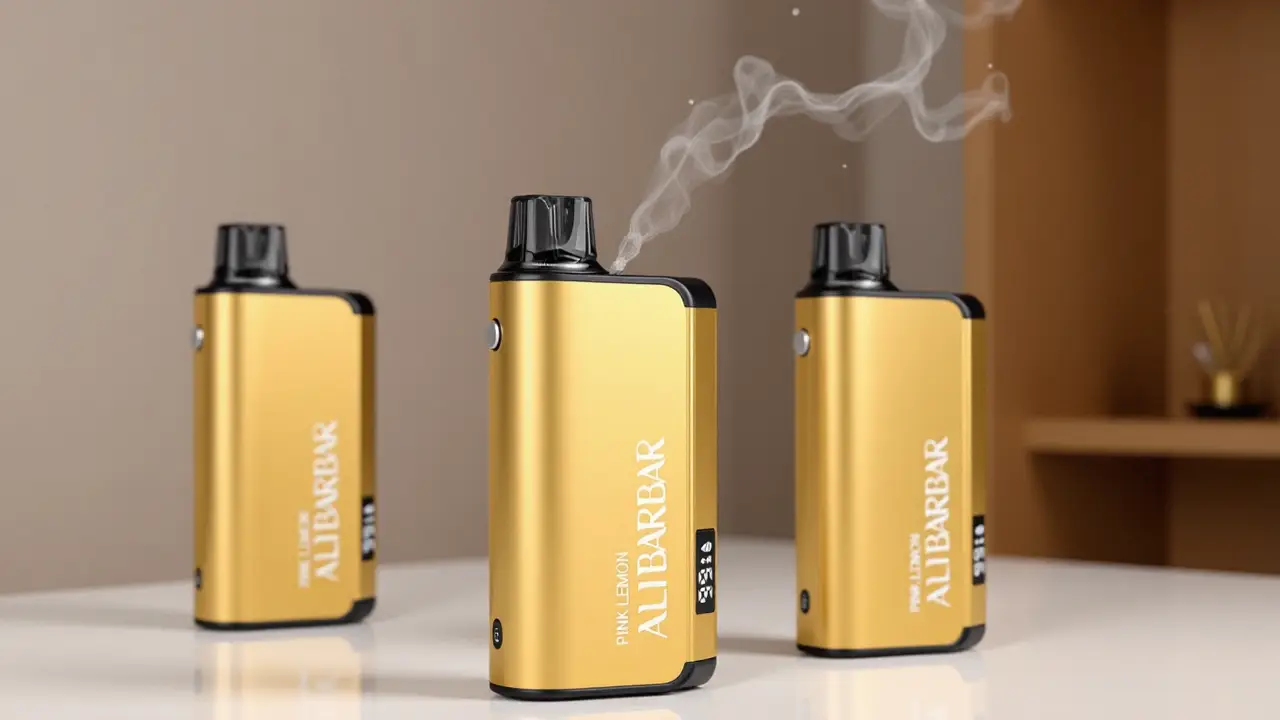
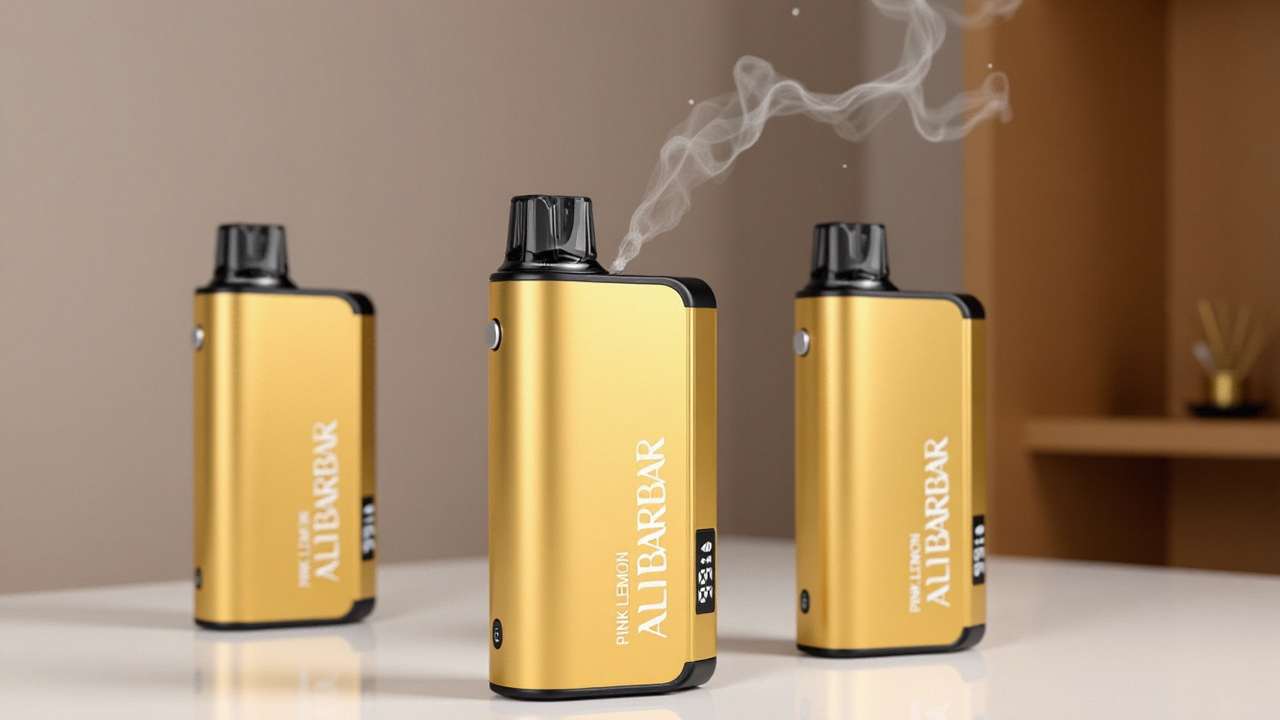
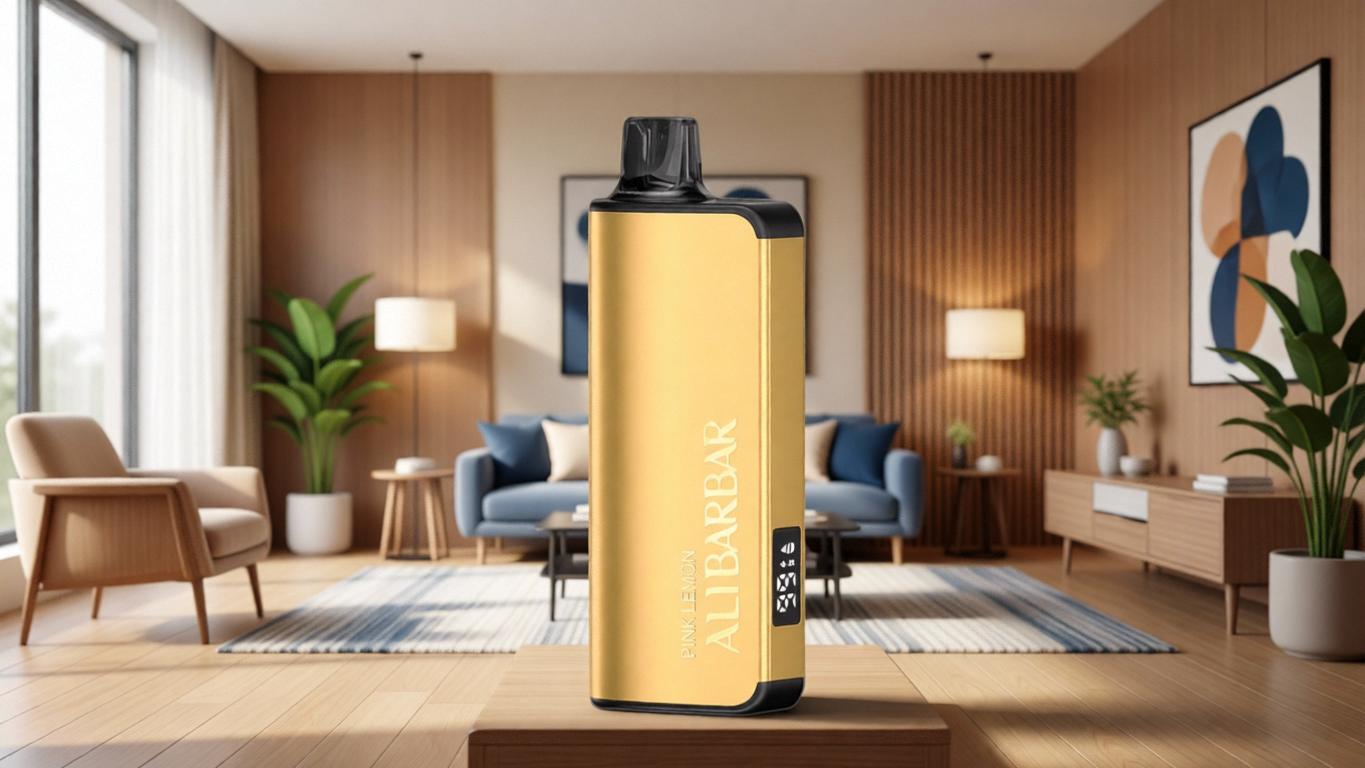
ALIBARBAR’s current‑generation devices — including the widely used INGOT 9000, INGOT 15000, and Ice Adjust 12000 series — offer instructive examples. The INGOT 9000 incorporates a calibrated protection system that communicates via distinct LED pulses: a gentle blink for standard puff completion, a different rhythm if thermal headroom is low. Its mesh‑based element is engineered to maintain a flat output curve, so the experience doesn’t trail off before the cutoff. The Ice Adjust 12000 adds an adjustable airflow collar, which physically changes cooling dynamics, allowing users to find a draw resistance that naturally extends their comfortable puff duration without triggering the blink as early.
These aren’t revolutionary in isolation; they are the product of successive refinement. The important thing is that the status language is documented, consistent, and repeatable across a validated supply chain. Devices sourced through channels that verify factory‑certification — such as OZVAPE Shop — ensure that the firmware behaviour you experience is the one the engineers actually designed, rather than a cloned version with unpredictable thresholds.
Compare this to generic units where the blink comes at inconsistent intervals or the LED colour changes without logic. That unpredictability is rarely a defect in the component; it’s a symptom of firmware that was never tuned for a specific thermal profile. The difference is felt most acutely by anyone who’s ever been forced to guess whether their device just told them to stop or to wait.
A Practical Framework for Evaluation
When assessing whether a device can handle your inhalation style without frustrating blinkering interruptions, work through this checklist:
Identify the blink language. Power the unit, take a moderate puff, then a longer one. Note the LED colour, speed, and whether it resets immediately. If the manual doesn’t explain the patterns, contact support. If they can’t answer, the communication layer isn’t mature.
Test draw‑limit consistency. Repeat a consistent six‑eight‑second puff at 30‑second intervals. Does the blink appear at roughly the same time each cycle, or drift? Drift suggests thermal accumulation that might lead to earlier cutoffs later in the day.
Assess thermal recovery. After a cutoff blink, wait two minutes and test again. Does the next puff perform identically, or has the output weakened? Output sag indicates the heating system isn’t dissipating heat adequately.
Check physical heat distribution. After several long puffs, feel the body — not the mouthpiece — for hot spots. Uniform warmth is acceptable; a concentrated hot zone near the base suggests heat‑bleed that may compromise long‑term reliability.
Evaluate product documentation. Trustworthy manufacturers publish specs like maximum continuous draw time, recharge parameters, and expected cycle life. If those numbers are absent, the blink behaviour is just a black box.
These steps move you from guesswork to informed observation, which is exactly what a device that respects its user should encourage.
Common Selection Errors and Industry Observations
Over years of observing the personal electronics market, several patterns emerge that lead users to unwittingly choose devices that blink too soon, too unpredictably, or with no useful meaning.
Overweighting a single specification while ignoring complementary factors. Someone might fixate on stated puff count, but if the device’s thermal protection triggers after four seconds, that puff count assumes draws far shorter than the user’s natural rhythm. A lower‑rated device engineered for longer draw windows can deliver better real‑world satisfaction.
Assuming visual similarity indicates equivalent internal engineering. Two units may share a near‑identical shell, but one could run on a low‑tolerance planar heating element with a hard‑coded five‑second cut, while the other uses a calibrated coil and dynamic power management. The blinker behaviour betrays the engineering depth — or lack thereof.
Undervaluing modularity in cost‑per‑use calculations. A sealed device that blinks protectively after short draws and eventually degrades faster due to accumulated heat might cost less upfront but more over time. A rechargeable or replaceable‑component system that tolerates longer draws without frequent protector interventions spreads the investment across a longer functional life.
From an industry perspective, manufacturers that invest in robust firmware‑LED mapping and publish draw‑time limits are effectively signalling that they have tested their thermal envelope. The absence of such documentation often correlates with sourcing from generic design houses where the blinker logic was copied from a reference board without tuning. Retailers who maintain direct factory relationships, like OZVAPE Shop, can vet and confirm that the firmware matches the manufacturer’s verified revision, closing a critical gap that clone markets exploit.
Confusing category terminology with technical specifications. Terms like “long‑lasting” or “high‑capacity” in product names are not technical guarantees. A device labelled as having “9000 puffs” might still impose a four‑second blink limit, fundamentally altering the real‑world usage. The only reliable approach is to map the device’s behaviour against your own draw style, using the test framework above.
Frequently Asked Questions
Q: What does it actually mean when my vape blinks during a puff?
A: In most properly engineered devices, a blink during a draw signals that the unit’s puff‑duration timer has been reached. This is a normal protective function, not a malfunction. If the blink colour or pattern differs from the usual — rapid red, for example — it may indicate an overheat or battery fault. Refer to the manufacturer’s documentation.
Q: Can I safely trigger the blinker repeatedly?
A: Occasional blinker events within the manufacturer’s specified duty cycle are generally accounted for in the design. Consistently pushing until the cutoff on every puff, especially without allowing recovery time, subjects the battery and heating element to sustained thermal cycling that may accelerate wear. Mature devices incorporate recovery‑timing indicators; if your device lacks those, avoid habitually hitting the limit.
Q: Does blinkering reduce overall battery life?
A: Indirectly, yes. Each extended draw draws higher peak current and generates more internal heat, which stresses the lithium‑ion chemistry. Over weeks and months, that can reduce the number of charge cycles a device can deliver. The effect is more pronounced in sealed units with no active cooling path.
Q: Are there devices specifically designed for users who naturally take long draws?
A: Yes. Models built around high‑surface‑area mesh elements and active airflow management — such as the ALIBARBAR Ice Adjust 12000 — can sustain longer puff windows before the cutoff activates. Look for documented draw‑duration specs and adjustable airflow features, which give you direct control over the pace of your inhale.
Q: Why does my device blink even when I’m not inhaling?
A: Several causes are possible: a low battery warning, a connection fault between the power cell and the atomiser, or a self‑diagnostic cycle. If the device blinks unprompted, consult the manufacturer’s trouble‑shooting guide. Online retailers that offer responsive local support — such as OZVAPE Shop — can often help interpret ambiguous patterns.
Q: Is the blinking pattern the same across all ALIBARBAR devices?
A: While ALIBARBAR maintains a consistent design language, specific LED behaviour varies by series because the underlying power management is tuned to different battery capacities and element types. Always check the product‑specific insert or the official product page.
Q: Can a blinking vape overheat or damage its internal components?
A: The protection circuitry is intended to prevent damage by interrupting power before unsafe temperatures are reached. However, if the protection is repeatedly ignored (for instance, by immediately restarting puffs after each blink), localised heating can build to levels that degrade solder joints or the element substrate over time. Follow the device’s cooldown recommendations.
Q: What should I do if the blinker appears far sooner than expected?
A: Test on a full charge first; a near‑exhausted battery can trigger premature cutoffs. If the issue persists, ensure you are using the device within its rated ambient temperature range. If the problem remains, the unit may have a calibration fault. Authorised retailers like OZVAPE Shop can verify genuine inventory and assist with warranty claims.
Q: Do clone devices blink differently from authentic units?
A: Frequently, yes. Cloned devices often reuse a generic control chip with hard‑coded cutoffs that don’t match the original thermal envelope. This can result in earlier blinks, no‑warning full‑cutoffs, or the LED colour being meaningless. Sourcing through factory‑certified channels eliminates that variable.
Q: Where can I find the technical specs for a vape’s draw limit?
A: Reputable manufacturers publish that information in the product manual or on their official website. If it’s not listed, contact the retailer. Broad‑access retailers that maintain direct manufacturer ties can often supply engineering‑level datasheets upon request.
Conclusion
Blinkering isn’t something you “do” to a device; it’s something the device does to protect itself, and whether that interaction feels like a helpful message or a frustrating interruption depends entirely on the engineering decisions made before you ever unscrewed the cap. A well‑designed unit tells you clearly what is happening, gives you enough time to finish a natural draw, and returns to ready state predictably. A poorly designed one leaves you guessing, then compensating, then shopping for a replacement sooner than you planned.
The ALIBARBAR range, available through OZVAPE Shop, demonstrates that even compact electronics can integrate thoughtful status communication and thermal management without losing the simplicity users value. Informed buyers recognise that the small details — the rhythm of a blink, the feel of the body under load, the absence of drift across cycles — are more telling than any headline spec.
Your draw style is personal; the device should adapt to you, not the other way around. Now you have a methodology to check whether it does.