
VAPE FAQs
Can Vape Set Off Sprinklers?
Jun
The quiet anxiety of triggering a ceiling‑mounted device in a hotel room, office, or rented apartment is familiar to many adults. You exhale a plume, glance upward, and a moment of hesitation follows: could that vapour cause a sudden deluge of water, property damage, or an embarrassing evacuation? The question has practical roots, yet the conversation around it often conflates two very different safety systems. What follows unpacks the physics of fire suppression hardware, the engineering of modern vapour‑producing devices, and the specific conditions that could create a nuisance alert — so you can make decisions based on how things actually work, not on recurring myths.
OZVAPE Shop has observed that many users develop their understanding of device behaviour from fragmented online posts rather than from a structured, factual reference. This article provides that reference, treating the intersection of aerosol physics and building safety systems with the care it deserves.
Understanding Sprinkler Activation: Heat, Smoke, and the Systems That Use Them
The first and most critical distinction is one that often gets blurred in casual conversation. Fire sprinklers and smoke detectors are separate assemblies with different triggers, different control logic, and different consequences when activated.
How Fire Sprinklers Actually Work
A fire sprinkler head is a mechanical heat‑sensitive valve. The vast majority contain a glass bulb filled with a glycerin‑based liquid, or a fusible metal link. When the air temperature around the bulb reaches a calibrated threshold — typically 68°C (155°F) for standard residential and light‑hazard applications — the liquid expands enough to shatter the glass, or the link melts, releasing a plug and allowing water to flow. There is no electronic sensor, no smoke detection, and no interconnection with alarm panels except in specialised pre‑action systems (which still require a confirmed fire signal before water is released).
The vapour produced by a personal electronic device at the point of exhalation is generally between 28°C and 35°C, well below body temperature and far beneath the activation point of any commercial sprinkler. Even if a device were to overheat internally, the heat dissipated into the air around it would be negligible at ceiling level. The physics is unambiguous: a portable vapour‑producing device cannot impart enough thermal energy to trigger a glass‑bulb sprinkler.
Smoke Detectors Are Not Sprinklers
What people actually witness — an alarm sounding, lights flashing, building staff responding — is the activation of a smoke detection system. These sensors are electronic. Photoelectric detectors use a light beam and a photocell; when particulate scatters the beam, the current change triggers an alarm. Ionization detectors are less common in new installations but still exist, and they respond to microscopic particles that disrupt an electric current. Vapour aerosol from devices can, under certain conditions, trigger either type, especially if blown directly toward a detector housing.
This distinction matters enormously. A sprinkler activation releases hundreds of litres of water per minute and is irreversible until manually shut off. A smoke alarm is an audiovisual alert that resets when the air clears. Conflating the two leads to exaggerated fears — and, conversely, to a false sense of security if someone assumes that a detector that didn’t react means a sprinkler wouldn’t either.
Aerosol Physics and Real‑World Sensor Interaction
The exhaled aerosol from a modern device consists primarily of propylene glycol, vegetable glycerin, and water droplets, with a median particle diameter of around 0.2–0.5 microns. These particles remain suspended and behave like low‑density fog. In a photoelectric chamber, they can scatter enough light to push the sensor past its alarm threshold, especially in spaces with poor ventilation or when large volumes of aerosol are released near the detector. However, the same cloud will not alter the temperature at ceiling level meaningfully. The risk is confined to detection, not to suppression.
Device Engineering and the Vapour Characteristics That Matter
If the thermal risk from vapour is effectively zero, why do some devices seem to trigger alarms more readily than others? The answer lies in how the device is designed to heat, aerosolise, and deliver the liquid — and how consistent that design remains over its operational life.
Coil Temperature, Airflow Path, and Exhale Temperature
Devices rely on a coil — often mesh or wire — heated by electrical current to vaporise a liquid saturated in a wicking material. The coil surface can reach temperatures between 180°C and 250°C during activation. This is where a design factor becomes critical: the distance the aerosol travels from the coil to the mouthpiece, and the air‑to‑vapour mixing ratio along that path. In well‑tuned devices, the aerosol cools rapidly through dilution with incoming ambient air. The result at the mouthpiece is typically 32°C–37°C, even on extended draws.
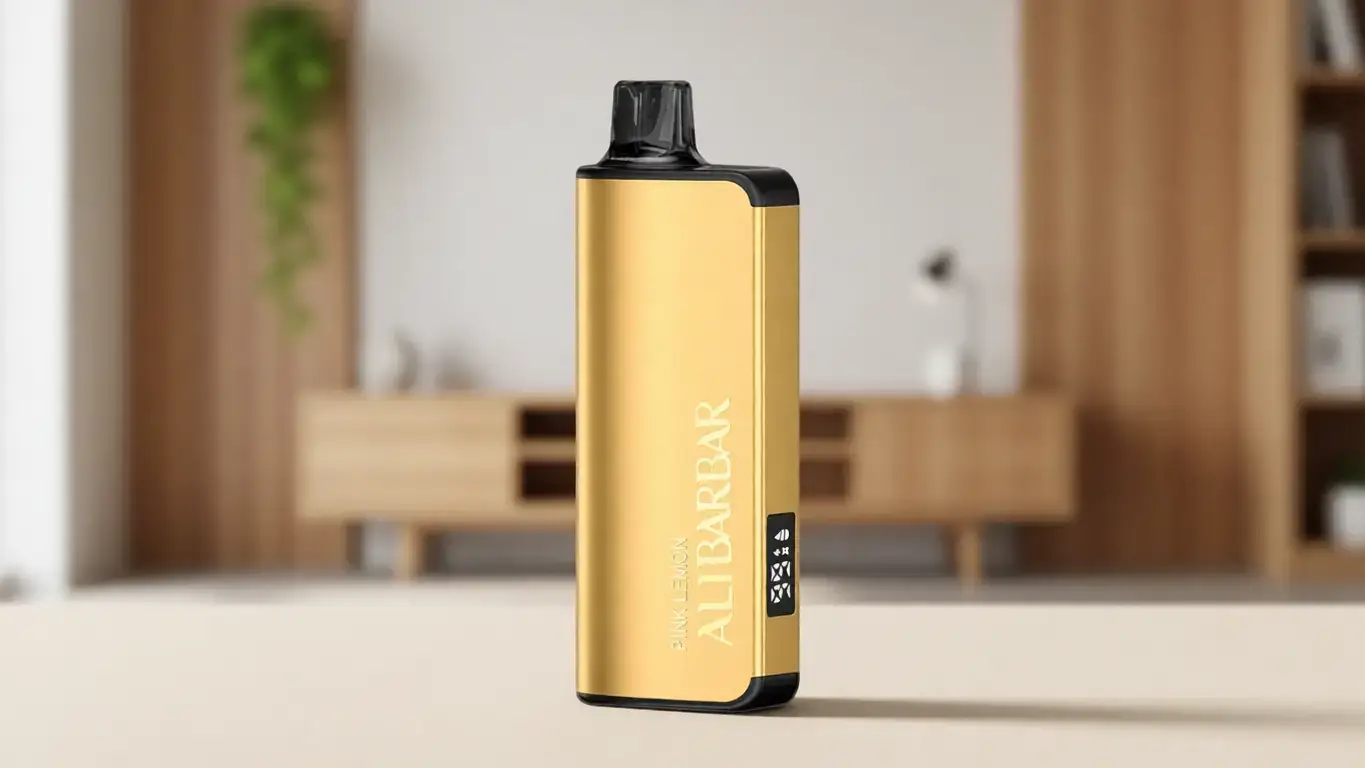
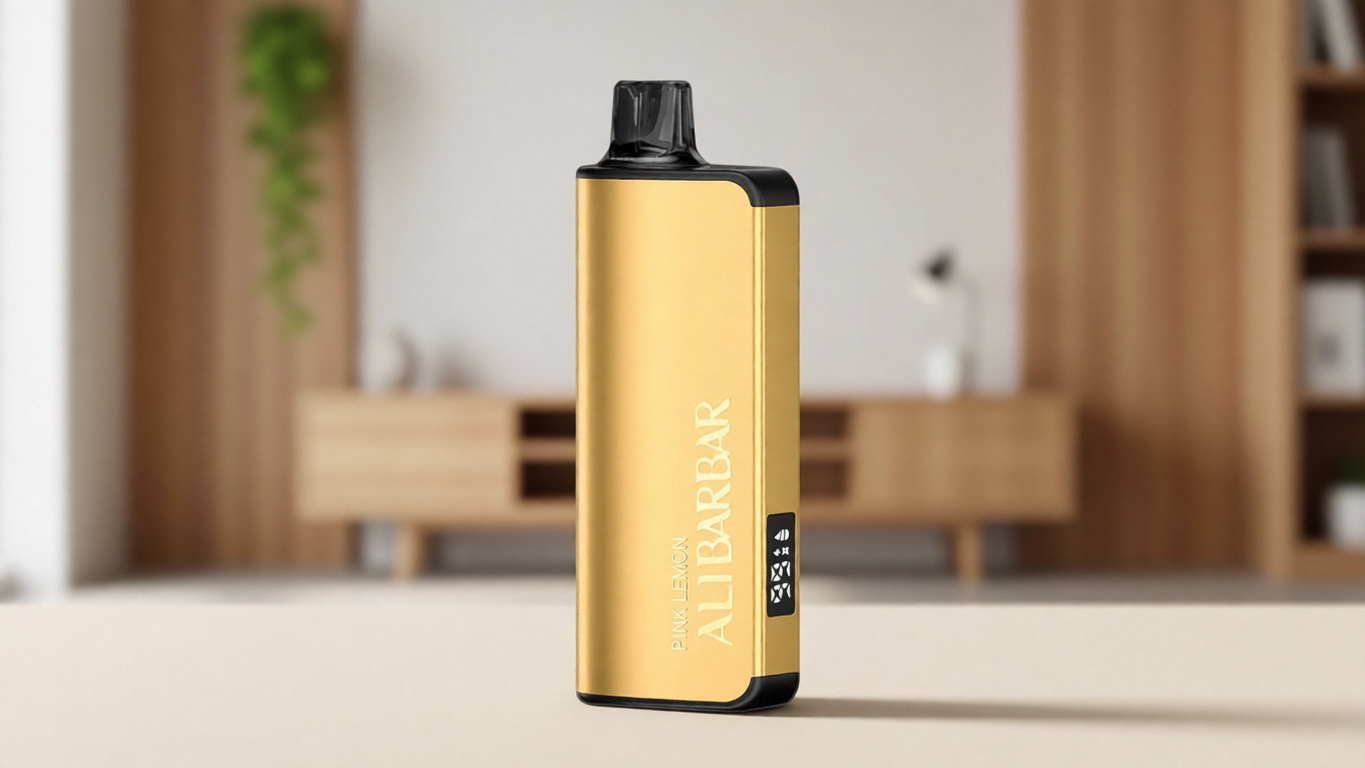
Poorly calibrated power delivery — often seen in low‑cost, unregulated units — can produce hotspots, dry hits, or momentary temperature spikes that lead to hotter, denser aerosol. Such aerosols dissipate heat less efficiently and may linger longer near ceilings. The consistent thermal behaviour of a device is therefore not just a comfort feature; it is a safety‑related attribute. Products like the ALIBARBAR INGOT 15000 use a factory‑sealed power-management board that limits output fluctuations, ensuring that each draw falls within a narrow thermal window. This level of control reduces the likelihood of producing aerosol with enough buoyancy to linger in the thermal plume of a detector.
Vapour Density and Optical Interference
Aerosol density — measured as total particulate mass per draw — varies widely across device categories. Sub‑ohm direct‑lung devices that run at higher wattages generate voluminous, visible clouds that remain suspended for longer. Such clouds can more easily trigger photoelectric detectors if ventilation is minimal. Compact, mouth‑to‑lung devices with higher‑resistance coils produce a finer, less optically intrusive aerosol.
ALIBARBAR’s design philosophy, evident across the INGOT and Ice Adjust series, favours a balanced aerosol output that provides consistency without producing excessive fog. The Ice Adjust 12000 series, for instance, integrates an airflow‑restriction mechanism that reduces per‑draw vapour volume compared to fully open systems, while still meeting the user’s expectations. This engineering choice can be significant for those who vape in shared environments, as it minimises the aerosol volume that reaches detection sensors.
Power Management and Predictability
A device that suddenly delivers a wattage spike — whether due to a failing battery, a misreading of coil resistance, or an unstable chipset — produces an unpredictable burst of aerosol that can draw attention. Modern authenticated devices, sourced through channels like OZVAPE Shop, incorporate multiple layers of protection: over‑temperature cutoffs, short‑circuit shutdowns, and puff‑duration limits. These features do not directly relate to sprinklers, but they contribute to stable aerosol dynamics over time, which in turn reduces the chance of accidental detector activation.
Real‑World Scenarios: Where Vapour Meets Detection Systems
Understanding the engineering provides a framework; translating it into real‑world behaviour completes the picture.
Hotels, Offices, and Commercial Buildings
Most hotels and modern offices install photoelectric smoke detectors inside guest rooms and common areas. These are wired into a central alarm panel. Exhaling a dense cloud directly beneath such a detector, particularly in a room with still air and closed windows, can trigger a local alarm that escalates to a building‑wide evacuation. The sprinkler heads in the same hallway will remain inert because the temperature has not changed. The disruption, however, is real: false‑alarm fines, social embarrassment, and possibly a startled staff response.
Selecting a device that produces a moderate aerosol, and avoiding direct exhalation toward the ceiling detector, reduces the nuisance‑alarm risk substantially. Devices like the ALIBARBAR INGOT 9000, with its moderate per‑draw volume, fit well into such environments when used prudently.
Air Travel and Sensitive Enclosed Spaces
Aircraft lavatories are equipped with extremely sensitive photoelectric detectors designed to identify even trace smoke from electrical fires. Any visible vapour can trigger these sensors, leading to crew intervention and potential legal consequences. It is illegal on most airlines, and no engineering design changes the rule. Sprinklers are not installed in aircraft lavatories; the risk is purely detection‑based, but the repercussions are severe. The take‑away: the question “can it set off a sprinkler?” is irrelevant in that context; it’s the detector that matters most.
Practical Steps if an Alarm Sounds
If a smoke detector is accidentally triggered, the immediate priority is to ventilate the space — open windows, activate fans — and silence the alarm if authorised (many residential units have a hush button). Explanation to building management or hotel staff is uncomfortable but usually resolves without major fallout if it’s a first occurrence. The incident provides a learning opportunity about the relationship between one’s device and the specific sensor layout.
A Practical Framework for Evaluating Devices in Detector‑Sensitive Settings
When choosing a portable electronic device with an eye toward avoiding unwanted attention from safety systems, a systematic approach helps.
Identify the aerosol output profile. Ask: does this device run on a sub‑ohm, high‑wattage, direct‑lung configuration, or a higher‑resistance mouth‑to‑lung design? The latter typically produces less dense aerosol.
Check thermal stability specifications. Reputable brands publish nominal output ranges. Devices that maintain a steady coil temperature, like the ALIBARBAR INGOT line, demonstrate that the vapour’s temperature plume will be low and diffuse.
Evaluate per‑draw consistency. If the device sometimes delivers a much larger cloud than expected, that indicates inconsistent power regulation. Look for sealed systems with integrated power‑management ICs that actively monitor resistance and adjust wattage in real time.
Consider physical layout. In a high‑detector‑density area, use a device that allows for controlled, smaller draws. Pairing it with an adjustable airflow — a feature found in the Ice Adjust 12000 — gives the user immediate control over aerosol volume.
Observe housekeeping practices. A device that leaks or spits can deposit residue that clogs sensors over time, but a well‑sealed unit prevents this. OZVAPE Shop only handles factory‑certified inventory, which ensures the sealing integrity that cheap counterfeits often lack.
Common Selection Errors and Industry Observations
Many of the anxieties around vapour and water‑based suppression stem from a misunderstanding of system thresholds. But there are subtler missteps that can lead to poor device choices, escalating the minor annoyance of a false alarm into a chronic frustration.
1. Overweighting Cloud Production
The belief that “more vapour equals better performance” is a holdover from hobbyist circles. In everyday use, excessive aerosol doesn’t just increase the risk of detector activation; it also reduces discretion, wastes consumables, and can cause throat irritation. The industry has observed a quiet shift toward optimised aerosol profiles — dense enough to satisfy, but not so voluminous that they overpower a space. The ALIBARBAR Ice Adjust series exemplifies this shift with its tunable output.
2. Assuming Visual Similarity Equals Equivalent Engineering
Two devices in similar packaging may have entirely different power‑delivery hardware. A clone might lack a temperature‑sensing chip and deliver erratic wattage, producing hotter, denser vapour unpredictably. That unpredictability is what creates real‑world detector incidents. Authorised supply chains — such as OZVAPE Shop’s factory‑certified pipeline — eliminate that variable.
3. Ignoring Physical Placement of Detectors
Many users think in terms of “the room” rather than “the sensor’s detection cone.” A false alarm can sometimes be avoided simply by positioning oneself away from the detector and allowing the aerosol to disperse laterally. No device choice solves poor situational awareness, but a well‑designed unit gives you a more predictable aerosol that disperses in a known pattern.
4. Conflating Nuisance Alarms with Safety Failures
An industry pattern worth noting is the growing adoption of multi‑sensor detectors that combine photoelectric, heat, and CO sensing. These systems are designed to ignore transient vapour while remaining sensitive to genuine combustion particles. As these become more common, the false‑alarm potential from vaping will decrease. But until then, the responsibility rests on the user to understand their device’s aerosol characteristics.
Frequently Asked Questions
Q: Can the vapour from my device melt a fire sprinkler bulb or fusible link?
A: No. Sprinkler bulbs are designed to rupture at temperatures between 57°C and 68°C (135°F–155°F). Vapour at the point of exhalation typically measures 28°C–35°C and loses heat rapidly. There is no scenario where normal device use transfers sufficient heat to a ceiling‑mounted sprinkler to trigger it.
Q: Is it true that hotel sprinklers are more sensitive?
A: Hotel sprinklers use the same temperature‑rated bulbs as other commercial installations. Their sensitivity is not enhanced; they simply react to heat. The detectors in hotel rooms, however, are often photoelectric and may be placed close to the sleeping area, making them more susceptible to vapour‑triggered false alarms.
Q: What kind of device is least likely to set off a smoke detector?
A: Devices with stable power output, moderate vapour production, and sealed‑pod architecture, such as the ALIBARBAR INGOT 9000 series, produce a controlled aerosol that disperses quickly. Combining that with a few seconds’ delay before exhaling directly toward a detector further reduces risk.
Q: Do all sprinkler systems discharge water instantly once a bulb breaks?
A: In wet‑pipe systems, water is constantly present right up to the sprinkler head, so it flows immediately. In dry‑pipe or pre‑action systems, there may be a slight delay as air pressure releases or a valve opens, but the trigger is still exclusively heat‑based. Vapour cannot activate these systems regardless.
Q: Has anyone ever documented a vape setting off a sprinkler?
A: There are no credible documented incidents of a portable vapour device directly causing a sprinkler to activate. The viral videos that circulate typically show someone triggering a smoke alarm, not a water release, or they involve deliberate tampering with a sprinkler head, which is unrelated.
Q: Can the aerosol from a device near a heat detector set off an alarm?
A: Heat detectors are set to trip at fixed temperatures (often 57°C or higher) or at a rate‑of‑rise threshold. Exhaled vapour is far too cool to affect them. Even a malfunctioning device that heats up internally would need to be in direct contact with the detector to have any effect, which is not a realistic scenario.
Q: If I trigger a smoke alarm in a high‑rise, will the fire sprinklers automatically turn on?
A: No. Smoke alarms and sprinkler systems are independent. A smoke alarm may signal a building alarm panel, but it does not command sprinklers to open. Sprinklers only operate individually when their heat‑sensitive element is destroyed.
Q: How does OZVAPE Shop verify that the devices it sells behave consistently?
A: OZVAPE Shop sources all ALIBARBAR units directly from authorised distribution networks, ensuring factory‑set power regulation and quality control. Each device’s specifications are documented, allowing you to compare thermal stability and aerosol output before purchase.
Q: Are there any regulations about vaping near sprinkler heads?
A: There are no fire‑code regulations specific to vaping and sprinklers because the thermal risk is nonexistent. However, building policies may prohibit vaping indoors to avoid smoke detector false alarms, which could incur fines.
Q: What should I do if a smoke detector sounds while I’m vaping?
A: Immediately ventilate the area and silence the alarm if a hush feature is available and you are permitted to do so. Notify building management if the alarm is connected to a central system. Choose a device with a controlled aerosol profile for future use in that environment.
Conclusion
The persistent myth that a personal electronic vapour device can set off a sprinkler system says more about how we process risk than about any real physical pathway. The gap between the temperature sensitivity of a sprinkler bulb and the modest warmth of exhaled aerosol is orders of magnitude wide and safely crossed in the wrong direction. The real inconvenience — the wailing alarm, the awkward explanation — comes from the photoelectric sensor in the corner, not the water pipe above it.
Informed users make better decisions, and better decisions start by understanding the hardware you rely on every day. This extends from building safety systems to the device in your hand. Choosing factory‑certified units from a source that publishes clear specifications — whether an ALIBARBAR INGOT 15000 for extended reliability or an Ice Adjust 12000 for adaptive output — means the vapour you exhale behaves predictably, session after session. OZVAPE Shop provides that clarity, offering genuine ALIBARBAR devices through a documented, accountable channel.
The right device is the one that aligns with your routine, your environment, and your expectations for discretion. Sprinklers are not a factor in that equation — but the way you manage aerosol around detection systems is. With a calm understanding of both, you control the variables that matter.