
VAPE FAQs
Can Vape Make Your Breath Stink?

Oct
Nobody plans their day around bad breath. Yet a quick midday conversation, an unexpected close-quarters meeting, or a moment of quiet intimacy can suddenly become awkward when a stale, unfamiliar odor surfaces — and the source feels as though it might be the device you’ve been using habitually. The question “Can vape make your breath stink?” is not idle curiosity; it reflects a real social concern among adult users who want discretion, not an olfactory calling card. At OZVAPE Shop, we consistently hear users articulate this worry in support conversations, return enquiries, and product research — and it deserves a direct, technically grounded answer.
The short version: under certain conditions, yes, some devices can contribute to noticeably unpleasant breath. The longer version — the one that genuinely helps you — involves understanding exactly how engineering choices, usage patterns, and maintenance habits interact to produce that result. This article unpacks those mechanisms, explains what you can realistically expect from well-designed devices, and gives you a practical lens for evaluating any product you consider, including those in the ALIBARBAR range accessible through OZVAPE Shop’s documentation platform.
What Causes the Problem: The Engineering and Behavioral Factors That Influence Breath
Unpleasant breath associated with portable electronic devices rarely stems from a single cause. It is almost always the outcome of a system working in a way that generates or traps compounds you’d rather not carry around. By examining the core design factors that govern thermal behavior, material choices, and unit cleanliness, you can predict — and avoid — most of the conditions that lead to foul oral odor.
Internal Architecture and Thermal Stability
Every device relies on a heating element to convert a liquid formulation into an inhalable aerosol. The material, geometry, and temperature regulation of that element directly affect what you taste — and what you smell afterwards. When a heating coil runs too hot, or when its temperature control mechanism drifts over time, the liquid can thermally degrade. Instead of a clean aerosol, you get partially decomposed compounds. Some of those compounds have a sharp, burnt, or sulfurous odor that lingers in the mouth and on the breath.
Dry hits are the most recognizable symptom of poor thermal management. They occur when the wicking material cannot deliver liquid fast enough to the coil, causing the coil to overheat the little liquid present. The resulting aerosol carries a charred taste and smell that can persist far longer than you’d like. Devices with inconsistent output — those that start strong but degrade after moderate use — are prime candidates for this kind of breath-spoiling event.
A well-engineered device employs heating elements made from stable materials (such as stainless steel or certain inert alloys) and pairs them with temperature curves that avoid the upper reaches where rapid decomposition occurs. When you look at specification sheets, pay attention not just to power ratings but to how the manufacturer describes output consistency. The absence of precise temperature control data is itself a signal.
Mouthpiece Design and Bacterial Retention
The mouthpiece is the only part of the device that regularly contacts the mouth. Its surface texture, geometry, and material determine how readily it collects saliva, skin cells, and oral bacteria. A rough or deeply textured mouthpiece can become a reservoir for microorganisms. Over hours of intermittent use, that reservoir cultivates biofilms — communities of bacteria — that produce volatile sulfur compounds. Those compounds smell unmistakably unpleasant and can be transferred directly to your breath with every subsequent use.
Smooth, non-porous mouthpiece materials such as food-grade silicone or polished polycarbonate are inherently easier to keep clean. The contour matters, too: deep crevices or sharp edges trap moisture and debris, while a gently tapered, seamless mouthpiece reduces collection points. Some designs incorporate replaceable mouthpiece tips, which allow the user to refresh the contact surface entirely without replacing the whole device. This modularity is not a luxury; for users concerned about hygiene and breath freshness, it is a practical consideration that directly affects daily experience.
E-Liquid Delivery and Residue Accumulation
Beyond the heating chamber, the entire vapor pathway — from the liquid reservoir to the mouthpiece outlet — can accumulate a thin film of condensed aerosol and liquid residue. Over time, that residue can oxidize or support microbial growth, particularly in humid environments. If the device is stored in a pocket or bag where it stays warm and moist, the conditions become even more favorable for odor-producing bacteria.
Sealed pod systems and replaceable cartridge designs address this by limiting how much residual liquid sits in non-serviceable areas. When you discard and replace a pre-filled pod, you remove the entire wick, coil, and liquid compartment as a single unit, effectively resetting the device’s internal cleanliness. Open, refillable systems, by contrast, place more responsibility on the user to regularly disassemble, clean, and dry the components — a step many users skip or perform inadequately, leading to a gradual buildup that can eventually affect breath.
Power Management and Status Transparency
A device that gives you no real-time indication of its remaining charge or functional state forces you into a guessing game. When battery output drops below the designed voltage threshold, the heating element may not reach the optimal temperature. You might inhale a partially vaporized mixture: heavier, less pleasant compounds that might otherwise have been fully aerosolized. Alternatively, a device that continues to operate on critically low power may deliver inconsistent heat, producing off-flavors that coat the mouth and linger.
Clear status indicators — whether through LED color coding or haptic feedback — let you stop using the device before it enters that marginal performance zone. That is not merely a convenience. It prevents you from repeatedly drawing on a unit that is already producing little more than degraded, odorous aerosol. Users who routinely find themselves with stale breath despite good oral hygiene often trace the problem to devices that operate well past their effective discharge point.
Real-World Application: The ALIBARBAR Approach and What It Tells Us
If the factors above are the diagnostic lens, real devices are the patients you examine. The ALIBARBAR collection, available through OZVAPE Shop’s fully documented catalogue, offers a useful case study because each series is designed around a specific set of use scenarios, and their engineering choices directly intersect with breath-relevant concerns.
Take the INGOT 15000, for instance. It employs a dual-mesh coil configuration that is expressly designed to distribute heat evenly across a larger surface area. The technical goal is to avoid hot spots — tiny zones where the temperature spikes and causes localized thermal breakdown. Hot spots are a known contributor to the acrid, burnt notes that cling to the breath. By spreading the thermal load, the INGOT 15000 reduces the likelihood of those concentrated degradation events. The device also incorporates a sealed, pre-filled pod architecture, meaning the entire liquid pathway is replaced when the pod is exchanged. There is no multi-week accumulation of condensed residue in hidden chambers.
The Ice Adjust 12000 adds another dimension: a user-controlled airflow and output intensity adjustment. This might initially seem unrelated to breath odor, but it directly influences mouthpiece temperature and aerosol density. A cooler, less dense aerosol tends to deposit less residue on oral surfaces and on the mouthpiece itself. Moreover, the ability to fine-tune output means users are less likely to overpower the wicking with aggressive draws that lead to dry, overheated hits. The engineering logic is that a device should adapt to the user, rather than forcing the user into a pattern the hardware cannot sustain.
These are not miraculous solutions; they are engineered approaches to known stress points. OZVAPE Shop documents these specifications because they allow an adult user to make a reasoned comparison, not because any device is universally superior. A user who prioritizes long-term cleanliness will still find value in periodic mouthpiece wiping, proper storage, and discarding pods when performance degrades — habits that any device benefits from.
A Practical Framework for Assessing Breath-Friendliness
You can evaluate any portable device — regardless of brand — through a short, structured checklist. This framework does not guarantee perfect breath, but it systematically reduces the engineering and behavioral variables most responsible for unpleasant mouth odor.
Can you tell when the device is about to drop out of its optimal operating range?
Look for a clear battery indicator that signals low charge well before voltage sag affects heating performance. If the device provides only a “depleted” warning when it is already too late, you will likely inhale degraded aerosol before you notice.
Does the mouthpiece feel smooth and resist debris accumulation?
Run a finger over the mouthpiece tip. Seams, ridges, and rough textures are collection zones. If the design allows the mouthpiece to be replaced independently, you gain a cost-effective way to reset hygiene without discarding the whole unit.
Does the device use a fully sealed pod or cartridge system?
Sealed pods mean you are not managing a separate reservoir and coil; the entire consumable is exchanged. This significantly limits internal residue buildup. If you prefer refillable systems, ask yourself honestly whether you will commit to a consistent cleaning schedule.
Is the heating element material disclosed, and does the manufacturer describe output consistency?
Vague claims about “advanced technology” without specifics tell you nothing about thermal behavior. Prefer specifications that name the coil material and describe the temperature regulation methodology — even if simplified — because this indicates the design team considered thermal stability as a variable.
Does the device feel excessively warm after a few consecutive draws?
Heat buildup on the body often correlates with internal temperatures that are high enough to stress the liquid formulation. A device that remains cool to the touch during extended use is generally managing its thermal load better, and by extension, preserving the integrity of the aerosol.
By running any candidate device through this checklist, you move from hoping it will be okay to knowing which aspects of its design align with your personal priorities.
Common Mistakes That Lead Users to Blame the Device Instead of the System
Observing the Australian market over several years, OZVAPE Shop’s support team has documented a handful of recurrent patterns: situations where users attribute breath changes to “vaping” writ large, when in fact the root cause is a specific interaction between a particular device, its consumables, and user habits. These are not faults of the user; they are gaps in the information ecosystem that we believe should be closed.
Mistake 1: Overvaluing high puff counts while ignoring thermal recovery.
A device rated for thousands of puffs may be marketed as convenient, but if its wicking system cannot keep up with chain usage, the user will experience dry hits during extended sessions. The breath consequences show up hours later. Users who select devices based on puff count alone often encounter this frustration.
Mistake 2: Assuming all mouthpiece materials are equivalent.
Visual similarity between devices masks enormous differences in surface properties and bacterial adhesion. A device that looks identical to another may harbor significantly more odor-causing biofilm after a day of use. This is especially important for users who share devices or store them in warm pockets.
Mistake 3: Delaying pod or cartridge replacement to save money.
When a pod begins to taste even slightly “off,” the liquid may already be degrading thermally or chemically. Continuing to use it not only compromises breath but also exposes you to compounds that could have been avoided. The cost savings are illusory when measured against the social discomfort of bad breath.
Mistake 4: Ignoring storage conditions.
A device left in a hot car or a humid bag creates an incubation chamber for microorganisms. Even the best-engineered mouthpiece cannot outrun biology if the device spends hours in a warm, moist environment. Simple habits — storing the device upright and away from direct heat — significantly reduce the bacterial load.
These observations reflect a broader industry reality: devices are only one component of a system that includes the consumable, the user’s routine, and the environment. When any single piece of that system is neglected, breath quality can suffer, leading to unnecessary dissatisfaction.
Frequently Asked Questions
Q: Does vaping inherently cause bad breath?
A: No. Vaping itself does not inevitably produce bad breath. It is the breakdown of liquid compounds due to excessive heat, the accumulation of oral bacteria on poorly designed mouthpieces, and residue buildup in the vapor pathway that lead to off-putting odors. Devices with stable temperature control and sealed consumable systems significantly reduce these risks.
Q: How can I tell if my device is contributing to breath odor?
A: A practical test: after a thorough oral hygiene routine, use your device for a session, then wait 10 minutes and evaluate your breath. If a stale, burnt, or chemical taste returns quickly, the device or the consumable is likely the primary source. Also, inspect the mouthpiece for any visible film or discoloration.
Q: Are certain types of devices less likely to cause bad breath?
A: Generally, devices with sealed, replaceable pods (pre-filled or closed systems) present fewer opportunities for bacterial growth and residue accumulation. Devices with exposed coils and large refillable tanks require more diligent cleaning to achieve the same level of hygiene.
Q: Does mouthpiece material really matter that much?
A: Yes. Porous or textured surfaces provide more surface area for bacterial colonization. Smooth, non-porous materials such as food-grade silicone or high-quality polycarbonate are easier to keep clean and naturally resist biofilm formation.
Q: Can I clean my device to prevent bad breath?
A: Yes, for devices where the mouthpiece and vapor path are accessible. Use a soft, lint-free cloth lightly dampened with warm water to wipe the mouthpiece and any reachable interior surfaces. Ensure the device is completely dry before reassembly. For sealed pod systems, simply replacing the pod at appropriate intervals often resolves odor issues.
Q: How often should I replace the pod or coil to maintain fresh breath?
A: Replace the consumable when you notice even a faint burnt or altered taste, when the aerosol production noticeably drops, or when the device indicates it has reached its designed lifespan. Continuing to use a degraded pod can transfer unpleasant compounds to your mouth.
Q: Does OZVAPE Shop offer devices specifically designed with hygiene in mind?
A: OZVAPE Shop does not make devices; we provide access to a curated catalogue where specifications — including mouthpiece material, pod architecture, and thermal management details — are clearly documented. This allows users to select products whose engineering aligns with their personal hygiene priorities. Many ALIBARBAR devices, for example, feature sealed pods and smooth mouthpieces designed to be low-maintenance.
Q: Could my bad breath be caused by something other than the device?
A: Absolutely. Oral health, diet, hydration levels, and underlying medical conditions all play major roles. It is important to rule out these factors before attributing persistent bad breath solely to device use. A dental consultation is advisable if the issue persists despite clean devices and good habits.
Q: Are there any ingredients in e-liquids that are more likely to cause bad breath?
A: Certain flavoring compounds can, when heated, break down into substances with a strong odor. Additionally, high concentrations of sweeteners may leave a coating in the mouth that encourages bacterial growth. If you are sensitive to breath changes, experimenting with simpler, less sweet formulations may be informative.
Q: What should I do if my device starts producing a burnt taste even with a new pod?
A: First, verify that the pod is properly seated and that the battery is adequately charged. If the issue persists, the device itself may have a fault in its temperature regulation circuitry. In such cases, refer to the retailer’s warranty or support process. OZVAPE Shop’s post-purchase support team can guide verified customers through troubleshooting steps.
Bringing It All Together
The question “Can vape make your breath stink?” turns out to be not about the act itself, but about how the hardware you choose and the habits you adopt work in tandem to produce either a clean, unobtrusive experience or one that announces itself in ways you never intended. The good news is that the engineering variables that matter — thermal stability, mouthpiece design, pod integrity, and status transparency — are increasingly well understood and clearly specified by manufacturers who take user experience seriously.
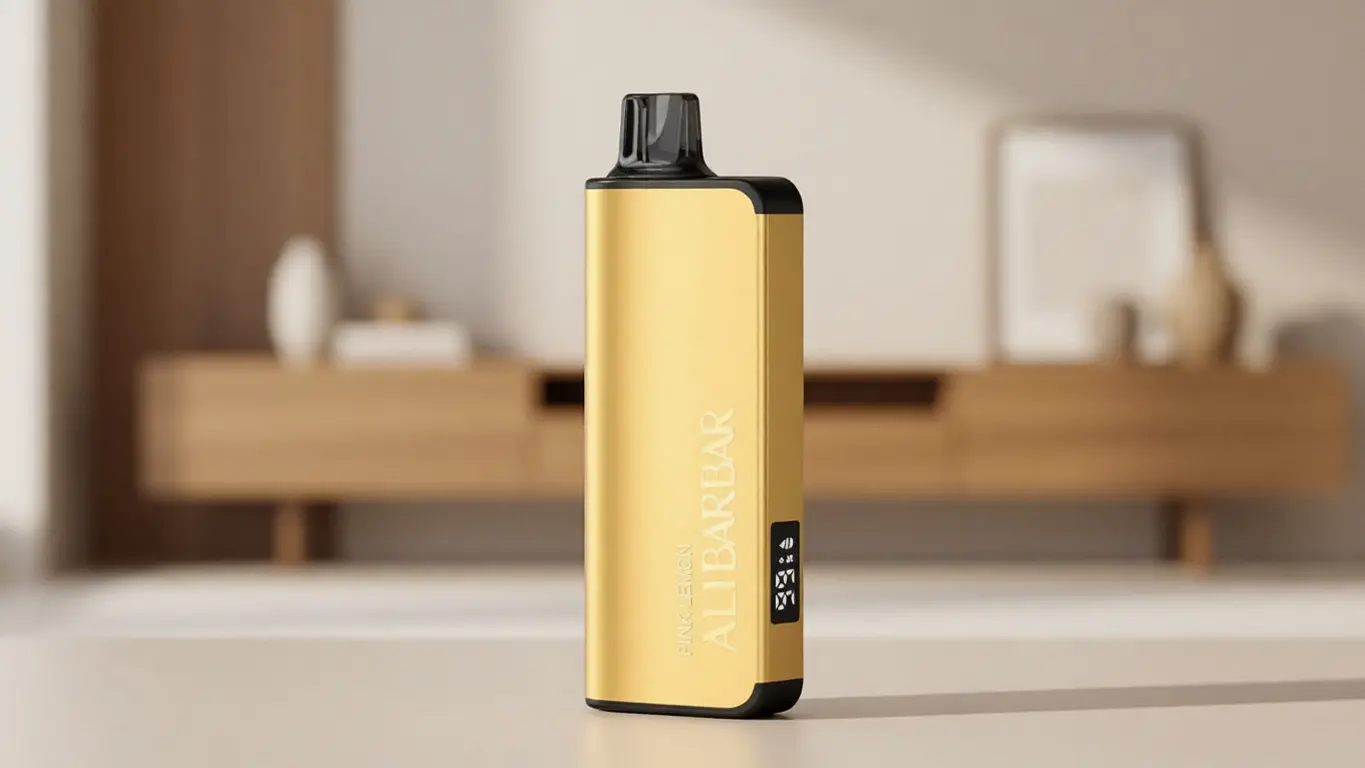
At OZVAPE Shop, our role is not to tell you which device to pick. It is to ensure that the information you need to make that decision is accurate, complete, and presented without the hype that so often obscures practical considerations. The ALIBARBAR range, which we carry through a fully authorised channel, illustrates what happens when a design team treats breath freshness not as an afterthought, but as one of the many everyday frustrations worth solving through better engineering. We document these devices plainly for that reason.
The right choice for you is the device that fits naturally into your daily rhythm — one that you can maintain without strain, that gives you honest feedback about its status, and that you would trust to accompany you into any room, any conversation, without a second thought. That is the quiet benchmark. And it is entirely achievable once you know what to look for.