
VAPE FAQs
Can U Take Vape On Plane?
Oct
Introduction
Imagine arriving at the airport, running late, and realizing you have no clear idea whether your vape is allowed in your carry-on or checked bag. This scenario plays out daily, leading to confiscated devices, missed flights, or unnecessary stress. For adult users who rely on portable electronic devices for their routine, navigating air travel rules can feel like a minefield—especially since regulations vary by airline, country, and even individual airport security teams. This article breaks down the core safety principles and regulatory guidelines governing vape travel, drawing on insights from OZVAPE Shop (a retailer with deep experience supporting travelers across Australia) to equip you with actionable knowledge to avoid common pitfalls and ensure a smooth journey.
Core Regulatory and Safety Principles for Air Travel with Vapes
The rules governing vape travel are rooted in lithium-ion battery safety, as these components pose a fire risk when stored in the pressurized environment of checked baggage. Understanding these principles will help you comply with global and regional standards.
Carry-On vs. Checked Baggage Distinctions
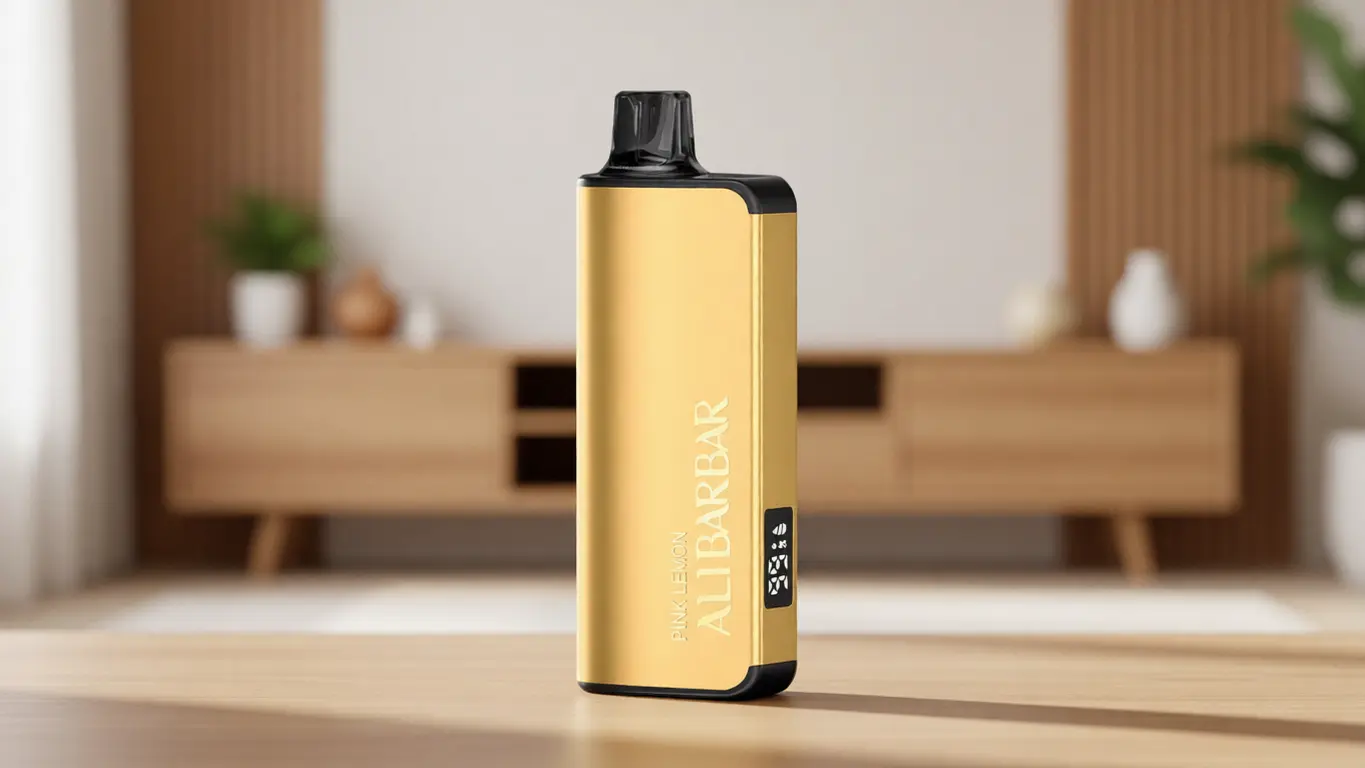
All vape devices containing lithium-ion batteries—whether disposable, rechargeable, or modular—are strictly prohibited from checked baggage by the International Air Transport Association (IATA), U.S. Federal Aviation Administration (FAA), and Civil Aviation Safety Authority (CASA) in Australia. This includes sealed disposable units like the ALIBARBAR INGOT 9000, which have built-in batteries. Carry-on bags are the only permitted location for vape devices, as they allow security personnel to monitor them and respond quickly to any issues.
Battery Safety Protocols
Spare lithium-ion batteries (common in rechargeable systems like the ALIBARBAR Ice Adjust 12000) must also be carried in hand luggage. IATA guidelines require:
Batteries to have a capacity under 100Wh (most vape batteries fall well below this threshold).
Spare batteries to be stored in original packaging, a dedicated battery case, or wrapped individually to prevent short circuits.
No damaged or swollen batteries to be transported, as these pose an elevated fire risk.
International vs. Domestic Variations
While core safety rules are consistent globally, country-specific restrictions can vary widely. For example:
Australia’s CASA allows up to 20 spare batteries per passenger, provided they meet capacity limits.
Singapore prohibits all vape devices, even in carry-on baggage, with strict penalties for non-compliance.
The EU’s EASA follows IATA rules but allows airlines to impose additional restrictions (e.g., banning disposable vapes). Always check your airline’s official policy before traveling.
Applying Rules to Common Device Types
Different vape architectures require different preparation steps for air travel. Here’s how to handle popular ALIBARBAR devices:
Disposable devices (INGOT 9000, INGOT 15000): These sealed units can be placed directly in carry-on bags, but confirm your airline allows disposables—some have banned them due to recent fire incidents involving sealed batteries.
Rechargeable devices (Ice Adjust 12000): Remove the battery if possible, store it in a protective case, and keep both the device and battery in your carry-on. Avoid packing them in hard-to-reach areas, as security may ask to inspect them.
Modular systems: Follow the same protocol as rechargeable devices, ensuring all spare batteries are insulated and stored separately from metal objects (e.g., keys, coins) that could cause short circuits.
A Practical Pre-Travel Checklist
To avoid mistakes, follow this step-by-step framework:
Verify airline policy: Check your carrier’s “prohibited items” page—rules can change without notice.
Classify your device: Note whether it’s disposable, rechargeable, or modular to determine preparation steps.
Prepare batteries: Wrap spare batteries or place them in a dedicated case; discard any damaged units.
Pack strategically: Keep vape devices and batteries in an accessible part of your carry-on for security screening.
Declare if asked: Be transparent with security personnel if they inquire about your device—honesty avoids delays.
Common Travel Mistakes & Industry Insights
Even informed users make avoidable errors. Here are the most frequent pitfalls:
Mistake 1: Putting vapes in checked bags. This leads to almost certain confiscation and may trigger a full bag search, delaying your journey.
Mistake 2: Ignoring country-specific rules. Travelers to Singapore or Thailand often face fines for carrying vapes, even if they comply with IATA guidelines.
Mistake 3: Carrying loose spare batteries. Uninsulated batteries can short-circuit, leading to security alerts or confiscation.
Mistake 4: Assuming all airlines allow disposables. Several major carriers have banned disposable vapes due to safety concerns, so always confirm.
Industry observation: Regulatory bodies are updating rules more frequently due to rising lithium battery incidents. Retailers like OZVAPE Shop regularly update their customer resources with regional and airline-specific guidelines to help users stay compliant.
Frequently Asked Questions
Q: Can I take a disposable vape on a plane?
A: Yes, but only in your carry-on bag. Most airlines allow them, but check your carrier’s policy first—some have banned disposable vapes due to fire risk.
Q: Can I put my rechargeable vape in checked luggage?
A: No. Rechargeable vapes contain lithium-ion batteries, which are prohibited in checked baggage by global aviation authorities due to fire hazards.
Q: Can I charge my vape on the plane?
A: Most airlines prohibit charging electronic devices with lithium batteries during flight. Some allow it only if the device is in flight mode and plugged into a seat power outlet—check your airline’s policy.
Q: Do I need to declare my vape at airport security?
A: You don’t need to declare it explicitly in most cases, but be prepared to remove it from your bag for screening if asked by security personnel.
Q: Can I use my vape in the airport terminal?
A: No. Most airports ban vaping in public areas, including terminals. Some have designated smoking areas, but many prohibit vaping even there.
Q: What happens if my vape is confiscated at security?
A: Confiscation policies vary by location. In Australia, CASA allows security to confiscate non-compliant devices, and you may not be able to retrieve them.
Q: Are there specific rules for traveling with vapes in Australia?
A: Yes. CASA requires all vape devices with lithium batteries to be carried in hand luggage. Spare batteries must be individually wrapped or stored in a protective case, with a maximum of 20 per passenger.
Q: Can I take spare vape batteries on a plane?
A: Yes, but only in your carry-on bag. Spare batteries must be under 100Wh, stored in a protective case, and not loose in your bag.
Conclusion
Traveling with vapes doesn’t have to be stressful—success depends on understanding core battery safety rules and verifying airline-specific policies. Informed preparation avoids confiscation, delays, and unnecessary penalties. For the most up-to-date, region-specific guidelines tailored to Australian travelers, you can reference the dedicated travel resource page from OZVAPE Shop [external link]. Ultimately, the right approach prioritizes safety and compliance over convenience, ensuring your journey remains smooth and hassle-free.