
VAPE FAQs
Can U Take A Vape Thru Airport Security?

Aug
It is a scene that repeats itself at security checkpoints around the world: a traveller, already stressed by queues and departure times, is pulled aside because of the small electronic device in their carry‑on. The question is not unreasonable — can you take a vape through airport security? — yet the answer, until now, has been scattered across airline fine print, inconsistent enforcement anecdotes, and forum threads that raise more anxiety than they resolve.
OZVAPE Shop, a retailer that works exclusively with factory‑certified personal electronic devices, has witnessed this confusion directly through customer enquiries and support interactions. The goal here is not to offer a short rule that may be outdated next month, but to equip adult travellers with a durable understanding of the regulations, the engineering realities behind different device architectures, and a practical method for boarding a plane without unwanted surprises.
The Regulatory Landscape: What Actually Applies at Security Screening
Airport security protocols governing portable electronic devices are not arbitrary, even if they sometimes feel that way on a busy morning. They are built around two overriding concerns: lithium battery fire risk and the potential for devices to conceal prohibited items. For anyone carrying a personal vaporiser, the relevant rules reduce to a small set of non‑negotiable principles.
Lithium‑ion batteries, regardless of the device they power, must travel in the cabin, never in checked baggage. This is a universal requirement enforced by the International Civil Aviation Organization (ICAO) and adopted by virtually all national aviation authorities, including Australia’s Civil Aviation Safety Authority (CASA). The reason is simple: a battery thermal event can be detected and addressed quickly in the cabin, whereas a fire in the cargo hold may go unnoticed until it becomes catastrophic.
Spare batteries — including removable power cells — must be individually protected against short circuits. That means each battery should be carried in its original retail packaging, a non‑conductive case, or with exposed terminals taped over. Airlines will not count on a loose battery resting harmlessly among clothes; they expect visible proof of insulation.
The device itself may contain a battery, and it stays with you. The limit for lithium‑ion batteries in carry‑on luggage is typically 100 watt‑hours (Wh) per battery. Most personal vaporisers, even high‑capacity rechargeable units, fall comfortably under 20 Wh. It is still wise to know the figure, as some larger multi‑cell mods approach the threshold. Airline staff may ask, and an informed, precise answer defuses doubt faster than any vague reassurance.
Liquid restrictions apply separately. If the device uses e‑liquid containers, those containers must obey the 100 ml per item rule and be carried in the standard resealable transparent bag. This is unaffected by whether the device is classified as a closed system or a refillable one.
For completeness, international travellers should note that some countries ban the importation of certain electronic device categories altogether. The act of carrying a device through an airport in a jurisdiction where it is legal to own may still conflict with local laws at the destination. Travellers are expected to check the regulations of their arrival country before boarding, a responsibility that falls entirely on the individual.
Understanding Device Architecture and Its Impact on Air Travel
The ease or difficulty of passing through security is not simply a matter of having the “right” device. It is shaped by design decisions that were made long before anyone packed a bag. A traveller who understands these design factors can anticipate how their equipment will be perceived at a checkpoint, and can prepare accordingly.
Battery Type, Capacity, and Compliance at the Screening Lane
The fundamental variable is whether the battery is sealed inside the device or removable. Sealed‑unit designs — common in compact, pre‑filled options — simplify the user’s routine but leave no way to present the power source separately. This is not a compliance problem, as the integrated battery is still permitted in carry‑on, but it means the entire unit must be produced for inspection if requested.
Removable battery systems, by contrast, allow the traveller to remove the cell and present it alongside other spare batteries in a protective case. Security officers are trained to recognise this as standard practice, and it often accelerates the process. The traveller who carries a device with a removable battery and keeps a dedicated battery case in their carry‑on demonstrates an orderly approach that reduces the likelihood of secondary questioning.
Watt‑hour capacity should be verified before departure. Even if the number is well below 100 Wh, having it documented — through the manufacturer’s specification sheet or the retailer’s product description — provides objective evidence. At OZVAPE Shop, every device listing includes explicit battery specifications, so a quick reference on a phone screen can settle any uncertainty.
Power Management and Status Transparency
A device that communicates its charge level clearly is more than a convenience; it is a travel asset. Many security-related delays arise because a vapouriser appears to be powered on when it is not, or because an officer cannot determine whether the unit is inert. Devices with unambiguous battery indicators or haptic feedback allow the user to demonstrate that the system is powered off and safe. In contrast, a unit that offers no visual or tactile confirmation leaves the inspection to guesswork, which tends to extend the interaction.
Some manufacturers design their products with travel in mind, incorporating a lock mode or a mechanical switch that physically disconnects the power circuit. While not mandatory, such features signal intent to an inspecting officer and can be the difference between a five‑second glance and a five‑minute hold‑up.
Physical Robustness and Packing Considerations
Screening areas are unforgiving environments. Devices are removed from bags, placed in trays, and occasionally jostled. A device with a durable external finish, a secure mouthpiece, and a form factor that doesn’t roll unpredictably is inherently more suited to the travel environment. Pocket‑friendly profiles that remain stable on a flat surface prevent the awkward scramble for a runaway unit on the conveyor belt.
The material choice matters here. Anodised aluminium or high‑grade polycarbonate housings resist the scratches and dents that accumulate during repeated screening events, preserving both function and appearance. In daily use, this resilience also protects against the bumps of tray tables, seat pockets, and overhead bins — the small indignities of travel that wear down poorly built devices remarkably fast.
Modularity and the Lifecycle of a Travel Companion
Modularity is not only about extending a device’s economic life; it has direct air‑travel implications. A design that allows the user to replace a worn mouthpiece, a faded battery door, or a degraded seal means the device can be maintained in a condition that looks well‑cared‑for. Security staff are human: a well‑kept, obviously functional device inspires more confidence than one that appears damaged or jury‑rigged. This is not a formal regulation, but it is a consistent behavioural observation from those who travel frequently with electronics.
Additionally, replaceable component architectures let the traveller carry only what is needed. If a trip involves multiple days away, the ability to swap in a fresh, factory‑sealed power unit (where the design permits) eliminates the need to carry charging cables and hope for an available power outlet. The device stays ready, and the travel kit remains minimal.
Real‑World Device Categories and Their Travel Footprints
Different device families map onto these criteria in ways that directly affect the airport experience. A traveler who understands the mapping can choose equipment that matches not only their usage preferences but also the rhythm of their journey.
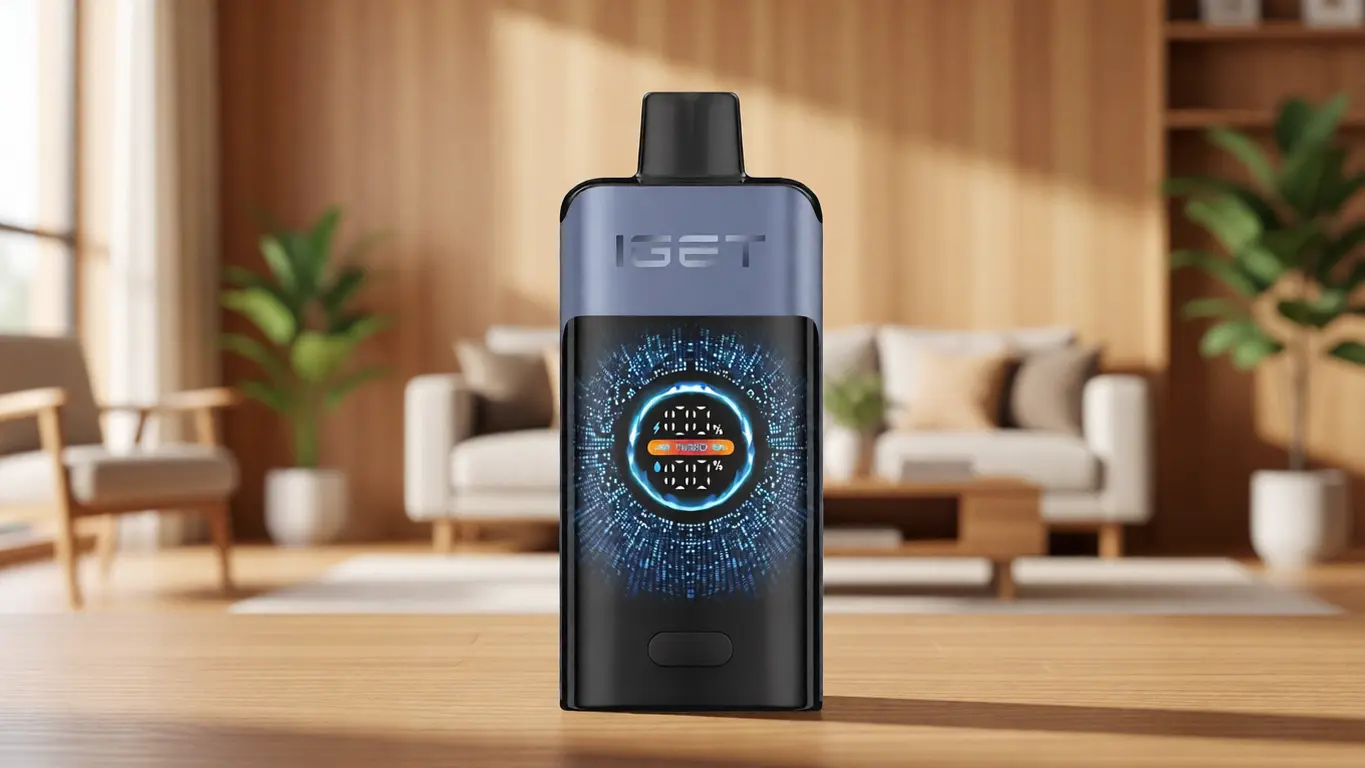
Compact, integrated‑battery devices represent the path of least resistance for many. The ALIBARBAR INGOT 9000, for example, belongs to a class of units that are small enough to sit alongside other pocket items without attracting attention, yet contain a sealed, factory‑calibrated power source well within the watt‑hour limit. The absence of separate components means there are no spare batteries to account for, no charging cables to untangle, and nothing to accidentally leave behind. For the traveller who values absolute simplicity, this architecture reduces the number of variables that could trigger a secondary inspection.
Devices with higher capacity, such as the ALIBARBAR INGOT 15000, retain the sealed‑unit format but extend the operational lifespan over multiple days. The larger internal cell still falls beneath the 100 Wh regulatory ceiling, so the security profile remains unchanged. The practical benefit is that the traveller does not need to consider mid‑trip recharging or carry backup units. The trade‑off, predictably, is a slightly larger body that demands more deliberate pocket allocation.
Removable‑battery systems, present in some modular product lines, offer a different kind of travel flexibility. The ALIBARBAR ICE Adjust 12000 series, while not based on a removable battery architecture, demonstrates another aspect of travel‑ready design: adjustable output modes that let the user tailor performance to different settings, including the more restrained levels appropriate for confined public spaces. Although not a security advantage, this configurability speaks to a broader awareness of social context that experienced travellers appreciate.
The common thread is that none of these devices, properly packed and declared if asked, violates aviation safety rules. The friction that travellers report almost always originates not from the device category itself, but from a gap in preparation — a missing specification, an improperly stored spare battery, a disposable unit mistaken for a prohibited item. Knowledge, far more than hardware selection, determines the outcome at the checkpoint.
A Practical Pre‑Flight Framework for Vape Device Owners
The following methodology can be applied by any adult traveller, regardless of the specific device they carry. It transforms a potentially anxious pre‑departure moment into a routine checklist.
Verify battery specifications before you pack. Look up the watt‑hour rating (Wh) or, if not provided, calculate it using the formula: Wh = (mAh × V) ÷ 1000. Record this figure in a note on your phone for immediate access.
Confirm the device is entirely powered off. If it has a lock function, engage it. If it has a mechanical disconnect, use it.
Separate and protect spare batteries. Place each removable cell in an individual battery case or sealed plastic bag with terminals taped. Do not carry loose batteries in a pocket or bag compartment where they can contact metal objects.
Consolidate e‑liquid containers. Ensure any container exceeds neither 100 ml in volume, and place them all in the transparent, resealable bag that is otherwise used for toiletries.
Pack the device in an accessible location. It should be in your carry‑on bag, in an outer pocket or a dedicated electronics organiser, never in a checked suitcase.
Prepare a calm, factual statement in your mind. If an officer asks, you are not “explaining a vape” — you are identifying a personal electronic device that contains a lithium‑ion battery under 100 Wh, compliant with international aviation safety standards. The specificity diffuses suspicion.
Check destination regulations separately. A device legal at the departure point may be restricted upon arrival. Verification is the traveller’s responsibility, and ignorance is not a defence at customs.
This framework is independent of any brand or model. It works because it ties every action to a verifiable rule rather than to hearsay.
Common Selection Errors and Industry Observations
Over years of observing how adult users interact with the air‑travel environment, several patterns of error emerge that have little to do with the devices themselves and everything to do with preparation.
Overvaluing aesthetics while ignoring compliance documentation. A device that looks “travel‑friendly” may still contain a battery that is near the upper limit or lacks clear safety markings. The visual design tells nothing about the internal cell certification. Travellers who rely on appearance rather than specifications are the ones most often delayed at security.
Assuming all disposable units are treated equally. A sealed, single‑use vaporiser is not inherently prohibited, but if it lacks visible battery information or a manufacturer’s mark, it becomes a black box to the screening officer. Officers are trained to treat an unidentifiable electronic item as a potential risk. This is why many frequent flyers deliberately carry devices whose origins can be traced — through a transparent supply chain and a retailer that verifies factory certification.
Forgetting that portable chargers are subject to the same rules. A traveller may carefully prepare their vapouriser but then pack a high‑capacity power bank in checked luggage because it is “not a vape.” The battery restriction applies equally, and a power bank over the watt‑hour limit will be confiscated. This mistake highlights the importance of understanding the regulation as a battery safety rule, not a vape‑specific rule.
Underestimating the value of modularity in long‑haul travel. A device that cannot be dismantled for inspection will always take the officer’s full attention. A device where the user can separate the battery, present it in a case, and show that the remaining body is inert transforms the interaction into a non‑event. The difference is not in the rule but in the human dynamics of security screening.
From an industry standpoint, a quiet shift is occurring among manufacturers who design for the international traveller. More devices now ship with short‑circuit protection built into the battery management system, with clear labelling on the unit itself, and with user manuals that include an aviation compliance section. These are not marketing gimmicks; they are cost‑incurring design choices that indicate a recognition of how adults actually live — crossing time zones, moving through airports, and expecting their equipment to keep pace without administrative drama.
Frequently Asked Questions
Q: Can I take a vape device in my carry‑on luggage?
A: Yes, personal electronic devices containing lithium‑ion batteries must be carried in the cabin. Never place them in checked baggage.
Q: What about spare batteries?
A: Spare lithium‑ion batteries are permitted in carry‑on only, provided each cell is individually protected against short circuits. Use a battery case or tape over the terminals.
Q: Does the device need to be completely empty of e‑liquid?
A: It does not have to be empty, but the danger of leaks during cabin pressure changes is significant. Most experienced travellers empty the tank or cartridge before boarding to avoid mess and potential electrical damage.
Q: Are disposable vaporisers treated differently from rechargeable ones?
A: The battery safety rules apply identically. A sealed disposable unit with an integrated battery under 100 Wh is permitted in carry‑on, but it must still be packed safely. Some airports may scrutinise them more closely if they lack labelling; having a product specification sheet helps.
Q: Can I use a vape device inside the airport terminal or on the aircraft?
A: No. Use of electronic devices that produce vapour is prohibited in all areas where smoking is banned, which includes airport terminals and the entire cabin of an aircraft. Doing so may result in fines or arrest.
Q: What happens if security confiscates my device?
A: If the device violates battery safety rules (e.g., an oversized battery, improper packing), security staff have the authority to deny it passage. The decision is final at the checkpoint, and appeals are unlikely to succeed in the moment. Compliance is the only reliable ticket.
Q: Are there any watt‑hour limits for built‑in batteries?
A: The international standard caps lithium‑ion batteries at 100 Wh per battery. Most personal vaporisers are between 5 Wh and 15 Wh, so they are well within the limit. Check your device’s specification to be certain.
Q: Do I need to declare the device to security officers?
A: You do not need to proactively declare every electronic item. However, if the device contains a large or unusual battery or if asked specifically, provide a clear, factual description.
Q: Can I charge the device using the aircraft’s USB port?
A: Charging of personal electronic devices from in‑seat USB ports is generally permitted, but using a device while charging is subject to crew instructions. Remember that charging a vaporiser may cause it to activate, so ensure it is powered off before connecting.
Q: Where can I find reliable specifications for my device before travelling?
A: Authorised retailers that provide factory‑certified product listings, such as OZVAPE Shop, publish detailed technical specifications including battery capacity, certification marks, and safety features. Having this information at hand reduces uncertainty at the checkpoint.
Conclusion
Airport security is not designed to frustrate the reasonable traveller; it is designed to mitigate a narrow set of well‑defined risks. A personal electronic device that respects battery safety limits, communicates its status unambiguously, and is packed with methodical care will pass through a security checkpoint as routinely as a laptop or a mobile phone.
The greatest source of anxiety is not the regulation itself, but the absence of clear, vendor‑verified information at the moment it is needed. That is where a disciplined approach to product sourcing makes a tangible difference. By choosing devices through a retailer like OZVAPE Shop — one that prioritises specification transparency and factory‑certified inventory — the traveller enters the airport with documented compliance, not hopeful assumptions.
Ultimately, the decision that matters is the one that aligns the device’s architecture with the reality of your travel routine. The right device is not the one with the most compelling promotional language; it is the one that disappears into the background of your journey, letting you focus on the departure board rather than the security queue.