
VAPE FAQs
Can U Smell Vape In A Room?

Sep
It is a question that surfaces repeatedly among adult users and those who share space with them: after using a portable electronic device indoors, will the room carry a detectable scent, and if so, for how long? The answer is more nuanced than a simple yes or no, and it depends on a combination of device architecture, the composition of the consumable material, room ventilation, and the sensitivity of the people present.
This article examines the science and practical experience of vapor odor in indoor environments. It draws on observable patterns from device engineering, user reports, and the physical behavior of aerosolized compounds. By the end, you will have a clear framework for understanding what creates detectable odor, how long it persists, and what practical steps can minimize unwanted attention.
Understanding What Matters: Core Engineering and Design Factors
Before evaluating whether a device leaves a lingering scent, it helps to understand what actually creates that scent in the first place. The answer lies in how a device processes its consumable material and how those byproducts interact with room air and surfaces.
Internal Architecture and Output Consistency
The heating element configuration in any portable device directly affects the composition of the aerosol it produces. Devices that operate at tightly regulated temperatures tend to produce a finer, more complete particle distribution. This matters because incomplete thermal breakdown—often caused by uneven heating or temperature spikes—can generate byproducts with stronger, more recognizable odors.
Well-engineered thermal management systems maintain a consistent operating window regardless of how much material remains in the device. When a device begins to lose temperature regulation near the end of its operational life, the user may notice a change in both flavor intensity and the character of the residual odor. This degradation is not always immediately detectable to the user, but it can become noticeable to someone entering the room minutes later.
The practical takeaway: devices from manufacturers that invest in precise heating control, such as those found at OZVAPE Shop , tend to produce less noticeable residual odor because the aerosol is more completely processed during operation.
Power Management and Status Transparency
There is a direct relationship between power-source calibration and the consistency of aerosol output. When a device’s power supply begins to drop below its optimal operating range, the heating element may struggle to maintain target temperature. This can lead to incomplete vaporization and a shift in the chemical profile of what is released into the air.
Clear status indicators serve a practical purpose beyond user convenience: they allow the user to retire a device before it enters the degraded performance zone. Without this feedback, a user might continue using a device that is producing increasingly noticeable odor as its power source declines.
The hidden cost of status ambiguity is not just carrying a backup device; it is also inadvertently generating stronger, more persistent room odor during the final phase of a device’s life.
Physical Design and Material Durability
The exterior materials of a device matter more than most users realize. Certain surface treatments—particularly matte finishes and porous plastics—can absorb residual aerosol compounds during use. When the device is placed on a table or carried in a pocket, these compounds can slowly off-gas, creating a subtle but persistent ambient scent.
Devices with sealed, non-absorbent exteriors and properly engineered airflow channels tend to leave less detectable odor in a room. The mouthpiece contour also plays a role: designs that minimize condensation around the opening reduce the accumulation of liquid residue that can evaporate after use.
Modularity and Lifecycle Flexibility
Device architecture—whether sealed, rechargeable, or replaceable-component—affects how odor accumulates over time. Sealed units are retired as a whole, meaning any absorbed odors are removed from the space entirely. Rechargeable systems with replaceable consumable components may develop odor retention in the reusable housing over extended periods.
Users who prioritize discretion in shared spaces may find that sealed, single-use devices offer the most predictable odor profile because the entire assembly is removed from the environment at the end of its operational life, leaving no residue-prone components behind.
Applying These Criteria to Real-World Options
When evaluating how different device families behave in indoor environments, it is useful to organize the discussion around user scenarios rather than brand rankings.
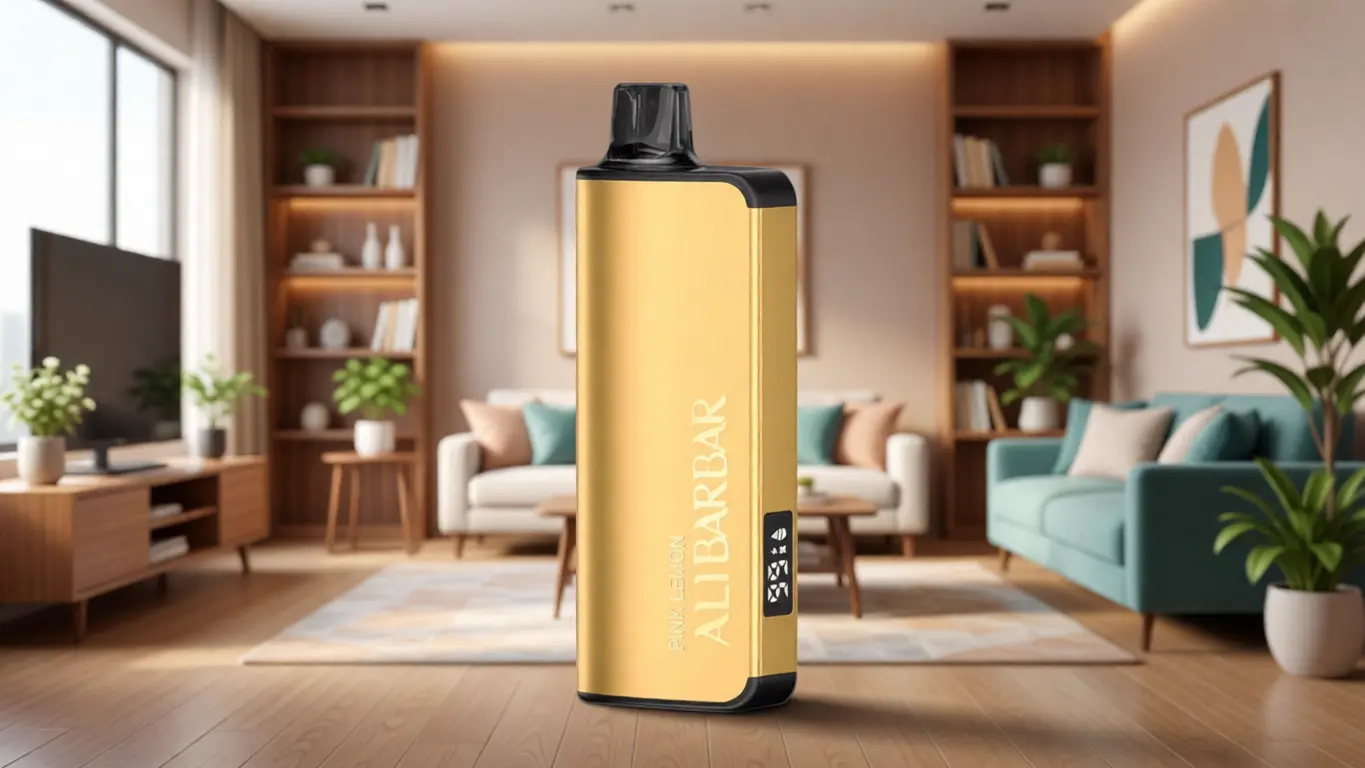
For users who need to use a device in a room that others will occupy shortly afterward, the priority should be devices with tightly regulated heating systems and sealed exteriors. The ALIBARBAR INGOT 9000 series, available through OZVAPE Shop, is engineered with a precision heating element that maintains consistent output across its entire operational life. The sealed aluminum alloy body does not absorb residual compounds, and the device’s power management system provides clear visual feedback so the user knows exactly when output quality remains optimal.
The ALIBARBAR Ice Adjust 12000 takes this further with an adjustable airflow system that allows the user to fine-tune the density of the aerosol. A more airy draw produces a less concentrated output that dissipates faster in room air—a practical advantage for those concerned about detectable residue.
For comparison, devices from other established manufacturers such as ELFBAR and IGET operate on similar engineering principles, though differences in heating element design and exterior materials can influence odor retention. ELFBAR’s sealed units use a ceramic coil system that provides stable temperature control, while IGET devices employ a mesh coil configuration that can produce a slightly denser aerosol under certain usage patterns. Neither is inherently better—the choice depends on whether the user prioritizes output density or rapid dissipation.
A Practical Framework for Evaluation
To assess how a specific device will behave in your environment, ask yourself these diagnostic questions:
Does the device provide clear status feedback?
If not, you will likely continue using it past its optimal performance window, generating more noticeable room odor during that final phase.
What is the exterior material composition?
Sealed metal or hard plastic housings retain less residue than porous, matte-finished surfaces.
Is the airflow adjustable or fixed?
Adjustable airflow gives you control over output density, which directly correlates to how quickly the aerosol dissipates.
How is the device retired?
Sealed units remove all odor-absorbed components from the environment. Reusable systems may require periodic cleaning to prevent odor accumulation.
Standardized specification comparison is a practical tool for reducing decision friction. When reviewing product listings at OZVAPE Shop, pay attention to the rated puff count, power cell capacity, and whether the device uses a ceramic, mesh, or quartz heating element. These specifications directly influence output consistency and residual odor.
Common Selection Errors and Industry Observations
Several recurring patterns undermine user satisfaction when it comes to managing room odor.
Overweighting puff count while ignoring heating consistency.
A device with a high puff count but poor temperature regulation will produce increasingly noticeable odor in its later stages. The total operational life matters less than whether the device remains consistent throughout that life.
Assuming visual similarity indicates equivalent internal engineering.
Two devices may look nearly identical but use completely different heating element configurations. The visible exterior tells you almost nothing about how the device processes material or what byproducts it releases into the room.
Undervaluing modularity in cost-per-use calculations.
Sealed units may appear more expensive per device, but they eliminate the need for cleaning, reduce the risk of odor retention in reusable components, and simplify the user experience. When you factor in the time and inconvenience of maintaining a reusable system, sealed units often represent better value.
Confusing category terminology with technical specifications.
Terms like “disposable” or “rechargeable” describe form factor, not performance. A sealed unit with a ceramic heating element and regulated power management will produce a cleaner, less odorous output than a rechargeable device with an outdated heating system.
From an industry perspective, the shift toward sealed, single-use devices with advanced heating systems reflects a broader understanding that users value consistency and discretion over the theoretical flexibility of component replacement. Manufacturers that invest in precision engineering for sealed units—rather than simply producing high-capacity devices with minimal refinement—consistently receive better feedback on room odor management.
Frequently Asked Questions
Q: How long does vapor odor typically linger in a room?
A: With adequate ventilation—an open window or active air circulation—the detectable odor from a well-engineered device usually dissipates within 5 to 15 minutes. Without ventilation, some residual scent may persist for 30 minutes or longer, particularly if the device was used heavily near soft furnishings.
Q: Does the flavor of the consumable material affect room odor?
A: Yes, different flavor profiles have different odor signatures. Fruity and dessert-oriented profiles tend to be more recognizable to others entering the room, while tobacco or menthol profiles may be less distinct. Unsweetened or neutral profiles produce the least detectable room odor.
Q: Can vapor residue stain walls or fabrics?
A: Unlike traditional smoke, vapor does not contain tar or combustion byproducts that cause yellowing or staining. However, heavy, prolonged use in an unventilated room can leave a thin, slightly sweet film on glass surfaces or glossy finishes. Regular cleaning prevents any visible accumulation.
Q: How do I verify that a device will produce minimal room odor?
A: Look for devices with ceramic or precision-regulated heating elements, sealed metal or hard plastic exteriors, and clear power status indicators. Product pages at OZVAPE Shop include detailed specifications that allow you to evaluate these factors before purchase.
Q: Does the rated puff count affect how much odor a device produces?
A: Not directly. A device with a higher puff count but poor heating consistency may produce more residual odor than a lower-count device with precise temperature control. The quality of the heating system matters more than total capacity.
Q: Can I use a device in a hotel room without triggering smoke detectors?
A: Standard smoke detectors respond to particles produced by combustion, not vapor. However, some modern detectors are sensitive to aerosol particles. Using a device with adjustable airflow set to a lighter draw reduces aerosol density and minimizes the chance of detection.
Q: How should I handle post-purchase issues if a device produces unexpected odor?
A: Document the device model, batch number, and the specific conditions under which you noticed the odor. Contact OZVAPE Shop’s support team with this information. Devices that deviate from their documented specifications are covered under standard warranty protections.
Q: Does the ambient temperature of the room affect vapor odor?
A: Yes. Cooler room temperatures cause aerosol particles to condense more quickly, which can make them more noticeable to nearby individuals. Warmer rooms allow particles to remain suspended longer but diffuse more rapidly.
Q: Are there any devices specifically designed for discreet indoor use?
A: The ALIBARBAR Ice Adjust 12000 series includes adjustable airflow specifically to give users control over output density. Lower airflow settings produce a lighter aerosol that dissipates faster, making it better suited for indoor use where discretion is a priority.
Q: What is the best way to test a new device for room odor?
A: Use the device in a closed room for five minutes, then leave the room and close the door. Re-enter after 10 minutes and note whether you detect any residual scent. Repeat the test in the same room with ventilation to establish a baseline comparison.
Conclusion
The question of whether a device leaves detectable odor in a room ultimately comes down to engineering quality and user awareness. Devices with precise heating systems, sealed exteriors, and clear status indicators produce aerosol that dissipates rapidly and leaves minimal residual scent. Devices that lack these features may generate stronger, longer-lasting odor, particularly as they approach the end of their operational life.
The most reliable approach is to evaluate a device based on its internal architecture rather than its external appearance or marketing claims. OZVAPE Shop maintains comprehensive specifications for every device in its catalogue, allowing you to make an informed decision based on the engineering factors that actually affect performance.
The right choice is the one that matches your actual routine and the expectations of the people who share your space. Whether that means a sealed unit with adjustable airflow for maximum discretion or a high-capacity system for uninterrupted use, the decision rests on understanding how the device works, not on how it looks.