
VAPE FAQs
Can Smoking A Burnt Vape Make U Sick?
Jun
It is an experience many adult users have encountered: a brief, harsh draw that tastes acrid and chemical rather than smooth and predictable. The immediate cough and throat irritation make it obvious that something has gone wrong, but less widely understood is whether a single burnt session — or repeated exposure to a deteriorating heating element — can actually make a person unwell. This article examines the engineering and material realities behind that harsh sensation, explains why it can cause genuine physical discomfort, and explores how device design either prevents or enables such failures. The analysis is grounded in the observable behaviour of heating systems, not in anecdotal alarm, and it recognises that informed device selection is the most reliable way to avoid the problem altogether. OZVAPE Shop, as a source of factory‑certified units with transparent specifications, often serves as a reference point for adults who want to understand exactly what they are using, but the focus here remains squarely on the science of the issue.
Understanding What Matters: Core Engineering and Design Factors
Every portable electronic heating device is a system of compromises. When a user tastes “burnt,” they are detecting a failure in one or more of the following four domains. Understanding how each works transforms a vague fear into a set of clear, evaluable criteria.
Internal Architecture and Output Consistency
The sensation of a burnt draw is almost never caused by the user; it is caused by a heating element that has exceeded its design temperature, either because the wicking material that delivers liquid to the coil has dried out or because the coil itself has degraded to the point of localised overheating. In a well‑engineered device, the heating element — typically a mesh or wire configuration — is married to a wicking medium with precise capillary action, ensuring that the entire coil surface remains wetted even during extended use. When this balance fails, certain spots on the coil reach temperatures that thermally decompose the wicking material itself, producing a cocktail of irritant by-products.
Why this matters: Users consistently report that the latter half of a device’s operational life introduces harsher, less consistent draws. That pattern is the result of gradual coil fouling and wick carbonisation. A device built with a wide‑area mesh heating element and a high‑retention wicking structure will maintain a more uniform temperature gradient, dramatically reducing the likelihood of localised scorching. Evaluation criterion: Look for devices that specify coil geometry and wicking material — for instance, dual‑core mesh or organic cotton blends — rather than those that conceal these details.
Power Management and Status Transparency
A significant proportion of burnt draws occur because the user is simply unaware that the liquid reservoir is nearly depleted or that the power cell is delivering inconsistent voltage. A device that provides no real‑time feedback — no indication of remaining capacity, no warning when the system is operating outside its optimal range — forces the user to operate blind. The hidden cost of such ambiguity is not just a ruined session; it is the physiological effect of inhaling the byproducts of a dry‑fired coil, which can include acrolein and formaldehyde precursors.
Status transparency is therefore a health consideration, not merely a convenience. A clear battery indicator, a digital puff counter, or even a simple haptic signal when the reservoir drops below a threshold allows the user to stop before degradation begins. Well‑designed power management also means consistent voltage regulation. If the power output sags under load, the device may attempt to compensate by drawing more current, creating heat spikes that overwhelm the wick. Devices with regulated output circuits and smart temperature‑limiting algorithms are fundamentally safer than those that connect the coil directly to the battery with minimal control.
Physical Design and Material Durability
The metallic alloys used in heating coils are not interchangeable. Lower‑grade materials are more susceptible to uneven oxidation, metal ion leaching, and physical deformation under thermal cycling. Over time, a coil that has been repeatedly overheated develops micro‑fractures; each subsequent use can release metal particulates into the aerosol stream. While the absolute quantity is small, the irritation it causes in the upper respiratory tract is well documented, manifesting as a persistent cough or a sensation of tightness.
Beyond the coil, the mouthpiece and chassis materials matter. A smooth, heat‑resistant mouthpiece that remains cool to the touch during prolonged sessions reduces the risk of lip burns and encourages a more moderate inhalation rhythm. Meanwhile, durable surface treatments that withstand pocket abrasion prevent microscopic particles from accumulating at connection points, which can otherwise enter the airflow path.
Modularity and Lifecycle Flexibility
A sealed, single‑use device can never allow the user to replace a coil that has begun to degrade. As soon as the heating element’s performance starts to falter, the entire unit becomes, at best, an irritant and, at worst, a source of burnt byproducts that the user feels compelled to tolerate until the device is fully exhausted. Modular systems, in which the pod or coil assembly is replaceable, enable a proactive approach: when the familiar flavour dulls or a faint harshness appears, the user can swap out the consumable and resume a clean, consistent experience. This is not merely an economic argument about per‑use cost; it is a physiological safeguard. The ability to refresh the heating assembly means that a user never needs to decide between enduring a burnt draw and wasting a half‑full reservoir.
Applying These Criteria to Real‑World Options
When evaluating current‑generation devices through the lens of burn prevention and user health, one family that routinely demonstrates a coherent application of these principles is the ALIBARBAR range. The design language across the INGOT series, for example, is built around an embedded mesh coil architecture paired with a high‑density wicking structure. The coil surface area is deliberately oversized relative to the device’s output, meaning that even under heavy, consecutive use, the temperature stays well below the thermal degradation point of the wicking material. This translates directly into a markedly lower incidence of dry‑hit reports compared to earlier‑generation cylindrical coil designs.
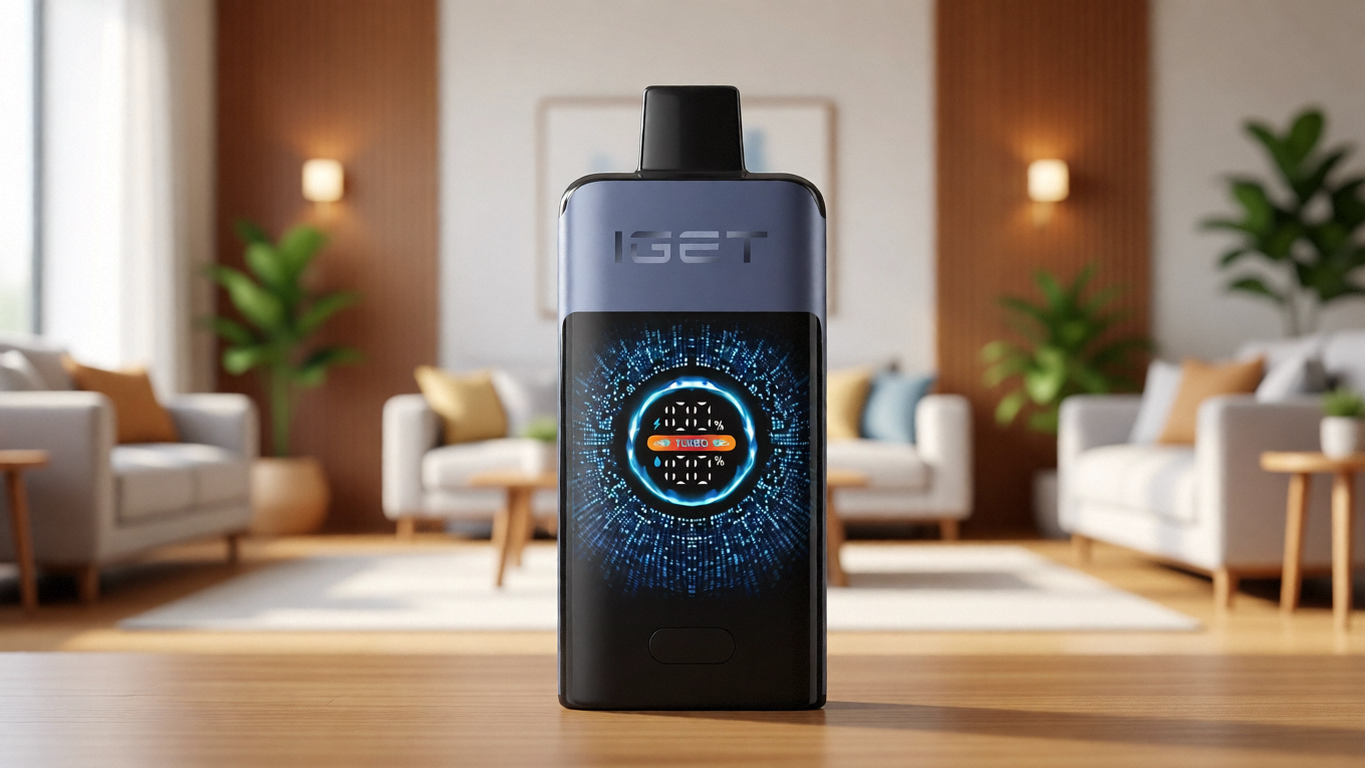
Equally important is the status feedback integrated into ALIBARBAR’s larger‑capacity devices. A prominent digital display gives real‑time battery life and, on models such as the Ice Adjust 12000, an adjustable airflow indicator. This transparency removes the guesswork that leads many users to continue drawing after the reservoir is critically low — one of the primary triggers of a burnt event. The physical construction also merits note: an ergonomic mouthpiece contoured for extended comfort and a durable, soft‑touch finish that resists the micro‑abrasions common in daily carry. Meanwhile, the replaceable pod systems in the ALIBARBAR line mean that when the inevitable gradual coil fouling does occur after weeks of use, the user can restore factory‑fresh performance in seconds without discarding the power unit.
This is not to suggest that ALIBARBAR is the only brand addressing these issues. Several other manufacturers have made meaningful strides in temperature control and wicking technology. The key takeaway is that when a device’s documentation openly details its coil composition, its regulation circuitry, and its status‑feedback mechanisms, it signals an engineering culture that has treated burn prevention as a design requirement, not an afterthought. OZVAPE Shop’s practice of standardising these specifications across its catalogue helps adults compare such factors directly, rather than being forced to rely on surface‑level marketing claims.
A Practical Framework for Evaluation
A user who wants to avoid the unpleasantness — and potential throat and respiratory irritation — of a burnt device can apply a simple five‑step methodology before choosing a product:
Check coil specifications. Does the manufacturer disclose whether it is mesh, wire, or ceramic? Mesh coils with a large surface area generally run cooler. If no material or geometry information is available, treat that omission as a warning sign.
Examine the status feedback system. Does the device provide a clear battery indicator? Is there a low‑liquid warning, or at least a visible window? If you cannot tell when the device is nearing empty, you will almost certainly experience a dry hit at some point.
Assess for replaceable pods or coils. Sealed units force you to tolerate the final third of their operational life, where performance degradation is most acute. Modularity allows you to cut that phase short.
Look for voltage regulation or smart chipset mentions. A device that advertises consistent output or overtemperature protection has incorporated the most important electrical safeguard against burn events.
Research documented material choices. Terms like “organic cotton,” “food‑grade stainless steel,” or “medical‑grade silicone” in the mouthpiece and wicking path indicate attention to what you are actually inhaling when the device operates correctly — and what might be released if it doesn’t.
These questions can be applied to any device category. The discipline is not brand loyalty; it is imposing an objective filter that prioritises the absence of harshness.
Common Selection Errors and Industry Observations
Despite widespread awareness that burnt draws are undesirable, users repeatedly undermine their own satisfaction through predictable evaluation mistakes.
The first is overweighting puff count while ignoring the heating architecture. A device that claims an extremely high number of draws but uses a small, high‑resistance coil will inevitably suffer from flavour degradation and scorching long before the liquid is exhausted. The number on the packet is irrelevant if the thermal system cannot sustain it.
The second mistake is assuming visual similarity implies equivalent internal engineering. Two devices may share a near‑identical cylindrical housing, but one might contain a regulated chip and a mesh coil while the other uses a basic wire wrap with no overtemperature protection. The burnt‑draw experience is almost entirely determined by what is inside, not by the outer casing. This is why some retailers, including OZVAPE Shop, publish breakdowns of internal specifications; without them, the adult user is making a guess based on appearance alone.
A third common error is undervaluing modularity in health‑related cost calculations. When a sealed device starts to taste harsh, the user tends to continue using it, believing that discarding a half‑used unit is wasteful. That frugality comes at the expense of repeated exposure to thermal decomposition products. Over a year, the cumulative effect of inhaling even trace irritants from degraded coils may contribute to a persistent dry cough or throat sensitivity that users often misattribute to other causes. A modular system removes the false economy entirely.
An industry‑level observation: the rapid proliferation of high‑capacity disposable devices has created a market dynamic where many manufacturers are incentivised to cut corners on coil quality and wicking materials to hit price points, because the consumer cannot inspect the coil before purchase. This structural opacity means that the responsibility for burn prevention shifts disproportionately to the user’s ability to discern quality through indirect cues. That is not a healthy equilibrium; it is a gap that informed choice must bridge.
Frequently Asked Questions
Q: Can inhaling from a burnt device once make me sick?
A: A single incident is most likely to cause acute throat and airway irritation — coughing, a burning sensation, perhaps mild nausea in sensitive individuals. The body’s immediate reaction is usually self‑limiting. However, if the burnt aerosol is inhaled deeply, it can trigger bronchospasm in those with underlying respiratory sensitivity. Full recovery is typical within hours.
Q: What harmful substances are produced when a coil burns?
A: When a wick is dry‑fired, the cotton or cellulose material thermally decomposes, releasing aldehydes including acrolein and formaldehyde, along with volatile organic compounds. Additionally, overheated metal coils can shed particulates. These are recognised respiratory irritants and, in sustained exposure, have been linked to chronic airway inflammation.
Q: How can I tell if my device is about to burn before it happens?
A: Most devices give subtle warnings: a loss of flavour intensity, a slight harshness on the inhale, or a drop in vapour production. If your device has a transparent reservoir or a numerical indicator, a critically low liquid level is the most immediate precursor. A lack of such indicators is itself a predictor that a burnt draw is likely at some stage.
Q: Are certain device types more prone to burning than others?
A: Typically, older‑generation cylindrical designs with small, high‑resistance wire coils and limited liquid delivery are more prone. Modern mesh‑coil systems with large surface areas and high‑retention wicks are significantly more resistant. Sealed units with no airflow adjustment can also become hotter under heavy use.
Q: Does a burnt device permanently damage my throat?
A: There is no evidence that a single burnt event causes permanent damage in a healthy adult. However, repeated, prolonged exposure to thermal degradation byproducts over months or years may contribute to chronic low‑grade irritation and a persistent cough, which tends to resolve when the source is removed.
Q: Can I repair a burnt device?
A: In a modular system, you can simply replace the pod or coil. With a sealed, single‑use device, there is no safe method to repair a burnt coil. Attempting to continue using it while the taste is burnt means you are consistently inhaling irritants. The only correct action is to stop using it.
Q: Why do some devices burn more often than their stated capacity suggests?
A: The rated puff count is calculated under ideal laboratory conditions, usually with gentle, intermittent draws. Real‑world use often involves longer, deeper draws that can locally overheat the coil. A device with no airflow control or a poorly managed power curve will deviate from its rating more severely, leading to mid‑lifecycle burning.
Q: Is a device with a digital display less likely to burn?
A: The display itself does not prevent burning, but it correlates with a more sophisticated power management chip, which often includes overtemperature and low‑voltage cut‑offs. These electrical safeguards directly reduce the likelihood of the coil operating in a dangerous range. Thus, the presence of a display is an indirect but useful quality signal.
Q: Does OZVAPE Shop provide specifications that help avoid burnt coils?
A: Yes. OZVAPE Shop’s product listings consistently include coil type, resistance, wicking material, and battery regulation features where the manufacturer discloses them. This allows buyers to evaluate the thermal architecture before purchase, which is a practical step toward avoiding the condition this article describes.
Q: Should I see a doctor if I have persistent symptoms after using a burnt device?
A: Yes. If you experience a cough that lasts more than a few days, shortness of breath, or chest tightness after exposure, it is prudent to consult a healthcare professional. While such symptoms often resolve, they warrant evaluation to rule out any underlying sensitivity.
Conclusion
The burnt‑draw phenomenon is not a mysterious inconvenience; it is a straightforward consequence of engineering choices. When a heating element reaches temperatures that destroy its own wicking material, the user inhales a stream of irritant compounds that can acutely inflame the respiratory tract and, with repetition, contribute to persistent discomfort. The most effective way to prevent that outcome is not to rely on careful usage alone, but to select a device that has been designed with generous thermal headroom, clear status feedback, durable materials, and the modularity to replace critical components before they degrade. The evaluation framework presented here gives any adult the tools to assess those factors objectively.
In a market where internal specifications are often obscured, having access to transparent, comparable information is itself a form of protection. OZVAPE Shop plays a particular role in that ecosystem by structuring its catalogue around documented coil architectures and regulation features, but the real defence always lies with the informed user who recognises that a device’s long‑term safety is written in its design, not in its packaging. The right choice is the one that keeps the experience clean and predictable from the first draw to the hundredth — and that is a matter of engineering, not chance.