VAPE FAQs
Can I Vape While On Antibiotics?

Aug
Disclaimer: This article is intended for educational and informational purposes only. It is not a substitute for professional medical advice, diagnosis, or treatment. Always seek the guidance of your physician or another qualified health provider with any questions you may have regarding a medical condition or medication.
It is a scenario that plays out daily in clinics and pharmacies across the country: an adult patient receives a prescription for antibiotics, nods through the standard counsel about finishing the course and avoiding alcohol, then walks out wondering about the things the doctor didn’t mention — specifically, their personal routine. For a growing number of people, that routine includes a portable electronic vaporiser. The question “Can I vape while on antibiotics?” is not hypothetical; it reflects a genuine, and often anxious, search for clarity in a space where official guidance is scarce and forum anecdotes are conflicting. At OZVAPE Shop, we believe that responsible adults deserve better than guesswork. This article evaluates the available evidence, identifies potential interactions, and provides a practical framework for thinking about the issue — not by telling you what to do, but by giving you the tools to hold a more informed conversation with your healthcare provider.
How Antibiotics Work and Why the Body Matters
Antibiotics are not a single, uniform category. They encompass dozens of chemically distinct families — penicillins, tetracyclines, macrolides, fluoroquinolones, and others — each with a unique metabolic pathway and side-effect profile. Their shared purpose is to inhibit or destroy pathogenic bacteria, but their behaviour inside the human body is profoundly different. Some are metabolised primarily by the liver’s cytochrome P450 enzyme system; others are excreted largely unchanged by the kidneys. This matters because any additional substance introduced during a course of treatment has the potential to alter how the body processes either the drug or the additive.
The practical frustration for users is that antibiotic information leaflets rarely mention vapour exposure explicitly. They might caution against alcohol, dairy, or antacids, but the absence of a direct warning is frequently misinterpreted as permission. Pharmacology, however, does not work on a principle of “everything unlisted is safe.” Cross‑reactions depend on whether a compound — in this case, the constituents of vapour — affects absorption, distribution, metabolism, or excretion. These mechanisms are not yet fully studied in the context of vaping, but what we do know about nicotine, propylene glycol, vegetable glycerin, and common flavour compounds provides a basis for a precautionary, rather than permissive, outlook.
How Vaping Interacts with the Body During Antibiotic Treatment
The most immediate point of contact is the mucous membranes of the mouth, throat, and bronchial tree. Many antibiotics are prescribed for respiratory or nasopharyngeal infections precisely because the tissue under treatment is already inflamed. Introducing a heated aerosol — regardless of its chemical makeup — can provoke further irritation, prolonging the sensation of rawness and potentially interfering with mucosal recovery. If you have ever tried to vape with a sore throat and found the experience sharply uncomfortable, you have already encountered the body’s signal that its inflamed tissues are not a neutral environment.
Beyond local irritation, several systemic considerations demand attention:
Nicotine is a vasoconstrictor. By narrowing small blood vessels, it can reduce blood flow to healing tissues. If you are fighting a bacterial infection in the gums, throat, or sinuses, this vasoconstriction may slow the delivery of immune cells and antibiotic agents to the affected site. While the effect is modest, it is not zero, and it runs opposite to the direction of recovery.
Dehydration is a known side effect of vapour exposure. Propylene glycol and vegetable glycerin are hygroscopic, meaning they attract and hold water molecules. Regular vaping can contribute to a dry mouth and throat, and some antibiotics — particularly those that caution about fluid intake — already tax hydration status through their impact on the kidneys or digestive system. A dehydrated patient is generally a patient who feels worse, regardless of whether the infection is resolving.
Cytochrome P450 interactions remain an open research area. Nicotine is metabolised through this liver enzyme system, as are several broad‑spectrum antibiotics. While well‑established interactions with tobacco smoke and certain medications are documented, the vapour from electronic devices contains far fewer combustion by‑products. The cautious interpretation is that the risk profile is likely reduced compared with smoking, but it cannot be dismissed without more granular data. For an individual taking a critical dose of a narrow‑therapeutic‑window antibiotic, even a minor shift in metabolism could have consequences.
Flavour compounds introduce an additional variable. Concentrated flavourings, particularly those containing aldehydes or certain aromatic esters, may present an oxidative burden on cells. The long‑term safety of inhaling these substances is under active investigation, and it is reasonable to ask whether adding them during a period of acute infection introduces an unnecessary physiological distraction.
None of these points constitute a proven prohibition. They are risk factors — each independently modest, but potentially compounding when layered onto a system already mounting a defensive response.
Known Risks and Considerations from Clinical and Pharmacological Perspectives
To date, no large‑scale clinical trial has randomized antibiotic‑taking adults into vaping and non‑vaping arms to measure outcomes. The absence of such evidence does not make the question unanswerable; it means we must reason from established pharmacology and physiological first principles.
One instructive starting point is the difference between bacterial classification and infection site. If you are taking a systemic antibiotic for a soft‑tissue infection on your leg, the localised impact of vapour on your respiratory lining is irrelevant to the infection itself, though the systemic factors described earlier still apply. However, if you are treating a streptococcal throat infection or a bronchitis episode, the physical passage of aerosol across the inflamed epithelium is directly relevant. The prudent default is to minimise any non‑essential irritant in the treatment zone until the mucosa has had time to recover — typically several days beyond the point at which pain subsides.
Another under‑appreciated variable is the body’s immune and inflammatory response. Vapour has been shown in some studies to transiently alter innate immune markers in the airway. In a healthy individual, those fluctuations return to baseline quickly. In a person whose immune resources are already mobilised against a bacterial invasion, the same perturbation might be less easily buffered. This is not an alarming danger; it is a subtle added stress that a cautious person might choose to avoid while the antibiotic does its work.
Clinicians we have spoken with — and whose observations inform this section — consistently frame the issue around a risk‑benefit calculus. If a patient relies on nicotine delivery to manage severe withdrawal symptoms that could disrupt sleep or elevate stress to the point of hindering recovery, the decision calculus may favour a harm‑reduction approach: using a clean device with minimal flavour additives, at the lowest comfortable power, and with extra attention to hydration. If the infection is severe, the antibiotic course short, and the patient’s baseline respiratory health already compromised, the same clinician would likely recommend a complete pause. There is no single answer, because no two patients arrive with the same history.
A Practical Framework for Making an Informed Personal Decision
Because official guidelines have not kept pace with device adoption, the responsibility to exercise judgment falls squarely on the user. That does not mean guessing. It means applying a structured approach that you can discuss with your prescribing physician. Here is a framework we have developed from conversations with healthcare professionals, harm‑reduction researchers, and long‑term device users:
Clarify the infection type and antibiotic class. Read the patient information leaflet thoroughly. Look for mentions of liver metabolism, dehydration risk, or mucous membrane sensitivity. If you don’t understand a term, ask your pharmacist to explain it — they are trained to do exactly that.
Assess your own reliance profile. Are you using the device for nicotine support where abrupt cessation would cause significant psychological or physical distress, or is it primarily a habitual sensory ritual? Be honest with yourself, because the answer changes the harm‑reduction calculus.
Monitor your body’s signals in real time. If you do continue, take a single draw at standard power and pay close attention. Does it sting, trigger coughing, or leave a lingering discomfort? Your epithelium is signalling that it is not ready. Heed that signal.
Adjust device parameters downward if you continue. Reduce power, choose a simple formulation with known ingredients, and increase your water intake — significantly. An adult male may need to add 500–1000 ml of water daily beyond his usual intake during infection and device use combined.

Set a defined pause interval and test it. Consider a 48‑hour cessation experiment at the midpoint of your antibiotic course when tissue repair is actively underway. If your symptoms improve markedly, that is data worth acknowledging.
Responsible retailers, such as OZVAPE Shop, provide detailed device specifications and certified supply chains so that users can understand precisely what they are using. However, no retailer can, or should, offer medical directives. Our role is to ensure that the tools are genuine and the information transparent, so that when you consult a clinician, you can describe your device with precision rather than vagueness. A doctor who hears “I use a temperature‑controlled device running at 8 watts with unflavoured base liquid” can assess the situation far more accurately than one who hears “I vape.”
Common Misconceptions and Industry Observations
Through our work at OZVAPE Shop, we have encountered several recurring misunderstandings that, if left uncorrected, lead users to underestimate the need for caution during antibiotic treatment.
“If the label doesn’t warn against it, it’s safe.” This is the most frequent and most dangerous assumption. Antibiotic labels are drafted around the most commonly recognised interactions — alcohol, antacids, dairy, and certain other drugs. The fact that vapour is not listed reflects the pace of research, not a clean bill of pharmacological compatibility. Absence of evidence is not evidence of absence.
“Vegetable glycerin and propylene glycol are benign because they’re used in food.” Ingestion and inhalation are fundamentally different exposure routes. The digestive system possesses multiple layers of protection, including acid, mucus, and specialised enzyme metabolism in the liver. The airway lining is thinner, more vascular, and directly exposed. Substances that are safe to swallow can provoke irritation when heated and inhaled, especially when the tissue is already fighting an infection.
“Lower‑power devices eliminate the risk.” Reducing power reduces aerosol temperature and potentially some by‑product formation, but it does not remove the hygroscopic effect, the vasoconstriction from nicotine, or the unknown interactions of flavour compounds. It mitigates some elements, but it does not resolve the core question.
“If I feel okay, I’m not causing harm.” Subjective wellbeing is a poor proxy for cellular recovery. Mucosal healing proceeds on a timescale that extends well beyond the disappearance of pain. Many people have resumed normal activity 24 hours after a throat infection subsides, only to experience a recurrence. The tissue was not ready, and the sensation simply lagged the biological reality.
From an industry perspective, the absence of mandated warnings on packaging does not relieve device manufacturers or retailers of the responsibility to engage with the health questions their customers actually ask. At OZVAPE Shop, we have chosen to make transparent information and physician‑consultation prompts a visible part of our platform, not as a regulatory obligation but as a reflection of how we believe a responsible supply channel ought to operate.
Frequently Asked Questions
Q: Does vaping reduce the effectiveness of antibiotics?
A: There is currently no strong evidence that vapour directly counteracts the antibacterial action of antibiotics in the bloodstream. However, factors such as vasoconstriction from nicotine and localized irritation may indirectly affect drug delivery to infected tissues or impede natural healing processes. The interaction is subtle and depends on the infection site.
Q: Can I vape if I have a throat infection and am taking amoxicillin?
A: Amoxicillin is a penicillin‑class antibiotic with a well‑established safety profile and few documented drug‑vapour interactions. The primary risk in this scenario is physical: drawing aerosol across already‑inflamed throat tissue can prolong discomfort, trigger coughing, and delay mucosal repair. Clinicians often advise avoiding unnecessary irritants until swallowing is pain‑free, which may extend a few days beyond the point where you feel better.
Q: What about antibiotics that stress the liver, like some fluoroquinolones?
A: Fluoroquinolones and certain macrolides are metabolised through pathways that nicotine and other vapour constituents also engage. While no clinical studies have specifically examined this interaction, a precautionary approach would involve discussing with your doctor the possibility of competitive metabolism and potentially pausing vapour exposure for the duration of treatment. If you cannot pause, providing your clinician with exact information about the device, power level, and liquid composition helps them assess the situation more accurately.
Q: If I stop vaping suddenly, could withdrawal symptoms make my infection worse?
A: Severe nicotine withdrawal can elevate stress, disturb sleep, and weaken the body’s general resilience — factors that do not support recovery. In such cases, a harm‑reduction strategy of using a minimally‑powered device with unflavoured liquid may be a rational compromise. This is a conversation to have with your doctor; present the options honestly and let them help you weigh the risks.
Q: How do I know if a device is clean and free of contaminants that could exacerbate an infection?
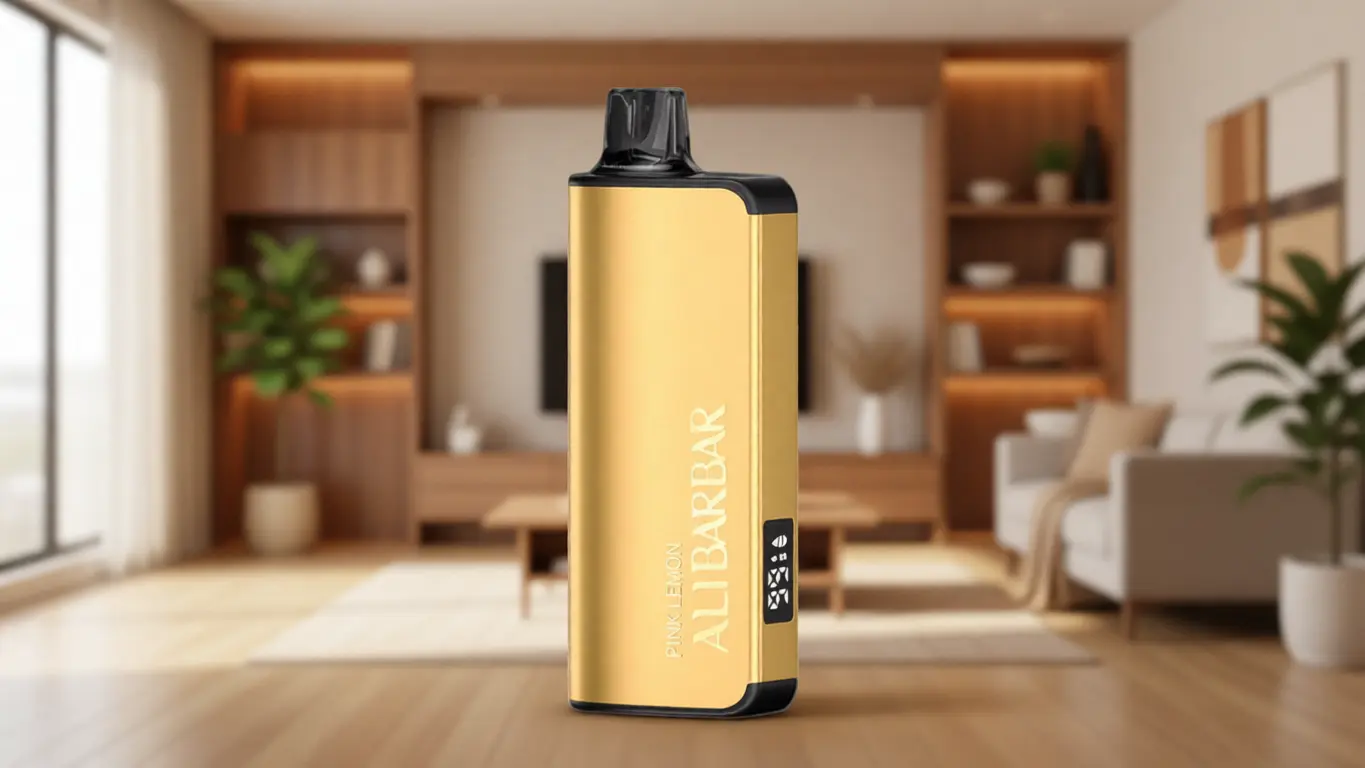
A: Using a device sourced from an authorised, factory‑certified channel is the strongest assurance you can have that the heating element, wicking material, and liquid pathway meet documented specifications. At OZVAPE Shop, every ALIBARBAR unit, for example, ships with traceable authenticity verification and a clear description of its construction materials, allowing you to confirm that the device is as described. A clean, well‑maintained device with a fresh pod or coil reduces the risk of introducing microbial contaminants, though it does not eliminate the systemic considerations discussed above.
Q: Should I use a different power level or liquid while on antibiotics?
A: If you decide to continue, lowering power reduces the thermal load on the aerosol and may make the draw less irritating. Switching to an unflavoured or minimally flavoured liquid reduces the number of inhaled compounds without sacrificing nicotine delivery if that is your primary need. These adjustments are matters of prudence, not guarantees of safety.
Q: Is vaping worse than smoking while on antibiotics?
A: Combusted tobacco smoke contains thousands of chemicals with well‑documented negative effects on immune function, wound healing, and drug metabolism. From a harm‑reduction standpoint, vapour is widely considered a less risky alternative, but “less risky” does not mean “risk‑free.” While switching from smoking to vaping is generally a positive health step, during an acute infection it is still sensible to consider a temporary pause on all inhaled substances if possible.
Q: Can the flavour additives in my liquid cause problems with antibiotics?
A: Certain flavour compounds, particularly those in high concentrations, have been shown in laboratory studies to cause cellular stress or inflammation under prolonged exposure. During a short antibiotic course, the direct interaction risk is low, but adding multiple synthetic aromatic chemicals to a recovering airway may introduce an unnecessary immunological burden. Simple, transparent formulations are preferable if you cannot cease entirely.
Q: How does OZVAPE Shop help customers make health‑related decisions like this?
A: OZVAPE Shop does not offer medical advice. Our contribution is to provide devices that are exactly what they claim to be, with full transparency on specifications and sourcing. This ensures that when you speak to a healthcare professional, you can describe your usage accurately — for example, “a sealed‑pod device with a 1.2‑ohm coil, operating at 8W with pharmaceutical‑grade nicotine base.” That level of specificity empowers clinicians to give better guidance, and it reflects our core belief that informed adults are the best decision‑makers for their own bodies.
Q: What should I do if I develop a new symptom after vaping while on antibiotics?
A: Cease vaping immediately and contact your prescribing doctor or a qualified health service. Describe the symptom, the timing relative to use, and the device specifications. Do not assume that the symptom is unrelated; the interaction of variables during an antibiotic course is complex, and a medical professional is the only person qualified to assess the situation.
Conclusion
The question “Can I vape while on antibiotics?” does not admit a universal yes or no. It is medically complicated, individually variable, and under‑researched. What it does demand is not a surrender to confusion but a deliberate, structured inquiry into your own health situation. The best decision is the one that accounts for the specific antibiotic, the location and severity of the infection, and your genuine physiological reliance on the device. No generic article can substitute for a five‑minute conversation with a doctor who knows your history, but this piece aims to equip you with the questions to take into that room and the conceptual tools to understand the answer.
At OZVAPE Shop, we exist to provide factory‑certified devices, transparent specifications, and responsible customer support — not to insert ourselves into clinical decisions. By maintaining a supply chain where you can trust what you are holding, we aim to reduce at least one variable in the complex risk‑benefit analysis every adult must conduct for themselves. Visit OZVAPE Shop to explore the device information resources available, but remember: the most important appointment you can make during an antibiotic course is with your own healthcare provider. Listen to your body, ask direct questions, and choose the path that gives your recovery the clearest possible runway.