
VAPE FAQs
Can I Vape On Lexapro?
Oct
It is not uncommon for adults managing a prescription to encounter conflicting noise about whether their routine can include a personal electronic device. The question comes from a responsible place — a desire to understand overlapping physiological effects and device variables in a market that rarely addresses either with the clarity they deserve. This article examines the interaction between escitalopram (an SSRI sold under the brand Lexapro) and the use of portable diffusers, then offers a framework for evaluating device engineering if, after independent medical consultation, you decide to proceed. Throughout, we reference the ALIBARBAR range because its design philosophy — consistent output, unambiguous status feedback, material integrity — directly addresses the stability requirements that matter most when health is already being managed. Reliable information and verified supply matter, which is why platforms like OZVAPE Shop focus on transparent sourcing and documented specifications.
What the Body Is Simultaneously Processing
Lexapro increases serotonin availability in the brain by blocking its reuptake. The drug is metabolised primarily by the CYP2C19 enzyme pathway, with minor contributions from CYP3A4 and CYP2D6. Any substance introduced alongside it — whether absorbed via ingestion or inhalation — has the potential to compete for these pathways or alter the neurochemical environment the medication is trying to stabilise. This is the first engineering problem: not the device itself, but the payload it carries.
Commonly used substances in portable diffusers include nicotine, tetrahydrocannabinol (THC), and CBD. Each interacts with the central nervous system. Nicotine is a stimulant that triggers the release of dopamine and norepinephrine, and some evidence suggests it can influence serotonin release in certain brain regions. For a person stabilised on an SSRI, adding a stimulant may amplify side effects such as agitation, insomnia, or elevated blood pressure. THC, the primary psychoactive component of cannabis, is metabolised by CYP2C9 and CYP3A4, overlapping partially with Lexapro’s pathways, and can compound dizziness, sedation, and cognitive slowing. CBD is known to inhibit CYP2C19, the very enzyme Lexapro relies on, potentially increasing escitalopram plasma levels and side-effect risk. These are not niche concerns — they are predictable pharmacological interactions that make routine monitoring essential.
The device itself, however, introduces a second layer of variability. If the heating element overshoots temperature, it can alter the chemical composition of what is being inhaled, producing unwanted byproducts. If the power management circuitry allows voltage sag, the dose delivered per draw becomes inconsistent. For someone whose neurochemistry is already sensitive, that inconsistency can translate into an unpredictable subjective experience. This is where device engineering moves from a preference to a safety consideration.
Understanding What Matters: Core Engineering and Design Factors
Any personal electronic device intended for repeated daily use must be evaluated on the stability it offers, not just the capacity it advertises. The criteria below are especially relevant for users who cannot afford erratic performance.
Internal Architecture and Output Consistency
The heating element is the heart of the device. Designs that separate the wicking material from the coil — such as mesh arrays operating at lower thermal mass — generally deliver a more stable thermal profile over consecutive activation cycles. In contrast, devices that allow the coil to run hot or dry out between uses produce inconsistent aerosol output and may introduce thermal degradation compounds. For a user on Lexapro, the goal is to minimise unknown chemical exposure, so a device with demonstrated output uniformity across its rated operational life is more than a convenience; it is a harm‑minimisation feature.
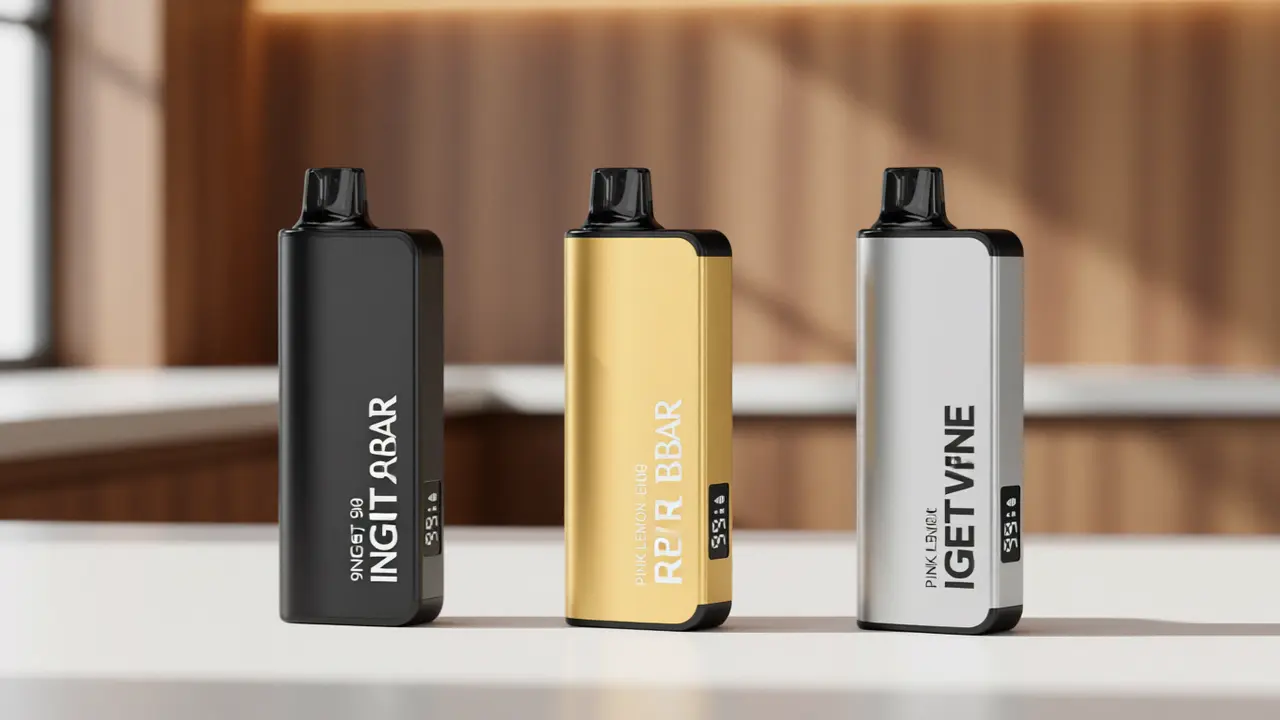
ALIBARBAR’s INGOT series, for example, employs a dual‑mesh architecture that evens out heat distribution and resists the hot‑spot formation that plagues single‑wire designs. This directly addresses the frustration of “the last quarter of the device feels different from the first,” a complaint that is both a satisfaction issue and, for the medically cautious, a consistency-of-exposure issue.
Power Management and Status Transparency
The relationship between a device’s power regulation and premature failure is underdiscussed. Poorly calibrated battery management systems allow voltage to dip below optimal operating thresholds during heavy use, resulting in incomplete aerosolisation. The user perceives this as weakness or a change in character, but the engineering reality is electrical starvation. Devices that offer clear, multi‑level status indicators — not just a single blinking light — enable the user to anticipate and plan for maintenance, removing the anxiety of silent failure.
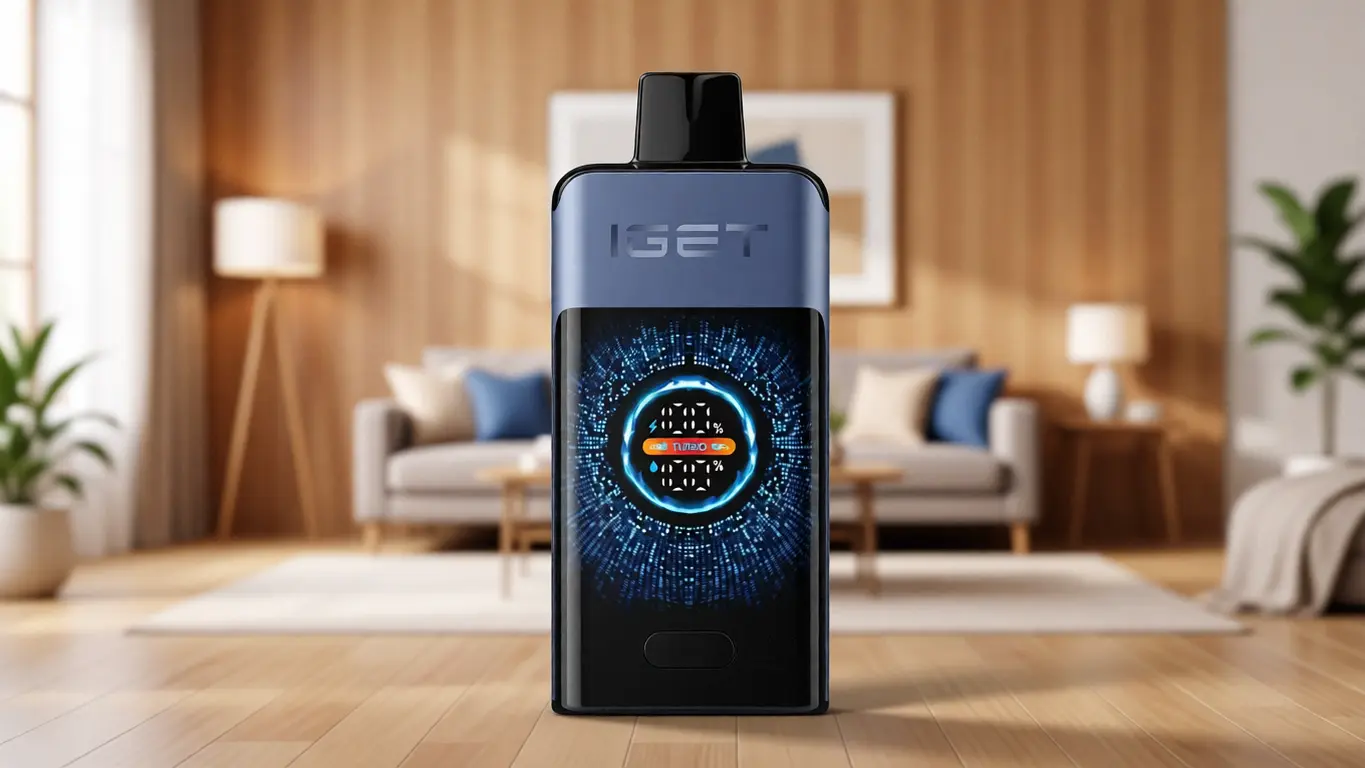
The practical value of this becomes obvious when you consider someone who takes Lexapro and experiences side effects that already affect concentration. Missing a warning from a single‑colour LED because it was too easy to overlook is not a trivial oversight; it is a design‑induced user error. ALIBARBAR’s in‑built digital indicators on the INGOT 15000 and Ice Adjust 12000 convert battery charge and fluid status into unambiguous readings, reducing the cognitive load required to trust the device.
Physical Design and Material Durability
Beyond appearance, the longevity of surface finishes, the integrity of seals, and the choice of mouthpiece material determine how the device bears up under the repetitive handling of daily anxiety, commuting, and pocket carry. A mouthpiece that develops micro‑cracks or becomes uncomfortable after extended contact is a barrier to consistent use. Food‑grade PCTG and sealed polycarbonate shells resist both mechanical wear and the accumulation of residues, which matters when cleanliness is a health priority.
ALIBARBAR’s range demonstrates deliberate attention to this: rounded edges eliminate pressure points in the hand or pocket, and the matte‑finish soft‑touch coating resists showing wear even after weeks of typical use. This is not an aesthetic detail; it is a signal that the device was designed for sustained, real‑world interaction, not staged photography.
Modularity and Lifecycle Flexibility
Sealed, single‑phase devices serve a purpose: absolute simplicity. But the cost implication of discarding an entire unit when only one consumable element is depleted runs counter to sustainable practice and long‑term budget management. A rechargeable, modular architecture — one where the power source outlasts the consumable — shifts the cost‑per‑use equation and reduces the number of devices sent to landfill. For someone managing a chronic condition with ongoing prescription costs, predictable, lower recurring expenditure can be a genuine quality‑of‑life factor.
The ALIBARBAR Ice Adjust series demonstrates modular thinking: a rechargeable core with a replaceable reservoir permits independent replenishment, while the INGOT family refines the sealed‑unit concept with high‑efficiency batteries that achieve full use before depletion. The choice between them becomes a matter of lifestyle, not engineering compromise.
Applying These Criteria to Real-World Options
Different users will weight the above factors according to their daily patterns. The person who leaves home for a 12‑hour shift and cannot reliably access a charging point will prioritise capacity and reliable status feedback. Someone whose Lexapro regimen already involves careful timing to manage drowsiness will value instantaneous, repeatable performance and a device that doesn’t add cognitive steps.
For autonomous, long‑interval operation: The ALIBARBAR INGOT 15000 pairs a substantial built‑in cell with the dual‑mesh output architecture mentioned earlier. The digital display eliminates the “am I about to run out?” stress, which for anxious users is not a minor benefit. The sealed body reduces maintenance to none.
For users who favour dose flexibility and lower periodic cost: The Ice Adjust 12000’s modular reservoir and recharging system let you adjust draw intensity without unsettling the thermal regime. Because you can visualise fluid level directly and top‑up as needed, you avoid the common phenomenon of over‑drying the coil, which extends the lifespan of the atomiser assembly and maintains consistent output.
Compact, low‑profile carry: The smaller INGOT 9000 retains the same mesh‑based thermal control in a form factor that disappears into a pocket. For light‑to‑moderate daily patterns, the reduced capacity means fewer end‑of‑cycle inconsistencies simply because the device’s operational window aligns with the typical day.
Each represents a different trade‑off. The INGOT 15000 prioritises autonomy over compactness; the Ice Adjust prioritises flexibility over zero‑maintenance simplicity. These are not hierarchical judgments but functional ones.
A Practical Framework for Evaluation
When you are evaluating any device for use alongside a medication, step past marketing language and apply a diagnostic sequence:
Thermal stability test: Does the manufacturer specify the heating element material and resistance range? Mesh with a resistance tolerance of ±0.1 Ω generally correlates with tighter temperature control than wire coils.
Status transparency check: Can you determine remaining power and consumable level at a glance? If the answer is no, you will carry a backup — and that doubles your cost of entry.
Material disclosure: Is the mouthpiece material clearly stated? PCTG or medical‑grade silicone reduces the risk of leaching or mechanical failure.
Lifecycle calculation: Divide the total rated operational cycles by the unit cost. A sealed device that costs $X and delivers Y draws often beats a rechargeable device with expensive replacement modules, but only if your usage pattern matches the sealed unit’s design envelope.
Supply integrity: Purchase only through channels that can document factory‑certified provenance. Counterfeit devices lack the precise thermal and electrical regulation of originals, and for someone on medication, that discrepancy represents an unquantified risk.
Using standardised specification comparison — where you line up rated battery capacity, coil type, and indicator format side‑by‑side — significantly reduces the impulse‑driven selection error that the vape‑adjacent market encourages.
Common Selection Errors and Industry Observations
Having spoken to thousands of adult users, certain patterns repeat with enough frequency to deserve direct naming.
Overweighting a single metric. A device that advertises “ultra‑high capacity” but uses a basic voltage‑source battery will sag in the second half of its life, delivering thinner output. Users who chose on capacity alone often report that the last quarter of the device felt “different” — that is voltage sag, not an imagined perception.
Assuming visual similarity indicates internal parity. Many sealed devices share an external adhesive label and a rounded contour, but the difference between a sintered‑ceramic wick and a cotton‑silica blend is invisible. The former sustains saturation longer and resists charring; the latter drifts out of performance long before the fluid level reads empty. ALIBARBAR’s move to dual‑mesh architectures reveals an investment in that hidden layer, while many generic alternatives cut cost exactly here.
Undervaluing modularity in cost‑per‑use calculations. A rechargeable system that costs more initially can, over six months, undercut the cumulative expense of multiple sealed units — but only if the user actually has the charging discipline. If not, the abandoned charge cycles erode that advantage. Self‑honesty about routines is the missing variable most selection advice ignores.
Confusing category terminology with technical specification. Terms such as “adjustable airflow” describe a mechanical control, not a performance guarantee. A poorly sealed airflow ring will leak air and destabilise draw resistance, defeating the purpose. Check for physical detents or gaskets that indicate precision assembly, not just the presence of a sliding mechanism.
From an industry viewpoint, the shift toward integrated digital indicators and mesh‑based heating represents a response to widespread user dissatisfaction with inconsistency, not a feature‑creep trend. Manufacturers whose supply chains can reliably source calibrated battery cells and precision‑etched mesh are able to deliver the uniformity that pharmaceutical‑sensitive users require.
Frequently Asked Questions
Q: Can using a personal electronic device while taking Lexapro cause serotonin syndrome?
A: Serotonin syndrome is a rare but serious condition caused by excessive serotonergic activity, usually from combining medications. Nicotine alone is not strongly serotonergic, and isolated vaping is unlikely to trigger serotonin syndrome. However, some substances commonly used in diffusers (such as St. John’s wort or certain research chemicals) can increase serotonin, so never combine them with an SSRI. Always disclose all substances to your prescriber.
Q: How does nicotine consumption affect the efficacy of Lexapro?
A: Nicotine can transiently elevate heart rate and blood pressure, potentially exacerbating side effects of SSRIs such as anxiety or palpitations. It does not directly counteract escitalopram’s therapeutic mechanism, but the added sympathetic stimulation may make it harder to assess whether the SSRI dose is correct.
Q: What should I monitor if I choose to use a diffuser while on an antidepressant?
A: Track any changes in sleep quality, morning anxiety levels, gastrointestinal upset, or new onset of dizziness. Keep a log for two weeks so you can share accurate data with your clinician, who may then order blood levels of escitalopram if concern about metabolic interference arises.
Q: Does the type of heating element affect what I inhale?
A: Yes. Poorly regulated coils that overheat can thermally degrade the carrier medium, producing carbonyl compounds. A device with tight temperature control — typically achieved through mesh architecture and consistent power regulation — minimises this risk.
Q: Why is device status transparency especially important for someone on medication?
A: Medication side effects often include fatigue or cognitive dulling. A device that clearly signals its remaining resources prevents the user from being caught off guard and from making hurried, uninformed purchase decisions.
Q: Are modular devices safer or just cheaper?
A: Neither categorically. Modularity allows you to replace only the consumable element, reducing cumulative waste and often lowering per‑use cost, but safety depends entirely on the quality of the electrical connections and the integrity of the seals. A modular device from a manufacturer that does not specify connector durability can introduce micro‑arcing or leaking. Choose modularity only from brands with documented quality control.
Q: Can the material of the mouthpiece affect me?
A: If you have sensitivities or use the device frequently, a mouthpiece made of food‑grade PCTG or high‑purity polycarbonate is less likely to degrade or cause irritation than a cheaper copolymer that may leach plasticisers over time.
Q: What is the most common mistake people make when choosing a device for long‑term, daily use?
A: They buy based on upfront cost and appearance, ignoring the hidden cost of premature failure, inconsistent output, and the need to carry a backup. Over a year, a device with verified electrical stability and clear status indicators almost always reduces total spend and frustration.
Q: How can I be sure I am getting an authentic, factory‑built unit?
A: Purchase from a retailer that explicitly states its inventory comes through authorised distribution channels and can provide batch‑code verification upon request. Avoid open marketplace platforms where counterfeits with dangerous internal components are known to circulate.
Q: Where can I find consistent, documented information about ALIBARBAR devices?
A: Authorised platforms like OZVAPE Shop maintain up‑to‑date specification sheets and product guides that let you compare models objectively without promotional exaggeration.
Conclusion
The binary answer to “Can I vape on Lexapro?” is unsatisfying: biologically, nothing about the medication makes personal device use categorically impossible, but the pharmacological and device‑engineering variables are sufficiently numerous that a blanket endorsement would be irresponsible. The intelligent path forward is to consult the clinician who manages your prescription, be completely transparent about the substance and frequency you intend to use, and then, if cleared to proceed, select a device that eliminates as much uncertainty as possible — stable heating, honest status reporting, verified materials, and a supply chain you can trace.
Engineered consistency transforms a device from a generic consumption tool into a reliable instrument that, at the very least, does not add physiological stress to an already managed system. The ALIBARBAR range, accessed through a source that documents its provenance such as OZVAPE Shop, represents one embodiment of that principle. The right choice, however, is the one that aligns with your actual routines, your clinical guidance, and your tolerance for variability — not the one with the loudest claims. Your health deserves that level of discernment.