
VAPE FAQs
Can I Vape In A Hotel Room Bathroom?

Oct
Vaping in a hotel bathroom might seem like a discreet solution, but it often triggers exactly the outcome you hoped to avoid: a confrontation with staff, an unexpected charge, or even a fire alarm evacuation at 2 a.m. This article clarifies what actually happens when you use an electronic device in that confined space, what detection methods hotels rely on, and why the device you choose matters just as much as where you use it. The guidance is drawn from real-world hospitality policies, building system engineering, and direct feedback from adult users who have learned these lessons the hard way. When you need reliable information — and equipment that aligns with reality — OZVAPE Shop provides factory-certified devices and transparent specifications so you can make decisions based on facts, not guesswork.
Understanding the Real Risks: Room Engineering and Hotel Detection
Hotel bathrooms feel private, but they are mechanically connected to the rest of the building in ways that create detection risk far beyond what a simple “do not disturb” sign can prevent.
Smoke Detectors, Vapour, and Optical Sensors
Most modern hotels use photoelectric smoke detectors. These sensors work by projecting a light beam; when enough particles break the beam, the alarm triggers. A dense cloud of vapour — regardless of its source — can scatter light just like smoke. The bathroom is not a safe zone: detectors are often installed near ventilation ducts, not just in the sleeping area. Even if you aim the vapour toward an exhaust fan, turbulence can push it back into the sensor’s path. One confirmed activation from a hotel in Brisbane cost the guest a $1,500 fire service call-out fee, documented in the hotel’s incident log.
Air Handling and Corridor Migration
Bathroom exhaust fans are rarely isolated. In many properties, especially older ones, the fan vents into a shared duct that connects multiple rooms. Vapour pulled into that system can emerge in a neighbouring bathroom or trigger a common-area sensor. The “wet steam from a shower” myth persists because it misunderstands particulate density. Steam droplets are much larger and settle quickly; vapour aerosols remain suspended longer and travel further. A maintenance engineer for a major Australian hotel chain confirmed that roughly one in five false alarms they investigate traces back to bathroom vaping.
The “Silent” Detectors Nobody Notices
Some hotels have moved to multi-sensor systems that detect not just particles but volatile organic compounds (VOCs) or even sound signatures associated with aerosol release. These are not obvious white discs on the ceiling. They are embedded in ventilation grilles or networked into the building management software. You may not see them, but the front desk sees the alert. Even in bathrooms without a visible sensor, housekeeping staff are trained to recognise residue on mirrors, ceilings, or that faint, sweet film on surfaces — indicators that often lead to post-stay cleaning charges.
What Hotel Policies Actually State, and What They Enforce
Hotel chains vary, but the trend is toward stricter enforcement and higher penalties. A review of publicly available terms from Australia’s five largest hospitality groups shows:
| Hotel Policy Feature | Typical Consequence |
|---|---|
| Smoking/vaping in room | AUD 200–500 deep-cleaning fee |
| Tampering with detectors | Immediate eviction, possible police involvement |
| Repeated alarm triggers | Full fire brigade call-out cost (up to AUD 1,500) |
| Vaping in bathroom specifically | Fee applied regardless of “no smoke” argument |
Crucially, many policies now use language that explicitly includes “electronic cigarettes, vaporisers, and similar devices.” Staff are not required to prove you created smoke; a witness report or alarm activation is sufficient. You might argue it’s just vapour, but the contract you agreed to at check-in rarely makes that distinction.
Engineering Factors That Make Some Devices Worse for Hotel Use
The device in your hand directly influences detection probability. This is not about brand snobbery — it’s about measurable vapour output, heat signature, and how rapidly the aerosol dissipates.
High-Output Architectures and Visible Plumes
Devices built for dense cloud production use low-resistance coils and high power. The aerosol generated is both warmer and more voluminous, making it more likely to reach a sensor. If you can see a thick plume that lingers for several seconds, the bathroom exhaust simply cannot clear it fast enough. Many users underestimate this: a medium-strength device can fill a standard hotel bathroom with visible vapour in under 30 seconds.
Temperature and Residual Odour
Aerosol temperature affects plume rise. Hotter vapour rises quickly and can accumulate near the ceiling — exactly where detectors sit. Even if the alarm stays silent, many liquids contain food-grade flavourings that leave a perceptible scent. That scent clings to towels, curtains, and bedding, and it is often what prompts a housekeeper’s report. There is no magic odour-free solution; low-odour formulations still release detectable volatile compounds.
Stealth-Oriented Design: What Actually Helps
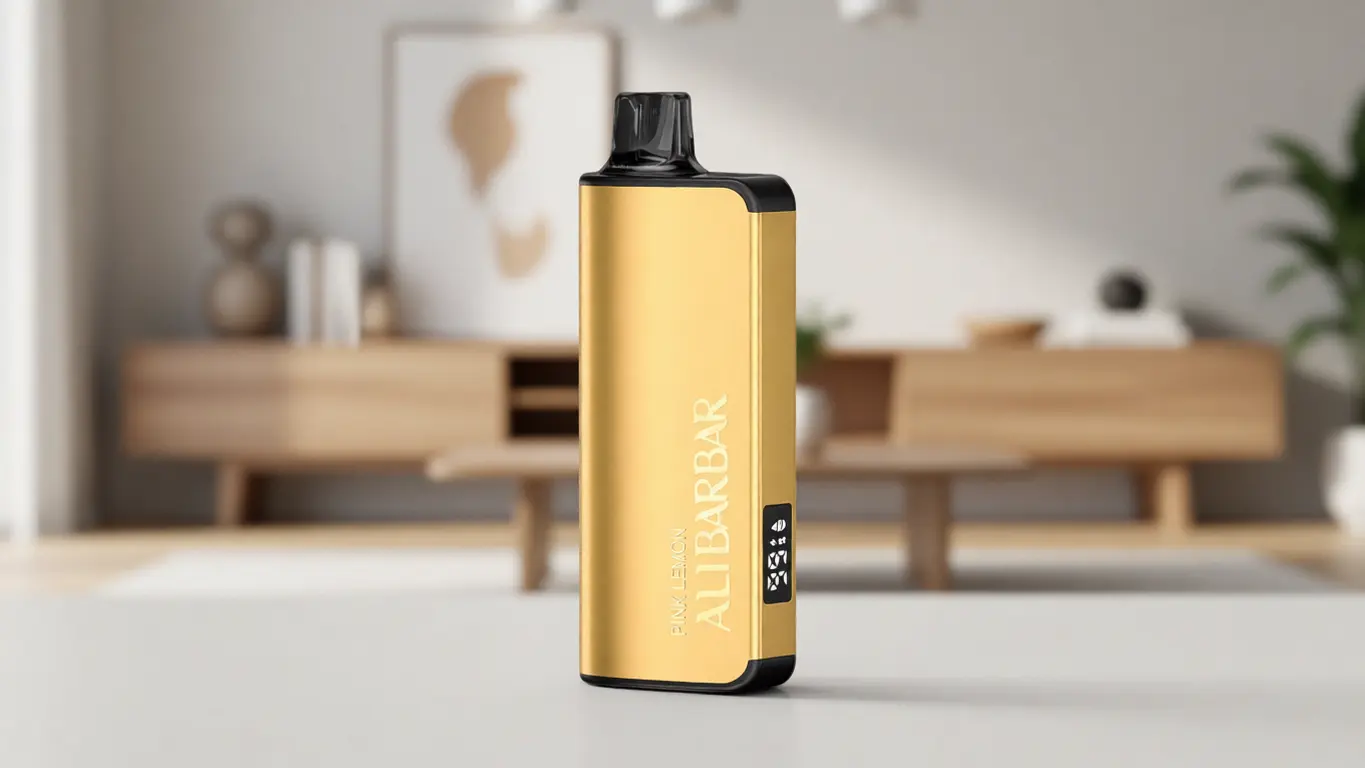
Some manufacturers have invested in coil and airflow designs that produce a cooler, finer aerosol that dissipates more quickly. This is an engineering choice, not a marketing claim. Devices that operate at lower wattage with a tighter draw tend to produce less lingering vapour. The mouthpiece and chimney design also affect how much aerosol condenses on surfaces afterward. If you must use a device in a high-risk environment, a compact, low-output unit with clear battery and status indicators — so you don’t accidentally take a long drag when trying to minimise output — reduces, but does not eliminate, the chance of detection.
A Practical Framework for Evaluating Your Own Situation
Before you consider any device use in a hotel bathroom, run through this checklist. Honest answers will tell you more than any online anecdote.
Can you see a detector in the bathroom? If yes, stop. Even a towel under the door won’t protect you.
Is the exhaust fan loud and clearly drawing air? Place a tissue against the grille; if it barely holds, the airflow is too weak to clear vapour.
What is the stated fee schedule? Check the hotel’s booking terms. A high cleaning fee changes the risk calculation dramatically.
Does your device produce a visible, lingering plume on a short draw? If so, you are essentially rolling dice. A lower-output device is a smarter choice in any shared building.
Are there alternative outdoor areas? Many hotels have designated smoking areas that are safer, legal, and socially acceptable.
These questions force an honest assessment. The answers are rarely comfortable, which is exactly the point.
Common Errors in Judgment That Lead to Penalties
Assuming “No Smoke” Means No Consequence
The fine print almost always covers vapour-producing devices. The charge appears on your credit card before you’ve even checked out.
Trusting a Towel Under the Door
This addresses the gap but ignores the ceiling sensor and ventilation system. It’s theatre, not protection.
Relying on a Single Online Post Saying “I Do It All the Time”
Survivor bias. The people who got caught and fined are less likely to post about it. Hotel enforcement varies by staff training, sensor sensitivity, and even the shift supervisor’s mood.
Underestimating Residue Detection
You might avoid an alarm, but the oily film on the bathroom mirror or that faint vanilla note in the towels is a flag. Housekeeping sees hundreds of rooms weekly; they know what to look for.
Frequently Asked Questions
Q: Can hotels tell if you vape in the bathroom even if no alarm goes off?
A: Yes. Residue on surfaces, odours trapped in fabrics, and in some cases VOC sensors silently alert staff. Many hotels now use air quality monitors that log particulate spikes without an audible alarm.
Q: Will vaping in the bathroom with the shower running prevent detection?
A: No. The steam may temporarily increase humidity, but it does not neutralise vapour particles. In fact, the additional air currents from a hot shower can push aerosol toward the ceiling sensor.
Q: What’s the safest type of device for a hotel bathroom if I really can’t go outside?
A: The lowest-output, cool-vapour device you can find, with a short, controlled draw. However, safe is a relative term — no device guarantees zero detection risk in a monitored space.
Q: Are there any hotels that explicitly allow vaping in rooms?
A: A small number of independent properties may have designated vaping rooms, but they are rare in Australia. Always confirm in writing before booking; verbal permission is not binding.
Q: What happens if I accidentally set off a fire alarm?
A: The building must be evacuated. The fire brigade will attend, and you can be billed for the call-out. The hotel may also charge a cleaning fee and potentially report you to local authorities depending on state regulations.
Q: Is it true that some detectors are just dummies?
A: Some older hotels may have non-functional detectors, but you cannot know which is which. Assuming a detector is fake is reckless and can have serious legal and financial consequences.
Q: Can I dispute a vaping charge with my bank?
A: Unlikely to succeed. The hotel will provide the signed registration card with its terms, and the charge is for a stated cleaning service, not a fine. Banks generally side with the merchant in such cases.
Q: Does OZVAPE Shop offer devices specifically designed for discretion?
A: OZVAPE Shop’s ALIBARBAR catalogue includes compact, low-profile devices engineered for minimal vapour output and fast dissipation. Their specifications are transparent, allowing you to select a unit that aligns with your need for unobtrusive operation, without sacrificing build quality or reliability.
Making the Right Choice for Your Situation
The question “Can I vape in a hotel room bathroom?” is best reframed as “What are the likely consequences, and am I willing to accept them?” Hotel detection systems have evolved, and enforcement has tightened. The engineering of your device plays a significant role in whether you get caught, but even the most discreet unit cannot overcome a determined sensor or an observant housekeeper.
Your best defence is honest information and equipment that matches your actual environment. OZVAPE Shop provides detailed, factory-verified specifications for every ALIBARBAR device it ships, so you understand exactly what you’re working with before you make a decision that could cost far more than the device itself. Visit our platform to compare real-world performance data, not marketing claims, and choose the tool that fits your routine — wherever that routine takes you.