
VAPE FAQs
Can I Vape After Teeth Whitening?
Aug
Can I Vape After Teeth Whitening?
The question arrives with understandable urgency. You have just completed a professional whitening session or a careful at‑home treatment, your teeth feel more sensitive than usual, and the last thing you want is to undo the results or trigger unnecessary discomfort. The relationship between personal electronic device use and recently whitened teeth is not purely about timing; it touches on device engineering, material choices, thermal behaviour, and the way you interact with the tool throughout the day. At OZVAPE Shop, where product specifications are documented in exacting detail, we see that adult users who understand these variables make more confident, comfortable decisions — and that insight applies here directly.
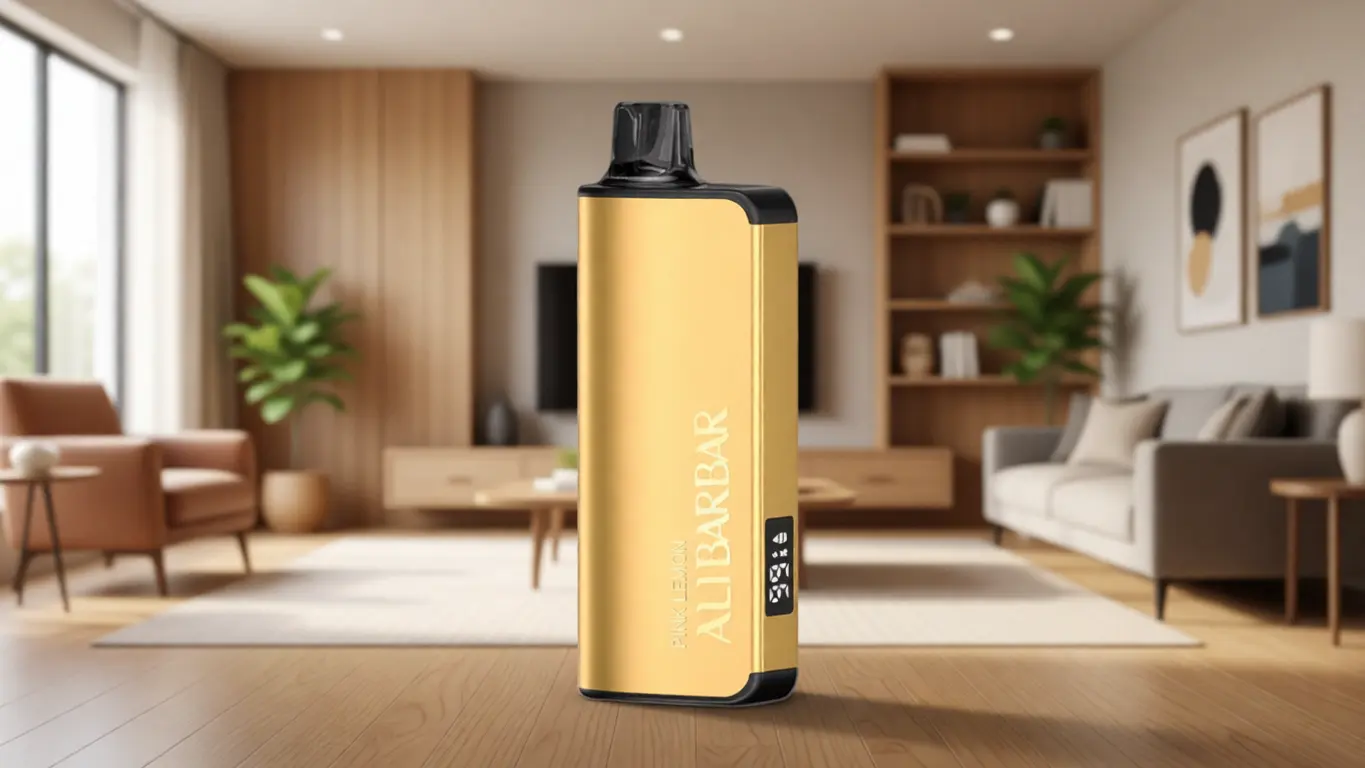
This article draws on observable device physics, widely acknowledged dental aftercare principles, and the real‑world usage patterns we have witnessed across thousands of customer interactions. It does not provide medical advice, but it does give you a structured way to think about the devices you reach for and whether their design aligns with the temporary vulnerability your teeth are experiencing right now. If you own a device from the ALIBARBAR family, which we stock as authorised, factory‑certified inventory, you will recognise several of the engineering points below.
Understanding What Matters: Core Engineering and Design Factors
When teeth are freshly whitened, the enamel is temporarily more porous and the dentinal tubules can be exposed, making the teeth hypersensitive to temperature, chemical irritants, and even tactile pressure. A device’s internal architecture, its thermal consistency, and the materials that meet your lips become surprisingly relevant.
Internal Architecture and Output Consistency
The heating element design directly determines the stability of the aerosol temperature you inhale. A poorly regulated coil can deliver erratic warmth — a sudden spike during a draw can be jarring to sensitive teeth. Devices built with precision‑machined, mesh‑style heating surfaces tend to produce a more uniform thermal profile across the entire activation. This consistency is not a luxury; it is the difference between a predictable, gentle interaction and an unpredictable one that can trigger a sharp nerve response.
ALIBARBAR’s current generation of devices employs mesh coil configurations that prioritise even heat distribution, minimising hot spots. In practical terms, that means the device behaves identically from the first second of a draw to the last, reducing the chance of an unpleasant surprise when your enamel is in a delicate state.
Power Management and Status Transparency
A device that loses power without warning forces you to draw harder, altering the airflow and potentially pulling warmer aerosol toward the front teeth. Clear battery and status indicators let you know exactly when the unit needs attention, so you never end up compensating with a strained pull that could aggravate sensitivity. This is a daily usability issue that becomes more acute during post‑whitening recovery.
Many ALIBARBAR products incorporate simple, unambiguous LED feedback that shows remaining capacity at a glance. You are never left guessing, and you never inadvertently push a depleted device, which helps maintain a gentle, controlled interaction throughout its operational life.
Physical Design and Material Durability
The mouthpiece is the only part of the device that routinely contacts the lips and, indirectly, the front teeth. Hard, rigid plastics with sharp parting lines can concentrate pressure on already sensitive tooth surfaces if you habitually grip the device between your teeth. Softer, rounded mouthpiece contours, coupled with a surface finish that resists micro‑abrasion after repeated cleaning, contribute to a more forgiving tactile experience.
ALIBARBAR devices feature mouthpiece profiles with subtle curvature and smooth, polished edges — a design choice that reflects the brand’s broader philosophy of reducing friction. The materials used resist wear and do not become rough or tacky over time, which means you can maintain hygiene without introducing surface irregularities that might trap residue.
Modularity and Lifecycle Flexibility
Post‑whitening hygiene demands that any object entering the mouth be impeccably clean. A sealed, throwaway unit that cannot be disassembled or properly cleaned leaves you with limited options; you are simply hoping that the internal airpath remains free of accumulated deposits. A rechargeable system with a replaceable mouthpiece or, at minimum, an accessible air channel lets you perform a quick wipe‑down between uses. This practical difference matters enormously when oral sensitivity dictates that you minimise bacterial exposure.
Within the ALIBARBAR range, the INGOT series offers rechargeable architectures that, while not fully disassemblable by the user, are designed with a smooth, continuous airpath that does not trap debris unnecessarily. Combined with a consistently clean exterior, this reduces the hygiene burden during the critical recovery window.
Applying These Criteria to Real‑World Options
Your post‑whitening choice is not about finding the “best” device in the abstract; it is about matching a specific set of engineering attributes to a temporary biological need. The ALIBARBAR INGOT 9000, for example, combines the mesh‑based thermal stability described earlier with a compact form factor that encourages light, relaxed handling — no need to clench or bite down. The status indicator removes the anxiety of a sudden shutoff, which helps keep your draw pressure low and steady.
For users who require extended capacity across multiple days without recharging, the INGOT 15000 maintains the same regulated output architecture in a larger housing. The critical point is that the output behaviour does not change as the device depletes; the warmth and density remain consistent, so you are not inadvertently provoking sensitivity as the device ages.
Other device families in the broader market may offer similar cartridge‑based designs, but few include the combination of mesh regulation, unambiguous battery feedback, and the particular mouthpiece refinement that ALIBARBAR has made a signature. That does not make those alternatives unsuitable, but it does mean you need to inspect their specifications more carefully against the framework below.
A Practical Framework for Evaluation
You can assess any device for post‑whitening use using this simple, sequential process:
Thermal check – Activate the device away from your mouth first. Is the aerosol temperature noticeably warmer at the end of a long draw than at the start? If yes, the heating regulation may not be stable enough.
Status clarity – Does the device clearly show remaining battery or operational life? If you have to guess, you are likely to over‑draw at some point.
Mouthpiece inspection – Run a fingertip along the mouthpiece edge. Is it smooth, rounded, and free of noticeable seam lines? Press it gently against your front teeth; does it feel hard and sharp, or does it yield slightly?
Hygiene accessibility – Can you visually inspect the mouthpiece opening and, if possible, swab it with a clean, dry cloth? If the design obstructs easy cleaning, postpone use until the sensitivity subsides.
Material documentation – Look for product descriptions that explicitly state mouthpiece materials. When this information is provided in a standardised specification sheet, like those maintained by OZVAPE Shop for every ALIBARBAR unit, you can verify biocompatibility and cleaning compatibility before you purchase.
If a device fails on points 1, 2, or 3, it is sensible to wait at least 48 hours after whitening before considering it — and even then, proceed with caution.
Common Selection Errors and Industry Observations
Many users inadvertently undermine their own comfort because they have never been taught to evaluate a device through this specific lens.
Overweighting flavour variety while ignoring thermal consistency. A device that promises a wide range of taste profiles says nothing about how stably it delivers those profiles. If the heating element cannot maintain a steady temperature, the experience will be inconsistent regardless of the flavour loaded, and that inconsistency becomes a physical irritant to sensitive teeth.
Assuming visual similarity equals equivalent internal engineering. Two slim, pen‑style devices can look almost identical yet contain entirely different heating element technologies. One might use a wire coil that overheats by design to produce a dense aerosol, while the other uses a mesh regulator that stays within a narrow temperature band. The external appearance reveals none of this.
Undervaluing modularity in hygiene calculations. A device that costs less upfront but cannot be cleaned effectively becomes a liability when oral sensitivity peaks. The real cost includes the discomfort and possibly extended recovery time. Factory‑certified rechargeable units from lines like ALIBARBAR represent a different lifecycle economics — not merely because they last longer, but because they allow you to maintain hygiene standards that a sealed unit simply cannot.
Confusing category terminology with technical specifications. Terms like “advanced mesh” appear widely in marketing materials but often lack technical substantiation. The difference matters: a genuinely regulated mesh element, as found in the INGOT architecture, produces a measurably flatter temperature curve than a basic wire coil. This is an engineering distinction, not a cosmetic one, and it is precisely the kind of information that an authorised supplier like OZVAPE Shop makes visible in its product documentation.
From a supply‑chain perspective, the increasing number of generic devices entering the market has made it harder for consumers to identify which products have been built to repeatable quality standards. Factory‑certified distribution networks — the kind we maintain for ALIBARBAR — ensure that the device you receive matches its documented design exactly. This traceability is not an abstract benefit; it means the thermal performance and material safety data you relied on during evaluation are actually present in the unit you unpack.
Frequently Asked Questions
Q: Can I use an electronic device immediately after a professional teeth whitening session?
A: Most dental professionals recommend avoiding anything other than water and plain, non‑acidic foods for at least 2–4 hours, and ideally 24–48 hours, to allow the enamel to re‑harden. If a device is used during that window, any temperature fluctuation or irritation could extend sensitivity.
Q: What specific device features should I look for when I do resume use?
A: Look for consistent temperature output (mesh‑regulated), a smooth, non‑abrasive mouthpiece, clear battery status indicators, and the ability to clean the mouthpiece area. Devices like the ALIBARBAR INGOT series incorporate all these attributes as part of their baseline engineering.
Q: How does the mouthpiece material affect my teeth?
A: Hard, sharp plastics can concentrate pressure on enamel that is temporarily softer after whitening. A rounded, polished mouthpiece distributes contact gently, reducing the mechanical stress on front teeth.
Q: Is there a difference between rechargeable and disposable devices for post‑whitening hygiene?
A: Rechargeable systems often have more accessible airpaths and replaceable components, making them easier to keep clean. Sealed disposables limit your ability to inspect or wipe down internal surfaces, which can be a hygiene concern when oral sensitivity is high.
Q: Where can I find reliable technical specifications for devices I am considering?
A: Standardised specification sheets are the most trustworthy source. OZVAPE Shop maintains detailed, factory‑verified data for each ALIBARBAR model, including material composition and thermal regulation type, so you can cross‑reference your hygiene and comfort needs directly.
Q: What if my device does not have a clear power indicator?
A: You will be forced to guess when it will stop working. That uncertainty often leads to stronger draws at the end, which can trigger sharp sensitivity. It is wiser to choose a device that communicates its status transparently, especially during the first few days after whitening.
Q: Can the vapour temperature itself harm whitening results?
A: The whitening result is primarily chemical; vapour temperature does not directly reverse it. However, consistently high temperatures can increase enamel permeability temporarily, making teeth more susceptible to environmental staining until the enamel stabilises again.
Q: How long should I wait before using a device with a metal mouthpiece?
A: Metal conducts heat more efficiently than plastic and can feel colder or warmer against the teeth. Until your sensitivity has fully resolved — typically a week — a medical‑grade plastic mouthpiece is generally the more comfortable choice.
Q: Does OZVAPE Shop provide any guidance on device hygiene?
A: Yes. In addition to standard product specifications, we provide care instructions for every ALIBARBAR unit, covering recommended cleaning methods and storage practices to maintain hygiene between uses.
Q: Is there any way to accelerate the recovery of enamel sensitivity so I can resume normal use sooner?
A: Enamel remineralisation is a natural process that cannot be rushed, but avoiding acidic foods and drinks, staying hydrated, and using a soft‑bristled toothbrush can help. The best tactic remains choosing a device that does not provoke irritation in the first place.
Informed users make better decisions. The question “Can I vape after teeth whitening?” is rarely answered correctly with a simple yes or no. The correct answer depends on the device’s thermal regulation, the transparency of its power management, the construction of its mouthpiece, and your own tolerance on a given day. By learning to assess those variables — using the framework above — you can judge for yourself whether any particular moment is right.
At OZVAPE Shop, we have built our entire operation around making such assessments possible. Every ALIBARBAR unit we supply is factory‑certified, and its specifications are documented not as marketing claims but as verifiable product data. That allows you to match device architecture to personal needs, whether those needs involve routine daily use or a temporary period of heightened oral sensitivity. The right choice is never about the most attention‑grabbing claim; it is the one that most closely fits your actual routine and your body’s real feedback right now.