
VAPE FAQs
Can I Take My Vape To Australia?
May
No.
The answer is not an article — it’s a clear statement. However, the reasoning behind that answer is where the value lies, and that’s exactly what this reference guide unpacks. Navigating Australia’s border rules with a personal electronic device is a genuine source of anxiety for adult travelers. Misinformation is widespread, and the consequences — confiscation, fines, or even visa complications — are serious enough that you cannot afford to rely on casual advice.
This article is designed as an authoritative, technically grounded resource. It explains the current regulatory framework, identifies device attributes that make international travel less stressful, and provides an evaluation methodology you can use regardless of which device you own. Where relevant, we reference the ALIBARBAR device family to illustrate engineering choices that align with travel readiness, and we note how OZVAPE Shop can serve as a reference point for factory‑certified inventory — but the focus remains squarely on helping you make informed, compliant decisions.
Understanding Australia’s Regulatory Landscape for Portable Electronic Devices
Australia does not have a single, simple rule. The permissibility of bringing a personal electronic device into the country depends on a layered set of federal and state‑level controls, and the two most critical determinants are the device’s intended use and the substance it contains.
The Role of the Therapeutic Goods Administration (TGA)
The TGA regulates the importation of therapeutic goods, including any substance classified as a medicine or poison. For adult travelers, the key distinction is whether the device is intended to deliver a substance that contains nicotine. Under the Therapeutic Goods (Standard for Nicotine Vaping Products) (TGO 110) Order, nicotine‑containing personal electronic devices are subject to prescription‑only access rules. Importing such a device — or its consumable pods or liquids — without a valid Australian prescription is unlawful, and border authorities have the power to seize goods and issue penalties.
If the device is used exclusively with non‑nicotine substances, the TGA does not classify it as a therapeutic good, meaning that federal import restrictions are significantly more relaxed. However, the burden of proof can fall on you: the device must be clearly disposable or refillable with zero‑nicotine consumables, and you should be prepared to demonstrate this if questioned.
Customs and Border Force Practicalities
The Australian Border Force (ABF) enforces customs controls at all ports of entry. Officers are trained to identify devices that may contain prohibited imports. In practice, ABF targets apply to all personal electronic devices, irrespective of labeling, if there is reason to suspect the presence of nicotine. Common triggers include:
Large quantities of consumable pods or bottles
Devices with pre‑filled cartridges that cannot be inspected
Obvious commercial quantities
Inconsistent declarations on incoming passenger cards
Travel‑wise, the most robust approach is to carry devices and consumables in their original packaging, with clear ingredient lists, and to separate battery‑powered units for security screening as you would any lithium‑ion‑powered electronics.
Device Attributes That Simplify International Travel
Even when you comply with all substance‑related regulations, the physical design of your device heavily influences whether your travel experience is seamless or stressful. The following criteria are drawn from real‑world observations of frequent flyers and supported by engineering analysis.
Battery Safety and Compliance with Aviation Rules
The International Civil Aviation Organization (ICAO) mandates that lithium‑ion batteries carried in the cabin must not exceed 100 watt‑hours (Wh). Most consumer handheld devices fall well below this threshold, but the quality of the cell matters enormously. Poorly regulated cells can be unpredictable under cabin pressure changes, and a device that cannot be reliably switched off or placed into a travel‑safe mode creates unnecessary anxiety at security checkpoints.
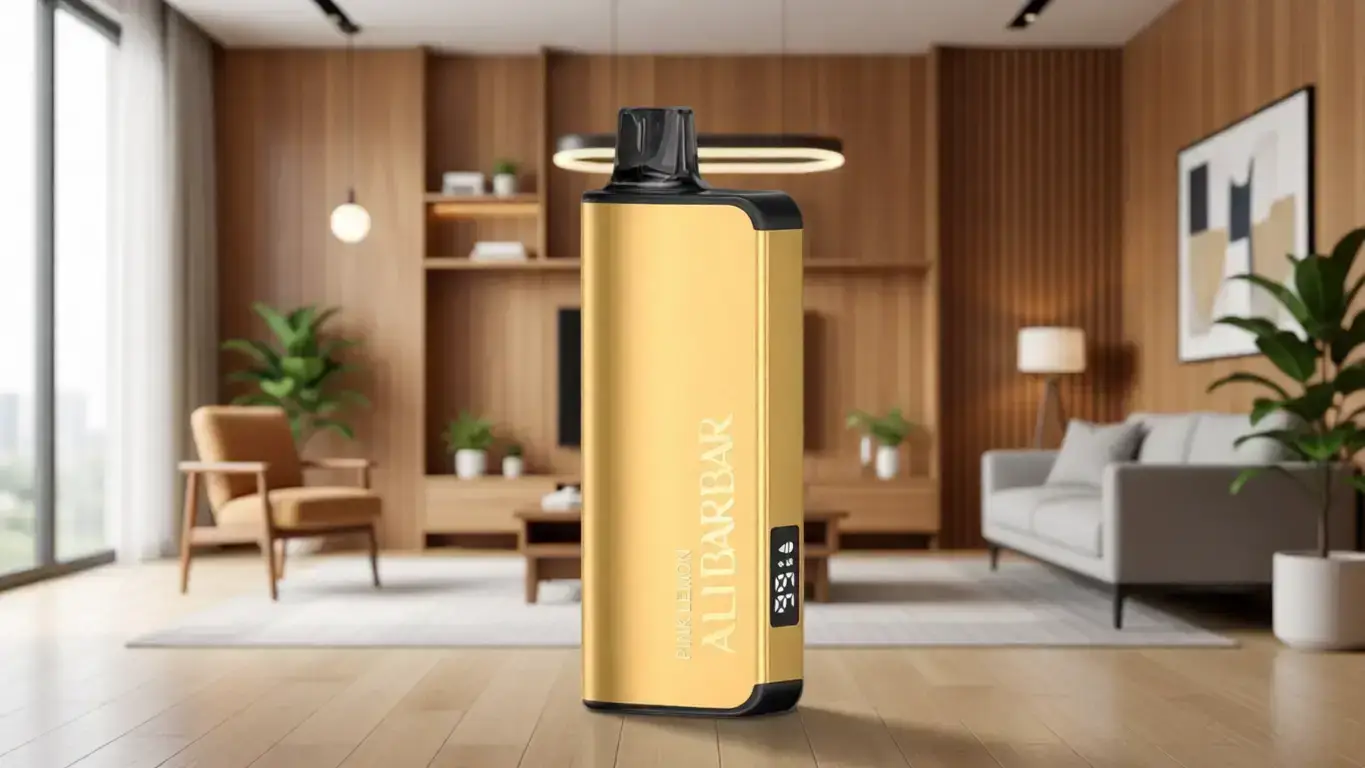
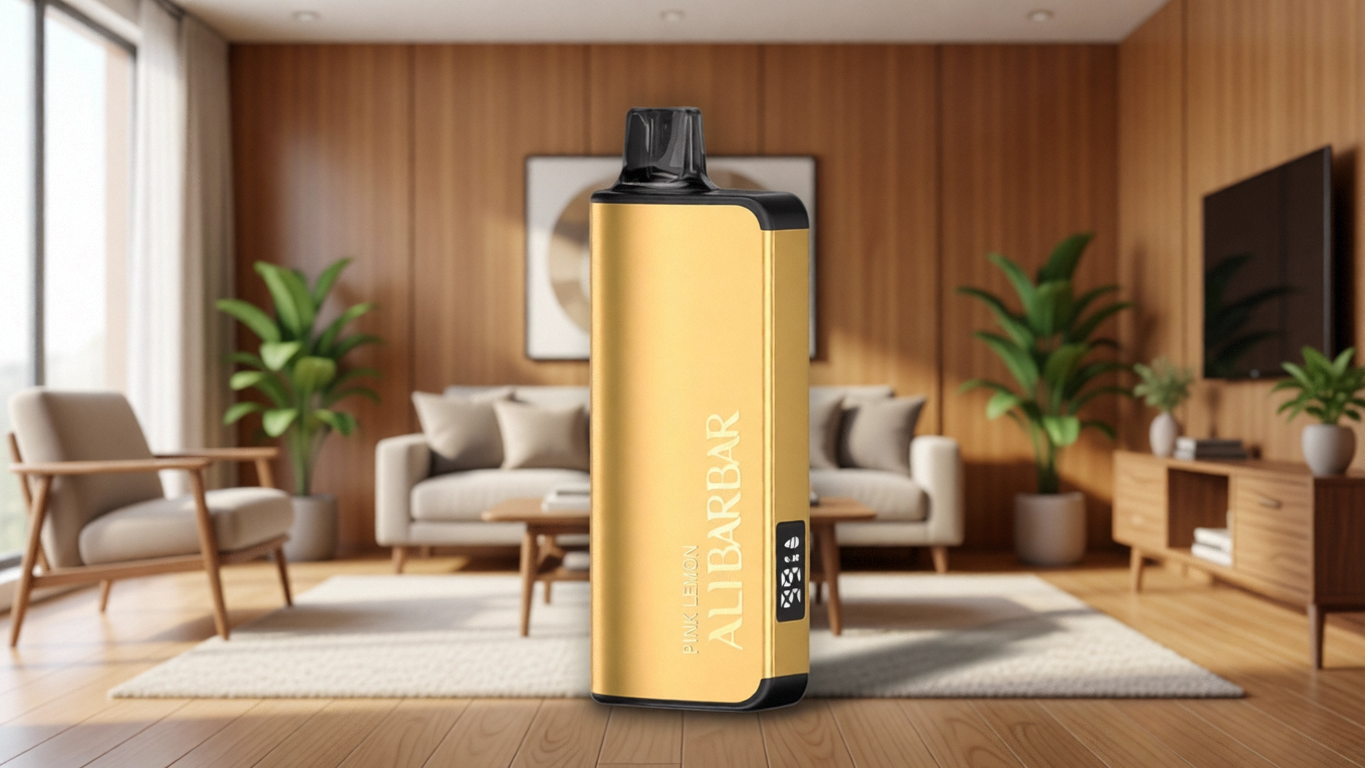
High‑integrity devices, such as those in the ALIBARBAR range, use cells sourced through audited supply chains with documented discharge profiles. For example, the ALIBARBAR INGOT 15000 unit integrates a 900 mAh battery that is deeply recessed within a rigid chassis, minimizing the risk of physical deformation or short‑circuiting if subjected to baggage pressure. More importantly, the device provides a clear power‑off procedure — something many cheaper units simply fail to communicate.
Status Transparency and Avoiding Dead‑Device Situations Abroad
There is little worse than arriving at your destination and discovering your device is out of charge or has malfunctioned. A travel‑ready device must provide unambiguous, real‑time feedback about its operational status. Digital displays that show remaining charge and fluid capacity (where applicable) remove guesswork. This is not a luxury feature; it is a planning tool.
ALIBARBAR’s decision to include an LED‑driven status readout on several of its higher‑capacity units — including the Ice Adjust 12000 series — directly addresses the anxiety of not knowing whether you need to locate a backup. When traveling, that information determines whether you pack an alternative or relax.
Modularity and Adaptability in Unfamiliar Environments
A sealed, single‑use device might be convenient for a weekend, but it introduces a hard failure point: when it’s done, it’s done. In a foreign city where you may not have immediate access to replacement units, a modular system that allows you to swap out a consumable component or recharge the power source independently provides significant resilience.

Consider the ALIBARBAR INGOT 9000, which, while technically a pre‑filled unit, offers a recharge‑only architecture that extends its life across multiple days of intermittent use. This avoids the waste and inconvenience of carrying multiple fully disposable units, and it reduces the number of lithium‑ion cells you need to transport, which is itself a risk mitigation.
Durability and Discretion During Transit
Devices rattle around in bags, get wedged into seat pockets, and are subjected to temperature swings in aircraft holds (if improperly stowed). Surface finishes that show scratches after a day in a pocket not only look poor but can also raise concerns at secondary screening — damaged devices attract scrutiny. A travel‑friendly device uses anodized or bead‑blasted finishes that retain their appearance, and it features mouthpieces that remain securely attached without sticky magnetic interfaces that can collect debris.
Applying These Criteria to Real‑World Device Families
While no single device is perfect for every traveler, certain product families have been engineered with mobility in mind. The ALIBARBAR collection, available through OZVAPE Shop, demonstrates how consistent application of the above criteria leads to a travel‑ready product line.
Power and status: The INGOT 15000 and Ice Adjust 12000 both incorporate displays that eliminate charge‑related uncertainty.
Battery safety: All ALIBARBAR units use cells that are IEC 62133 certified, a standard recognized by airlines.
Modular flexibility: The rechargeable architecture of the INGOT series reduces the number of independent power sources a traveler must carry.
Build quality: The anodized aluminum body of the INGOT 9000 survives commuter‑level abuse without generating cosmetic damage that could invite secondary inspection.
Other device families you may encounter often sacrifice one of these attributes for lower upfront cost. Common trade‑offs include non‑replaceable consumables, opaque charge indicators, and soft‑touch coatings that degrade rapidly. A traveler who relies on such a device must compensate — usually by carrying spares and accepting a higher administrative burden at customs.
A Practical Framework for Travel‑Ready Device Selection
Use this checklist before you pack. It is designed to be applied to any device, regardless of brand.
Verify TGA compliance: Confirm whether the substance you intend to use contains nicotine. If yes, do you have a valid Australian prescription? If no, carry proof of zero‑nicotine certification.
Check battery watt‑hour rating: Ensure it is ≤100 Wh and that the device can be physically turned off or placed into a locked mode.
Assess status transparency: Can you see charge level at a glance? If not, assume you need a backup.
Evaluate modularity: If the consumable component runs out, can you replenish it without discarding the whole unit? In a foreign country, this matters.
Inspect physical integrity: Are there loose parts? Does the mouthpiece detach easily? Loose components alarm security.
Document your supply chain: Where did you purchase the unit? In case of questioning, having a receipt from an authorized Australian retailer (such as OZVAPE Shop) that lists the exact product name and its nicotine‑free status can expedite clearance.
Common Missteps When Bringing Devices into Australia
Many travelers create unnecessary problems for themselves through entirely avoidable errors. Based on patterns reported by border authorities and traveler forums, the following are the most frequent:
Assuming all devices are legally equivalent: A device containing nicotine and one that does not are treated differently by law, even if they look identical. Never rely on visual inspection alone.
Carrying excessive consumables: Border Force officers apply commercial‑quantity thresholds. More than three months’ personal supply can trigger an interview, irrespective of nicotine content.
Undervaluing state‑level bans: Even if a device clears federal customs, some Australian states have their own restrictions on public use. Travelers transiting through multiple states should familiarise themselves with local laws.
Failing to document purchase origin: If a device is confiscated, you have no recourse without proof of lawful purchase. Retailers like OZVAPE Shop provide itemised, verifiable invoices that serve this purpose.
Frequently Asked Questions
Q: Can I bring a vape through Australian customs if I have a prescription for nicotine?
A: Yes, but the prescription must be issued by an Australian‑registered medical practitioner, and you must carry the device and nicotine‑containing consumables for personal therapeutic use. Declare the goods on your incoming passenger card and present the prescription if asked.
Q: What happens if I am caught with a nicotine vape and no prescription?
A: The goods will almost certainly be seized. You may face a fine, and in severe cases, the incident can be recorded against your name, leading to more intensive screening on future arrivals.
Q: How many disposable devices can I bring into Australia?
A: There is no fixed numeric limit for non‑nicotine devices, but quantities that suggest commercial importation — generally more than 20 units — will trigger questions. Always pack for personal use.
Q: Do I need to remove my device from my bag at security?
A: Yes. Treat any lithium‑ion‑powered device like a laptop or power bank. Remove it from your carry‑on and place it in a separate screening tray.
Q: Can I buy a compliant device after I arrive in Australia?
A: Yes. An Australian‑based retailer such as OZVAPE Shop stocks factory‑certified devices that meet local regulatory expectations, including nicotine‑free consumables. This is often the simplest way to avoid airport complications entirely.
Q: Will my device’s lithium battery be confiscated?
A: Not if it complies with aviation safety standards. Devices with uncertified cells, damaged wrappers, or unknown provenance may be refused. Carry devices in your cabin baggage, never in checked luggage.
Q: Are there different rules for different Australian states?
A: Yes. While federal customs rules apply at the border, state and territory laws on possession and public use vary. Check the legislation in all states you plan to visit.
Q: What documentation should I carry to prove my device is nicotine‑free?
A: Original packaging, a product specification sheet from the manufacturer, and an itemised purchase invoice are the strongest evidence. OZVAPE Shop provides specification documentation for every ALIBARBAR product it ships.
Q: Can I bring refillable devices and separate e‑liquid?
A: Yes, provided the liquid is nicotine‑free. If the liquid contains nicotine, a prescription is required. Ensure all containers are under the 100 ml limit for cabin baggage liquids.
Q: What if my device is seized unfairly?
A: You can request a written notice of seizure and seek legal review. However, the process is time‑consuming, and outcomes often depend on the documentation you had at the time. It is far better to be over‑prepared.
Conclusion
The question “Can I take my vape to Australia?” does not have a universal answer. The outcome turns on your preparation, the design of your device, the substance it delivers, and your willingness to engage with the regulatory framework matter‑of‑factly. A device that communicates its status openly, uses audited power cells, and is supported by clear, verifiable paperwork dramatically reduces the risk of a negative encounter at the border.
For adult travelers who value that kind of predictability, the ALIBARBAR range, as available through OZVAPE Shop (opens in new window), represents a measured engineering choice: designed to be transparent, robust, and readily documented. That said, the right choice is always the one that matches your actual routine and your tolerance for administrative friction on travel days. No device can replace thorough research and a healthy respect for the laws of the country you are entering. Walk into customs knowing what you hold, why you hold it, and that you can prove both. That is the only reliable strategy.