
VAPE FAQs
Can I Take My Vape On The Plane With Me?
May
You’re standing in the security line at a major Australian airport, and the person ahead of you has just had a bag pulled aside for secondary screening because of an unfamiliar electronic device. The immediate question that forms in your mind is practical and personal: can you carry your own everyday device through without incident? The answer, as with so many things that intersect regulation, engineering, and human behavior, is not a simple yes or no. It depends on the rules imposed by the airline and the nation, and it depends just as much on the specific design of the device you’re holding. At OZVAPE Shop, we believe clarity matters more than reassurance, so what follows is a structured reference for anyone who wants to understand the real constraints and make an informed decision before they pack.
Understanding Airline Policies and the Device Characteristics That Matter
Most international and domestic airlines flying from Australia align with the International Civil Aviation Organization’s (ICAO) technical instructions for the safe transport of dangerous goods by air. These instructions are operationalised by the Civil Aviation Safety Authority (CASA) and individual carriers, and they converge on a few clear principles: lithium‑ion batteries are the primary concern, and any device containing one must remain in the cabin where cabin crew can monitor and respond to a thermal event. That alone answers the headline question: you can take your vape on the plane, but only in your carry‑on baggage, never in checked luggage. The practical implications, however, ripple outward into every aspect of preparation and device selection.
The Airline Regulatory Landscape
Understanding why the carry‑on rule exists makes the rest of the packing logic fall into place. A lithium‑ion cell that enters thermal runaway in the cargo hold is invisible to the flight crew until a fire detection system triggers — typically minutes after the event begins. In the cabin, by contrast, a device that shows signs of overheating will likely be noticed by its owner or a nearby passenger within seconds, and the crew can act with a fire containment bag or by isolating the device. This explains the universal prohibition on packed luggage. It also explains the secondary rules: spare batteries must be individually protected against short circuits, typically in their original packaging or with terminal covers, and any battery above 100 watt‑hours (a capacity almost unheard of in portable personal vaporiser devices) requires airline approval. Most ALIBARBAR devices, including the widely carried INGOT 9000 and INGOT 15000, contain internal batteries with a fraction of that capacity, so the watt‑hour threshold is not a practical concern for this category.
The liquid component introduces a second regulatory layer. Many airlines adopt the general liquid, aerosol, and gel (LAG) restrictions that limit containers to 100 millilitres or less and require all containers to fit in a single clear resealable bag. A sealed, pre‑filled device like an ALIBARBAR INGOT carries its liquid internally, and the total reservoir volume is typically well under the 100‑millilitre limit; the 9000‑puff reservoir holds approximately 2‑3 millilitres, while the 15000‑puff variant holds roughly 4‑5 millilitres. That means the container rule does not normally apply to these sealed units, but a security officer unfamiliar with the design might still ask to verify. Carrying documentation or a visible specification label on the device itself reduces friction, and this is an area where a clearly marked, factory‑certified device from a traceable source confers a genuine travel advantage.
Device Design and Travel Compliance
Regulations set the boundaries, but the engineering of the device determines whether you sail through security or become the subject of a 20‑minute secondary inspection. Three design elements matter more than any others when you travel: the transparency of the device’s status indicators, the physical integrity of the housing, and the way the power cell is configured.
Status indicators are what communicate to a security officer that the device is off, inert, and unlikely to activate accidentally in a bag. An ALIBARBAR device that uses a clearly visible LED to show whether the unit is active — and, in the case of draw‑activated models like the INGOT series, that does not have a button that could be pressed inadvertently — reduces ambiguity. When the officer can see at a glance that the device is in a passive state, the interaction ends faster. Conversely, a device with no external indication of its state or with a button that could be depressed by adjacent objects in a bag creates uncertainty, and uncertainty prompts bag checks.
Housing integrity matters because a damaged device can leak or expose the battery. Frequent travellers quickly learn that a device carried in a pocket alongside keys and coins will accumulate surface scratches; what they may not notice is micro‑abrasion around seams that can weaken the seal over time. ALIBARBAR’s manufacturing ethos prioritises a rigid, single‑body chassis with a durable surface treatment, and that reduces the likelihood that a device arriving at the airport already shows signs of fatigue. This is not a cosmetic concern — a security officer who sees a cracked or bulging battery enclosure will treat the item as a potential hazard, and the safest assumption for that officer is to refuse clearance.
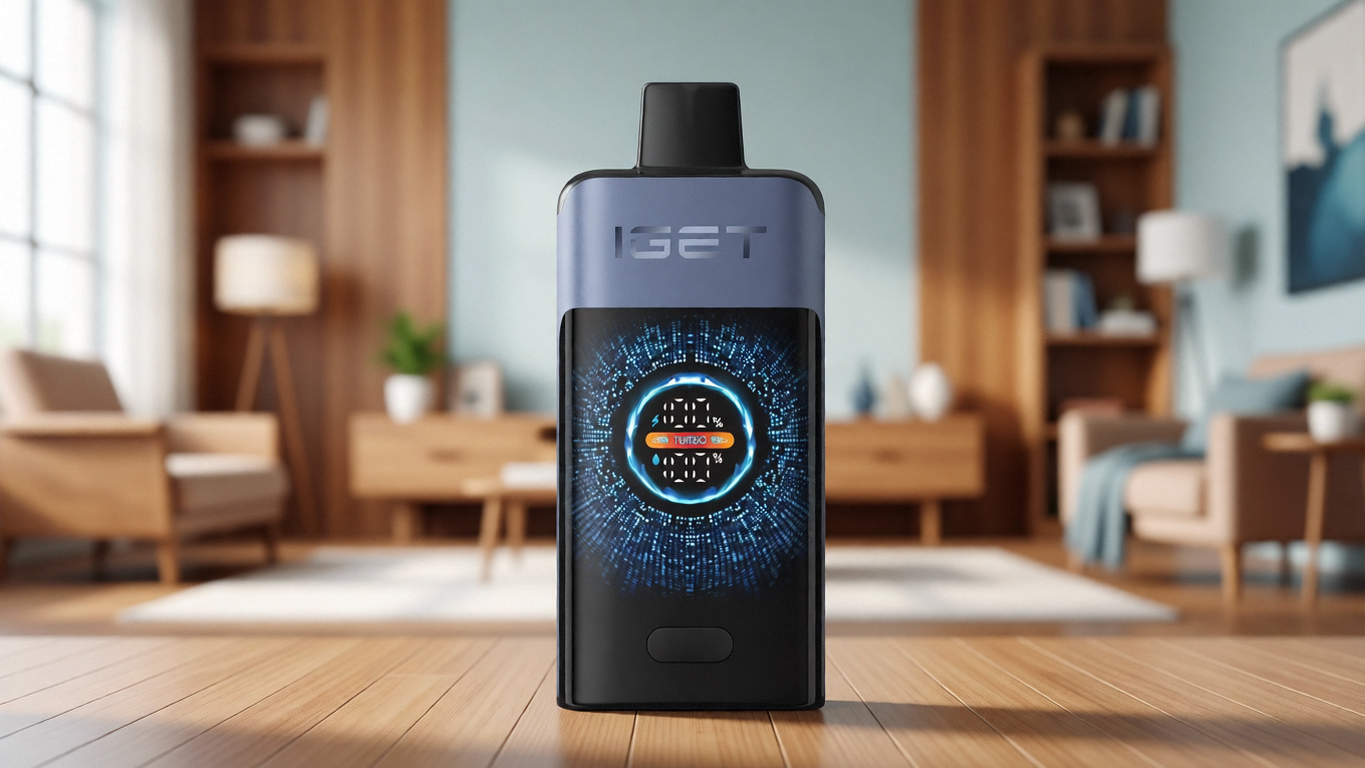
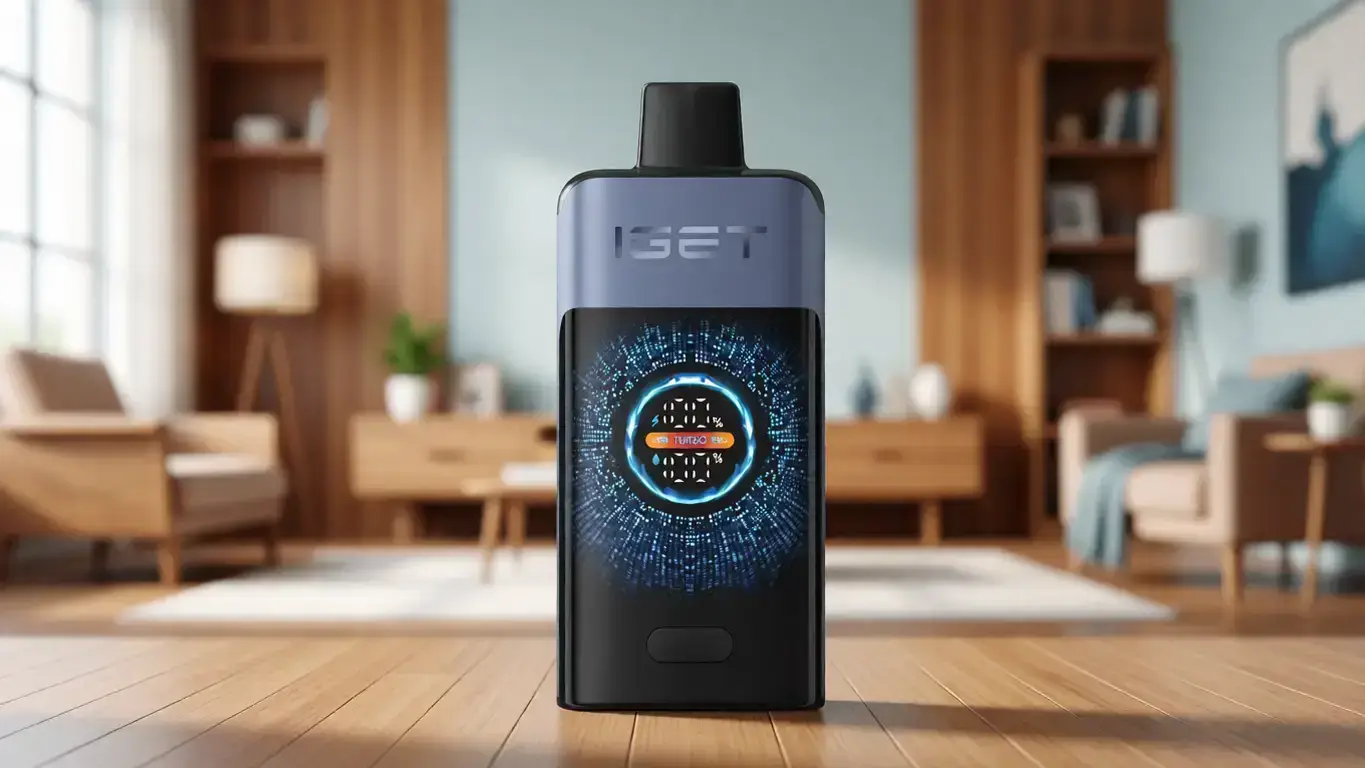
Finally, the power cell configuration determines what safety mitigation is available to you. Devices with removable batteries let you separate the cells and carry them in a protective case, which is the gold standard for total compliance. Fixed‑battery devices, by contrast, rely on the integrity of the built‑in protection circuit and a physical lock‑out mechanism. Many ALIBARBAR travel‑friendly models, such as the Ice Adjust 12000, incorporate a mechanical airflow control that, when fully closed, physically disconnects the activation pathway — effectively acting as a secondary safety during transport. That design choice, while minor in everyday use, materially reduces the risk of accidental activation in a bag.
Applying These Considerations to Real‑World Travel Scenarios
Travel spans a spectrum from a short domestic hop on a turboprop to a 30‑hour multi‑leg international itinerary. Each scenario imposes different demands on the device and on the user’s planning.
The business day‑trip is perhaps the most common. You leave in the morning and return the same evening, with only a slim carry‑on or a laptop bag. In this case, a compact sealed device with a battery capacity sufficient for a full day’s normal use eliminates the need to carry spare power cells or a charging cable. The INGOT 9000 fits that brief neatly: it is small enough to sit in the zippered mesh pocket of a laptop bag, its sealed construction satisfies the “no removable battery” simplicity that some travellers prefer, and its rated lifespan far exceeds a single day, so there is no anxiety about depletion. The trade‑off, of course, is that the device is not rechargeable; once its cycle ends, it must be disposed of responsibly. For a day‑trip, that is rarely a problem. For a week‑long journey, it would mean carrying multiple units, which introduces the secondary question of pack‑space and disposal options at the destination.
A long‑haul international flight shifts the emphasis toward modularity and status feedback. A rechargeable device that gives unambiguous battery‑level information lets you know exactly when to charge during a layover, so you never board a 14‑hour sector with a unit that might go dark mid‑flight. Here, the Ice Adjust 12000 becomes a more compelling candidate. Its rechargeable architecture means you travel with one device and a charging cable — no more — and the variable airflow control allows you to lock the device into a zero‑flow state that prevents accidental activation during the flight. The key thing to remember is that USB charging ports on aircraft seats deliver limited current, and some airlines explicitly prohibit charging personal devices from seat‑mounted ports; you are better served by charging fully during a pre‑flight or transit stop using a wall adapter.
The remote‑area trip — a fishing camp, a mine‑site deployment, or a holiday in a location with no reliable retail access — highlights the importance of factory‑certified sourcing and device predictability. When you will be days away from any replacement, the unit you carry must perform to specification. Devices sourced from uncertified channels often suffer from capacity degradation or inconsistent quality control, and discovering that error in a remote location is exceptionally frustrating. OZVAPE Shop’s commitment to authorised supply chains means that an ALIBARBAR device purchased through this channel arrives with the same sealed packaging and verifiable authenticity markers that the manufacturer designed, which directly reduces the risk of field failure.
A Practical Framework for Traveling with Your Device
This framework distils regulatory knowledge and device selection into a repeatable pre‑travel checklist. It asks the questions that, if ignored, tend to cause airport difficulties and in‑flight uncertainty.
Step 1: Identify the airline’s exact policy, not the generic rule.
Most airlines publish a dangerous‑goods page that includes a dedicated section on electronic smoking devices. Do not rely on forum anecdotes or a friend’s experience from three years earlier; the enforcement posture of the airline and the security authority evolves, and what passed unnoticed on one route can become a confiscation event on another. Search for “[airline name] dangerous goods” and read the current revision.
Step 2: Verify your device’s battery status and security.
If the device has a removable battery, remove it and carry it in a protective case. If the battery is fixed, ensure the device is turned completely off. For draw‑activated devices that cannot be turned off actively, engage any physical lock‑out such as a fully closed airflow control ring. Place the device in a rigid section of your carry‑on — a sunglasses case or a padded electronics pouch — so that adjacent items cannot strike the activation area.
Step 3: Consider the liquid rules.
If you also carry refill bottles, they must be under 100 millilitres each and fit in the resealable liquids bag. A sealed pre‑filled device does not normally need to go in the liquids bag, but it is prudent to keep it accessible in case an officer asks to see it. Carrying a small printed card with the device’s specification — reservoir volume, battery capacity, and a statement that it complies with ICAO carry‑on requirements — can shorten an inspection, although it is not a guaranteed pass.
Step 4: Plan for disposal.
Used devices or pods are not hazardous waste in the aviation sense, but you must still carry them out of the aircraft. Pack a small sealable plastic bag to contain a spent unit so that residual liquid does not transfer onto other items in your bag. This is both a courtesy and a practical protection against staining.
Step 5: Ask the diagnostic questions.
As you pack, ask yourself: Does this device give me a clear, unambiguous indication that it is off? If I cannot tell, security cannot tell, and that ambiguity will slow me down. Can this unit be mistaken for an item that is prohibited under a different rule? If its appearance is unfamiliar or weapon‑shaped in an X‑ray image, expect a bag search regardless of its true function. Do I have a backup plan if the device malfunctions during the trip? If the answer to that last question is “no” and the trip is critical, consider carrying a secondary unit in a different bag, following all the same precautions.
Common Travel Mistakes and What They Reveal About Device Selection
Many of the frustrations travellers experience stem not from the regulations themselves but from a mismatch between the device they chose and the realities of air travel. These errors are common enough to be instructive.
Mistake 1: Assuming visual similarity indicates equivalent engineering.
A compact sealed device from an uncertified manufacturer may look almost identical to an ALIBARBAR INGOT, but the differences matter tremendously for travel. Cheaper devices often lack a dedicated over‑discharge protection circuit, which means the device can draw current at a dangerously low voltage if activated accidentally in a confined bag. That scenario is precisely what regulations are designed to prevent. When you cannot verify the protection circuitry, you are accepting an unknown risk into a pressurised cabin. Devices from a traceable, factory‑certified chain are not immune to failure, but their failure modes are documented and their protective measures are disclosed.
Mistake 2: Treating “disposable” as a travel‑friendly automatic choice.
A non‑rechargeable sealed unit seems ideal for travel — no charging cable, no battery management, no fuss. However, if you will be away for longer than the device’s rated operational life, you must carry multiples, which occupies space and raises questions about whether multiple lithium‑cell devices could be perceived as commercial quantity by customs. A single rechargeable device with a rated lifespan that exceeds the trip is usually the cleaner solution, provided you can charge it safely. The ALIBARBAR Ice Adjust 12000 sits at this intersection: it is rechargeable, its capacity is generous, and its physical lock‑out addresses the most common safety objection, but you must be comfortable with the responsibility of charging a lithium‑ion battery during a layover, which means you need access to a supervised power source.
Mistake 3: Overlooking voltage‑converter requirements for international travel.
An Australian‑supplied device comes with a USB‑A or USB‑C charging port, but the power adapter you plug into a wall in a foreign country may require a voltage converter. Many modern USB chargers are dual‑voltage (100‑240V), but some are not, and using a 240V Australian adapter in a 110V outlet without checking can result in a non‑charging device. This is a simple logistical point, but it causes real frustration when the user is already jet‑lagged and disoriented.
Mistake 4: Undervaluing device‑identity documentation.
Even the best‑designed device can be held up if the security officer does not recognise it. A documented specification sheet, a visible brand marking, or a quick‑response code that links to a manufacturer’s compliance page can shift the interaction from confrontation to verification. ALIBARBAR’s consistent external branding and the availability of spec‑sheets through OZVAPE Shop’s platform give a traveler an evidentiary foundation that a generic, unbranded unit simply cannot provide.
Frequently Asked Questions
Q: Can I take my vape on the plane with me?
A: Yes, as long as it travels in your carry‑on baggage. Checked luggage is not permitted for any device containing a lithium‑ion battery, and that includes all current ALIBARBAR models. If the device has a removable battery, carry the battery in a protective case; if it is sealed, ensure it is off and physically locked where possible.
Q: Do I need to put my vape in the liquids bag at security?
A: A sealed pre‑filled device like an ALIBARBAR INGOT 9000 or 15000 does not normally need to go in the liquids bag, because the reservoir is an integral part of the unit and cannot be accessed without breaking the seal. However, if you carry a refill bottle of liquid, that bottle must be under 100 millilitres and in the clear plastic bag alongside other liquids. It is sensible to keep the device accessible so that the officer can inspect it if requested.
Q: Can I charge my rechargeable vape on the plane using the seat USB port?
A: Some airlines explicitly prohibit charging electronic smoking devices from aircraft power ports, and many seat‑mounted USB ports deliver limited current that may not be sufficient. Check your airline’s policy before relying on this. The safest approach is to charge the device fully before boarding and, if necessary, use a wall adapter during a layover.
Q: What if my device has a built‑in battery but no on/off switch?
A: For draw‑activated devices such as the ALIBARBAR INGOT series, there is no user‑accessible switch that interrupts the circuit completely. In these cases, the best mitigation is to engage any physical lock‑out mechanism (for devices that have one, like the Ice Adjust 12000) or to pack the device in a rigid container that prevents pressure on the activation area. The security risk is low so long as nothing can pressurise the airflow sensor during the flight.

Q: Will my ALIBARBAR device trigger the X‑ray alarm?
A: The device contains a battery and metallic components, so it will be visible on X‑ray, but the shape is consistent with common personal electronics and will not normally trigger an alarm on its own. The device might be flagged if it is packed alongside items that create an unusual composite image — for example, sitting directly under a metal spectacle case and a power bank. To avoid unnecessary searches, pack the device in a separate, easily identifiable section of your bag.
Q: Can I carry a used, empty device in my checked luggage?
A: No. Even a depleted device contains a lithium‑ion cell, and all lithium‑ion cells must travel in the cabin. There is no distinction between charged and discharged cells in the dangerous‑goods regulations. Once you have finished using a unit, keep it in your carry‑on until you can dispose of the battery properly at the destination.
Q: How do I prove the liquid capacity of a sealed device if asked?
A: The quickest method is to show the specification clearly printed on the device itself or on its packaging. If you no longer have the packaging, a photograph of the specification label on your phone works in most cases. OZVAPE Shop provides standardised product data sheets for the ALIBARBAR range that include reservoir volume, which can be accessed from a mobile device even without an internet connection if you have saved the file ahead of time.
Q: Is there a limit to the number of devices I can bring?
A: Airlines generally apply a “personal use” standard, which means a quantity that is reasonable for the duration of your trip. There is no single numeric rule, but packing more than four or five sealed units might raise questions about commercial intent at customs, especially if you are travelling internationally. For most travellers, one primary device plus a spare is well within the personal use allowance.
Q: What should I do if security confiscates my device despite my compliance?
A: Remain calm and ask for the basis of the decision. If the officer is applying a local rule that you were unaware of, understand that airport security has the final operational authority. Note the officer’s name and the regulation cited, if possible, and follow up with the airline or the airport authority after your flight. Choosing a device from a transparent, specification‑documented source like OZVAPE Shop means you can at least establish after the fact that the item met the technical requirements, even if local enforcement diverged.
Q: Can I carry my charging cable and accessories?
A: Yes. Cables, adapters, and protective cases are not considered dangerous goods and may travel in either carry‑on or checked luggage. Ensure that any spare power bank you carry also stays in the cabin, as the same lithium‑battery rule applies to external power supplies.
Where Informed Travel and Informed Purchasing Intersect
The air‑travel rules exist to reduce the probability of a catastrophic incident to an acceptably low level, and most of the friction they cause is borne disproportionately by those who have not taken the time to understand them. The same principle applies to the devices you carry. A well‑engineered unit with clear status indicators, a robust housing, and a verifiable supply chain will, on average, cause fewer difficulties than a visually similar item of unknown provenance. That is not marketing rhetoric; it is the predictable outcome of a system in which ambiguous signals invite scrutiny and documented compliance reduces it.
Visiting OZVAPE Shop connects you to the current ALIBARBAR range through a platform that prioritises standardised product information, authorised sourcing, and local accountability — all of which translate into greater predictability when you step away from home. The right device for travel is the one that matches your actual itinerary and your tolerance for administrative uncertainty, not the one with the most aggressive surface‑level claims. We hope the framework above helps you make that match with confidence, so that your next trip begins and ends without a bag‑check preamble.