
VAPE FAQs
Can I Take A Vape On Carnival Cruise?
Jun
Many adults planning a Carnival cruise run into the same quiet uncertainty: can you bring a personal electronic device on board without violating the line’s rules? The official policy is one layer; what actually happens at check‑in, on deck, and inside your cabin is another. Carnival’s published guidelines permit certain portable devices while prohibiting their use in most indoor spaces and all staterooms. Misreading those boundaries can turn a relaxing trip into an avoidable confrontation with security. At OZVAPE Shop, we field enough questions about this scenario to know that what people really need is not a one‑sentence policy summary, but a practical, structured walk‑through of how device choice, battery behaviour, and cruise‑line enforcement intersect.
Understanding Cruise‑Line Policies and Device Requirements
A cruise ship is a contained environment with dense occupancy, strict fire‑safety protocols, and internationally governed maritime regulations. Carnival’s position reflects those realities. The first distinction every traveller must internalise is that carrying a device is not the same as using it, and both are subject to different rule sets.
Internal Architecture and Output Consistency
Carnival’s guest conduct policy explicitly states that personal electronic devices may only be used in designated outdoor smoking areas. There is no ambiguity: balconies, cabins, hallways, and all interior public spaces are off limits. Senior crew members enforce this with spot checks, and the financial penalty for non‑compliance can include a cleaning surcharge of several hundred dollars, immediate disembarkation, or both.
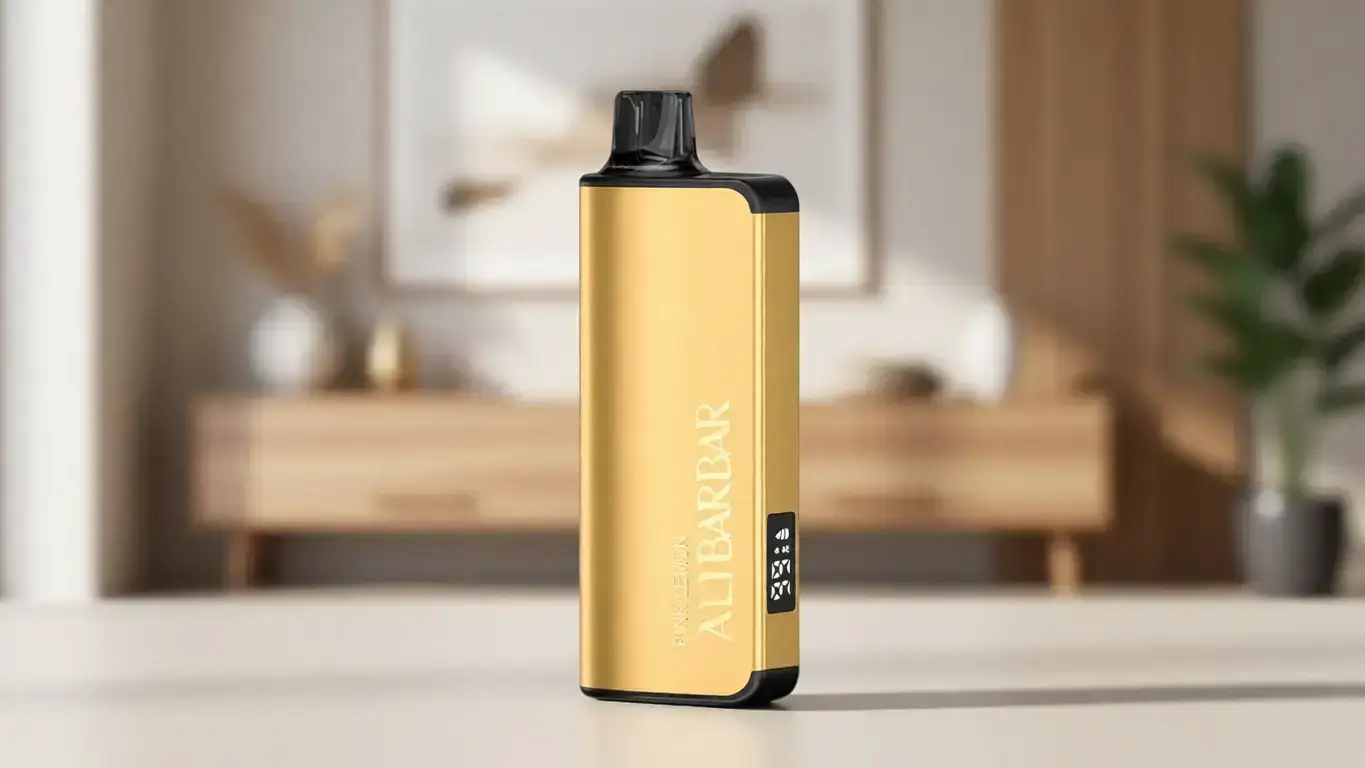
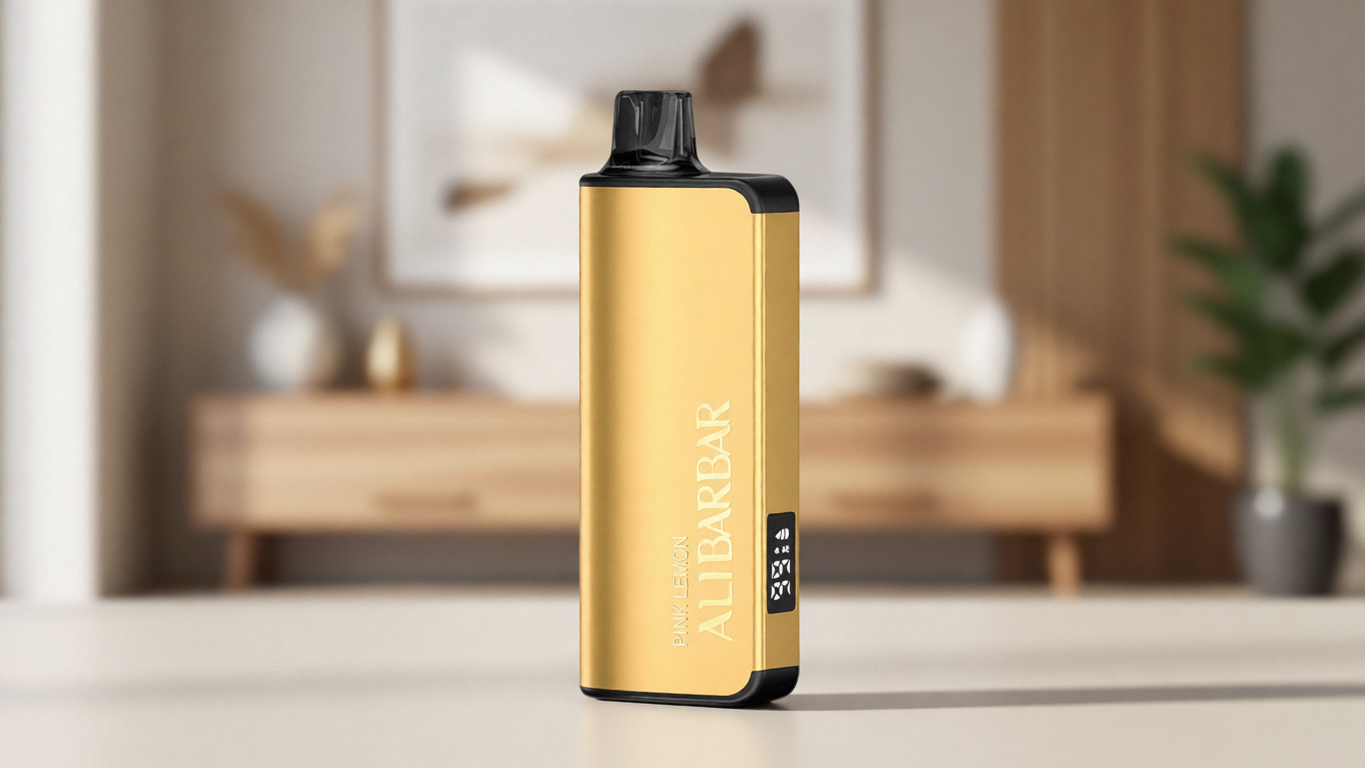
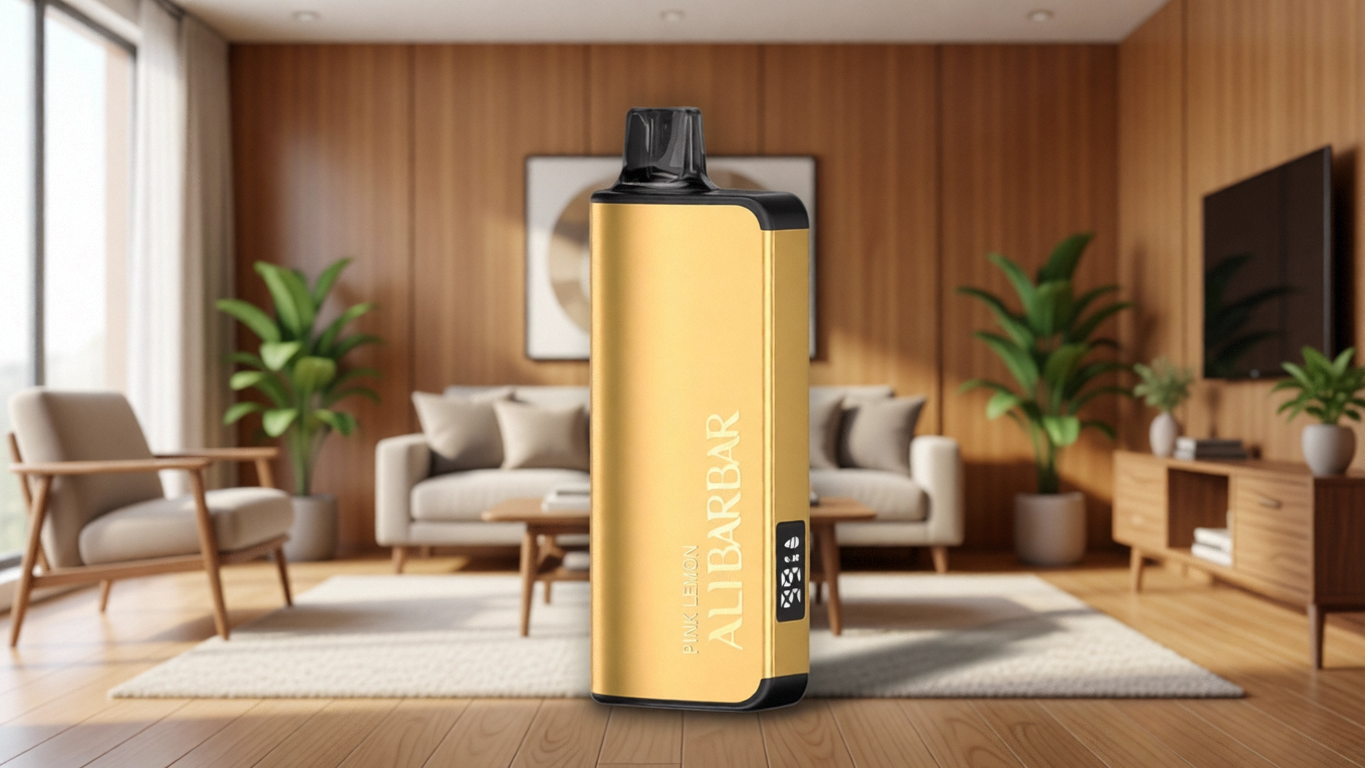
Yet the policy does not ban possession of the device itself. So why do travellers still end up in uncomfortable situations? One frequently overlooked factor is the device’s own behaviour. Units that produce inconsistent output — a sudden surge of warmth after a period of dormancy, an unexpectedly visible plume when the user believed the draw had ended — inadvertently draw attention. Devices engineered with stable heating‑element architecture and predictable delivery characteristics reduce the risk of an unintended breach simply because they behave the way the user expects. ALIBARBAR’s approach, for example, pairs a calibrated resistive element with a sealed polycarbonate shell so that every activation delivers uniform output, eliminating the surprise cloud that gets noticed on a quiet balcony.
Power Management and Status Transparency
When you are at sea for days, you cannot afford a device that dies without warning. Carnival cabins provide standard 110‑volt outlets and limited USB ports, but recharging opportunities are not always convenient. A unit with a clear, unambiguous battery‑life indicator changes the calculation: you know whether you have enough capacity for an evening on deck, or if you need to top up during an afternoon shore excursion.
Poor power management does more than create inconvenience. A device that fails to communicate remaining charge forces you into guesswork, and the natural response — carrying a spare — becomes extra weight and clutter. Look for a fuel‑gauge system that uses multiple LED segments or a graduated display. The information should be legible at a glance, not through a series of cryptic blinks that require a decoder card. This is one area where the difference between a thoughtfully engineered travel companion and a generic unit becomes measurable in real‑world stress.
Physical Design and Material Durability
A cruise vacation exposes a device to conditions most people do not encounter at home: salt air, sudden temperature swings between air‑conditioned interiors and tropical decks, constant pocket friction against sunscreen‑coated fingers, and the occasional sharp impact from a dropped bag on a tender boat. A month after the trip, a unit with a soft‑touch finish can look years older than one with a hard‑anodised or brushed metallic surface. Carnival’s outdoor smoking areas are often windy; a device that is too lightweight or awkwardly shaped is at constant risk of being knocked overboard or lost between deck chairs. Ergonomic contours, a solid non‑slip grip, and a mouthpiece that stays comfortable during prolonged use matter far more on a seven‑day sailing than they do in a climate‑controlled lounge.
Modularity and Lifecycle Flexibility
Carnival cruises range from three‑night getaways to transatlantic crossings. A single‑use device that worked perfectly for a weekend trip may become a liability on a fourteen‑night itinerary if you cannot predict exactly when it will run out. Conversely, rechargeable and refillable systems offer the flexibility to carry only what you need, but they also introduce additional charging cables and liquid‑handling considerations. The key is to align device architecture with the trip length and your own willingness to manage components. Sealed, high‑capacity units — some offering several thousand uniform draws — fit the “pack it and forget it” philosophy that many cruisers prefer, while modular systems appeal to those already travelling with a charging kit. Neither design is universally superior; the right choice is the one that matches your actual daily rhythm on board.
Applying These Criteria to Real‑World Options
When you filter the market through the lens of cruise‑specific requirements — stable output, transparent power status, durable construction, and appropriate capacity for the itinerary — a few device families stand out. ALIBARBAR’s current‑generation range, available through authorised channels like OZVAPE Shop, is deliberately branched to serve different trip profiles without asking the user to sacrifice engineering consistency.
For a standard five‑day Carnival cruise, the INGOT 9000 series typically delivers enough operational life to last the entire sailing with reserve, assuming average adult usage in designated areas. Its machined aluminium alloy body resists the scratches and salt corrosion that quickly dull plastic‑housed alternatives, and the four‑stage LED indicator removes the anxiety of unexpected depletion. The INGOT 15000 extends that same architecture for longer itineraries or users who simply prefer not to think about capacity at all. Both units employ sealed, pre‑configured internals that maintain uniform output from the first activation to the last, a characteristic that directly addresses the risk of unintentional visual alerts in sensitive zones.
The Ice Adjust 12000 series introduces a different concept: user‑adjustable output modes. From a cruise perspective, this is genuinely useful. A lower setting in port, when you are walking through crowded streets, and a higher one in the dedicated open‑air deck area after dinner. The ability to modulate intensity with a simple switch gives you control over how discreet you wish to be without switching devices. All three families share the same core battery‑management logic and material‑finish philosophy, so the decision reduces to capacity and whether adjustable output matters to you.
Other established names in the personal electronic device space also offer travel‑suited models, but the combination of a clear, multi‑segment indicator, metal‑construction options, and a power architecture that prevents the weak, flickering performance common near the end of a device’s lifespan remains less common than it should be.
A Practical Framework for Evaluation
If you plan to bring a personal electronic device on a Carnival cruise — or any tightly regulated ship — run through this checklist before you pack:
Is the device’s remaining‑life indicator genuinely interpretable at a glance? If you have to cover the LED with your hand at night to decode a colour sequence, it will frustrate you on day three.
Does the device have a history of output fade in its final quarter? Real‑world observation suggests that units which start strong but taper off rapidly are more likely to be set aside prematurely, leading to litter and replacement purchases.
Will the surface finish survive a week of salt, sunscreen, and pocket sand? A device that looked premium at home can look shabby in photos taken on the Lido deck.
Does the capacity match the itinerary without requiring mid‑trip procurement? Carnival’s onboard shops do not carry the devices being discussed here. If your unit runs out, you have no fallback, and the next port may be days away.
Can you verify the device’s authenticity before you leave? A unit that passed through an unauthorised supply chain may have a substituted power cell with a completely different thermal profile — a safety risk in a cabin with limited egress.
Is the device compact enough that you can secure it in a zippered pocket on a windy deck? Carnival’s designated outdoor areas are not all sheltered, and items blown overboard are rarely recovered.
A disciplined evaluation using these prompts moves the decision from impulse to deliberate, informed choice.
Common Selection Errors and Industry Observations
After years of observing how travellers prepare for cruises, several patterns of misjudgment repeat with enough regularity to warrant explicit commentary.
1. Overweighting draw count while ignoring predictability. A device advertised as “15000 draws” sounds like a safe bet, but if the last 2000 draws deliver half the expected satisfaction, the number becomes misleading. The uniformity of the output across the device’s entire lifespan is the metric that matters on a ship where you cannot swap units easily.
2. Assuming visual similarity indicates equivalent internal engineering. The market is flooded with devices that look identical to branded originals but use thinner wiring, lower‑grade heating filaments, and batteries that sag under sustained demand. Carnival’s fire‑safety officers are trained to spot signs of thermal runaway; a device that heats unevenly or emits an unusual odour will draw scrutiny even if it never caused harm.
3. Undervaluing modularity in cost‑per‑use calculations. A sealed unit with a high upfront price can still be economical on a per‑draw basis, but if you regularly take cruises of varying lengths, a system that allows you to choose fresh pre‑filled cartridges or rechargeable power sections may align better with your year‑round travel schedule.
4. Confusing category terminology with technical specifications. Terms like “disposable” and “rechargeable” refer to the power architecture, not the overall build quality. Some sealed units are engineered with the same precision as open systems, while some rechargeable devices are built to a price point that shows itself after a few weeks of hotel‑safe USB ports.
From an industry perspective, the cruise‑line market represents a high‑consequence testing ground for product reliability. A device that survives a week at sea, in and out of salty air, and still delivers consistent behaviour, has effectively passed an accelerated aging test that a climate‑controlled lounge will never replicate.
Frequently Asked Questions
Q: Does Carnival allow me to bring a personal electronic device onto the ship at embarkation?
A: Yes. Carnival’s prohibited items list does not ban the device itself. It does ban its use outside designated outdoor smoking areas.
Q: Can I use my device on my cabin balcony?
A: No. Balconies are explicitly excluded from designated smoking areas. This rule is enforced, and a cleaning surcharge typically applies.
Q: Will I be stopped at security if my device is in my carry‑on bag?
A: Security screening focuses on prohibited items such as weapons, alcohol exceeding the allowance, and fire hazards. A standard personal electronic device in its original packaging or a carry case rarely prompts secondary inspection unless it appears modified.
Q: How do I know when my device is about to reach the end of its usable life while still at sea?
A: Devices with a multi‑segment battery indicator provide this information unambiguously. If your device lacks such an indicator, you are effectively guessing.
Q: Is it safe to charge a device in the cabin’s USB port?
A: The USB ports on Carnival ships supply standard current. Use only the cable provided by the device manufacturer. Avoid cheap aftermarket cables, which can cause inconsistent charging and potential overheating.
Q: What happens if my device is confiscated?
A: Items confiscated for policy violations are typically returned at the end of the cruise. Confiscation due to safety concerns, such as a bulging battery, may result in permanent disposal.
Q: Can I purchase replacement units during the cruise?
A: Carnival’s onboard retail outlets do not stock personal electronic devices of this category. If your device fails or runs out, you will need to wait until you reach a port of call with appropriate shops, which is never guaranteed.
Q: Does travel insurance cover a lost or damaged device?
A: That depends on your individual policy and the declared value of the item. Most standard travel insurance excludes electronics unless specifically listed. Check your wording before departure.
Q: How can I be sure I have an authentic device and not an imitation?
A: Source your device only from a retailer that provides factory‑certified inventory with traceable batch codes. Avoid marketplaces where third‑party sellers commingle stock.
Q: Does the device need to be in checked luggage or can I keep it in my pocket on the plane?
A: Aviation regulations globally require lithium‑ion‑powered devices to be carried in cabin baggage, not checked. Follow the airline’s instructions, and never pack spare batteries in hold luggage.
Bringing a personal electronic device on a Carnival cruise is not complicated once you separate the policy from the practicalities. The ship allows possession; it forbids indoor and balcony use. What actually makes the difference between a friction‑free experience and a stressful one is whether your device gives you the information and the predictable behaviour you need when you are far from any replacement. Devices engineered with transparent status feedback, robust enclosures, and uniform output characteristics align with that need. At OZVAPE Shop, we work to ensure that the ALIBARBAR range — from the compact INGOT 9000 to the adjustable Ice Adjust 12000 — reaches Australian travellers with the factory‑certified provenance and standardised specification detail that make pre‑trip evaluation straightforward. The right device is not the one with the biggest numbers; it is the one that matches your actual itinerary, your own usage rhythm, and your tolerance for ambiguity.