
VAPE FAQs
Can I Put Thc Oil In A Disposable Vape?
May
The question appears straightforward, yet it sits at the intersection of materials science, electrical engineering, and the very specific design constraints of mass‑market disposable devices. Many people wonder whether a liquid that is technically a “vape oil” can simply be poured into any empty cartridge they have on hand. The short answer is no, it cannot — and the reasons are more instructive than the prohibition itself. This article examines why a standard disposable vape, of the kind you might source from a verified supplier like OZVAPE Shop, cannot accommodate thick cannabis‑derived oils without immediate failure, and what that tells you about the engineering hiding inside a seemingly simple pen.
Understanding What Matters: How Disposable Vapes Are Engineered to Work
To grasp why THC oil is incompatible, you first need a clear picture of the internal architecture that defines every discreet, pocket‑friendly disposable. These devices are not generic heaters; they are highly tuned systems built around a specific class of liquid.
Internal Architecture and Output Consistency
Inside any quality disposable, you will find a heating element (typically a mesh or ceramic coil) pressed against a porous wicking material — usually organic cotton — that draws liquid from a central reservoir through capillary action. The coil and wick assembly is designed to vaporise a thin, free‑flowing e‑liquid at a precise temperature band. When the liquid is the correct viscosity, the wick stays saturated, each puff draws uniformly, and the flavour profile remains stable from first draw to last.
The moment you introduce a substance with dramatically different physical properties, the entire thermal equilibrium collapses. The wick either starves because the oil cannot travel through its fibres fast enough, or the coil overheats because it is trying to boil a material that does not atomise at its calibrated power range. This is not a minor performance dip; it is a catastrophic failure that usually results in a permanently burned taste and a device that can no longer produce any useful output.
Power Management and Status Transparency
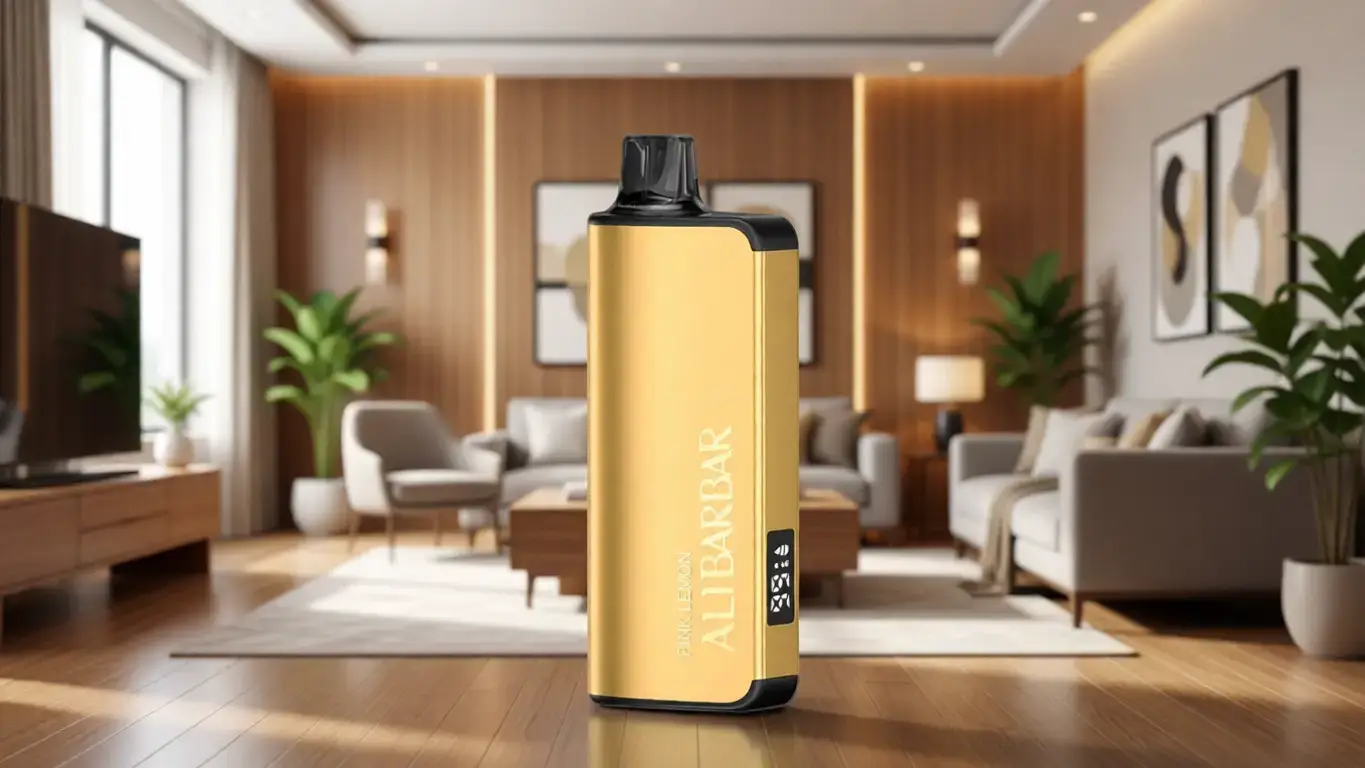
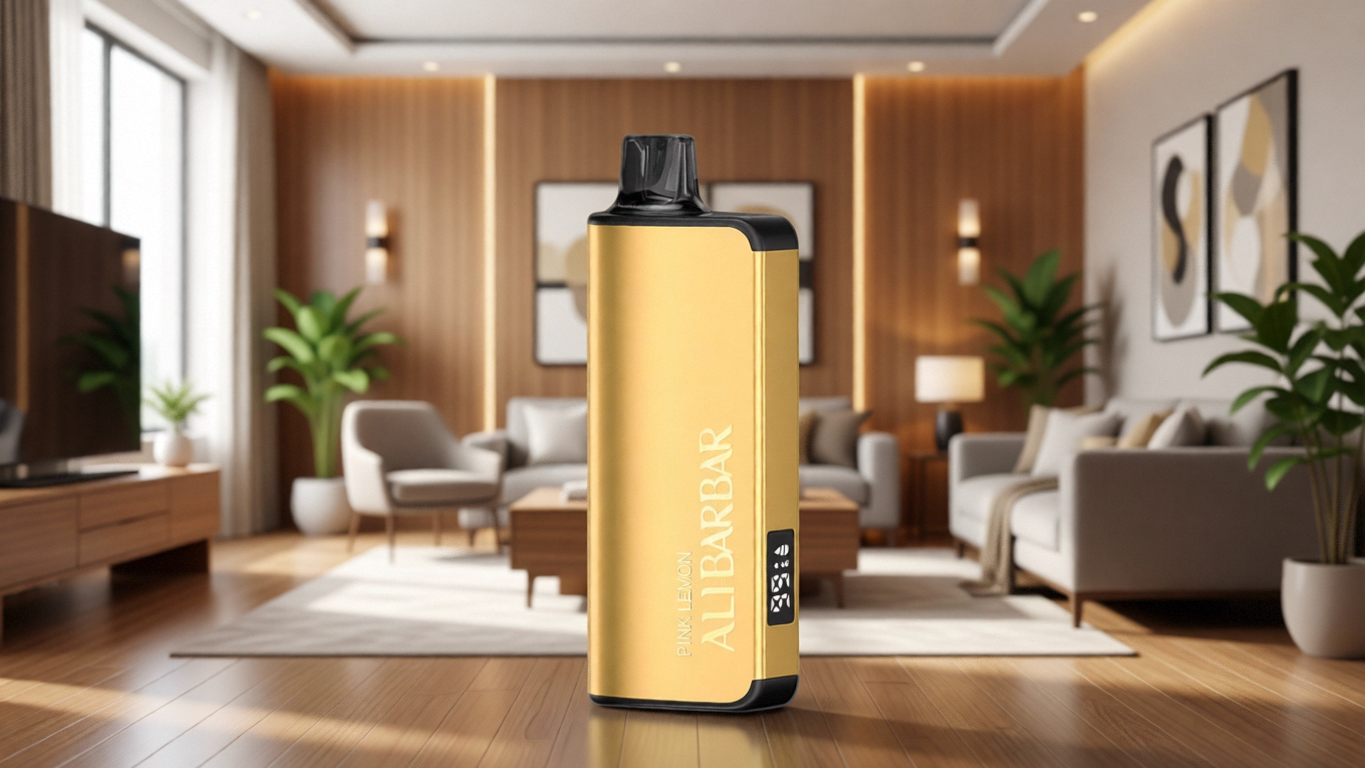
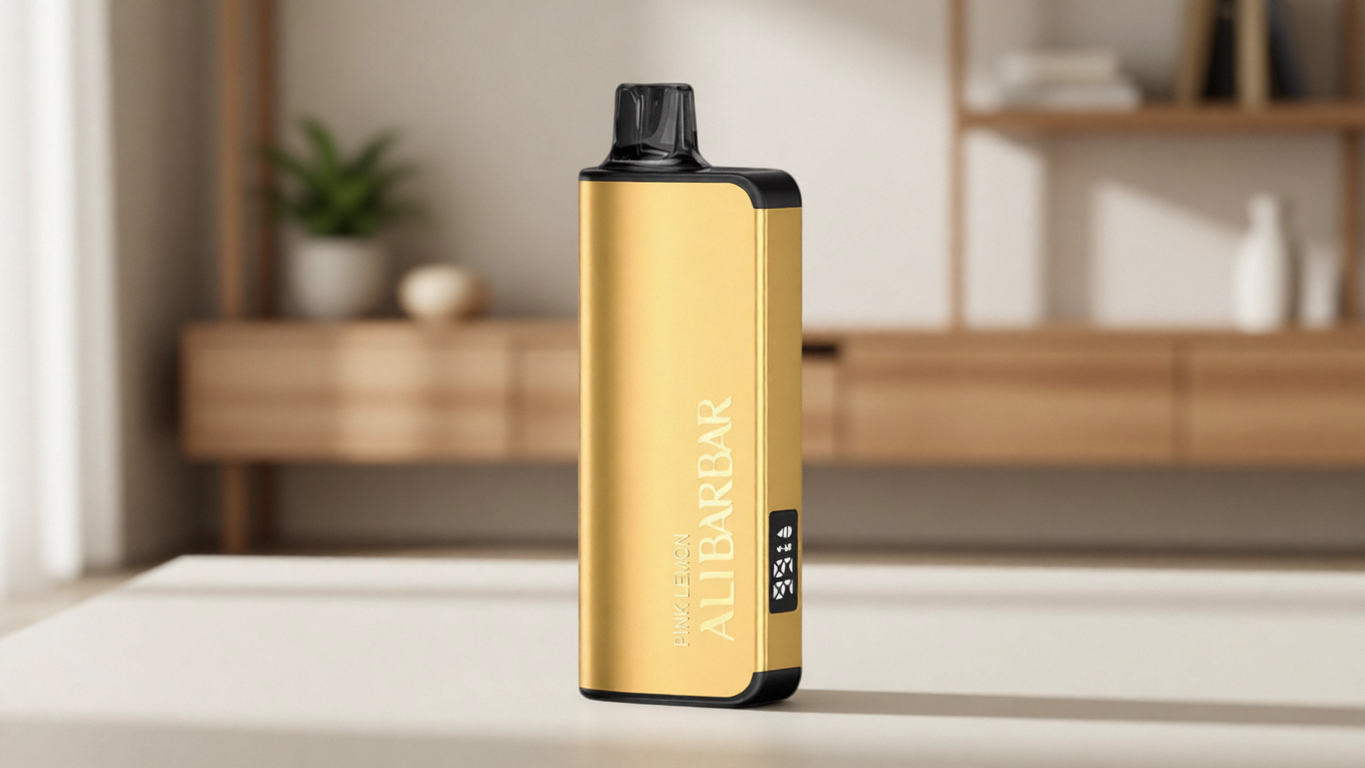
Better disposable devices — such as those in the ALIBARBAR family that OZVAPE Shop carries — include battery management circuits that regulate power output to match the coil’s resistance. The system expects a narrow range of thermal load. When the load changes because an unsuitable substance is present, the circuit either delivers insufficient energy (producing nothing) or drains the battery abnormally while attempting to compensate. Either way, the status indicators that normally tell you when a device is approaching its end of life become meaningless, because they are reporting on a failing improvisation rather than a functioning device.
Physical Design and Material Durability
Even the physical casing matters. A disposable’s mouthpiece and airflow path are moulded for the specific vapour dynamics of e‑liquid. THC oils, when they do heat unevenly, often produce a much thicker, harsher aerosol that can clog narrow internal channels, leading to leakage through the air intake or pooling that renders the device unsanitary. The external finish — often soft‑touch coatings these devices use to stay pleasant in hand — can be damaged by oils that seep between seams, something the original design never anticipated.
Applying These Principles: Why THC Oil Fails in Every Standard Disposable
When users attempt to refill a disposable with THC oil, they quickly encounter a chain of predictable failures:
Instant clogging: The intake holes on a disposable’s coil assembly are measured in fractions of a millimetre. Thick cannabis oil behaves more like honey than water; it will not flow through those openings fast enough, if at all. The wick dries out and scorches.
Voltage mismatch: Standard disposables operate between 2.8V and 3.4V. Cannabis oils typically require lower, more carefully controlled heat to preserve active compounds and avoid producing acrid by‑products. Even if the coil somehow managed to heat the oil, the temperature would be wrong, degrading the experience and potentially creating compounds you did not intend to inhale.
Irreversible contamination: Once you introduce an unfamiliar oil, you cannot reverse the process. The device’s reservoir and wick are sealed systems; there is no way to flush them. The unit is ruined, and you have lost both the oil and the device.
This is not a matter of one brand being better than another. A high‑capacity device from the ALIBARBAR INGOT 15000 series is engineered with the same fundamental constraints as a compact 9000‑puff unit. The build quality determines longevity within its intended use, not cross‑compatibility with substances it was never designed to handle.
A Practical Framework for Evaluation
If you are ever unsure whether a particular substance can be used in a given device, apply these diagnostic questions:
What is the viscosity? Can the liquid be drawn through a cotton wick as easily as water? If it clings to a spoon or moves slowly, it will not work in a standard disposable.
What heating profile does the substance require? Does it vaporise cleanly at a narrow temperature window? If so, a device without adjustable output is a gamble.
Is the device’s fluid path cleanable? If you cannot fully disassemble and replace the wick, then any experiment leaves permanent residue. A sealed disposable is exactly that — sealed.
What does the manufacturer document? If the specifications sheet from a supplier like OZVAPE Shop describes the device as intended for “nicotine‑containing e‑liquid only,” that is not legal boilerplate; it is an engineering statement.
By working through these points, you can avoid the most common and costly mismatches.
Common Selection Errors and Industry Observations
Over the years, several misconceptions have led consumers to ruin perfectly good hardware:
“All vape devices are just battery‑and‑heater combinations.” In reality, the coil geometry, wick density, and airflow design are calibrated for a specific formulation. Swapping the consumable is not like changing a battery in a remote — it changes the entire operating point of the machine.
“If it looks similar, it must work similarly.” A disposable for e‑liquid that happens to share a cylindrical shape with a cannabis oil cart is not a substitute. The internal wicking systems are fundamentally different.
“The device will just run hotter and still work.” This ignores the fact that thermal runaway on a lithium‑ion cell is a real safety hazard when a mismatched load causes the battery to discharge faster than designed. The most reliable manufacturers, including those behind the ALIBARBAR range, invest significant effort into thermal protection circuits that are only effective within the original design envelope.
“Diluting the oil with another liquid will make it suitable.” Adding a thinner will alter the concentration of the oil and may introduce solvents that attack the plastic components inside the disposable. This compounds the risk, with no guarantee of a functional outcome.
From an industry perspective, the incompatibility is not a flaw — it is a deliberate choice. Mass‑market disposables are built to deliver a predictable, low‑maintenance experience for a huge audience; they sacrifice flexibility for reliability. Devices designed specifically for thick oils exist, but they use ceramic heating chambers, adjustable voltage, and refillable pods that expose the coil for replacement. A sealed disposable unit intentionally leaves none of those doors open.
Frequently Asked Questions
Q: Can I put CBD oil in a disposable vape?
A: The same physical constraints apply. Most CBD oils are too thick for the wick and coil found in standard disposables. Use a device that is clearly labelled and designed for CBD vape juice, not for a broad “oil.”
Q: What happens if I accidentally add THC oil to a disposable?
A: You will likely experience immediate clogging, a burnt taste, and a device that stops producing vapour. It is unsafe to continue using it, and the unit should be disposed of according to local battery recycling guidelines.
Q: Are there any disposable devices that work with cannabis oil?
A: There are purpose‑built cannabis oil vaporisers with ceramic heating elements and pre‑filled cartridges, but they are a distinct product category. A standard nicotine disposable will not serve this role.
Q: Why doesn’t the store warn me about this when I buy a device?
A: Product listings at verified retailers like OZVAPE Shop specify intended use clearly. The assumption is that consumers will use the device as designed. No manufacturer can anticipate every unintended application, which is why educating yourself on the engineering is so important.
Q: Can I refill a disposable e‑liquid vape with any oil if I remove the mouthpiece?
A: Even if you access the reservoir, the wicking and heating system remains mismatched. Refilling a disposable with anything other than the exact e‑liquid it was built for will almost certainly destroy it.
Q: Is there a legal issue with putting THC oil in a vape?
A: Legal questions vary by jurisdiction. Aside from device compatibility, possession and use of cannabis‑derived substances are regulated. Always consult local laws before acquiring or using any such product.
Q: How can I identify a quality disposable that will perform well with its intended liquid?
A: Look for devices with clearly published coil resistance, verified capacity, and a documented supply chain. Authorised retailers like OZVAPE Shop provide factory‑certified inventory with full specifications, so you can match the device to its documented purpose.
Q: What should I do if I suspect my device has been damaged by incorrect use?
A: Stop using it immediately. A device that has been exposed to incompatible substances may have compromised battery circuitry or clogged airways and should be recycled safely, not reopened or modified.
Conclusion
The instinct to use a device you already own for a new purpose is understandable, but with disposable vapes, the entire product architecture works against improvisation. Every component — the wick, the coil, the airflow, the power circuit — assumes a specific liquid that flows, heats, and atomises within a tightly defined window. Introducing THC oil not only fails to produce the desired result; it destroys the device and introduces avoidable safety risks.
At OZVAPE Shop, our commitment is to provide factory‑certified devices whose engineering is clearly documented, so that informed adults can make decisions based on how things are built, not on guesswork. Whether you explore a compact all‑in‑one or a high‑capacity model from the ALIBARBAR range, the principle remains the same: the right device is the one that matches your actual routine and the substance it was designed to carry. The wrong combination, no matter how tempting, simply doesn’t function — and understanding why is the first step toward a safer, more satisfying experience.