VAPE FAQs
Can I Buy A Vape On Uber Eats?
Sep
A familiar scene: it’s late, you’re out of a reliable device, and the idea of opening a delivery app to solve the problem in under thirty minutes is undeniably attractive. The question “Can I buy a vape on Uber Eats?” surfaces exactly at that intersection of urgency and convenience. The short, direct answer is no. Uber Eats, like all major platform-to-consumer delivery services operating in Australia, explicitly prohibits the listing and delivery of age-restricted personal vaporiser devices. This is not a loophole or a regional oversight — it is a universal policy enforced consistently across their marketplace.
That firm “no” matters, but what matters more is the reasoning behind it. The prohibition exists because these are not ordinary retail goods. They require verified age checks at point of sale, supply chain documentation that confirms factory-certified provenance, and a support structure that extends beyond a driver dropping a paper bag at your door. When you encounter a listing that seems to slip through — a third-party seller on a marketplace, a social media account offering local delivery — the risk that the device is counterfeit, mishandled, or entirely misrepresented rises sharply. OZVAPE Shop exists precisely to remove that ambiguity: an authorised channel where every ALIBARBAR device can be traced to its manufacturing batch and every transaction meets adult-verification requirements.
So while you cannot buy a vape on Uber Eats, you can step back and ask the far more useful question: What does a genuinely trustworthy purchase look like? Answering that starts with understanding the engineering and design factors that separate a dependable device from a disposable source of frustration.
Understanding What Matters: Core Engineering and Design Factors
The difference between a device that integrates into your daily routine and one that gets discarded after a disappointing week rarely shows up in a product photo. It lives in the choices manufacturers make about heating architecture, power delivery, physical materials, and lifecycle design. These are the factors that determine whether your investment holds up through a full workday, a weekend away, or simply the wear and tear of being carried in a pocket.
Internal Architecture and Output Consistency
At the centre of every device is a heating element, and the way that element is constructed has everything to do with whether the experience remains stable from first use to last. Low-cost designs often rely on simple vertical wire coils that degrade unpredictably, producing erratic output after a short period — a complaint that appears repeatedly across user forums. Better-engineered devices use mesh or composite heating structures that distribute temperature more evenly and reduce the likelihood of sudden failure.
ALIBARBAR’s INGOT series, for instance, employs a mesh coil architecture that maintains a consistent temperature range throughout the device’s rated life. This is not a marketing detail; it is a deliberate thermal management choice. When a heating element degrades unevenly, the user experiences hot spots, muted output, and the unsettling feeling that the device is “running out” well before its physical capacity is exhausted. In contrast, stable internal architecture means you spend less mental energy monitoring performance and more time relying on it.
Power Management and Status Transparency
A device that suddenly stops working without warning is not just inconvenient — it erodes the trust you place in any piece of portable equipment. The culprit is almost always a power management system that lacks both precision and transparency. Many entry-level units provide no meaningful battery or usage indicator beyond a blinking LED that signals a critical low charge moments before shutdown.
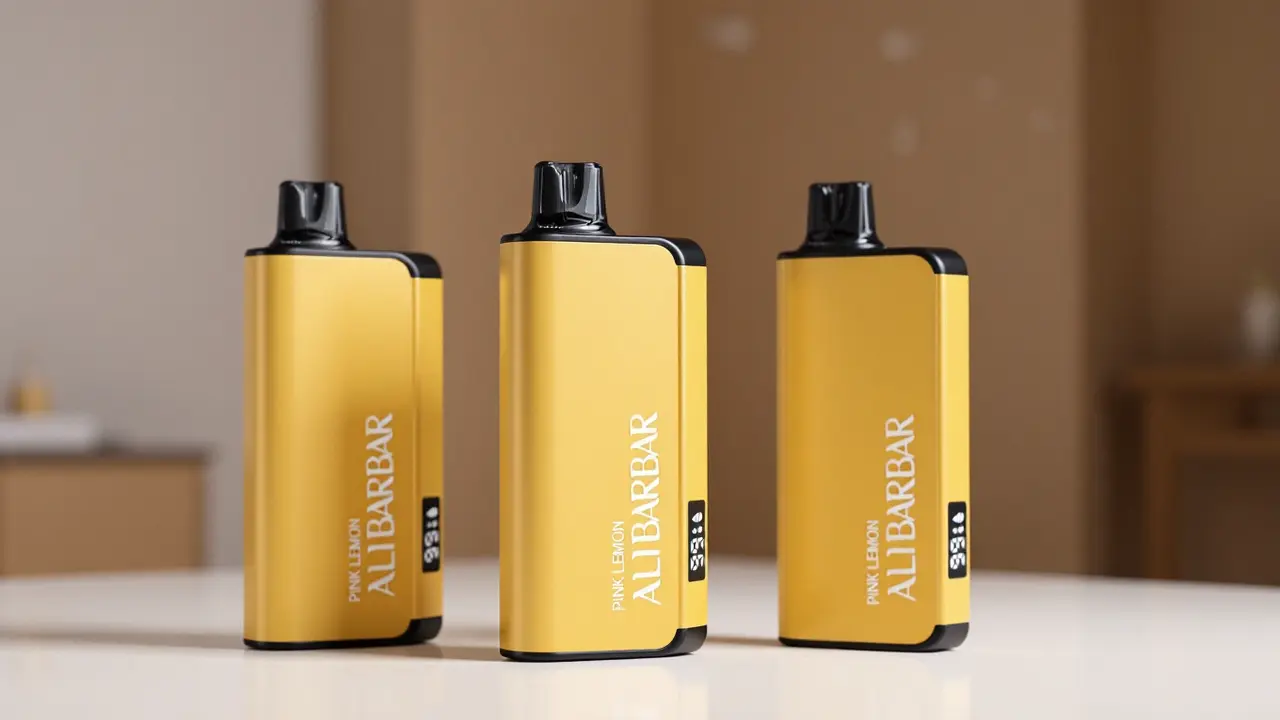
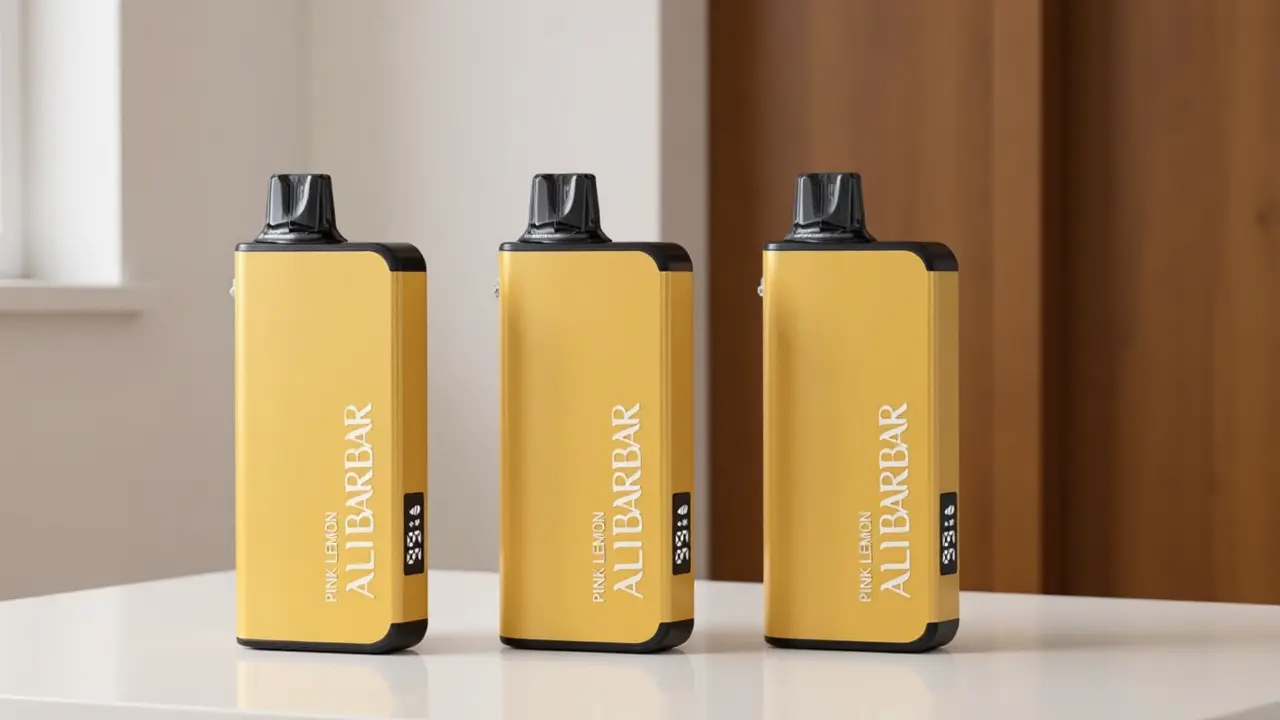
Higher-quality devices integrate multi-level status feedback. On the ALIBARBAR Ice Adjust 12000, for example, a clear digital display communicates remaining capacity in real time, while the adjustable output control lets you make conscious decisions about consumption that extend a charge throughout an entire day. This transparency eliminates a hidden cost: the need to carry a backup device “just in case.” When you know exactly where you stand, you can plan accordingly, and the anxiety of unexpected failure disappears.
Physical Design and Material Durability
A device’s exterior is not merely cosmetic. The materials used for the chassis, the finish applied to the shell, and the ergonomics of the mouthpiece directly affect how well the unit survives daily carry. Soft-touch coatings that feel premium on day one often develop scratches and peel within a week of sharing a pocket with keys or coins. Pocket-friendliness — the ability to sit comfortably without snagging or protruding awkwardly — is a separate design discipline.
ALIBARBAR’s INGOT 15000 illustrates these principles well. Its rounded edge profile and durable metal-alloy shell resist abrasion far better than smooth, painted plastic alternatives. The mouthpiece is contoured for prolonged use, addressing a subtle but real issue: extended sessions with poorly shaped tips lead to jaw fatigue and a tendency to grip inefficiently. These are the kinds of details that reveal whether a manufacturer designed a device for a single photo session or for weeks of actual handling.
Modularity and Lifecycle Flexibility
The market splits roughly into three categories: fully sealed units that are discarded after a set number of cycles, rechargeable devices with a fixed internal component, and modular systems where you replace only the depleted element. Each has its place, but the trade-offs are significant. A sealed unit offers convenience at the cost of waste and limited control. A rechargeable unit with a replaceable element — like the ALIBARBAR Ice Adjust 12000, which combines a rechargeable power core with a replaceable pod — gives you the flexibility to manage cost and environmental impact more deliberately.
If your daily usage is high, a modular system reduces per-use cost substantially over a month. If you prize simplicity and are comfortable with a pre-determined lifecycle, a high-quality sealed device like the INGOT 9000 can serve that need without compromise. The error users often make is assuming all non-modular devices are equivalent; in reality, the engineering quality of the sealed unit matters enormously.
Applying These Criteria to Real-World Options
When you start evaluating devices against these engineering markers, patterns emerge. The ALIBARBAR family, available through OZVAPE Shop, is structured to match distinct user profiles without forcing anyone to prioritise one requirement over another.
For the adult user who wants a straightforward, ready-to-use device with exceptional consistency and zero maintenance, the INGOT 9000 and INGOT 15000 show what a thoroughly engineered sealed unit can achieve. The mesh coil and internal battery are calibrated to sustain stable output across the entire rated cycle count — a claim that can be verified by the absence of the harsh, metallic note that appears when cheaper coils degrade prematurely. The 15000 variant simply extends that endurance, reducing the frequency of replacement for those with heavier daily demands.
For the adult who values adaptability and on-the-fly control, the Ice Adjust 12000 brings a different set of strengths. The replaceable pod architecture means you are not discarding a power cell every time the consumable element is exhausted, which changes the long-term cost equation. The digital display and variable output dial put the user in command, allowing you to adjust intensity to the moment — lower during a long work call, higher during an evening wind-down.
These are not theoretical distinctions. They directly address the central failure of buying through unverified channels: you receive a device that looks like something reputable but is built around the cheapest available heating element and the most ambiguous possible power indicator. Next to such a product, an INGOT 15000 feels like an entirely different category of tool.
A Practical Framework for Evaluation
The best defence against a regrettable purchase is a short, repeatable evaluation process you apply before committing. Here is a five-step framework that works regardless of brand or marketing language:
Identify the heating architecture. If the manufacturer does not explicitly describe the element type (mesh, ceramic, composite) and its rated operating life, assume the information is being withheld for a reason.
Verify status communication. Does the device offer granular, real-time feedback on remaining capacity? If the answer is no, you will be forced to carry a backup — factor that into your total cost and inconvenience.
Inspect material choices. Look for metal alloy bodies, impact-resistant mouthpiece contours, and a finish that does not appear designed to photograph well only on day one. Comfort during prolonged handling is a legitimate safety and usability metric.
Understand the lifecycle. Is the device sealed, rechargeable but fixed, or modular with a replaceable element? Match the architecture to your actual routine — not to the cheapest option.
Confirm retail legitimacy. Buy only from retailers that document their supply chain. If you cannot identify the store’s physical presence and its authorisation status with the brands it sells, walk away. Standardised specification sheets and clear batch traceability are not frills; they are evidence of accountability.
Using this framework, a listing on a delivery app — even if one existed — would almost certainly fail at step five. The platform’s business model does not allow for supply chain verification, leaving you entirely on your own.
Common Selection Errors and Industry Observations
Observing how adult users actually make purchase decisions reveals a handful of persistent, costly mistakes. These are not judgmental observations; they are patterns that repeat across thousands of interactions.
Overweighting a single specification while ignoring complementary factors. A device may claim a high cycle count, but if the heating element degrades after one-third of that number, the specification is meaningless. Always pair capacity claims with an understanding of the thermal architecture.
Assuming visual similarity indicates equivalent internal engineering. A device that looks like an INGOT 15000 but costs half as much is almost certainly a copy with a substandard coil, no proper status feedback, and a power cell that drops off steeply. The exterior is the easiest part of a device to replicate; the thermal management and power calibration are not.
Undervaluing modularity in cost-per-use calculations. A sealed unit with a low upfront price can end up costing more over two months than a rechargeable, pod-based system. Run the numbers over an honest estimate of your usage, not just the immediate point of sale.
Confusing category terminology with technical specifications. Terms like “adjustable airflow” or “long-lasting” are not standardised. Two devices labelled “adjustable” may offer a sloppy, inconsistent slider versus a precise, tactile control dial. Demand specificity, and if none is provided, let that silence inform your decision.
From an industry perspective, the pressure to race to the lowest possible price has created a segment of the market where quality control is outsourced to the consumer — you discover the defect through use, and by then recourse is limited. This is why platforms that prioritise frictionless checkout over supply chain integrity, while convenient for ordinary goods, are fundamentally unsuited to devices that depend on precise engineering for safety and satisfaction.
Frequently Asked Questions
Q: Does Uber Eats allow vape device orders in Australia?
A: No. Uber Eats and comparable large-scale delivery platforms maintain uniform prohibitions on listing age-restricted personal electronic devices. Any apparent exception is likely an unvetted listing that violates platform terms and provides no consumer protection.
Q: Where can I verify that an ALIBARBAR device is authentic?
A: Authentic ALIBARBAR devices distributed in Australia are traceable through the authorised retail network. OZVAPE Shop sources inventory exclusively from factory-certified channels, and packaging includes batch identifiers that can be confirmed with the brand.
Q: What is the practical difference between a mesh coil and a standard wire coil?
A: Mesh coils distribute heat more evenly across the surface area, reducing the formation of hot spots that cause inconsistent output and premature degradation. Wire coils, particularly in lower-cost constructions, tend to fail less predictably, often producing a burnt or muted result well before the device’s rated capacity is consumed.
Q: Can I adjust the output on all ALIBARBAR devices?
A: No. The INGOT 9000 and 15000 are fixed-output, optimised for consistency without user intervention. The Ice Adjust 12000 includes an adjustable dial and real-time display for users who prefer custom control.
Q: How long does a typical ALIBARBAR device last before needing replacement?
A: This depends on the model and usage. The INGOT 9000 is rated for a specific number of cycles appropriate to daily moderate use; the 15000 extends that substantially. The Ice Adjust 12000 uses a replaceable pod system, so the power core endures over multiple pod cycles. Exact cycle counts are published on each product’s specification sheet, not in marketing summaries.
Q: What shipping method does OZVAPE Shop use, and is age verification enforced?
A: OZVAPE Shop ships using discrete, trackable courier services with mandatory adult signature on delivery where required by state regulation. Age verification occurs at the point of online checkout through a secure third-party system, consistent with Australian compliance obligations.
Q: What recourse is available if a device doesn’t perform as described?
A: Devices purchased through OZVAPE Shop are covered by a clear post-purchase support policy. If a unit fails due to a manufacturing defect, the team initiates a documented process of diagnosis and, where confirmed, replacement or refund. This stands in contrast to items bought through unverifiable channels, where the seller often disappears.
Q: Are ALIBARBAR devices designed for heavy daily use?
A: The INGOT 15000 and Ice Adjust 12000 are engineered for sustained daily demands. Their power management and thermal stability are designed around full-day reliability, making them appropriate for users who previously felt compelled to carry multiple devices.
Q: Why does OZVAPE Shop not appear on delivery apps?
A: OZVAPE Shop operates a direct, fully accountable retail model. Listing on third-party delivery platforms would require the store to cede control of age verification, product storage conditions, and delivery handling — all of which are critical to maintaining device integrity and regulatory compliance.
Q: How do I choose between the INGOT 15000 and the Ice Adjust 12000?
A: Start with your preference for control. If you want a straightforward, maintenance-free experience with maximum cycles, the INGOT 15000 is the logical fit. If you value the ability to adjust output, monitor remaining status in digits, and replace pods to extend the life of the power unit, the Ice Adjust 12000 offers that flexibility. Both share the same mesh-coil architecture and durable construction.
Conclusion
The answer to “Can I buy a vape on Uber Eats?” is technically simple: you cannot, and for sound regulatory and quality-assurance reasons, you should not want to. But the insight underneath that answer is more valuable: the question itself is a product of the assumption that all devices are essentially interchangeable commodities, available wherever convenience dictates.
When you instead ask what makes a device reliable, safe, and worth the space it occupies in your daily life, the entire decision framework shifts from immediacy to informed evaluation. You begin to look for mesh coils that resist thermal degradation, power management that communicates honestly, materials that survive a pocket, and modularity that matches your rhythm rather than someone else’s marketing calendar.
OZVAPE Shop exists to serve exactly that kind of decision-maker — adults who want the ALIBARBAR INGOT 9000, 15000, or Ice Adjust 12000 from a source that documents its supply chain, enforces age verification, and supports the product after the sale. The right device isn’t the one that arrives fastest through a delivery app; it’s the one that keeps performing steadily, day after day, because its engineering was designed for exactly that.