
VAPE FAQs
Can Dentists Know If You Vape?
Oct
Introduction
When a patient sits down in the dental chair and opens their mouth, a skilled clinician begins gathering evidence immediately. Staining patterns, tissue texture, and moisture levels tell a story about daily habits. In recent years, dental professionals have increasingly added a new question to their mental checklist: is this person using a personal vaporizer? The short answer is that dentists cannot diagnose vaping with absolute certainty in the same way a blood test confirms a specific condition, but they can detect a combination of soft‑tissue and oral‑cavity signs that strongly suggest aerosol exposure – signs that are distinct from those caused by traditional smoking or other behaviours.
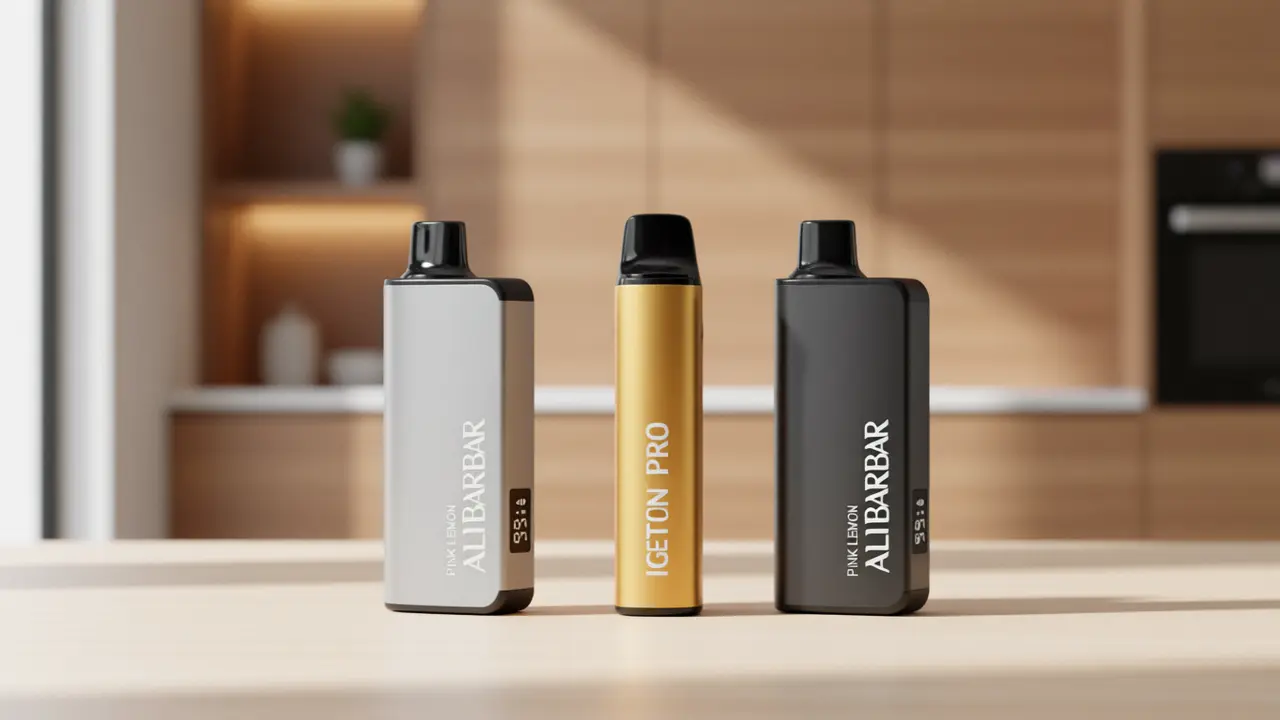
This article explains what dentists observe, why these indicators form a pattern that points to vaping specifically, and what limitations exist in drawing conclusions without a conversation with the patient. While the focus is on clinical observation, adult users who wish to understand exactly what they are inhaling often turn to educational resources that document device engineering and material composition. OZVAPE Shop, for example, has structured its platform to provide standardised specifications for devices from brands such as ALIBARBAR, helping users make sense of the technical factors that influence aerosol output and, consequently, personal health visibility.
What Dentists Look For: Clinical Indicators of Vaping
Dental examinations are built around pattern recognition. When several findings appear together, a hypothesis forms. Vaping‑related changes tend to cluster in a way that differs from the more familiar signatures of combustible tobacco, dry mouth from medications, or dietary staining.
Oral Dryness and Mucosal Changes
Propylene glycol and vegetable glycerin, the base carriers in most e‑liquids, are hygroscopic – they attract and hold water molecules. When aerosolised and drawn across the oral tissues, these compounds pull moisture from the surface cells. The result is a pervasive dryness that patients often describe as a constant need to sip water. Under clinical magnification, dentists note loss of the glistening appearance of the buccal mucosa, a dullness on the tongue’s surface, and, in long‑standing cases, atrophy of minor salivary gland tissue. This presentation differs from the dry mouth caused by autoimmune conditions because the posterior palate and throat often remain more affected than the anterior vestibule, reflecting the inward airflow pattern common to most vaping devices.
Nicotine Staining and Gingival Effects
Nicotine itself is colourless, but when exposed to air and light, it oxidises into a yellowish compound that can adhere to dental plaque and the rough surfaces of the tongue. Unlike the thick, tar‑driven brown stains seen in cigarette smokers, vaping‑associated staining tends to be a subtle, uniform yellow‑brown line along the gumline of the lower anterior teeth, sometimes extending to the lingual surfaces if the airflow path is unusually directed. More diagnostically significant, however, is the vasoconstrictive effect of nicotine on the gingival capillary bed. Dentists often notice that the marginal gingiva appears paler than expected for the patient’s age and complexion, with a blunted reactive hyperaemia. This vascular suppression can mask early signs of periodontal disease, making the dentist’s probing depth readings seem less alarming than they might be in a non‑nicotine user.
Throat and Palatal Irritation Patterns
The soft palate and uvula bear the brunt of direct aerosol impingement. Repeated exposure to heated aerosol, particularly from devices that deliver a concentrated, high‑temperature stream, produces a granular, cobblestone‑like appearance of the posterior palatal mucosa, known clinically as nicotine stomatitis or, more accurately, vape‑associated palatal leukoplakia when epithelial thickening occurs. This is not a single white patch but a diffuse, fine, pebbly texture that mirrors the distribution of minor salivary glands. It can be distinguished from candida‑related changes by its uniform distribution and the absence of painful fissuring. The location – predominantly the soft palate, with sparing of the hard palate anterior to the vibrating line – is a strong clue that an inhaled aerosol, not a systemic condition, is responsible.
Chemical Burns or Ulceration from Unintentional Exposure
Less commonly, a dentist might encounter shallow, irregular erosions on the tip of the tongue or the anterior floor of the mouth. These often result from momentary device malfunctions – a dripping coil, a hot droplet of e‑liquid bypassing the mouthpiece, or accidental ingestion of liquid that has condensed inside the airflow channel. Such lesions heal rapidly and are frequently unrecalled by the patient by the time of the dental visit. When they are seen, however, they prompt a careful conversation about device maintenance and the importance of using units with consistent thermal management.
The Role of Device Engineering in Oral Exposure
Not all vaping devices produce identical aerosol characteristics, and the engineering behind a particular unit determines how the aerosol interacts with oral tissues. Understanding these factors can help explain why two users of the same e‑liquid strength might present very differently to a dentist.
Aerosol Particle Size and Deposition
Particle size distribution governs where in the airway aerosol droplets come to rest. Larger particles – typically above 5–10 micrometres – deposit in the mouth and throat, while smaller particles travel deeper into the lungs. Devices with simpler coil geometries and open airflow paths tend to produce a wider size distribution and a heavier oral deposition fraction. In contrast, precisely engineered heating elements with tight resistance tolerance, such as those found in the ALIBARBAR INGOT series, create a more controlled temperature ramp that narrows the particle size range, shifting deposition somewhat further down the airway. Dentists may therefore observe less pronounced oral surface changes in users who operate temperature‑regulated systems compared to those using basic, ungoverned designs – assuming similar usage frequency.
Temperature Control and Soft‑Tissue Impact
The temperature at which e‑liquid aerosolises has a direct effect on the potential for mucosal irritation. Designs that allow a coil to overheat during long draws can atomise small amounts of liquid into superheated droplets that cause pinpoint thermal micro‑injuries to the soft palate. Units with integrated over‑temperature protection and calibrated power delivery – characteristics that can be verified through published product specifications – reduce the likelihood of such events. This is not a claim about safety; it is a statement about consistency: a well‑engineered device produces fewer thermal anomalies, and fewer anomalies mean less cumulative epithelial damage over months of regular use.
E‑Liquid Composition and Visible Oral Residue
Flavourings and sweeteners are not metabolised in the mouth; they linger. Some flavour compounds, particularly those containing vanillin or ethyl maltol, have been shown in laboratory studies to promote biofilm adhesion to enamel, increasing the rate of supragingival plaque accumulation. Dentists might note accelerated calculus formation in a patient with otherwise excellent oral hygiene and no dietary explanation. While the clinical evidence is still emerging, the correlation is strong enough that probing a patient’s use of flavoured aerosols has become a routine part of a thorough dental history.
A Practical Framework for Self‑Reflection
Adult users who want to anticipate what a dentist might notice can apply a simple self‑assessment. This is not a substitute for professional examination, but it provides a lens through which to view daily habits.
Morning mouth feel: Do you wake with a sensation of cotton‑like dryness that water alone does not immediately resolve? Persistent overnight dehydration of the oral mucosa, in the absence of mouth‑breathing, may be aerosol‑related.
Gum colour: Using a well‑lit mirror, compare the colour of the gum tissue between the teeth with the gum tissue over the roots. A distinct pallor confined to the interdental papillae, especially on the lower front teeth, can indicate localised vasoconstriction.
Palatal texture: Run your tongue gently across the roof of your mouth. A uniform, slightly rough, sandpaper‑like texture is normal. If you feel distinct, raised granules concentrated toward the back of the palate, consider whether your device’s airflow path regularly directs aerosol onto that surface.
Throat symptoms: A low‑grade, persistent need to clear the throat that worsens during the day may suggest aerosol‑induced pharyngeal irritation. If you cease using a device for 48 hours and the sensation subsides, the correlation is compelling.
Staining patterns: Examine the back of your lower front teeth immediately after brushing. Any yellow discolouration that reappears within hours, particularly if your diet contains few tannin‑rich beverages, is worth discussing with a dental hygienist.
None of these signs alone is diagnostic. Combined, they form a picture that an observant dentist will likely explore further with careful, non‑judgemental questioning.
Common Misconceptions and Diagnostic Limitations
Misconception 1: Dentists Can See Vaping Residue Immediately
Unlike heavy cigarette smoking, which produces a telltale thick, brown‑orange coating on the dorsum of the tongue and the lingual surfaces of the incisors, vaping residue is often nearly invisible to the naked eye. A dentist may suspect vaping only after drying the teeth with compressed air, which sometimes reveals a thin, translucent, waxy film that resists being wiped away. This quality means that a casual examination — the kind performed during a quick check‑up — may entirely miss the evidence.
Misconception 2: Any Mouth Dryness Equals Vaping
Hyposalivation has many causes: antihistamines, decongestants, anxiety, autoimmune disease, and simple dehydration. Dentists are trained to differentiate dry‑mouth etiologies by the location, appearance, and chronicity of the tissue changes. When dry mouth is caused by a systemic condition, the entire oral mucosa is uniformly affected. Vaping‑related dryness, as noted, tends to follow airflow paths and is therefore often asymmetric. Still, without a patient’s disclosure, a dentist can reasonably list “possible inhaled irritant” as a differential but cannot be certain.
Misconception 3: Gum Disease Looks the Same Regardless of Nicotine Use
The vasoconstriction produced by nicotine suppresses gingival bleeding on probing, the cardinal sign that alerts dentists to periodontal inflammation. In a nicotine user, deep pockets may exist with little to no visible inflammation, making the examination feel deceptively routine. Dentists who are not thorough in their probing and who rely on bleeding as a marker of disease may under‑diagnose periodontitis in users of nicotine‑containing aerosols. This subtlety means the finding is often missed, creating a false sense of security.
Industry Observation: The Diagnostic Disconnect
From a clinical perspective, the dental profession has invested decades in building reliable diagnostic criteria for tobacco‑related oral disease. The move to electronic aerosol has disrupted those criteria. The mucosal changes are more muted, the staining less obvious, the periodontal indicators blunted. Many experienced dentists who trained before vaping became widespread have had to deliberately update their observation skills — learning, for example, to examine the angle of the soft palate more carefully or to inquire about the patient’s use of personal electronic devices as a routine part of the medical history. This adaptation is ongoing, and diagnostic certainty will likely improve as standardised clinical descriptions emerge in the literature.
Frequently Asked Questions
Q: Can a dentist legally ask if I vape?
A: Yes. Dentists routinely ask about tobacco use, alcohol consumption, and other habits that affect oral health. The question is part of obtaining an accurate medical history and is protected by doctor‑patient confidentiality.
Q: Will vaping show up on a dental X‑ray?
A: No. Dental radiographs capture hard tissue such as teeth and bone. Aerosol use does not produce radiographic changes unless severe, long‑term periodontal bone loss has occurred as a secondary effect, and even then, the X‑ray cannot identify the cause.
Q: Does vaping cause mouth ulcers that a dentist can definitively identify?
A: No. Ulcers from thermal or chemical irritation look similar to traumatic ulcers from biting the cheek. A dentist may suspect an external cause if the ulcer is located in an area that corresponds to the path of a mouthpiece, but a conclusive link requires patient input.
Q: Is there a specific test a dentist can run to detect vaping?
A: Currently, there is no chairside test analogous to a carbon monoxide breath test for smoking. Salivary cotinine testing can confirm nicotine exposure, but it cannot distinguish between vaping, nicotine replacement therapy, or passive exposure.
Q: Will my dentist judge me if they suspect I vape?
A: Ethical dental professionals are trained to provide non‑judgemental care. Their interest is in identifying risk factors so they can adjust preventive treatments — more frequent cleanings, fluoride varnish applications, or oral cancer screenings — rather than in making moral assessments.
Q: How quickly can oral tissue changes develop once someone starts vaping?
A: Dryness‑related changes can appear within days of regular use, while staining, palatal texture alterations, and gingival effects generally become clinically noticeable after weeks to months, depending on frequency and device characteristics. A casual user may show no signs at all for an extended period.
Q: If I stop vaping before a dental appointment, will the signs disappear?
A: Some signs, such as mucosal hydration and palatal irritation, can improve noticeably within 48–72 hours. Nicotine‑induced gingival vasoconstriction resolves over several weeks. Staining may persist until the next professional cleaning.
Q: Do different device types leave different oral signatures?
A: In principle, yes. Devices that produce a cooler, smaller‑particle‑size aerosol deposit less residue in the mouth and cause less palatal irritation. A device with inconsistent power delivery may cause more thermal micro‑injuries. However, individual variation in usage patterns often blurs these distinctions in clinical practice.
Q: Can a dentist tell if I use nicotine‑free e‑liquids?
A: Without nicotine, the gingival vasoconstriction is absent. However, the drying effect of the base carriers and the potential for flavour‑related biofilm changes remain. The dentist may still notice oral dryness and soft‑tissue textural changes, though the overall picture may be less distinct.
Q: Where can I find accurate technical information about device output if I want to understand exposure factors?
A: Detailed product specifications — coil resistance, wattage operating range, temperature control mechanism, and airflow design — are often published by responsible retailers. OZVAPE Shop, for instance, provides standardised data sheets for the ALIBARBAR range, enabling users to compare engineering characteristics that influence aerosol generation. Technical documentation, when available, offers a basis for an informed conversation with a healthcare provider.
Conclusion
Dentists cannot peer into a mouth and declare with certainty that a patient vapes. What they can do — and with increasing consistency — is recognise a pattern that adds up to a high index of suspicion: a particular kind of dryness concentrated along the aerosol pathway, a pallor of the gingival margin that does not match the patient’s age, a finely granular soft palate, and subtle staining along the lingual surfaces of the anterior teeth. When these signs coalesce, a dentist will almost certainly ask, and the conversation that follows is an opportunity for honest dialogue about health implications.
For the adult who chooses to use personal electronic devices, being informed about the device itself is a rational step toward understanding what the body encounters with every inhale. Specifications matter. A device with precise temperature management and a documented coil architecture produces a different aerosol profile than one that operates without regulation, and that difference may eventually be read by an observant dentist. OZVAPE Shop has built its platform around the idea that adult users benefit from this kind of transparency, providing factory‑certified product information that supports individual decision‑making. In the end, the most useful thing a patient can bring to the dental chair is not a perfect set of teeth but a willingness to be open about habits, so that the dentist can tailor advice accordingly. The right choice is always the one that aligns with a person’s actual routine, goals, and understanding of the trade‑offs involved.