
VAPE FAQs
Can Dentist Tell You Vape?

Jun
Many adults who use personal electronic devices have wondered — often while sitting in the dental chair — whether their dentist can detect that habit. It is a fair question, and it usually arrives in a moment of vulnerability. The answer matters not because it is about concealment, but because it touches on a larger concern: what is actually happening inside the mouth, and whether we would rather know the truth or avoid it.
At OZVAPE Shop, we take the view that informed adults make better decisions. That means being candid about what current clinical observations suggest, even when those observations aren’t what some users want to hear. This article explains the dental signs that can alert an observant clinician, why they emerge, and how to approach that conversation with both honesty and sense.
The Oral Health Footprint of Vaping: What Your Dentist Sees
Dentists are trained to read soft and hard tissue for evidence of behavioural patterns. They do not need to catch a user in the act. A combination of visual cues, symptom reports, and slow-moving tissue changes often tells them enough to form a working hypothesis. The following factors are the most common and detectable.
Dry Mouth and Its Cascading Effects
Aerosolised humectants — particularly propylene glycol and vegetable glycerine — bind moisture. With frequent use, this can suppress salivary flow enough to produce chronic xerostomia. Dentists notice the glossy, parched appearance of oral mucosa, the increased tackiness of dental instruments against soft tissue, and the patient’s complaint of needing to sip water frequently during the appointment. Dry mouth is not diagnostic on its own, but when a young or middle-aged adult with no medication history presents with it, clinicians naturally look deeper.
Gum Inflammation: The Gingivitis Connection
The chemicals in heated aerosol do not need to be fully understood for their vascular effect to be visible. Mild but persistent marginal gingivitis — redness, puffiness, bleeding on probing — appears in a pattern that often does not match ordinary plaque accumulation. Dentists who keep good records notice that these patients return with the same low-grade inflammation despite reasonable home care. The chronic heat exposure alone may be sufficient to keep gingival capillaries dilated and fragile.
Staining and Discoloration: More Than Aesthetics
Nicotine, when oxidised, creates a yellowish-brown residue that adheres to tooth enamel. The staining pattern tends to be most pronounced on the lingual surfaces of anterior teeth — exactly where aerosol stream concentrates. Unlike coffee or tea stains, which often appear more diffuse, this residue follows the path of airflow. A dentist who examines under magnification and good light can often distinguish it from dietary staining. Yellowing on fingers, if present, reinforces the inference.
Soft Tissue Irritation and Oral Lesions
Chronic exposure to heated vapour can cause hyperkeratotic changes — whitish patches where tissue thickens in response to repeated low-level trauma. The buccal mucosa and lateral tongue borders are common sites. While the majority of these lesions are benign, a careful clinician will document them and, in the absence of other explanatory habits, will ask gentle, direct questions. They are not being confrontational; they are ruling out more serious pathology.
Bad Breath and Biofilm Changes
Persistent halitosis in someone with good oral hygiene often points to a change in the oral microbiome. Vapour components can alter the pH and moisture conditions that regulate bacterial populations, sometimes favouring the proliferation of anaerobes that produce volatile sulphur compounds. A metallic or chemical note on the breath is particularly suggestive, as it differs from the putrefactive odour of periodontal disease.
Why Ignoring the Signs Can Be Costly
The point of early detection is not to shame anyone. It is to prevent slow-moving damage from accumulating unnoticed. Gingival recession, once established, does not reverse. Enamel demineralisation around the cervical margins of teeth, accelerated by dry mouth, leads to decay in exactly the areas that are most difficult to restore. A dentist who correctly identifies the contributing habit can adjust preventive protocols — prescribing high-fluoride toothpaste, recommending pH-neutralising rinses, and scheduling more frequent monitoring. Without that disclosure, the patient ends up in a cycle of restorative work that treats symptoms while the underlying driver continues undisturbed.

A Practical Framework for a Frank Dental Conversation
You do not need to volunteer information unbidden, but when your dentist asks — or when you notice them studying your soft tissue with unusual attention — a direct answer serves your own interests. Use these prompts to guide the exchange:
Before the examination, note any changes you have observed yourself: bleeding, dryness, sensitivity, mouth sores.
If the dentist asks whether you use any form of nicotine or personal electronic device, respond factually. The law protects your medical privacy, and the information will not leave your records.
Ask, “Have you noticed anything in my mouth that concerns you specifically?” This reframes the dialogue around clinical findings rather than personal judgement.
Request a personalised prevention plan. If dry mouth is present, ask about salivary substitutes or moisture-retaining products.
Schedule recall intervals based on risk, not on an arbitrary six-month calendar.
These steps preserve autonomy while ensuring that the professional in front of you has the data needed to do their job well.
Common Misconceptions About Vaping and Oral Health
Several assumptions lead people to underestimate what a dentist can observe, or to misjudge the actual risk:
“If there is no smoke, there is no damage.” Thermal injury and chemical irritation do not require combustion. Tissue responds to heat and pH shifts regardless of the delivery mechanism.
“Vaping leaves no smell, so they cannot tell.” The olfactory signature is subtler than tobacco smoke, but it clings to biofilm and breath in a way that clinical noses often detect.
“I only use it occasionally, so my dentist won’t notice.” Intermittent use may produce fewer hard-tissue changes, but the soft-tissue inflammation pattern can persist for days after an episode. A single examination may catch it.
“All oral changes are from something else.” Dentists correlate findings with patient history. When a pattern exists in the absence of explanatory factors like medication or systemic disease, the list of likely contributors shortens rapidly.
The gap between what a patient thinks they are concealing and what a clinician actually registers is frequently wider than expected.
Frequently Asked Questions
Q: Can a dentist tell if I have vaped the same day as my appointment?
A: Possibly. Acute changes such as mucosal dryness and gingival redness can be noticeable within hours and may still be visible during the appointment.
Q: Do different device settings affect how noticeable the oral signs are?
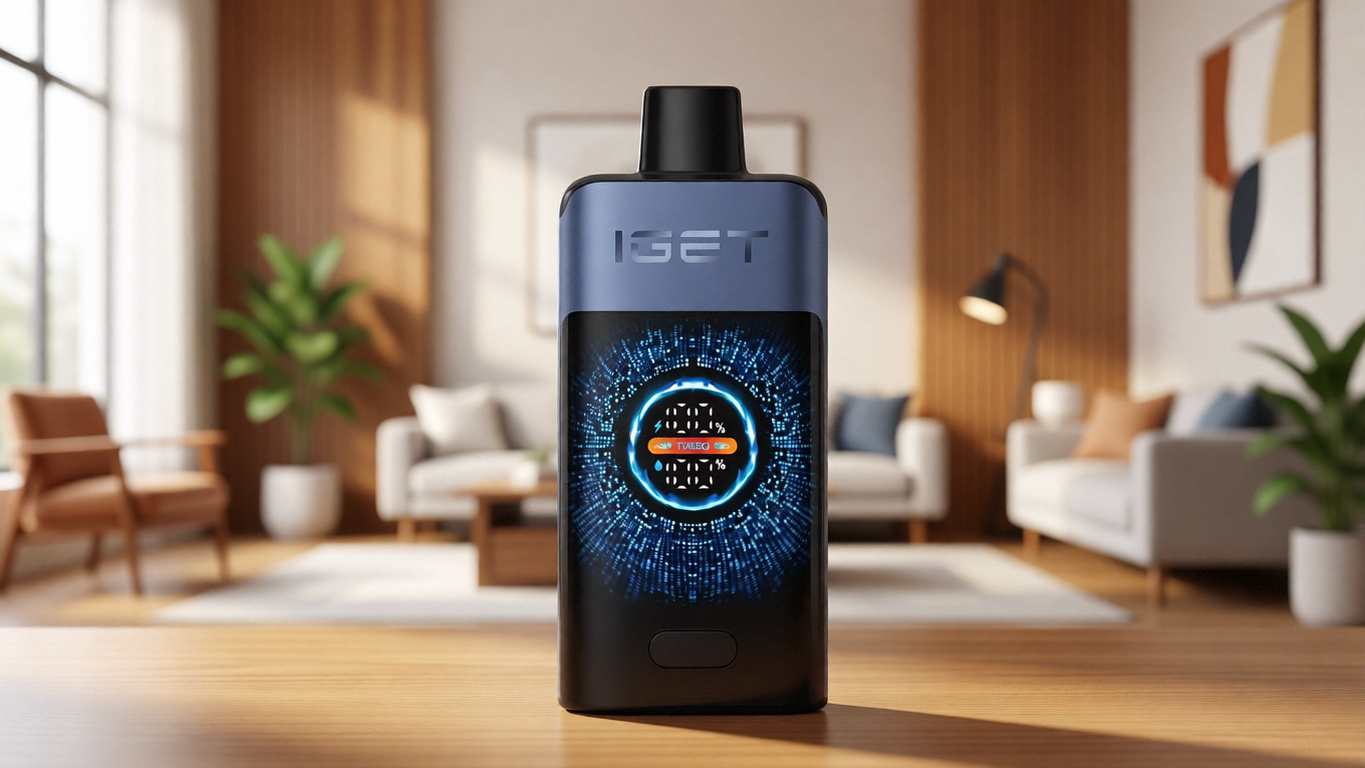
A: Higher power output and higher temperature aerosol tend to produce more pronounced tissue irritation. However, the relationship is not linear, and even low-output devices used frequently can produce cumulative changes.
Q: Will my dentist judge me or report me?
A: Dentists are bound by confidentiality and professional ethics. Their role is to diagnose and manage oral disease, not to report lawful adult behaviours. If judgment occurs, that is a problem with the clinician, not the profession.
Q: Are there any oral health products specifically helpful for someone who vapes?
A: Alcohol-free mouth rinses, pH-balancing lozenges, and high-fluoride toothpaste can help mitigate dry mouth and enamel vulnerability. Your dentist can recommend therapeutic products suited to your specific findings.
Q: Can I reverse the oral damage from vaping?
A: Soft-tissue inflammation is typically reversible if the irritant is removed or reduced. Hard-tissue changes, such as enamel erosion or gum recession, are permanent, though further progression can often be halted.
Q: What should I say if my dentist asks but I am not comfortable answering?
A: You can say, “I would prefer not to discuss that today, but please tell me about any oral findings that concern you.” This keeps the appointment clinically productive while respecting your boundaries.
Q: How quickly can improvements be seen after stopping?
A: Improved salivary flow and reduction in gingival bleeding can occur within two to four weeks. Discolouration may take longer to resolve and may require professional cleaning.
Q: Is vaping worse for teeth than traditional smoking?
A: Both habits carry distinct but overlapping risks. Smoking is strongly associated with periodontal disease and malignancy; vaping’s longer-term oral health profile is still being studied, but early data links it to dry mouth, caries risk, and soft-tissue changes. Neither is benign.
Q: Do nicotine-free devices produce the same oral signs?
A: The absence of nicotine reduces some systemic vascular effects, but the base liquids still pose dehydration and irritation risks. Dentists may still note dry mouth and mucosal changes.
Q: Where can I find reliable information about using personal electronic devices responsibly?
A: Apart from dental professionals, reputable retailers that prioritise product transparency and adult education — such as OZVAPE Shop{:target=”_blank” rel=”noopener”} — provide detailed device specifications and guidance that can help users understand what they are using.
A dentist’s ability to detect vaping habits is neither magic nor accusation. It is clinical pattern recognition applied to a set of observable tissue responses. When the patient recognises that the dentist is an ally in preserving their teeth and gums, the conversation stops feeling like exposure and starts feeling like a shared effort to minimise harm. The most useful question is not “Can they tell?” but “If they can tell, what should I do with that information?” Answering that question honestly — and then acting on it — tends to produce better health outcomes than hoping no one looks too closely.
For adult users who want to understand the devices they use, including how design choices may influence the delivery characteristics that in turn affect oral exposure, OZVAPE Shop{:target=”_blank” rel=”noopener”} maintains a catalogue with standardised specifications and factual product descriptions. Being informed about the tool in your hand is a reasonable first step. The second, equally reasonable, is being honest with the professional looking into your mouth.