
VAPE FAQs
Can A Vape Go Through Airport Security?
Jun
The quiet tension at the security checkpoint is familiar to anyone who travels with a compact electronic device. You watch the trays slide through the scanner and wonder whether the neatly packed item in your bag will be waved through without comment — or trigger a bag check that holds up the line and leaves you explaining yourself to a uniformed officer. That moment of uncertainty is not irrational; airport security rules are layered, inconsistently enforced across jurisdictions, and rarely explained in terms that match the actual devices people carry. The result is a genuine information problem: adult users who follow one set of guidelines online may find themselves in breach of another country’s regulations before they even leave the terminal.
This article is for those users. It draws on aviation safety frameworks, device engineering realities, and observed travel patterns to answer the question, can a vape go through airport security? — not with vague reassurance, but with the detail that allows you to pack thoughtfully, move through screening confidently, and avoid the most common, preventable outcomes. Understanding what concerns security personnel, and why, is the first step toward making your own travel decisions from a position of clarity rather than guesswork.
Throughout, references to OZVAPE Shop appear only where they support the educational argument — for example, when discussing how a standardized product catalogue helps you confirm battery specifications before you pack. The purpose is not to sell, but to ground the discussion in something you can verify.
Understanding What Security Screening Is Actually Enforcing
Airport security is not applying a single, universal rulebook to every item you carry. It is enforcing a set of overlapping international standards, national regulations, and airline-specific policies that converge on two genuine safety priorities: lithium battery fire prevention and restricted liquid volumes. Once you understand these two priorities, the seemingly arbitrary treatment of personal electronic devices becomes logical and predictable.
Lithium Battery Rules — Why They Exist and What They Mean for You
Nearly every modern portable device — phones, power banks, laptops, and the adult use devices under discussion — contains a rechargeable lithium-ion cell. When damaged, short-circuited, or exposed to extreme heat, these cells can enter thermal runaway, a self-sustaining exothermic reaction that produces intense heat and, in confined spaces like an aircraft cargo hold, poses a severe safety risk. This is not theoretical. Aviation authorities documented multiple incidents involving lithium-ion batteries in checked luggage before strict carry-on policies became universal.
For the traveler, the practical rule is unambiguous: any device containing a lithium battery must travel in the cabin, not in checked baggage. This applies regardless of whether the device is sealed, refillable, or marketed as disposable. The International Air Transport Association (IATA) and the U.S. Transportation Security Administration (TSA) both prohibit loose lithium batteries and battery-containing devices in cargo holds. If your device uses a rechargeable power cell — and the vast majority do — it belongs in your carry-on.
There is a secondary consideration around battery capacity. Many airlines impose a 100-watt-hour (Wh) limit per battery without special approval. Most handheld personal devices fall well below that threshold (a typical pod-system battery might be 350–800 mAh, or roughly 1.3–3 Wh), but large mod devices with dual 18650 cells can approach it. If you carry a device with removable high-capacity batteries, verify the watt-hour rating before you pack. OZVAPE Shop lists detailed specifications for every ALIBARBAR device it stocks, which makes confirming capacity a straightforward exercise rather than a search through incomplete listings.
Liquid and Consumable Components — The Critical Distinction
The second pillar of airport security is the liquid, aerosol, and gel restriction — the well-known 100ml limit for containers in carry-on bags. This becomes relevant for devices that use refillable reservoirs or replaceable liquid pods. A bottle of liquid not yet in the device must comply with the 100ml rule and be placed in a clear plastic bag. A cartridge or pod that is already attached to a device may present differently during screening, but the underlying rule is that any liquid carried separately is subject to the restriction, while a pre-filled sealed unit that cannot be opened without damaging the device is typically treated as an integral part of the electronics.
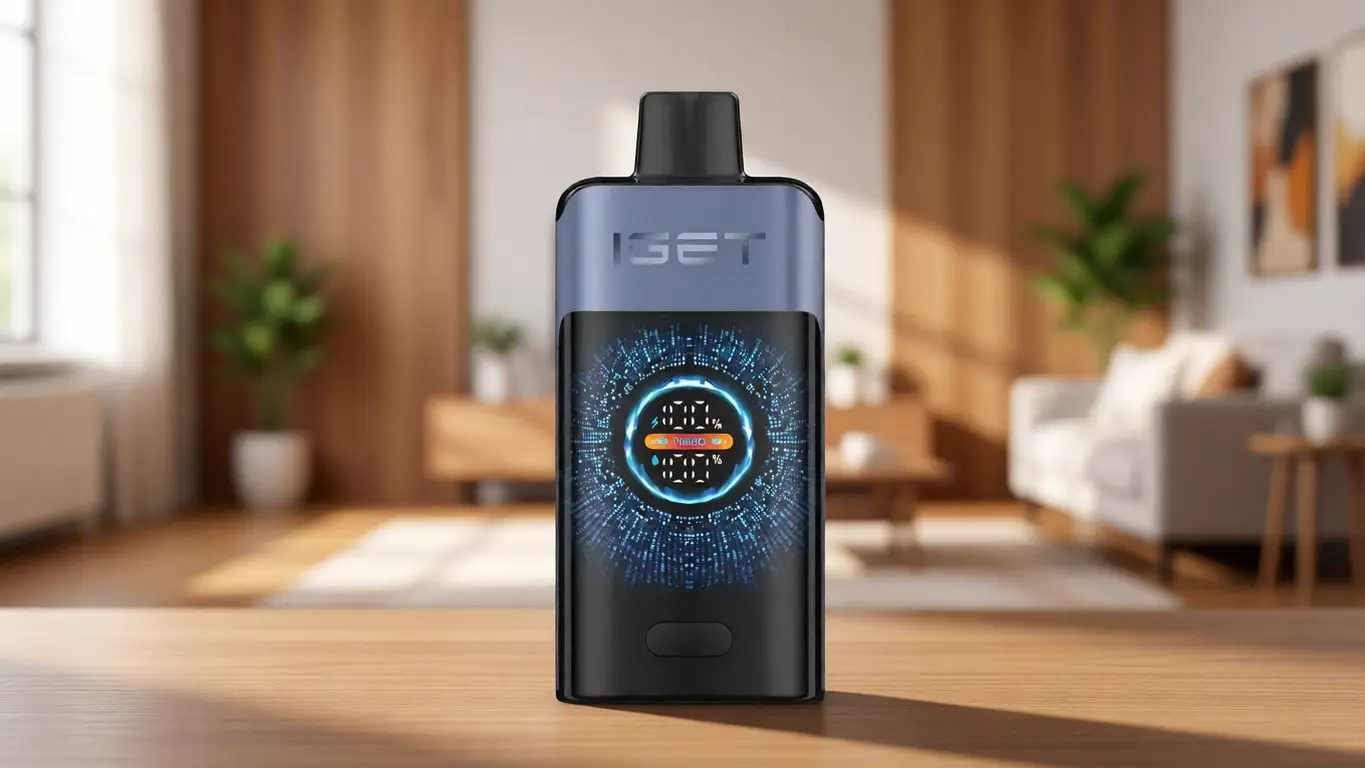
Sealed, pre-filled, non-refillable devices — such as those in the ALIBARBAR INGOT or Ice Adjust series — remove this ambiguity entirely. Because the liquid content is factory-sealed within the device and cannot be accessed without destroying the unit, it falls outside the scope of the liquid restriction in most jurisdictions. This does not mean you can ignore all rules; it simply means that the screening challenge shifts entirely to the battery component, which is the simpler problem to solve. Travelers who carry refillable systems and separate liquid bottles face a more complex compliance burden and a higher probability of secondary inspection.
What Scanners Are Actually Detecting
Security scanners are designed to identify dense, metallic, organic, and inorganic materials in layers. The battery appears on the scan as a dense, geometrically regular object with metallic terminals. The liquid, if present in a separate container, flags as an organic mass. The device’s overall shape may prompt a secondary check if it resembles an item of concern — but trained officers see hundreds of these devices daily at major airports. They are not looking for adult personal electronic devices specifically; they are looking for anomalies.
A well-maintained device packed with terminals protected (no loose change, keys, or other metal objects that could short the contacts) will rarely create a problem. If a bag is pulled, the officer typically swabs the device for explosive residue, checks the battery integrity, and returns it. The scenario you want to avoid is a device whose battery exceeds limits, whose liquid component is non-compliant, or whose condition suggests past damage — any of which gives the officer a legitimate reason to confiscate.
Applying the Rules to the Devices People Actually Carry
The regulations are universal, but the way they intersect with different device architectures varies significantly. Recognizing your own device type will help you anticipate what the screening experience is likely to involve.
Sealed All-in-One Units
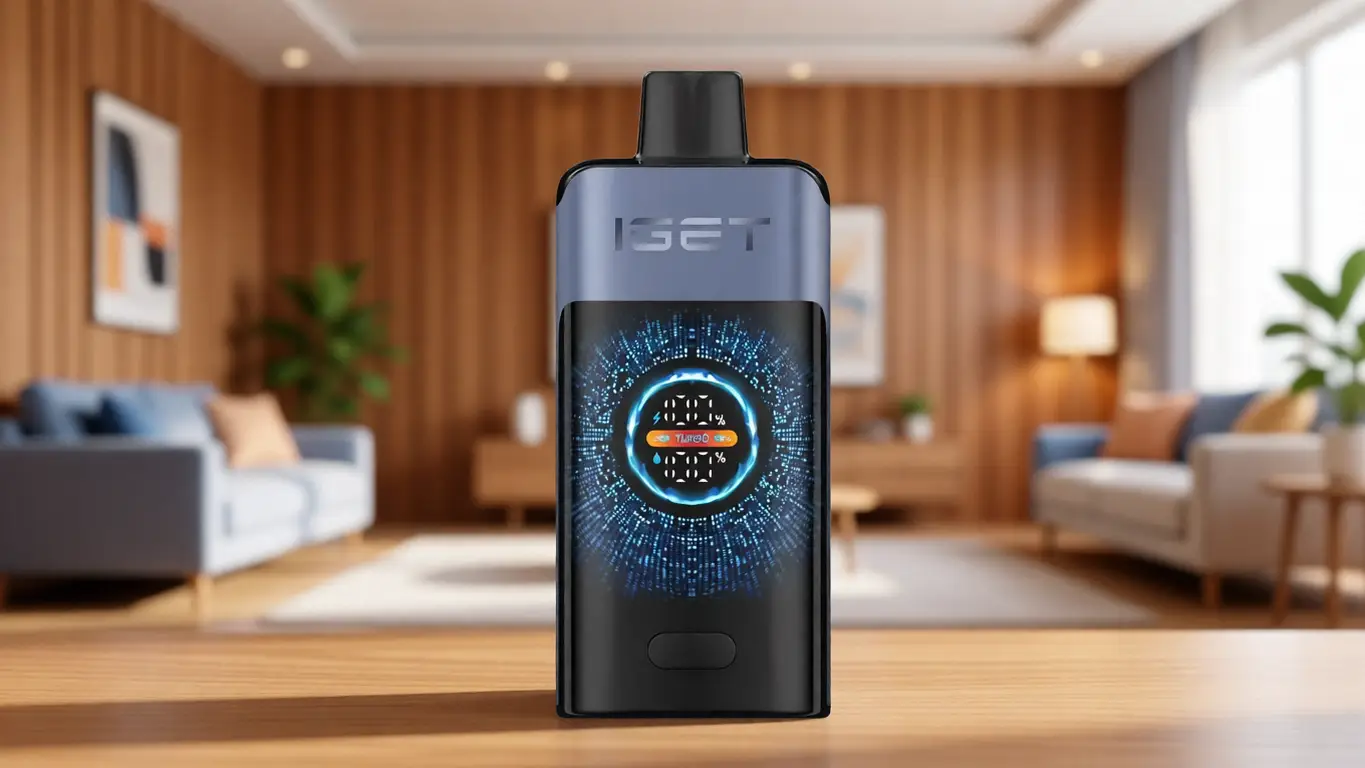
These are devices that arrive factory-filled, pre-charged, and require no user maintenance. They combine the power cell, heating element, and consumable content into a single, non-separable enclosure. Examples include the ALIBARBAR INGOT 9000 and Ice Adjust 12000. From an airport security perspective, their travel profile is straightforward: one item containing a lithium battery, no separately declared liquid, no user-serviceable parts that could raise concerns about tampering. The battery capacity is fixed and documented, making compliance easy to verify beforehand. Pack these in your carry-on, ensure the device is off (if applicable) and terminals are covered, and they will pass through screening in the vast majority of airports without incident.
Refillable Pod and Tank Systems
These devices separate the battery/housing module from a replaceable liquid reservoir. The battery module alone is treated like any other lithium-ion electronic device. The reservoir — whether empty, partially full, or attached — introduces a liquid element. If you carry spare pods or a bottle of liquid, those must comply with the 100ml rule. If you travel with a pod already attached, the device is still a single electronic item, but the presence of visible liquid can trigger a manual inspection in jurisdictions where officers are instructed to scrutinize any liquid not in a transparent bag. The real-world advice is to detach the pod, place it in your liquids bag if it exceeds 100ml, and carry the battery module separately through the scanner.
Large Modular Devices (Advanced Mods)
Devices with removable 18650, 20700, or 21700 batteries require heightened diligence. Loose batteries must be carried in protective cases to prevent short-circuiting — never loose in a pocket or bag. If the device holds multiple batteries, you must be able to demonstrate its rated watt-hour total. And because these devices often allow user adjustment of output power, they may attract additional scrutiny simply because the components look less familiar to an officer accustomed to sealed consumer electronics. The key is preparation: know your battery specs, carry a printout if traveling internationally, and pack the device conspicuously, not buried under a tangle of cables.
A Practical Checklist for Air Travel
Taking the time to work through a structured pack list eliminates the improvisation that causes problems at the screening point. Use the following as a departure checklist:
Verify battery capacity: Confirm the Wh rating of every device you plan to take. If it exceeds 100Wh, airline approval is required.
Pack devices in carry-on only: Do not place any lithium-battery-containing device in checked luggage. Disable the device’s activation mechanism if possible.
Protect terminals: For devices with exposed battery contacts (mods with removable cells), use dedicated battery cases or tape over the terminals with non-conductive tape.
Separate liquids if necessary: Any refill liquid or spare pod exceeding 100ml must stay home or go into checked luggage in checked-baggage-appropriate containers (subject to airline hazmat policies). Pods under 100ml can go in your clear plastic bag.
Research destination regulations: A device completely legal for carry-on at your departure airport may be banned from import at your destination. Check the local laws of every country you will enter, including transit nations.
Be prepared for manual inspection: Place the device in a separate tray at security if the checkpoint instructs passengers to remove electronics larger than a mobile phone. A calm, cooperative attitude avoids escalation.
Common Travel Errors and What They Reveal About Industry Misunderstanding
Observing how users get into difficulty at airports reveals patterns that trace back to wider market misconceptions. Recognizing these can save you time and property.
Assumpting All Devices Are Treated Equally
A sealed, factory-filled device from a recognized manufacturer and a home-assembled mod running unknown batteries are not the same thing from a security standpoint, even if they serve the same adult use. The sealed unit is a known quantity: its battery is fixed, its liquid is inaccessible, and its packaging often includes regulatory markings. The mod, meanwhile, depends entirely on the user’s judgment. Travelers who do not appreciate this distinction often pack a complex device as casually as a simple one and are surprised by the resulting inspection. The industry’s move toward standardized, factory-sealed units is, in part, a response to this exact travel friction.
Overlooking Destination Bans Entirely
Some countries and regions — including parts of Southeast Asia, the Middle East, and certain European jurisdictions — have enacted outright prohibitions on the import of personal electronic inhalation devices. The legal language is often broad and catches sealed units, refillable kits, and even components. A device that passes security at Sydney Airport without issue may be confiscated upon arrival in Singapore, where e-cigarettes are banned. No amount of clever packing solves a destination ban. Research before you book the ticket; if in doubt, do not travel with the device.
Packing Spare Units in Checked Bags
A surprisingly persistent error is the assumption that “spare” devices, especially unopened sealed units, can go into checked luggage because they are not in use. As explained above, the restriction targets the lithium battery regardless of whether the device is active. A spare device in a suitcase is still a lithium battery in a cargo hold, and it will be removed if detected. The airline may also impose penalties for undeclared dangerous goods.
Confusing “Disposable” with “Unregulated”
The term “disposable” is a market category descriptor, not a regulatory designation. A sealed, non-rechargeable device is still subject to lithium battery transport regulations. The fact that it is discarded after its rated life does not exempt it from carry-on requirements. Users who internalize the label literally may believe the device is less regulated, which is not the case. From a compliance perspective, a sealed ALIBARBAR unit is handled no differently than a rechargeable pod kit: both are lithium-battery-powered electronics that stay in the cabin.
Frequently Asked Questions
Q: Can I bring a vape through airport security?
A: Yes, provided the device meets lithium battery safety rules, is packed in carry-on luggage, and any separate liquid components comply with the 100ml restriction. Security officers are concerned with battery and liquid safety, not with the device’s specific adult use purpose.
Q: Does the vape need to be removed from my bag at the scanner?
A: In many airports, electronic devices larger than a smartphone must be placed in a separate tray. If the checkpoint makes such an announcement, place the device in a tray alongside your phone and laptop. When no announcement is made, follow the general electronics policy of the screening point.
Q: Will a sealed disposable device be treated like a liquid?
A: Generally not. Because the liquid is inaccessible within a sealed enclosure, it is treated as part of the electronic device rather than a separate liquid container. This applies to factory-sealed units such as the ALIBARBAR INGOT series. However, the final determination rests with the screening officer, so cooperative presentation helps.
Q: Can I pack spare pods or liquid bottles in my checked luggage?
A: Some airlines allow liquid bottles in checked baggage, but pods containing liquid may leak or rupture due to pressure changes. Additionally, in jurisdictions where liquid nicotine is classified as a hazardous substance, it may be prohibited from checked luggage as well. Check the airline’s dangerous goods policy explicitly. Devices themselves with built-in batteries may never go in checked luggage.
Q: What happens if security finds a prohibited liquid container?
A: The container is typically confiscated and disposed of. You are not normally subject to further penalty unless the liquid volume is so large that it triggers a referral, or the liquid tests positive for banned substances. The loss of an expensive liquid bottle is the most common outcome.
Q: Are there airlines or airports that ban all vapes completely?
A: Yes. Some carriers — particularly in the Middle East — prohibit the carriage of all e-cigarettes and personal inhalation devices, even in carry-on bags, as a matter of company policy beyond government regulation. Additionally, certain Indian and Thai airports enforce national bans rigorously. Always check the policies of the airline you are flying, not just the airport security agency.
Q: Do I need to declare the device at customs?
A: If you are arriving in a country where personal electronic inhalation devices are legal and you are carrying one for personal use, you generally do not need to declare it. If you are carrying multiple units that could be considered commercial quantities, or if the destination country imposes duty on such items, declaration may be required. Research the specific customs rules of your destination.
Q: How can I confirm the battery capacity of my device before flying?
A: Manufacturers list battery specifications in the product documentation. Authorized retailers like OZVAPE Shop publish these specs on product pages, allowing you to verify the mAh and Wh ratings before you pack. If you cannot find a reliable specification, treat the device as uncertain and consider leaving it behind.
Q: What should I do if my device is confiscated at an international connection point?
A: Request a written receipt or a confiscation notice from the security authority if they will provide one. The device is almost certainly unrecoverable. In future, avoid routing through connection airports in jurisdictions with strict bans even if you are only transiting airside.
Q: Are there any devices specifically designed for easier air travel?
A: No device is designed for the purpose of passing security, but factory-sealed units with documented battery capacities, no separate liquid handling, and single-piece construction minimize the variables that cause inspection delays. The ALIBARBAR Ice Adjust 12000, for example, presents as a single electronic item with an integrated power cell, which simplifies the screening interaction.
The Right Preparation Trumps the Wrong Assumption
The question “can a vape go through airport security?” has a conditional answer, and the conditions are almost entirely within your control. The framework of global aviation safety is not hostile to personal electronic devices — it is hostile to lithium-ion batteries in cargo holds and unverified liquids in the cabin. When you understand that distinction, you see the airport checkpoint not as a lottery but as a process with a clear logic.
Devices that are sealed, self-contained, and built to documented specifications travel predictably. Devices that require user assembly, carry indeterminate battery credentials, or rely on separate liquid bottles travel less predictably. The difference in outcome is rarely caused by officer discretion; it is caused by the hardware itself and how well its owner has prepared.
OZVAPE Shop maintains a catalogue of ALIBARBAR products with openly published specifications, which serves as a practical tool for any adult user who wants to verify compliance before packing. The true value of that information is not commercial — it is the reduction of the small, nagging anxiety that accompanies uncertainty at the screening point. When you know your device’s battery capacity, its liquid status, and the rules that apply to it, you are no longer hoping for a smooth passage. You have arranged one.