
VAPE FAQs
Are Vape Detectors Real?

Oct
Are vape detectors real? The question surfaces repeatedly in online forums, school board meetings, and workplace policy discussions. It is often accompanied by a mix of skepticism and genuine unease. Some people dismiss the idea as surveillance overreach or marketing fiction. Others have encountered devices that seem to react to something in the air and want to know whether the technology behind them is legitimate, accurate, and something they should factor into their daily routine. At OZVAPE Shop, we believe that understanding the environment in which personal electronic devices are used is as important as understanding the devices themselves. This article provides a factual, engineering-focused look at aerosol detection technology, its current capabilities, and its practical implications for adult users who value informed choice.
What Vape Detectors Are and How They Function
The term “vape detector” describes a category of environmental sensors engineered to identify the byproducts of an electronic heating element operating on a liquid formulation. These are not magic boxes; they are integrated systems that combine particulate sensing, chemical analysis, and sometimes pattern recognition to distinguish one type of airborne event from another.
Particle-Based Detection
Many commercial detectors rely on laser-scattering particulate sensors, similar to those in standalone air quality monitors. When a user exhales, the aerosol sharply increases the concentration of sub‑micron particles in the immediate vicinity. A detector samples the air, measures the particle count and size distribution, and compares the signature to known profiles. High‑humidity events — a shower, a kettle boiling — produce different particle signatures and are generally filtered out by the software. However, this is not foolproof. A poorly calibrated unit can trigger on dust from a bag of chalk or a fog machine, which is why facilities rarely rely on particle sensing alone.
Chemical Signature Analysis
More sophisticated detectors incorporate metal‑oxide semiconductor sensors or electrochemical cells tuned to specific compounds commonly found in the exhaled aerosol. Propylene glycol and vegetable glycerin, the primary carrier liquids, have distinct chemical fingerprints. When a sensor detects a rapid rise in these compounds alongside the expected particulate burst, the confidence in a positive detection increases considerably. The best units combine both modalities and use a simple logic gate: if both the particle threshold and the chemical threshold are met within a tight time window, log an event. If only one trips, flag it for review.
The Limits of Audio and Video Systems
There is a common misconception that microphones or cameras can “detect” aerosol use. Certain software platforms marketed to schools claim to analyze audio for the sound of an inhale or the click of a button. In practice, the false‑positive rate is too high for automated enforcement, and most deployments use these as supplementary triggers that direct a human operator to review footage. A sound‑only system in a noisy hallway is not a reliable vape detector, and it would be misleading to describe it as one.
The core takeaway is that multi‑sensor detectors are real, they are in active deployment across educational and corporate environments, and they can generate an alert when someone uses a personal electronic device in a monitored space. Their accuracy, however, is highly dependent on placement, calibration, and the specific device being used. A unit mounted too close to a ventilation grille will miss events; a unit that is never recalibrated will drift into irrelevance.
Where Detectors Are Used and Why Accuracy Matters
Vape detectors are primarily installed in locations where the operator has a legal or contractual obligation to maintain a certain air quality standard and where discreet use might otherwise go unnoticed. Schools are the most publicized example, but the technology is also present in government buildings, aircraft lavatories, hospital wards, and some corporate offices.
The Data Behind a Detection Event
When a detector triggers, it does not produce a photograph or a name. It generates a timestamp and a sensor reading. For that to become an actionable incident, a person in authority must review the log, correlate it with door access records or camera footage, and make a judgment. This human‑in‑the‑loop architecture introduces both a safeguard and a vulnerability. It prevents fully automated accusations, but it also means that a determined search can pair a detection log with other surveillance data to narrow down the individual.
False positives are the greatest operational weakness. Steam from a dishwasher, a burst of aerosol from a cleaning product, or even a particularly humid day can overwhelm a single‑criterion sensor. Facilities that have moved to dual‑criterion detectors report significantly fewer false alarms, but the problem is not fully solved. For an adult who is not using a device, the risk of being wrongly associated with a detection event is small but not zero, especially in an environment where incident logs are not publicly available and there is no way to contest the machine’s reading.
The Environment Dictates the Threshold
Detection sensitivity is adjustable. A device calibrated for a small, enclosed washroom will have a far lower triggering threshold than one in a large open‑plan office. This means that the same personal electronic device could trigger a detector in one room and go entirely unnoticed in another. The variable is not the device alone; it is the interplay of device output characteristics with the detector’s placement, airflow, and preset sensitivity.
Understanding this interplay helps explain why blanket statements like “detectors catch everything” or “detectors are easy to fool” are both inaccurate. The reality is more nuanced, and a user who knows the technology’s operational principles is better equipped to navigate spaces where such sensors are present.
How Device Design Factors Into Environmental Detectability
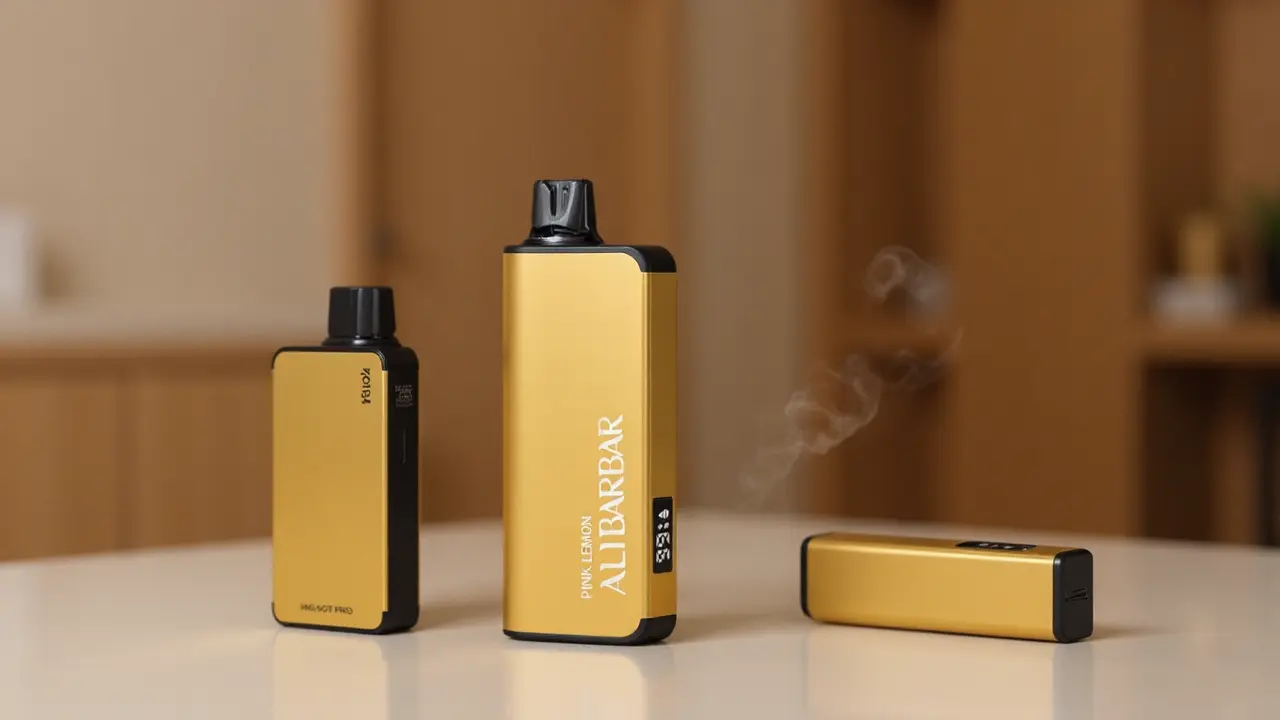
Although no responsible manufacturer designs a device with the explicit goal of evading environmental sensors, the engineering choices made at the hardware level inevitably influence the aerosol characteristics that detectors measure. This is where the ALIBARBAR product family, available through OZVAPE Shop, provides an instructive example of how consistent, documented design can help adult users make informed choices.
Output Consistency and Its Role
A detector is looking for a sharp, localized spike in particulate matter and specific aerosol constituents. A poorly engineered heating element that delivers erratic power output can produce an uneven aerosol concentration — sometimes a dense, lingering cloud, other times a faint wisp. Devices built around a precisely regulated power delivery system, like those in the ALIBARBAR INGOT series, generate a more consistent aerosol profile. This does not make them invisible to sensors, but it does mean the user can form a reliable mental model of how the device behaves in a given space. Predictability is a form of user control.
The Absence of Ambiguity in Status Feedback
Many off‑brand or poorly designed devices give the user no clear indication of when the heating element is engaged, how much power remains, or whether the unit is operating within its designed thermal envelope. This lack of feedback can lead to unintentional prolonged activation — a user who thinks the device is off when it is still cycling produces a much larger and more detectable aerosol mass than intended. Devices like the ALIBARBAR Ice Adjust 12000 that incorporate clear, unambiguous status indicators allow the user to operate the unit with intention, ending the session cleanly rather than trailing off. That intentionality is not about circumventing rules; it is about operating any electronic tool exactly as long as needed and no longer.
Physical Footprint and Surface Temperature
Some detection algorithms are designed to flag rapid localized temperature changes — the thought being that a warm device left on a desk could serve as a secondary confirmation. A device that manages its surface temperature effectively and uses materials that dissipate heat evenly, rather than concentrating it in a single hot spot, is less likely to draw the attention of thermal‑anomaly systems. The aluminum alloy chassis found in several ALIBARBAR models is a deliberate material choice that results in an even, predictably warm surface, not a single scalding point.
None of these design features are marketed as detection‑related; they are simply the result of thoughtful engineering aimed at durability, safety, and user satisfaction. The fact that they happen to align with a more controlled environmental footprint is a secondary benefit that informed users can consider.
A Practical Framework for Evaluating Personal Risk
If you are an adult who uses a personal electronic device and you know, or suspect, that you will be in a building equipped with aerosol detection sensors, you can take a structured approach to assessing the situation. This is not about encouraging rule‑breaking; it is about making rational decisions when the rules are unclear, inconsistently enforced, or based on technology you do not fully understand.
Step 1: Identify the Detector Type
If you can see the unit, look for a small black or white box mounted high on a wall or ceiling, sometimes with a tiny fan intake. Note the manufacturer name if visible. Search publicly available installation guides later. Multi‑sensor units from companies like HALO, 3D Sense, or Zeptive are the ones to take most seriously. If the device appears to be a standard smoke detector casing with no visible air intake, it is likely just a particulate sensor, and its false‑positive rate will be higher.
Step 2: Map the Airflow
Before drawing any conclusions about what will or will not trigger a detector, spend time understanding how air moves in the room. Does the ventilation pull air toward the detector or away from it? Is the unit mounted near a doorway where pressure differentials can sweep aerosol out of range? A simple tissue test can reveal the direction of airflow. A detector with strong air currents past its sensor will have a smaller effective zone than one placed in dead air.
Step 3: Know Your Device’s Characteristics
This is where buying from a source that publishes real specifications makes a difference. OZVAPE Shop maintains detailed, standardized product pages for every ALIBARBAR unit, including power profiles, heating element materials, and rated operational lifespan. If you know that your device operates at a specific power range and you understand how long a typical activation lasts, you can make an informed judgment about whether a given environment is likely to register the event.
Step 4: Check the Enforcement Policy
A detection alert in a high school bathroom often triggers an immediate hall pass review and a dean’s search. The same alert in a corporate wellness room might go to a building management dashboard that no one checks for a week. The detector is only one link in the chain. The actual consequence depends far more on the human enforcement protocol than on the sensor hardware. If you cannot find a written policy, ask. A transparent workplace will have one.
Common Misconceptions and Industry Observations
Beyond the simple “are they real?” question, several persistent myths surround vape detectors and their role in daily life. These myths create unnecessary anxiety or, conversely, a false sense of security.
Misconception 1: Detectors Can Identify the Exact Substance
Consumer‑grade aerosol detectors cannot perform chemical spectroscopy on the fly. They detect categories of compounds — propylene glycol, glycerin, nicotine salts, certain terpenes — but they do not distinguish one branded formulation from another, nor can they reliably separate nicotine from non‑nicotine carriers. A detector that triggers in response to a personal electronic device is not telling the operator what was in the device; it is saying that the air contained an aerosol consistent with that class of equipment.
Misconception 2: Air Purifiers Will Render a Detector Useless
A high‑CADR air purifier placed directly between the user and the detector will reduce the particulate count that reaches the sensor, sometimes enough to prevent a trigger. But in a room with multiple detectors or a central HVAC monitoring system, that local scrubbing does not eliminate the chemical signature that may be picked up downstream. Treating an air purifier as a reliable countermeasure is not supported by testing data and can lead to overconfidence.
Misconception 3: All Devices Leave Identical Signatures
There is a tendency to treat all personal electronic devices as interchangeable from a detection standpoint. The engineering differences are material. A unit with an aggressive, high‑wattage burst at the start of a draw will produce a more pronounced initial plume than one with a slower ramp‑up. A device that continues to discharge residual aerosol after the user stops actively drawing will extend the event timeline, giving a detector more sampling opportunities. These differences matter, and they explain why some environments see detection patterns that correlate with certain device types.
The Supply‑Chain Reality
From an industry perspective, the rapid growth in detector deployment has happened in parallel with, not in coordination with, the evolution of personal electronic devices. Detector manufacturers and device manufacturers do not consult one another. The result is a kind of technological arms race that neither side formally acknowledges. This dynamic makes it especially important for retailers to provide clear, accurate information. When a customer asks OZVAPE Shop whether a particular ALIBARBAR device will set off a detector, the honest answer is: “That depends on the detector, its settings, the room, and the usage pattern.” There is no universal guarantee, and any vendor that offers one is not being truthful.
Frequently Asked Questions
Q: Are vape detectors mandatory in Australian schools?
A: There is no national mandate requiring schools to install vape detectors. Individual state education departments and independent schools make their own decisions. Some have chosen to deploy them; many have not. Policy is set at the school or system level, not by federal law.
Q: Can a detector’s log be used as evidence against someone?
A: In a school context, a detector log alone is generally not sufficient for disciplinary action; it must be paired with a staff member’s observation or a review of security footage. In a workplace, if the use of such devices violates a clear policy, a log could form part of a performance management process. The evidentiary weight varies, but a timestamped sensor reading is rarely conclusive by itself.
Q: Does the ALIBARBAR INGOT 9000 have a smaller aerosol footprint than other devices?
A: The INGOT 9000 is designed for consistent, regulated output. It does not exhibit the erratic power surges that can produce unusually dense exhalations. However, all devices of this class produce an aerosol, and in a confined space with a sensitive, properly calibrated multi‑sensor detector, that aerosol is detectable. The difference is in predictability, not invisibility.
Q: Where can I find independent specifications for ALIBARBAR products?
A: OZVAPE Shop publishes a standardized specification sheet for every ALIBARBAR unit it stocks, including heating element type, rated power, material composition, and operational lifespan. These are not marketing claims; they are the same specifications that appear on the manufacturer’s datasheet and are available through our authorized supply chain.
Q: Is it legal to carry a personal electronic device in public in Australia?
A: Yes. Adult possession and use of personal electronic devices is legal in all Australian states, subject to the same restrictions that apply to tobacco products in enclosed public spaces and certain outdoor areas. The restrictions relate to where a device can be used, not to owning or carrying it.
Q: How can I tell if a room has a hidden detector?
A: Most legitimate detectors are not hidden; they are mounted visibly because their effectiveness depends on open air intake. A small unit with a grille or a lens on the ceiling is worth noting. If you are unsure, look for the manufacturer’s label or model number. Devices that are truly hidden — inside light fittings or behind panels — are uncommon due to cost and maintenance requirements.
Q: Do detectors record audio or video?
A: The sensor modules themselves do not. Some integrated systems combine a detector with a separate camera, but that is a distinct security camera with its own recording and retention policy. A pure aerosol detector captures particulate and chemical data, not images or sound.
Q: What should I do if I believe a detector falsely identified me?
A: If you are a student, request that the log be reviewed alongside the full camera footage for the time period in question. If you are an employee, ask for the calibration history of the unit. A device that has not been serviced in months is more likely to produce errors. Document your own location and activities at the time, and if possible, gather witness statements. A calm, factual approach is more effective than an emotional one.
Staying Informed Is the Only Reliable Defense
Vape detectors are real. They are not infallible oracles, nor are they trivial gadgets easily bypassed with clever tricks. They occupy the middle ground that most sensor technology occupies: effective within their design envelope, prone to error when pushed beyond it, and ultimately dependent on the policies of the people who deploy them.
For an adult who uses a personal electronic device, the most valuable asset is not a countermeasure; it is accurate information. Knowing how a detector works, understanding the specific device you carry, and being aware of the environment you are entering gives you the ability to make choices that align with both your preferences and your responsibilities. OZVAPE Shop provides that information not as a sales tactic but as an extension of a broader commitment to transparency. When you know exactly what your device does and how it does it, you are no longer operating on guesswork. That clarity matters, whether you are in a monitored space or not.
The right approach is not to fear the technology or to pretend it does not exist. It is to treat detection as one more variable in a landscape of informed, adult decision‑making — and to choose a device and a retailer that support that level of understanding.