
VAPE FAQs
Why Has My Vape Just Stopped Working?
Oct
You reach for your personal electronic device, expecting the familiar response, and nothing happens. No indicator light, no gentle warmth — just silence. It’s a moment of genuine frustration, and it rarely arrives with a warning. The immediate question, “Why has my vape just stopped working?” is entirely reasonable, yet the answer is never as simple as a single cause. A device is a small, tightly integrated system, and its sudden failure is almost always the result of a design decision made weeks or months before it ever reached your hand. Understanding what those decisions are, and how they play out in real-world use, turns a moment of irritation into an opportunity to choose products that respect your time and your routine.
At OZVAPE Shop, we’ve spent years studying the frustrations that adult users report — dead power cells, inconsistent output, ambiguous status indicators — and we’ve structured our entire catalogue, particularly the ALIBARBAR range, around eliminating them. This article lays out the engineering and design factors that most commonly lead to unexpected device stoppage. By the end, you will have a framework for evaluating any portable device, not just the one that let you down today.
Understanding What Matters: Core Engineering and Design Factors
A device that suddenly stops working isn’t typically cursed or unlucky; it’s revealing where its internal architecture gave up. Every unit is a controlled heating circuit, and failures cascade through four interrelated systems.
Internal Architecture and Output Consistency
At the centre of any vapour device is a heating element — a coil that must reach and hold a specific temperature to convert liquid into aerosol. Quality coils use oxidation‑resistant metals and are surrounded by wicking material that feeds liquid at a predictable rate. When either the coil degrades or the wick dries out, the device’s safety circuitry may prevent activation to avoid scorching or overheating. This is the most frequent reason a unit stops mid‑use, especially in sealed devices where the coil cannot be inspected or replaced.
A properly engineered architecture, like that found across the ALIBARBAR line, pairs a robust mesh coil with thermal‑regulation logic that monitors resistance in real time. This means the shutdown isn’t random — it’s a deliberate protective measure. The trade‑off is that if you’ve been pushing a device hard (long puffs, back‑to‑back sessions), it may declare a cooling‑down pause without a detailed explanation. More transparent designs will at least pulse an LED to signal the condition.
Power Management and Status Transparency
The most common culprit behind “it just died” is battery depletion. Yet not all lithium‑ion cells behave identically. A well‑managed power system gradually reduces output voltage and provides a visual warning — a changing LED colour, a digital percentage, or a series of blinks — long before total shut‑off. A poorly managed one might drop from apparent functionality to a complete stop in a matter of minutes, leaving no useful signal.
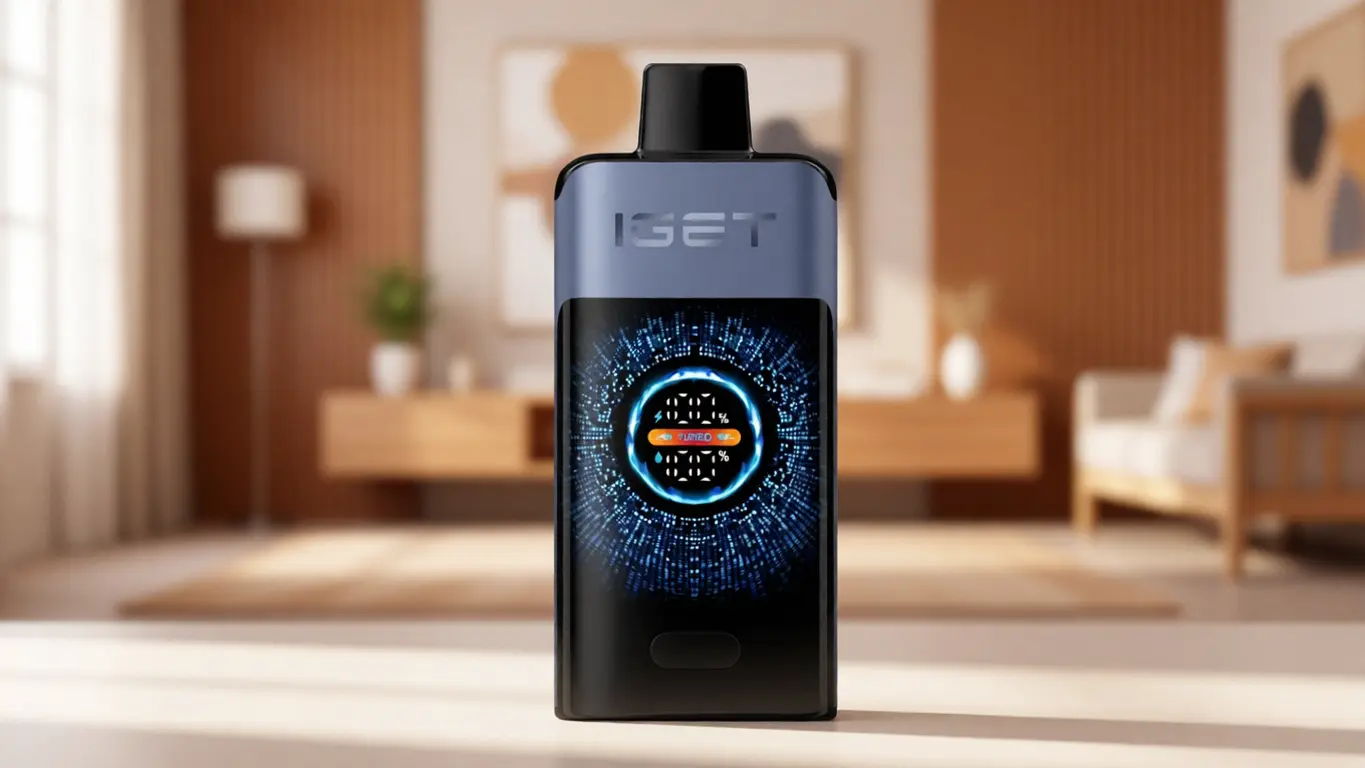
The ALIBARBAR INGOT 15000, for example, integrates a small digital display that reports remaining charge as a percentage. This transforms the user experience from one of guesswork to one of clear anticipation. Without such feedback, you are operating blind and will naturally compensate by carrying a backup device, adding cost and bulk. Status transparency is not a luxury; it’s a fundamental design parameter that determines whether a device interrupts your day or quietly becomes a paperweight.
Physical Design and Material Durability
Even a flawless internal circuit can be defeated by a clogged airflow sensor, a cracked mouthpiece, or a pocket full of lint. Devices with polished, high‑gloss finishes may look striking on a shelf, but they often show micro‑scratches after a week of pocket carry and can provide a less secure grip, leading to drops. ALIBARBAR’s aluminium alloy shells and machined edges are chosen specifically to maintain their surface integrity under daily use. The mouthpiece contour is also critical: a shape that sits comfortably between the lips while staying firmly in place reduces the chance of accidental drops.
Moisture ingress from condensation is another under‑discussed variable. A device with well‑sealed sensor ports and gaskets will survive humid environments or the occasional light rain far better than a unit with exposed seams. These physical details rarely appear in marketing copy, but they directly determine whether your device still works after a summer storm.
Modularity and Lifecycle Flexibility
Sealed disposable units represent a single point of failure: when the coil burns, the liquid runs out, or the battery reaches the end of its charge cycles, the entire unit becomes waste. Rechargeable systems with replaceable pods separate the power source from the consumable element. This modular approach means you don’t have to discard a perfectly good battery because a coil expired, and you only replace what’s actually depleted.
ALIBARBAR’s product family spans both sealed high‑capacity units and replaceable‑pod configurations. The INGOT 9000, for instance, is a sealed device optimised for those who want a grab‑and‑go tool with a very long runtime. The Ice Adjust 12000, meanwhile, introduces adjustable airflow control, which can extend coil life by letting you tailor draw resistance to your preference, reducing the strain that leads to early burn‑out. Understanding which architecture matches your daily habits is the single most effective way to avoid the “sudden death” scenario.
Applying These Criteria to Real‑World Options
None of the above principles exist in a vacuum; they show up in specific product decisions that you can evaluate before purchase. Take the ALIBARBAR INGOT 15000. Its digital battery readout eliminates the mystery of a random shutdown. The large e‑liquid capacity is paired with a mesh coil rated for extended use, meaning the coil is less likely to fail before the liquid runs out — a frequent mismatch in cheaper devices. However, the 15000 is physically larger and noticeably weightier than a slim disposable. If extreme portability is your absolute priority, you might choose the INGOT 9000 instead, accepting a simpler LED‑based charge indicator (green, blue, red) in exchange for a lighter pocket feel. You will need to monitor that LED more attentively, but the trade‑off is clear.
For users who want the most control, the Ice Adjust 12000 adds an airflow slider. This addresses a common failure mode: a fixed, overly tight draw can force the coil to overheat, while an overly loose draw may not activate the sensor reliably. Adjustable airflow lets you fine‑tune the interaction, which can meaningfully extend coil longevity and prevent the sensor‑triggering hiccups that cause a device to stop responding. Many alternative brands in the Australian market offer only fixed airflow, and that single omission can lead to more frequent early failures. It’s a small mechanism, but its absence is felt over hundreds of uses.
A Practical Framework for Evaluation
When you hold a potential replacement device in your hand — or scroll through its specifications online — run through this short diagnostic checklist. It applies to ALIBARBAR products and any competing device equally.
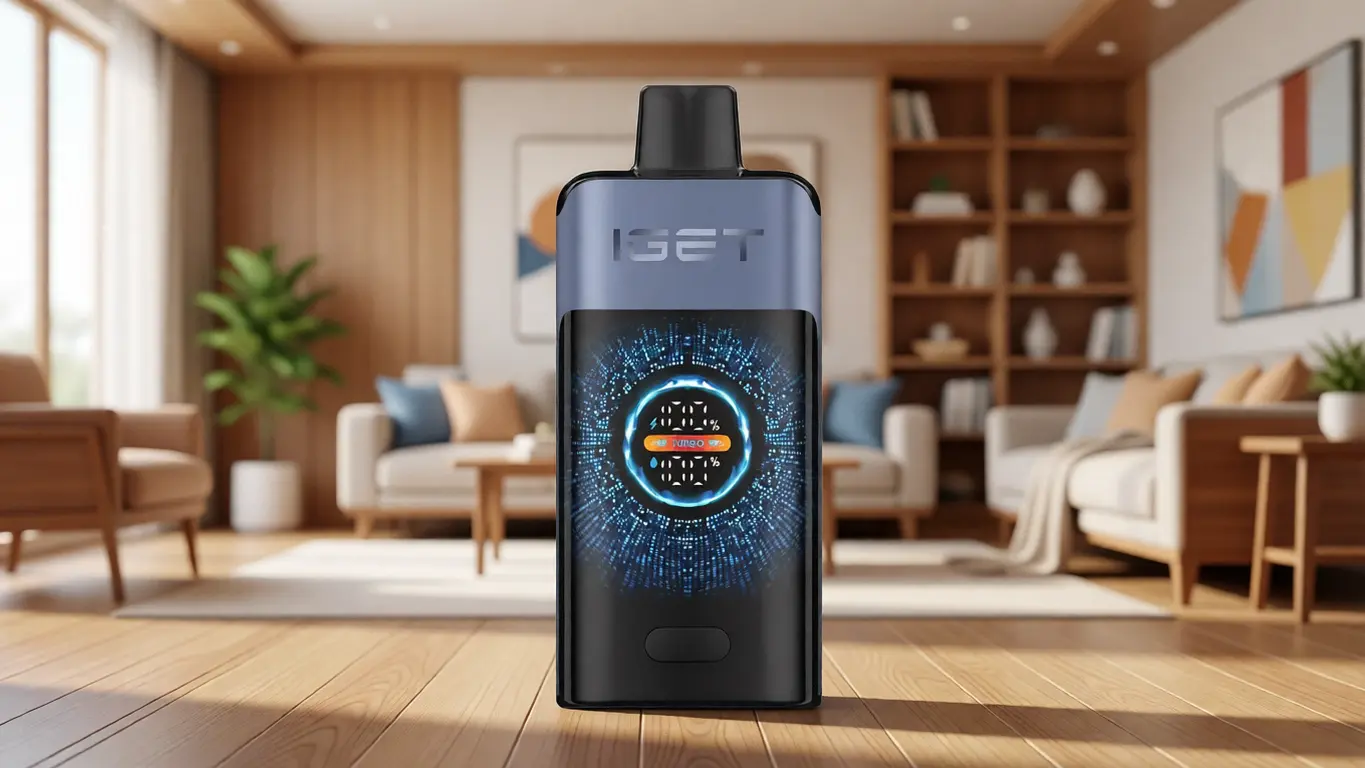
Does the device communicate its remaining charge precisely?
Look for a digital percentage, a four‑segment LED bar, or at minimum a multi‑step colour change. If the specification only mentions a single colour that “blinks when low,” you will be taken by surprise at some point. Plan to carry a backup.
Is vapour output consistent from the first activation to the last?
If reviews or product notes mention a gradual loss of intensity well before the liquid runs out, the coil is degrading faster than the wick can supply. That device will stop working prematurely. A robust design maintains output density until the very end of the e‑liquid.
Are any components user‑replaceable, or is the unit sealed?
Sealed units are convenient but unforgiving. If any subsystem fails, you replace everything. Modular systems let you swap out a pod when the coil burns, keeping the battery in service for months longer. Consider how many full devices you would otherwise go through in that time.
How does the device handle over‑current, short‑circuit, or over‑time use?
A good device will cut power protectively, but it will also signal the reason — often through a pattern of LED flashes. If the manual doesn’t explain what different flash patterns mean, the device is hiding critical information from you.
Can you find a complete specification sheet, not just puff count?
Battery capacity in milliampere‑hours (mAh), coil resistance in ohms, and recommended wattage range (if adjustable) are the real figures of merit. A product that advertises only puff count is asking you to trust an unverifiable estimate.
Common Selection Errors and Industry Observations
Adult users routinely undermine their own satisfaction by falling into a few specific mental traps. Recognising them is the fastest route to a device that doesn’t let you down.
1. Overweighting puff count while ignoring coil durability.
A device promoted as “12000 puffs” can easily contain a coil rated for only 6000 activations under real human puff durations. Once that coil carbonises, the device may still have liquid, but it stops. Nobody advertises a separate “coil puff rating,” so you have to infer it from the design: larger coil mass and mesh construction generally mean a longer useful life. If a specification looks unrealistically high for the physical size, it almost certainly is.
2. Assuming visual similarity equals equivalent internal engineering.
There are a limited number of aluminium shell moulds in circulation. You will see multiple brands using nearly identical exteriors, yet inside the battery chemistry, chipset calibration, and coil materials can differ dramatically. A device that costs less may use a simpler protection IC that cuts power abruptly under load, while a slightly more expensive unit (like an ALIBARBAR INGOT) uses a calibrated circuit that offers a gentle ramp‑down instead of a dead stop. The price difference is not cosmetic; it’s component‑level.
3. Ignoring environmental operating limits.
Lithium‑ion cells show reduced performance below 5°C and can trigger thermal cutoffs above 40°C. If you use a device while skiing or leave it in a hot car, a sudden shutdown is a safety feature, not a defect. Reputable manufacturers specify an operating temperature range; many cheap devices do not. Checking this range should be as routine as checking your phone’s battery health.
4. Confusing “lasted me a week” with a meaningful metric.
Total energy is measured in watt‑hours, calculated from mAh and average power. Two people saying “a device lasted me three days” could have drained 4Wh or 10Wh. Without normalising for usage intensity, you will inevitably mis‑predict how long your next device will live. That mis‑prediction is when “sudden failure” often hits — it wasn’t sudden, just miscalibrated expectations.
Frequently Asked Questions
Q: My device still shows liquid inside but won’t activate. What happened?
A: Most likely the heating coil has burnt or become flooded. If the wicking material is compromised, it cannot transfer heat effectively, and the safety circuit may block activation. In sealed units this is terminal.
Q: Can I shake or tap the device to make it work again?
A: Rarely helpful. Shaking might temporarily redistribute liquid onto a dry wick, but if the coil is degraded, the effect is momentary. Tapping can dislodge a loose battery contact, but you risk permanently damaging the internal wiring.
Q: Why does my device stop producing vapour even though the battery indicator is still glowing?
A: Two common reasons: first, the device may have entered a self‑protection pause after exceeding a puff limit within a short window. Second, an airflow blockage — often lint or condensation — can prevent the draw sensor from triggering. Cleaning the airflow inlet gently can sometimes restore function.
Q: Are all sudden stoppages a sign of a defect?
A: No. Many devices deliberately terminate power for over‑charge, over‑discharge, short‑circuit, or timed‑out activation. The difference is whether the device tells you what it’s doing. A flash code you can interpret is a feature; dead silence is a design gap.
Q: How can I tell before buying whether a device will give me a clear battery warning?
A: Look at the product images and specifications for a digital display, a multi‑step LED (e.g. green‑yellow‑red), or explicit “low battery alert” in the feature list. On OZVAPE Shop, each ALIBARBAR listing includes a close‑up of the indicator interface. If a listing is ambiguous, assume the device will not warn you.
Q: Does a higher puff‑count guarantee a longer total use time before failure?
A: No. Puff count is a standardised laboratory estimate. Actual activations before coil degradation or battery exhaustion vary with puff length, power setting, and ambient conditions. A device rated at 5000 puffs but built with a robust coil can outlast an 8000‑puff device with a fragile heating element.
Q: My device stopped working after I dropped it. Is it repairable?
A: Sealed units are generally not repairable. Internal components fracture, and opening the casing destroys the unit. If the device is modular (replaceable pod system), you may be able to salvage the battery by using a fresh pod. Otherwise, safe disposal and replacement are the only practical options.
Q: Can a device stop working simply because it sat unused for several months?
A: Yes. Lithium‑ion cells self‑discharge over time. If stored with a near‑empty battery, the voltage can fall below the protection circuit’s minimum threshold, permanently disabling the cell. Store devices with a partial charge and refresh them every few months.
Q: Is there a way to completely prevent sudden shutdowns?
A: No electronic device can be guaranteed against every failure, but you can drastically reduce the odds. Choose products with transparent status indicators, conservative coil specifications, and full technical documentation. Moderate your puff intensity and charge with a quality cable. Combine that with buying from a retailer that provides accurate usage guidance, and you move from reactive frustration to proactive confidence.
Bringing It All Together
When a device that was working moments earlier goes dark, the immediate instinct is to blame the unit. But in most cases, the breakdown is a logical consequence of specific engineering decisions — or a lack of them — that preceded your purchase by months. By learning to recognise robust internal architecture, transparent power management, durable physical construction, and life‑cycle flexibility, you stop being a passive recipient of failures and become an informed evaluator.
At OZVAPE Shop, we’ve organised the ALIBARBAR catalogue to make these qualities visible, not hidden behind puff‑count headlines. The right choice isn’t the device with the most attention‑grabbing claims; it’s the one that aligns with how you actually use it — whether that’s a pocketable INGOT 9000 that you can read at a glance or an INGOT 15000 that tells you exactly how much runtime remains. Reclaim control over your routine, and let sudden stoppages become a thing of the past.