
VAPE FAQs
Why Does Vape Hurt My Throat?
May
A sharp, scratchy sensation at the back of the throat — many adult users of personal electronic devices know the feeling. It’s one of the most common frustrations reported in forums, retail conversations, and casual discussions among those who use portable vaporizers daily. The discomfort can range from a mild tickle to a persistent soreness that makes continued use unpleasant, and it often arrives without warning, even from a device or liquid formulation that seemed fine the day before.
When a device hurts your throat, it’s rarely a sign that you’ve made a fundamentally wrong choice. More often, it’s a signal that one or more interacting factors — the power delivery, the liquid composition, the airflow geometry, or simply how you use the device — have drifted out of alignment. At OZVAPE Shop, we’ve built our product information around transparency because we know that understanding these variables is the only reliable path to a consistently comfortable experience. This article breaks down the engineering and physiological reasons behind throat irritation and provides a practical framework for resolving it, without resorting to guesswork or brand loyalty.
Understanding the Causes of Throat Irritation
Discomfort during use is not a single phenomenon. It might be a fleeting harshness on the inhale, a dry rasp that builds over several draws, or a delayed soreness that appears hours later. Each pattern points toward different root causes. By isolating the factors you can control — the device’s output characteristics, the liquid’s chemical profile, and your own inhalation behaviour — you can systematically eliminate most sources of irritation.
Nicotine Concentration and Its Physiological Impact
Nicotine itself produces a tactile sensation often described as a “throat hit” — the mild catch or warmth at the back of the throat that some users actively seek. However, when the concentration is higher than what the user’s tissues are accustomed to, or when the form of nicotine is particularly alkaline, that sensation can quickly become a sharp sting or persistent rawness.
Freebase nicotine, the form used in traditional high‑PG liquids, has a higher pH and tends to create a more pronounced throat impact. Nicotine salts, by contrast, are formulated with a lower pH that feels significantly smoother, even at comparable concentrations. This is why switching from a 20 mg salt formulation to a 12 mg freebase liquid can sometimes feel harsher, not milder. The device you use matters, too: a low‑power pod system may deliver nicotine salt almost imperceptibly, while a high‑wattage sub‑ohm device can make the same liquid feel aggressively sharp, because the increased thermal energy aerosolises a greater volume of nicotine‑bearing droplets per second.
The Role of PG/VG Ratios
Propylene glycol (PG) and vegetable glycerin (VG) are the two carrier fluids in virtually all commercially available liquids. PG is a thin, low‑viscosity substance that carries flavour efficiently and provides that familiar throat sensation. VG is thick, smooth, and almost tasteless, producing dense vapour but very little throat impact. The ratio between the two directly determines the baseline harshness of any inhalation.
Liquids with a PG content above 50 % can feel noticeably sharp, especially at higher power settings or for users with sensitive mucous membranes. A person who tolerates a 70/30 VG/PG blend comfortably might find a 50/50 blend harsh, even if the nicotine strength and flavour are identical. If you’re experiencing throat irritation and you’re unsure where to start, moving to a higher‑VG formulation is the single most effective variable to adjust first — before you change power, airflow, or nicotine level.
Device Power and Temperature Control
The relationship between electrical power and throat comfort is often underestimated. When a coil reaches a given temperature, the liquid is converted into a vapour stream. If that temperature is too high for the liquid’s composition, several things happen: lighter volatile compounds can degrade, producing acrid by‑products; the droplet size may become finer and penetrate deeper into the throat; and the sheer thermal energy of the inhaled stream can cause direct tissue irritation.
Devices that lack accurate wattage calibration can deliver unexpected spikes, especially as the battery depletes or when the coil resistance drifts with heat. Even a well‑designed device, if set to a wattage that exceeds the coil’s rated range, will produce harsh, hot vapour. Poor thermal management — insufficient airflow across the coil, wicking that cannot keep up — accelerates this effect, leading to localised overheating that burns liquid rather than aerosolising it cleanly.
Airflow Dynamics and Vapor Dilution
Airflow serves two functions: it cools the coil and it dilutes the vapour stream with ambient air before it reaches your throat. Devices with very restricted airflow tend to produce denser, warmer, and more concentrated vapour, which hits the throat with higher impact. Conversely, a wide‑open draw cools and dilutes the stream significantly.
What many users don’t realise is that airflow also shapes droplet size. Tighter airflow can increase the proportion of larger droplets, which deposit in the upper throat and create that scratchy, lingering sensation. A device that is engineered to produce a laminar, even airflow — rather than turbulent eddies — can deliver a smoother experience at identical power and liquid composition. This is an area where device architecture, not just a simple adjustment ring, makes a measurable difference.
Coil Condition and Wick Saturation
A coil that is nearing the end of its useful life, or one that has been allowed to run dry, will produce a recognisably harsh, burnt, or metallic note. The source is not the liquid but the breakdown of wicking material under high heat, or the deposition of caramelised residue on the heating element itself. Even a partially dehydrated wick — still producing visible vapour — can deliver a thin, scorched sensation that many users mistake for a throat hit.
Chain usage without pause between draws is one of the primary accelerators of this problem. The wick needs a brief interval to re‑saturate; without it, each subsequent draw starts with a drier substrate. Over time, this results in progressive throat irritation that seems to get worse as the session continues. Recognising the early signs — a slight change in vapour texture, a muted flavour — can prevent the experience from escalating into genuine discomfort.
How Device Engineering Can Mitigate Throat Discomfort
Understanding the causes gives you a diagnostic toolkit. But the device you hold in your hand determines how easily you can act on that knowledge. Some engineering choices actively reduce the likelihood of throat irritation, while others leave the user to manage discomfort through trial and error.
Precision Power Delivery
In lower‑cost devices, the power output can vary by 10–15 % from the nominal setting, either because of poor chip calibration or because the battery’s internal resistance changes under load. This inconsistency matters. A device that over‑shoots its target wattage by even a few watts can transform a normally smooth draw into an unexpectedly harsh one, particularly with nicotine salts or higher‑PG liquids.
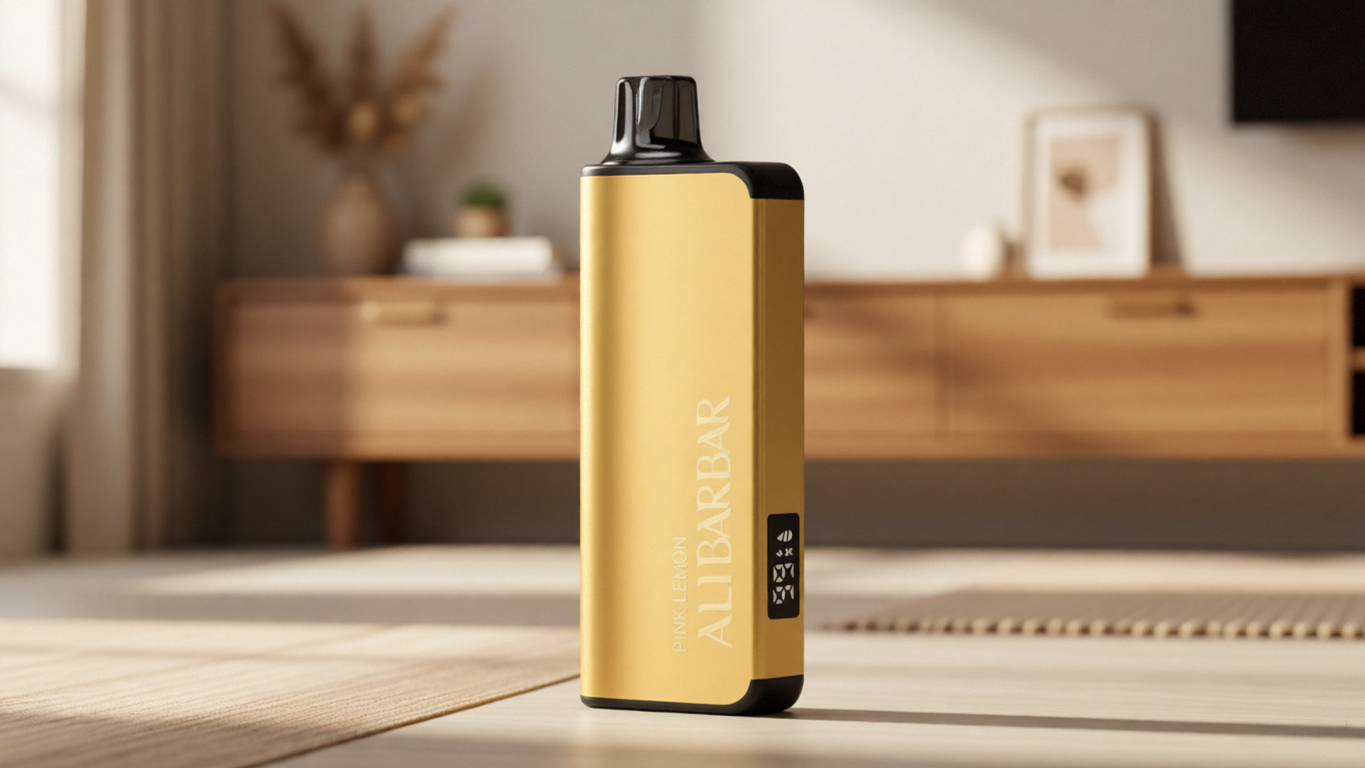
Units that feature constant‑output regulators maintain a stable power delivery regardless of battery charge level. This is not a luxury feature; for anyone sensitive to throat irritation, it is one of the most meaningful technical specifications a device can have. When selecting a device range — such as the ALIBARBAR family available through our platform — one of the first things to examine is whether the unit’s power curve has been validated across its entire battery cycle. Specifications that show a flat output line from full charge to near depletion indicate that the throat sensation you get on the first draw will closely match the one you get on the last.
Airflow Tuning and Chamber Geometry
How air enters the device, flows over the coil, and mixes with the vapour stream is governed not only by the size of the inlet ports but by the internal chamber shape. Tapered chimneys, smooth‑bore drip tips, and precisely positioned air inlets reduce turbulence. Turbulence causes vapour to shear into inconsistent droplet sizes and can create localised pressure changes that make the draw feel rough.
Several current‑generation devices, including the ALIBARBAR INGOT series, employ what their design team calls a “laminar airflow path.” In practical terms, this means the inhaled vapour arrives at the mouthpiece with a more coherent, less agitated stream, which many users experience as noticeably smoother on the throat. The difference is subtle on any single draw, but over a full day of use it compounds into a meaningful comfort advantage.
Material Selection and Mouthpiece Design
The mouthpiece is the final physical interface before vapour enters the body, and its material and shape can either dissipate heat or retain it. A thin‑walled plastic tip will absorb and transmit coil heat rapidly, feeling uncomfortably warm on the lips and tipping the sensory experience toward irritation. Medical‑grade silicone or thicker ceramic‑coated mouthpieces, designed with an understanding of thermal mass, stay cooler for longer and introduce no off‑flavours.
The contour of the tip also matters. A sharply tapered or narrow‑bore tip concentrates the vapour stream into a tight jet, increasing local impact on a small area of throat tissue. A wider, gently flared profile spreads the vapour across a larger surface area, reducing the intensity of sensation without altering the total vapour volume. These are small design decisions with direct consequences for long‑term comfort, and they are a hallmark of a device family that has been iterated with genuine user feedback in mind.
Applying This Knowledge to Product Selection
When you walk into a retail environment — physical or digital — the array of options can feel overwhelming. But if you approach the choice with a simple set of diagnostic questions, the right device almost selects itself.
First, ask: what nicotine formulation and strength do I intend to use, and what PG/VG ratio? If you prefer nicotine salts and a 50/50 or higher‑PG liquid, a lower‑power device with a coil rated for that viscosity will generally produce the least irritation. If you’re using freebase nicotine or high‑VG liquids, a unit with adjustable airflow and a well‑regulated power output will give you more control over the throat feel.
Second, examine the coil specifications. Mesh coils, which distribute heat more evenly than traditional round‑wire builds, produce a more predictable aerosol with fewer hot spots. A coil that can properly feed high‑VG liquid will prevent the dry, scratchy micro‑hits that accumulate into genuine soreness. Our ALIBARBAR catalogue, for example, documents coil architecture clearly for each model, because we know that these engineering details directly correspond to user comfort.
Third, consider the device’s lifecycle. A unit with a sealed, non‑replaceable coil forces you to replace the entire device when the coil degrades — and that degradation, as we’ve seen, is a major source of throat irritation. Devices with replaceable pods or coils let you maintain a fresh wick and heating element at a fraction of the cost, and they make it practical to change coils before irritation sets in rather than pushing through until it becomes unbearable.
At OZVAPE Shop, we structure our product information to make these comparisons straightforward. Each listing presents the device’s power characteristics, coil type, compatible liquid ratios, and airflow design in a standardized format. We do this not because it is required, but because we’ve observed that when users select a device based on these technical parameters rather than just flavour variety or aesthetic appeal, they report significantly fewer complaints about throat discomfort.
Common Selection Errors and Their Consequences
Even the best‑engineered device will disappoint if it’s used outside its intended operating window. Here are four patterns we have observed repeatedly that lead directly to throat irritation — and, just as often, to the user mistakenly blaming the device or the liquid.
1. Overweighting Flavour Variety While Ignoring Coil Compatibility
A liquid that tastes excellent at a specific wattage and airflow setting can become harsh if used in a device with a much higher or lower resistance coil. Flavour descriptions tell you nothing about how the liquid will feel in the throat under different thermal conditions. Before buying a high‑PG liquid for a sub‑ohm device, check that the coil’s wicking ports can handle thin liquids without flooding — and that you are prepared for the amplified throat sensation that combination produces.
2. Assuming All “Mesh Coils” Perform the Same
The term “mesh” describes a heating element geometry, not a uniform performance standard. Mesh coil quality varies dramatically in terms of the alloy used, the fineness of the weave, and the precision of the spot‑welds that attach it to the terminals. A poorly manufactured mesh coil can develop micro‑breaks in the surface that create uneven heating and produce acrid by‑products. Users frequently report throat irritation that disappears after switching to a coil from a different production batch or a manufacturer with tighter quality control. This is not a defect that any visual inspection will catch; it’s a supply‑chain discipline issue that only becomes apparent through prolonged use.
3. Using the Wrong Inhale Technique for the Device Type
Mouth‑to‑lung (MTL) devices are designed for a tight draw and gentle, cigarette‑style inhalation. Direct‑to‑lung (DTL) devices pull a high volume of air directly into the lungs, creating a large vapour cloud that cools rapidly. Attempting a DTL draw on an MTL‑optimised device starves the coil of cooling air and forces the user to inhale overly concentrated, hot vapour — a direct path to throat pain. The solution is not a different device but simply matching your draw to the device’s design. This mistake is so common that a significant fraction of irritation complaints resolve as soon as the user is shown the correct technique.
4. Neglecting Device Hygiene as a Source of Cumulative Irritation
Over time, condensed liquid residue builds up inside the mouthpiece, chimney, and air passages. This residue oxidises, thickens, and can harbour trace metals or degraded flavour compounds. Each subsequent draw pulls microscopic droplets of this stale material onto the throat lining. The resulting sensation is often described as a persistent, low‑level soreness that doesn’t spike with any single draw but accumulates throughout the day. Regular cleaning with a dry cloth or a quick rinse of accessible components (and allowing them to fully dry) can eliminate this source of irritation entirely.
Frequently Asked Questions
Q: Why does my throat hurt more in the morning after using my device the previous evening?
A: During sleep, salivary flow decreases and throat tissues can become mildly dehydrated. Residual vapour compounds that settled on the mucous membranes overnight may then produce a sharper sensation upon waking. Drinking water and waiting 20–30 minutes before first use usually resolves this.
Q: Can dehydration really make the throat sensation worse, or is that a myth?
A: It is well established that both PG and VG are hygroscopic substances — they draw moisture from surrounding tissues. If you enter a session already mildly dehydrated, the drying effect is amplified, and the throat’s natural protective mucus layer becomes thinner and more sensitive to irritants. Evidence is observational but consistent.
Q: Is menthol or cooling agent more likely to cause throat irritation?
A: For some individuals, certain cooling agents like WS‑23 can produce a subjective scratching sensation that is distinct from nicotine‐related throat hit. It is not an allergic reaction in the traditional sense, but rather a sensitivity to the specific trigeminal nerve stimulation. If you suspect this, try the same liquid without cooling agents to isolate the variable.
Q: How do I know if my coil is causing the irritation rather than the liquid?
A: Look for a gradual worsening of harshness over several days of use, combined with a flavour that seems muted or slightly burnt. A fresh coil of the same specification should return the experience to baseline. If the irritation disappears immediately after coil replacement, the old coil was the primary cause.
Q: Are high‑resistance coils always smoother than low‑resistance coils?
A: Not necessarily. A high‑resistance coil operating at a very low wattage produces less vapour and can feel smooth, but if the wicking is inadequate, it can still produce dry hits. Smoothness is a function of the entire system: coil surface area, wicking efficiency, power applied, and airflow — not resistance alone.
Q: Why do some devices of similar size feel so different on the throat?
A: Small differences in internal architecture — the distance from coil to mouthpiece, the diameter of the chimney, the presence of turbulence‑reducing features — produce perceptibly different throat experiences. Two devices with the same battery capacity and coil material can feel entirely different, which is why relying on specifications rather than visual similarity matters.
Q: Does the ALIBARBAR range include options specifically designed for minimal throat impact?
A: The ALIBARBAR development team has documented its focus on laminar airflow and consistent power delivery, both of which reduce unnecessary throat sensation. Several current models in the INGOT and Ice Adjust series are frequently selected by users who prioritise a smooth draw. The product listings at OZVAPE Shop include detailed specifications to help you match a model to your preferred liquid and draw style.
Q: What should I do if I try all the recommended adjustments and my throat still hurts?
A: Discontinue use and consult a healthcare professional. Persistent irritation that is not resolved by the variables discussed here may have an underlying physiological cause unrelated to the device or liquid. No troubleshooting guide can substitute for a clinical evaluation.
Q: Can switching to a device with replaceable pods reduce throat irritation long‑term?
A: Indirectly, yes. A replaceable pod system makes it economical to change the coil at the first sign of degradation, whereas a sealed unit often encourages users to push beyond the point where the coil begins to produce harsh, degraded vapour. The habit of replacing the pod on schedule itself reduces cumulative irritation.
Q: How can I verify that a retailer’s products are factory‑certified and not counterfeits that might use inferior materials?
A: Look for clear documentation of the supply chain, transparent manufacturer relationships, and a commitment to only sourcing through authorised distribution channels. At OZVAPE Shop, every ALIBARBAR unit ships with traceable authentication, and we publicly describe our sourcing standards. Counterfeit coils and liquids are a known source of unexpected throat irritation, so purchasing through a documented, accountable channel is a practical safeguard.
Returning Control to the User
Throat irritation from a personal electronic device is almost never a mystery. It’s a message — one that points toward a specific interaction between the power you’re applying, the liquid you’ve chosen, the coil’s condition, and the way air moves through the device. Reading that message effectively transforms discomfort from a frustrating dead end into a solvable problem.
The device matters because good engineering gives you consistent, predictable variables. The liquid matters because its composition sets the baseline for sensation. But the most powerful tool is knowledge: knowing which knob to turn, which parameter to adjust, and when to recognise that a coil has simply served its time. At OZVAPE Shop, we’ve built our entire information architecture around supporting that kind of informed decision‑making — because a retailer that disappears into the background once you have the right information is a retailer that has done its job properly. The next time you feel that scratch, pause and diagnose. The right choice for your throat is the one that matches how you actually use your device, not the one with the most eye‑catching packaging.