
VAPE FAQs
Why Does My Vape Make My Stomach Hurt?

Oct
It starts as a dull ache or a sudden cramp that leaves you questioning whether the last draw was a mistake. You are not alone in asking the question, and more importantly, you are not imagining the connection. The stomach discomfort some adults experience shortly after using a personal electronic device is a real, physical response — and it almost always traces back to a small number of well‑understood mechanisms. The good news is that once you identify the underlying cause, the solution is often simpler than you expect. What follows is not a collection of vague reassurances. It is a structured, technically grounded explanation of why the gut reacts the way it does and how careful attention to device engineering, usage patterns, and liquid composition can eliminate the problem. Where product‑level decisions make a measurable difference, those distinctions are explained plainly, without salesmanship. If you are reading this because you want to make an informed choice — rather than juggle half‑answers from forum posts — you will find the framework you need. For adults who prefer to source their equipment from a retailer that documents specifications and verifies supply chains, OZVAPE Shop has built its catalogue around transparency and traceability, but that is simply context; the real diagnostic work belongs to the device and the habits that surround it.
Understanding What Causes Stomach Discomfort: Engineering, Chemistry, and Usage
Stomach pain linked to device use rarely has a single trigger. In most cases, it is the product of several intersecting factors — how the device manages heat, how the liquid is formulated, and how the user interacts with both. By separating these layers, you can diagnose your own experience with confidence.
Internal Architecture and the Risk of Involuntary Ingestion
The most direct path from device to stomach is through the mouth. When a unit leaks, spits, or floods, even microscopic droplets of liquid can land on the tongue and be swallowed. The result is often a sharp, quick onset of nausea or stomach cramping. From an engineering standpoint, the difference between a device that protects against this and one that does not lies in three areas:
Seal integrity and coil chamber isolation. Poorly sealed coil housings allow condensation and unvaporised liquid to pool beneath the mouthpiece. On the next draw, that liquid is propelled upward. Devices with a raised, side‑mounted airflow path and multiple internal baffles, sometimes referred to as labyrinth‑style air channels, dramatically reduce this risk.
Wicking consistency. Over‑saturation occurs when the wicking material draws more liquid than the coil can efficiently aerosolise. This over‑wicking is more common in vertically oriented coil heads with large exposed cotton windows and no secondary feed control. You will recognise it as a gurgling sound followed by a sharp, peppery taste on the tongue.
Orientation‑independent design. A device that cannot tolerate being held horizontally or gently tilted is likely to release liquid into the air tube. If your routine involves pocketing the device between uses, a bottom‑fed, gravity‑dependent wicking system will frequently become the source of distress.
Why this matters: the stomach does not distinguish between a fine mist of aerosol and a tiny droplet of the parent liquid. Exposure to concentrated freebase nicotine or certain flavouring compounds on the gastric lining can rapidly trigger discomfort.
Power Management and Thermal Consistency
The relationship between electrical power and aerosol quality is often underappreciated. When a device delivers inconsistent voltage as its cell depletes, the coil temperature drifts outside the designed window. At lower temperatures, incomplete vaporisation produces larger droplets and carries unreacted liquid components deeper into the throat and stomach. At higher temperatures, thermal degradation of sweeteners and organic compounds generates aldehydes and other carbonyl by‑products that can be gastric irritants.
An engineered power management system — one that holds a near‑flat output curve until the cell is nearly exhausted — is not a luxury. It is a physiological safeguard. A device that does not tell you when its power is waning forces you to guess. Users who continue to draw after the vapour thins are effectively ingesting a mist of under‑treated liquid, often without realising it until the cramping begins minutes later.
The practical implication is simple: a device with clear, graduated status indicators or a regulated voltage output gives you the data you need to stop before stomach‑level exposure occurs. Without that transparency, the only alternative is to over‑carry and swap early, which for many adults is needlessly wasteful.
Physical Design, Airflow, and the Swallowing of Air
A less obvious but equally common contributor is aerophagia — the swallowing of air during a tight, restricted draw. When the mouthpiece is narrow and the airflow is heavily choked, users compensate with greater negative pressure. This draws not only vapour into the lungs but also forces air into the oesophagus and stomach. The result is bloating, cramping, and a sensation of fullness that many attribute to the liquid but is in fact mechanical.
Mouthpiece geometry matters. A slightly wider, gently tapered opening that promotes a relaxed, unforced inhale can substantially reduce the volume of swallowed air. Similarly, a device that allows the user to adjust the airflow to a comfortable resistance — rather than accepting a single, restrictive setting — puts the choice back in the user’s hands.
Material Durability and Chemical Stability
The materials used inside the device — the coil metal, the wicking substrate, and the internal sealants — all influence what reaches the stomach. Low‑grade stainless steel or nickel alloys can react with acidic flavouring compounds during long‑term contact, particularly in devices that sit for days between uses. Similarly, some organic cotton materials, if not thoroughly cleaned of residual processing agents, may off‑gas during the first several thermal cycles. While these effects are subtle and are not the primary cause of most stomach complaints, they can contribute to cumulative irritation in sensitive individuals.
A device family that specifies its coil metallurgy, uses medical‑grade silicone O‑rings, and isolates the wicking material from direct contact with the housing can reduce these low‑level exposures. This is not about marketing claims; it is about repeatable, documented sourcing.
Applying These Principles to Real‑World Device Choices
When you walk into a retail environment or browse an online catalogue, the problem is rarely a lack of options. The challenge is that two devices can sit side‑by‑side on a shelf, share a similar silhouette, and yet behave very differently once in use. The factors described above give you a lens.
Take, for example, a device built around a sealed pod system with an integrated coil. Many of these units rely on simple capillary wicking and offer no airflow adjustment. The user who takes long, slow draws on such a device may never experience an issue. But the same device in the hands of a user who takes multiple rapid pulls — building heat faster than the wick can resaturate — will quickly produce dry, overheated puffs that irritate the throat and stomach. The device works; the routine does not match the engineering.
By contrast, some device families have been consciously engineered to mitigate the ingestion risks laid out above. The ALIBARBAR INGOT series, for instance, incorporates a top‑filling sealed chamber, labyrinth airflow routing, and a regulated power‑delivery circuit that maintains steady output across the life of the cell. Those design decisions are not cosmetic. They directly address the four mechanisms that cause stomach pain: they keep liquid out of the mouthpiece, hold aerosol temperature stable, offer comfortable draw resistance, and use materials that are selected for long‑term stability. The same design philosophy is evident in the ALIBARBAR Ice Adjust 12000, which adds granular airflow control — a practical feature for anyone who has learned that a too‑tight draw leaves their stomach bloated an hour later.
This is not to say that other device categories are inherently problematic. Many refillable tank systems, when paired with appropriately selected coils and used by someone who understands wicking break‑in, can deliver a similarly trouble‑free experience. The difference is that such a setup demands active attention. For an adult who wants a consistent experience without building a mental log of priming rituals and battery‑voltage sag, a thoughtfully engineered, ready‑to‑use device that has already solved the critical fluid‑path and power‑stability problems is a pragmatic choice.
A Practical Framework for Evaluating Stomach‑Friendly Devices
If you would rather assess a device yourself than rely on anyone else’s recommendation, the following diagnostic checklist will serve you. It is designed to be applied before purchase, or in the first few minutes of use if you already have the unit in hand.
Mouthpiece and drip‑tip inspection. Does the tip feel narrow enough that you would need to purse your lips tightly? If yes, you are likely to draw air into your stomach. Look for a comfortably wide bore that supports a relaxed inhale.
Airflow transparency. Can you see or feel where the air enters the device? Can you adjust it? A device with no external airflow intakes and no adjustment mechanism leaves you guessing what is happening inside.
Leak‑resistance claims and the evidence behind them. Does the manufacturer describe a specific anti‑leak architecture — top airflow, labyrinth channels, a sealed coil base — or does it simply state “leak‑proof”? Genuine engineering is documented; marketing language is not.
Power output consistency. Review independent breakdowns or user feedback that charts performance over the device’s rated life. A flat output curve is, from a gastric‑comfort perspective, worth more than an extra day of runtime that degrades into cool, under‑vaporised hits.
Material disclosure. Does the packaging or product page list coil composition and wicking material? Medical‑grade components are not a requirement for safety, but their absence should prompt you to run the device through a full priming cycle and a few gentle first draws before deep inhalation.
Run through these five points with any candidate device, and you will filter out the overwhelming majority of units that contribute to stomach discomfort.
Common Mistakes That Turn a Minor Annoyance Into Persistent Pain
Even a well‑built device can cause issues if it is used in ways that work against its design. Below are the four patterns our network sees most often among adults who eventually reach out for guidance — patterns that are almost never included in quick‑start guides.
Overweighting nicotine strength while ignoring draw pace. A 20 mg/ml salt‑based liquid used in a low‑power pod device can provide a very different gastric load depending on whether the user takes one slow, mouth‑to‑lung pull every fifteen minutes or five successive, deep lung hits in under a minute. The stomach reacts to the total nicotine absorbed in a short window, not just the concentration. Slower pacing gives your gastric lining time to adapt; chain use overwhelms it.
Assuming visual similarity means equivalent internal engineering. The market is full of devices that share the same external form factor but use completely different coil assemblies. A translucent plastic pod in one device might contain a robust, anti‑flooding vertical mesh coil, while in another it houses a small, cotton‑wicked round‑wire coil that saturates unpredictably. Read the specifications, not just the external visuals.
Neglecting to purge and prime a new pod or coil. A dry wick will singe within the first second of activation. The burnt by‑products are gastric irritants. Every replaceable pod or coil needs a minimum of five minutes after filling before the first draw — and the first few draws should be short and gentle. Skipping that step and then wondering why your stomach hurts is a classic self‑inflicted error.
Confusing category terminology with technical performance guarantees. “Disposable,” “rechargeable,” “closed‑pod” — these are packaging convenience terms, not engineering certifications. A disposable device can still leak, overheat, and deliver hot, harsh aerosol. A rechargeable device can still have poor voltage regulation. Judge the device by its fluid‑path architecture and power management, not by the category label on the box.
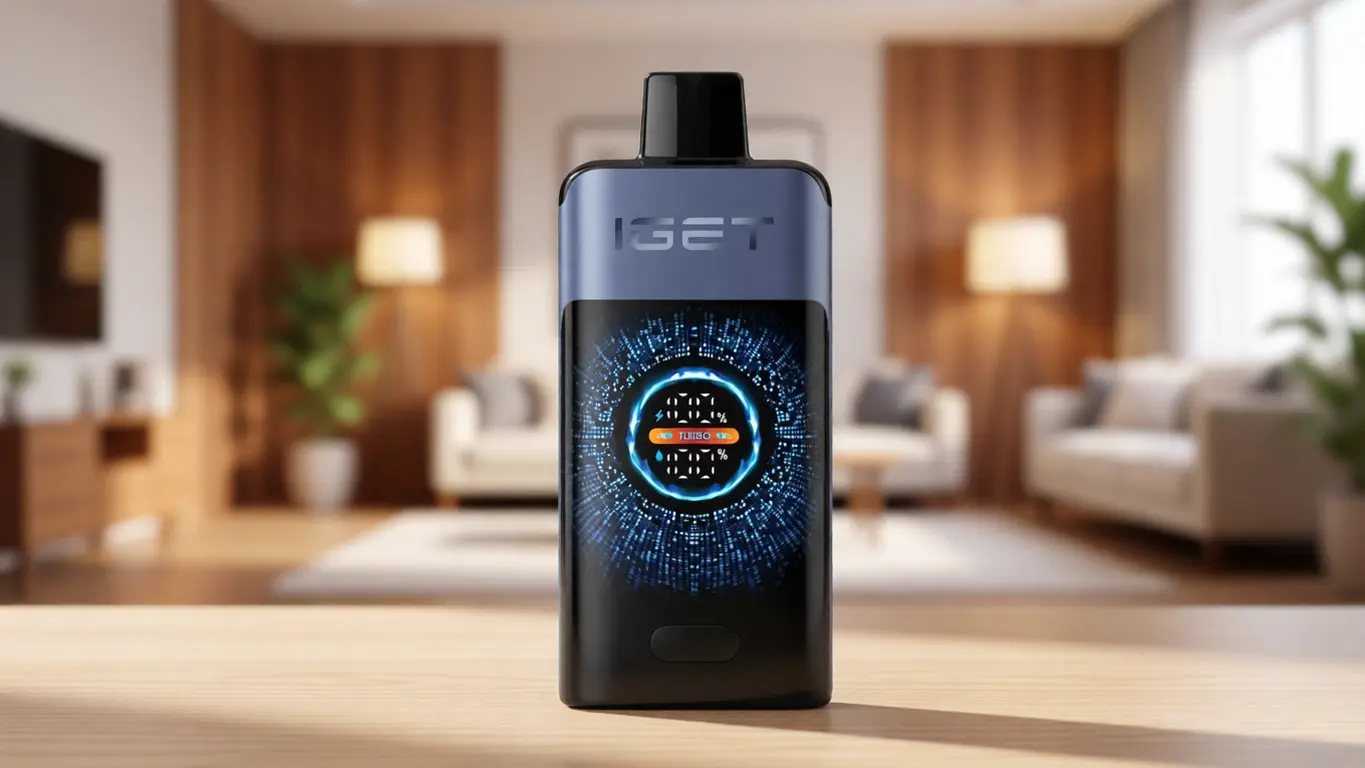
From an industry perspective, part of the problem is that the speed of product cycles outstrips the quality of user education. Manufacturers iterate quickly; retailers stock the new SKU; the average user is left to figure out the ergonomics without the benefit of comparative engineering data. That is a gap that informed sourcing — through a channel that provides detailed specifications and not just thumbnail images — can help close.
Frequently Asked Questions
Q: Why do I feel nauseous after only a few draws, even when the device seems to work fine?
A: The nausea is likely caused by swallowing micro‑droplets of liquid or by absorbing a high dose of nicotine too quickly. Check for spitback or gurgling, and try slowing your draw frequency.
Q: Can vaping on an empty stomach make the pain worse?
A: Yes. An empty stomach intensifies the gastric effects of ingested nicotine and certain aromatic compounds. Eating a small meal or snack before use often reduces sensitivity.
Q: Is it the PG or VG in my liquid that is causing stomach cramps?
A: Both can contribute but through different mechanisms. Propylene glycol (PG) is a known gastric irritant at high concentrations; vegetable glycerin (VG) can draw water into the bowel and cause bloating when swallowed. If you suspect a sensitivity, try a different PG/VG ratio and monitor the response.
Q: How do I know if my device is leaking internally, even if I don’t see liquid?
A: A consistent gurgling sound, reduced vapour production, and a sharp, peppery taste on the tongue are the most reliable indicators. Internal leakage often remains hidden until it reaches the mouthpiece.
Q: Can a burnt coil cause stomach pain?
A: Indirectly, yes. A burnt coil produces acrid thermal decomposition products that can irritate the stomach lining once condensed and swallowed. If your vapour tastes burnt, stop using the device immediately and replace the pod or coil.
Q: Are some device types less likely to cause stomach discomfort than others?
A: Devices with regulated power output, top airflow anti‑leak architecture, and adjustable airflow generally produce a more stomach‑friendly experience because they minimise ingestion of liquid and reduce swallowed air. Sealed‑pod units with these features are often more predictable than open‑tank systems in the hands of less experienced users.
Q: What should I do if I frequently get a stomach ache after using my device?
A: First, assess for the mechanical signs: leakage, gurgling, overly tight draw, or chain‑use patterns. If those are absent, consider reducing nicotine concentration or switching to a liquid with fewer flavouring additives. If symptoms persist, discontinue use and consult a medical professional to rule out underlying gastric sensitivity.
Q: Does nicotine itself directly irritate the stomach?
A: Yes. Nicotine is a stimulant that increases gastric acid secretion and gut motility. This effect is dose‑dependent, so higher intake in a short period can produce cramping and nausea even without any liquid ingestion.
Q: Are refillable pod devices safer for the stomach than pre‑filled disposables?
A: Not inherently. Stomach safety depends on the specific engineering of the fluid path and power regulation, not whether the user fills the tank. Some refillable pods leak badly; some pre‑filled devices are exceptionally well‑sealed. Evaluate each unit on its own design merits.
Q: Can the airline pressure change during a flight make my device leak and cause stomach problems?
A: Yes. Cabin pressure changes can force liquid through the wicking system and into the mouthpiece. If you travel frequently, choose a device with a multi‑barrier leak‑resistant design and store it upright during ascent and descent.
Conclusion
The stomach ache that follows a few draws is rarely a mystery, and it is almost never something you simply have to tolerate. It is a signal. Most of the time, that signal points to a preventable mechanical cause: a device that is allowing liquid to reach your mouth, delivering inconsistent heat, forcing you to swallow air, or exposing you to thermal breakdown products. Once you learn to read those signals — and once you know which engineering features interrupt them — the discomfort stops. The right device for you is the one that matches your actual daily rhythm, not the one with the most attention‑grabbing headline on its box. For adults who want to be certain that the unit in their hand is built to the standards discussed here, a catalogue that documents each product’s architecture, materials, and output profile provides a more reliable starting point than guesswork. OZVAPE Shop is structured around that exact philosophy, but the real advantage belongs to the person who walks into any purchasing decision with a checklist in mind and the confidence to ask the right questions.