
VAPE FAQs
Why Does My Vape Give Me Heartburn?
May
It starts unexpectedly. You finish a session, set the device aside, and within minutes a familiar, unwelcome warmth rises behind your breastbone. For a growing number of adult users, heartburn has become the unspoken companion to an otherwise routine part of the day. Yet the connection is rarely examined with the clarity it deserves. At OZVAPE Shop, we have noticed that when people search for answers, they are often met with vague speculation or outright dismissal. This article takes a different approach: it is a structured, technically grounded analysis of why a vaping device can trigger acid reflux, how your choice of hardware and consumables influences the likelihood, and what steps can genuinely reduce the frequency without turning to guesswork.
The intent is not to offer medical counsel, which remains the domain of qualified healthcare professionals. Instead, we provide the engineering and physiological framework that allows an informed user to trace the mechanism from device behaviour to bodily response. By the end, you will be able to audit your own setup against concrete variables, understand where common industry design choices can aggravate sensitive individuals, and recognise which device characteristics deserve more attention than they usually receive.
Understanding What Matters: The Mechanisms That Link Device Use to Heartburn
Heartburn is not a product failure. It is a physiological event whose probability can be shifted up or down by at least five interrelated factors, all of which intersect with the way a device produces and delivers aerosol. Isolate these factors, and the picture becomes significantly less mysterious.
Nicotine Concentration and Systemic Absorption Patterns
Nicotine causes relaxation of the lower oesophageal sphincter (LES), the muscular valve that seals the stomach from the oesophagus. When that valve loosens, gastric acid can escape upward. The dose–response relationship matters greatly here. High-strength nicotine salt formulations, often exceeding 50 mg/mL, deliver a rapid spike that can transiently lower LES pressure more than a slower, lower-dose delivery. Furthermore, the absorption rate differs markedly between freebase nicotine and protonated (salt) nicotine. Salt formulations cross the buccal mucosa efficiently, creating a faster systemic onset that some users find more likely to provoke reflux symptoms, especially on an empty stomach.
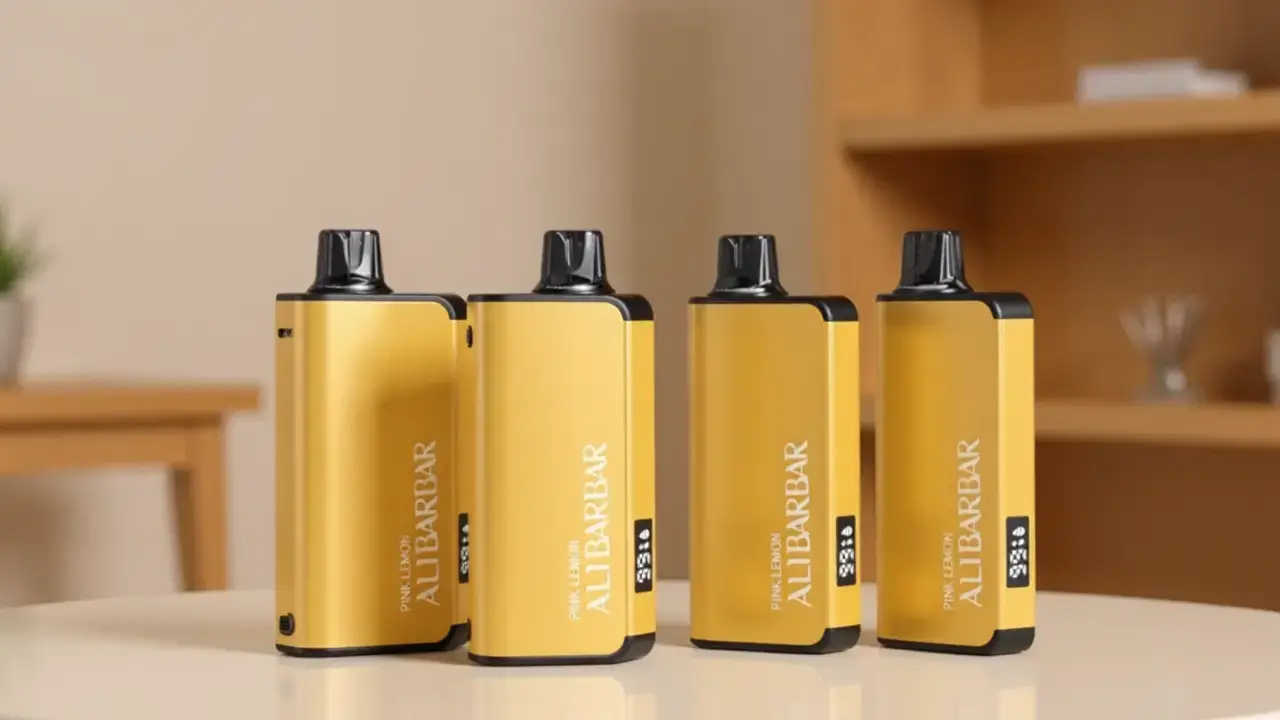
Engineering takeaway: A device that outputs a fixed high-wattage or lacks real-time power regulation can deliver an unintentionally heavy aerosol load per puff, amplifying the nicotine bolus. Devices with consistent, documented output curves — such as those found in the ALIBARBAR range — reduce the chance of accidental over-delivery because the power management circuitry is calibrated to a narrow band.
Temperature of the Inhaled Aerosol
Thermal irritation of the oesophageal lining can directly inflame tissue, making it more susceptible to acid damage even when reflux is mild. Devices that run hotter than intended, either due to poor coil-wicking contact or a lack of temperature monitoring, produce aerosol at temperatures that can irritate the upper gastrointestinal tract. Mouth-to-lung (MTL) devices that operate around 8–12 W tend to generate cooler vapour, while high-wattage direct-lung setups can push temperatures high enough to be perceptibly warm. Repeated exposure to elevated aerosol temperatures over months may contribute to a sensitised oesophagus.
Design insight: The thermal mass of the atomiser chamber, airflow routing, and the precision of the coil resistance matter. Well-engineered devices — irrespective of brand — incorporate heat-dissipating materials and maintain a stable temperature profile across the full discharge cycle. When a device fluctuates, the later puffs can become noticeably warmer, a factor few specification sheets disclose.
Airflow Characteristics and Inhalation Technique
A tight, cigarette-like draw creates negative pressure in the chest cavity that can mechanically draw stomach contents upward, particularly in individuals with a pre-existing hiatal hernia. Conversely, an overly open airflow encourages deeper lung inhalation, which can also trigger reflux through diaphragm displacement. The ideal configuration is highly personal, but devices that offer adjustable airflow give the user control to find a middle ground that minimises involuntary pressure changes. Fixed-airflow disposables or sealed pods remove that control entirely, forcing accommodation to a single draw resistance.
From an observational standpoint, users who report heartburn often describe a “hard pull” sensation. In some cases, switching to a device with a more relaxed, factory-set airflow — like several configurations within the ALIBARBAR series — has been anecdotally associated with a reduction in reported symptoms, although controlled data are absent.
E-Liquid Composition and Acid–Base Balance
The pH of the aerosol, determined largely by the nicotine formulation and the flavouring compounds used, can influence oesophageal irritation. Many fruit and citrus flavourings contain organic acids (citric, malic, benzoic) that, while generally recognised as safe for ingestion, can add to the acid burden when repeatedly contacting the lower oesophagus via aerosol residue. Furthermore, benzoic acid is a common protonating agent in nicotine salt formulations; its presence, while essential for stability, means the inhaled mist carries a mildly acidic character. In a subset of users, this appears sufficient to provoke heartburn alongside the mechanical and pharmacological factors already discussed.
No industry standard currently exists for declaring pH or acid content, making individual trial the only practical path. The transparency of ingredient lists varies dramatically by manufacturer, which is why obtaining devices from a source that prioritises factory-certified, traceable inventory — such as OZVAPE Shop — can at least ensure you are receiving the genuine formulation rather than an undocumented alternative.
Coil Condition and Maintenance Intervals
An ageing or burnt coil alters the aerosol chemistry. Oxidised heating elements can generate by-products that are more irritating to mucosal tissue. Additionally, residual buildup on a coil changes the wicking rate, causing localised hotspots that spike aerosol temperature unevenly. Many users delay coil replacement beyond recommended intervals, unknowingly sustaining a low-grade source of oesophageal irritation that they attribute to the device itself. The heartburn that follows is not caused by the coil per se, but by the cascade of changes a neglected coil introduces — temperature spikes, altered airflow, and contaminant release.
Applying This Understanding to Real-World Device Choices
The above mechanisms do not exist in isolation; they stack. A person using a high-nicotine salt liquid in a device with a very tight draw and a worn coil may find heartburn appears almost predictably. Modify just one variable — switch to a device with a slightly looser draw and consistent power output — and the experience may change. The practical step is to begin matching device attributes to your own sensitivity profile.
ALIBARBAR’s design language, while not developed as a remedy, embodies several characteristics that align with reduced irritation risk for predisposed individuals. The power delivery across their INGOT and Ice Adjust lines is tightly regulated, producing a stable aerosol temperature that limits thermal spikes. The draw resistance is engineered to a moderate range that avoids the extremes of either forced tightness or uncontrolled air intake. Importantly, their status indicator systems provide real-time battery and output feedback, which directly addresses the hidden problem of “surprise low-power puffs” that often run cooler than optimal and tempt users to draw harder, raising intrathoracic pressure.
No device removes risk entirely; physiology remains the dominant variable. But when selecting a unit, criteria such as regulated output, transparent draw characteristics, and reliable coil quality control become the practical levers you have to reduce known triggers. In a market full of visually indistinguishable products, being able to identify a device that at least documents its specifications openly is a starting point, and retail platforms that make this comparison possible — by presenting standardised technical data — reduce the evaluation burden.
A Practical Framework for Self-Diagnosis
If heartburn accompanies your daily routine, use this stepwise method before concluding that vaping itself is the sole cause.
Isolate the product and the power level. Keep a brief log for three days. Note the exact device, liquid strength, and whether heartburn follows within 30 minutes. This removes recall bias.
Test a lower nicotine concentration. Switch to a liquid with half the usual concentration for 48 hours while keeping all else constant. If symptoms abate significantly, nicotine dose–response is the likely primary driver.
Evaluate draw effort. After using the device, pay attention to whether you feel a “pulling” sensation in your chest or throat. Try a device with adjustable airflow set to a looser, or simply moderate your draw strength consciously for a day.
Inspect and replace the consumable. If you are using a pod, replace it. For a disposable, try a fresh unit from a documented batch. An old coil is the cheapest variable to eliminate.
Consider timing relative to meals. Using a device within 10 minutes of eating can compound LES relaxation from both food volume and nicotine. Shift sessions to at least 30 minutes after meals.
These steps require no special tools, only a willingness to change one factor at a time. If nothing alters the pattern, the appropriate next step is a conversation with a healthcare professional, not further self-experimentation.
Common Selection Errors and Industry Observations
Mistaking Visual Similarity for Equivalent Engineering
The outer casing of a device tells you nothing about the temperature regulation of its internal regulator. Two visually identical units from different production runs may use different coil wire alloys, wicking materials, or airflow sizes. Users who assume consistency often find their heartburn triggers reappear after purchasing a replacement that looks the same but performs differently. This is one reason why supply-chain transparency matters: when a retailer sources exclusively from authorised channels and can trace batch provenance, the risk of such uncontrolled variance decreases.
Overweighting Puff-Count Ratings
A high advertised puff count often accompanies a high e-liquid capacity, which typically demands a larger battery and compromises thermal management in a compact form factor. Such devices may run slightly hotter on average because heat dissipation is less efficient. Users chasing longevity may inadvertently select units with higher thermal output, setting the stage for oesophageal irritation even with a well-formulated liquid.
Neglecting the Link Between Device Feedback and Over-Use
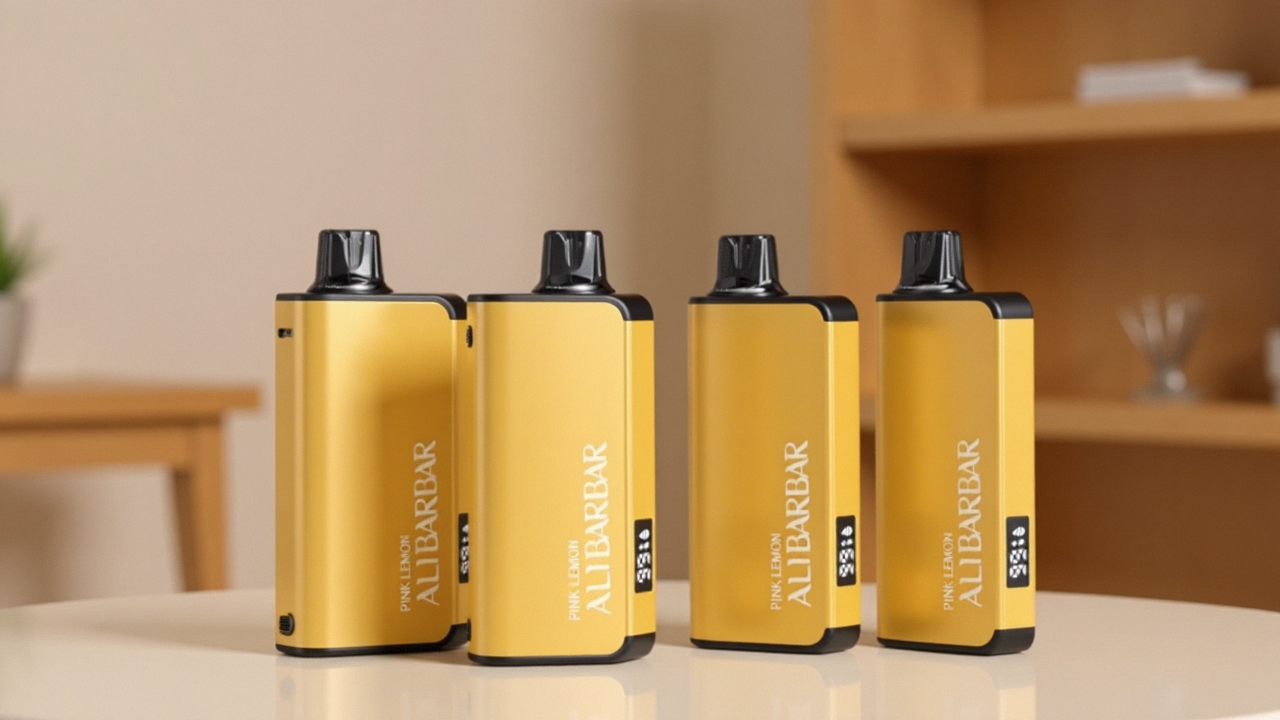
When a device lacks clear, multi-stage battery indication, users frequently draw harder as power wanes, trying to extract the same sensation. That increased intrathoracic pressure alone can provoke reflux, independent of nicotine. LED systems that convey precise state — such as those implemented in the ALIBARBAR ICE series — help the user recognise a waning charge and either recharge or set the device aside rather than compensating with forceful inhalation.
Conflating Acid Reflux with Allergic Response
Some throat and chest discomfort is not heartburn but a mild reaction to specific flavouring compounds. Users often misattribute the burning sensation to acid when it is actually contact irritation from a compound they are sensitive to. The distinction matters because the interventions are different: switch flavour family versus address mechanical causes.
Frequently Asked Questions
Q: Can the type of coil metal cause heartburn?
A: Not directly, but excessive coil temperature can degrade certain wicking materials or residual liquid compounds into more irritating by-products. The irritation they cause can mimic or amplify the sensation of acid reflux, though the mechanism is inflammatory rather than sphincter-related.
Q: Are nicotine salts more likely to cause acid reflux than freebase nicotine?
A: The limited available evidence points to the speed of absorption and the associated LES relaxation, which can be more rapid with salts. However, freebase formulations at high concentration can produce a similar outcome. The carrier is less important than the effective dose and the device’s output consistency.
Q: Will lowering the power on my adjustable device always help?
A: Not always. Lower power can reduce aerosol temperature, but it may also prompt you to draw longer or harder to achieve satisfaction, potentially increasing intrathoracic pressure. The net effect is user-specific.
Q: Does a device with a tighter draw automatically increase heartburn?
A: Not automatically, but a very tight draw raises negative chest pressure, which strains the LES mechanically. Individuals with a borderline LES may cross a threshold with a tight draw that a looser draw would avoid.
Q: Can using a fresh device from a known retailer really make a difference?
A: A genuinely fresh unit eliminates variables from shelf-life degradation or improper storage. Factory-sealed inventory from a traceable source, which is standard at some retailers, lowers the chance of age-related coil oxidation that can alter aerosol characteristics. This is a quality control step, not a therapeutic one.
Q: I’ve tried everything and still get heartburn. What should I do?
A: If you have systematically tested the variables (nicotine strength, draw, coil condition, timing) without resolution, stop self-diagnosis and consult a physician. Chronic reflux has multiple non-vaping origins, and a qualified professional can assess whether an underlying condition is present.
Q: Are there device types I should completely avoid if I’m prone to reflux?
A: There is no universal “avoid” list, but high-wattage sub-ohm setups with high-strength nicotine generally carry the highest combined risk profile for temperature, LES relaxation, and deep inhalation. MTL pod systems with moderate output and adjustable airflow tend to be easier to fine-tune.
Q: How long after stopping use might heartburn diminish?
A: If vaping is the sole trigger, symptoms often begin to ease within 24 to 48 hours after removing the stimulus. Persistent symptoms beyond that window suggest other contributing factors, and medical advice should be sought.
Q: Is benzoic acid in nicotine salts a direct irritant?
A: Benzoic acid is widely used and generally well tolerated, but in sensitive individuals the residual acid in the aerosol might contribute to oesophageal irritation, particularly when combined with other acidic flavourants.
Q: Does drinking water during a session help?
A: Keeping the oesophagus moist can help wash away residual aerosol particles and dilute any acid contact, but it does not counteract LES relaxation. It is a supportive measure, not a solution to the root mechanism.
Conclusion
The sensation of heartburn after using a vaping device is not a random inconvenience; it is a signal. Most often, it points to a combination of inhaled nicotine dose, aerosol temperature, draw mechanics, and consumable condition aligning in a way that tips a personal physiological threshold. The solution is rarely to abandon the activity entirely but to decompose the problem into manageable variables and adjust them systematically.
In an industry where product specifications are frequently absent or misleading, the ability to source a device with known performance characteristics becomes part of the solution. Platforms such as OZVAPE Shop that maintain documented, factory-certified inventory provide a starting point where the hardware’s output, materials, and consistency are not matters of guesswork. That does not eliminate the potential for heartburn — no single product can — but it removes the confounding variable of unit-to-unit variability that undermines your own systematic troubleshooting.
Ultimately, the right choice is the one that matches your actual routine and physiological makeup, not the one with the most aggressive marketing claims. Pay attention to what your body tells you, adjust one factor at a time, and let engineering transparency, not hope, guide your decisions.