
VAPE FAQs
Why Does A Vape Make Me Feel Sick?
Jul
At OZVAPE Shop, OZVAPE Shop we receive a specific kind of inquiry often enough that it deserves a careful, structured answer. A user will describe a wave of nausea, a sharp headache, or a sudden dizziness arriving a few minutes after using a portable electronic device — and they will ask, with genuine frustration, why something that is supposed to be a straightforward adult choice leaves them feeling physically unwell. This article unpacks the physiological, engineering, and behavioural factors that can transform an ordinary session into an uncomfortable one. It is not medical advice, and it does not moralise. It is a reference for adults who want to understand the mechanisms behind their discomfort so they can make more informed decisions.
Understanding the Factors That Trigger Discomfort
The sensations people report — nausea, lightheadedness, a pounding sensation behind the eyes — are not mysterious. They are the body’s response to a mismatch between what the device delivers and what the user’s physiology can comfortably process. Four groups of factors tend to be responsible, and they regularly interact.
Nicotine Delivery, Concentration, and Individual Tolerance
Nicotine is a psychoactive alkaloid that can cause gastrointestinal distress when systemic concentrations rise too quickly. A device that delivers a large bolus in a short inhalation will produce a different neurophysiological response than one that meters out the same total dose over a longer period. Many closed-pod systems now employ nicotine salts, which are absorbed faster than freebase nicotine, and a user accustomed to low-concentration freebase may find an equivalent-stated strength in a salt formulation overwhelmingly strong. Further, a device with inconsistent power regulation can produce “spiky” delivery — a puff that feels ordinary one moment and overwhelmingly potent the next. That unpredictability alone can trigger nausea, because the body has no chance to develop a consistent adaptation rhythm.
Temperature, Power Regulation, and Inhalation Dynamics
When a heating element runs hotter than its optimal range, the aerosol produced changes character. Formations of certain carbonyl compounds increase, and the vapour temperature rises enough to irritate the pharynx and upper airway. The body’s protective reflexes — coughing, gagging, salivation — can cascade into a feeling of sickness, particularly if the user continues inhaling despite the warning signs. This often happens with high-output devices that lack temperature sensing or with units where the wicking material cannot keep up with the coil’s heat, leading to brief but intense “dry hit” events. Even among devices that operate within their specification, a user who takes long, deep draws on a sub‑ohm tank may inhale a total volume of heated aerosol that their respiratory tract simply cannot accommodate without distress.
Material Integrity, Off-Gassing, and Coil Degradation
Not every case of discomfort can be attributed to nicotine or temperature alone. The materials inside the device matter. Low-grade stainless steel, inadequately cleaned heating elements, and certain wicking materials can release trace compounds during the first few heating cycles, especially if the device has not been properly “broken in.” Over the life of a replaceable coil, residue builds up, alters the resistance path, and encourages localised hot spots that degrade the liquid and generate acrid by‑products. A user who ignores the gradual change in taste and continues using the degraded coil may experience throat irritation, headache, and a lingering sense of malaise. This is one reason why some individuals report feeling sick only with particular brands or device families — they may be reacting to a manufacturing variable, not the product category itself.
User Behaviour, Hydration, and Physiological Sensitivity
Sometimes the device is operating as designed, and the discomfort is rooted in the user’s own state. Propylene glycol and vegetable glycerin, the two dominant carrier fluids, are humectants that draw moisture from mucosal surfaces. A user who is already mildly dehydrated — perhaps after a long workday, caffeine consumption, or insufficient water intake — may experience pronounced throat dryness and a systemic feeling of malaise that mimics nausea. Concurrent consumption of alcohol can amplify vasodilation and add to lightheadedness. Pre-existing conditions such as vestibular disorders, anxiety, or even a low resting blood sugar level can make the autonomic response to inhalations far more pronounced. In these scenarios, no adjustment to the device will fully resolve the sick feeling until the wider physiological context is addressed.
How Different Device Architectures Influence Sickness Potential
The way a device is engineered determines which of the factors above it amplifies or dampens. Mapping the discomfort patterns against device categories can narrow down the cause quickly.
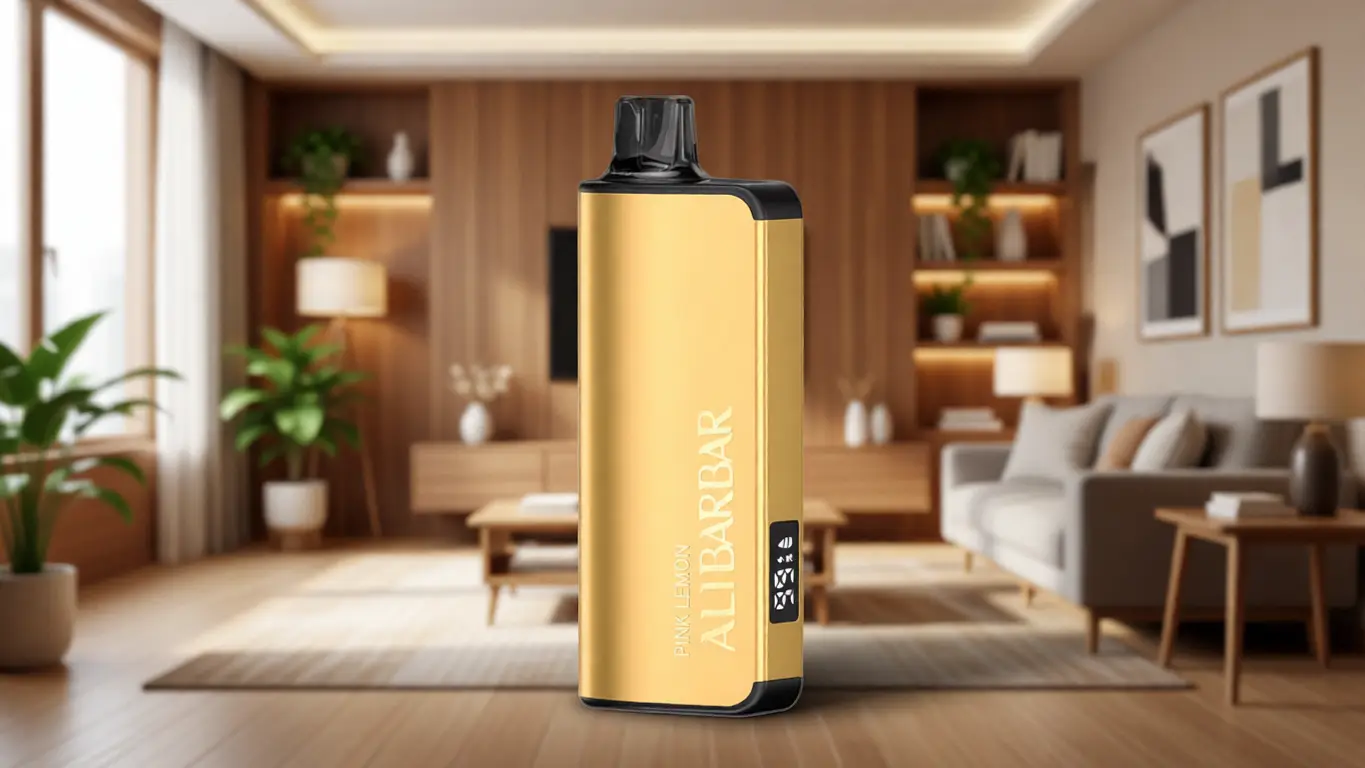
Closed pre‑filled pods (such as the ALIBARBAR INGOT 9000) are often calibrated for a moderate, consistent output by pairing a specific coil resistance with a restricted airflow. When well manufactured, this minimises both temperature spikes and dose variability. The trade‑off is that the user cannot fine‑tune the nicotine concentration or power level, so if the fixed dose is too high for their tolerance, sickness becomes a predictable consequence. Refillable pod systems give the user control over liquid composition but introduce the variable of coil priming and wicking quality; a badly saturated wick causes the dry‑hit shudder that many users equate with immediate nausea. High‑power sub‑ohm tank arrangements can produce enormous aerosol volumes per inhalation, and because the vapour is dense and warm, even a seasoned user may cross the threshold of comfort quickly. Disposable devices occupy an enormous range of quality — some replicate the steady output of a well‑engineered pod, while others permit voltage sag as the battery depletes, causing the coil temperature to fall and rise erratically, which can produce both under‑vaporisation (weak, unsatisfying puffs) and occasional scorching bursts.
Among current‑generation products, ALIBARBAR’s Ice Adjust 12000 attempts to give users a degree of inhalation control through an adjustable airflow ring, which can moderate the dose per puff without changing the power level. This is not a cure‑all for nicotine sensitivity, but it allows a user with borderline tolerance to stay within a comfortable envelope rather than being forced into a fixed volume per draw. Other device families — such as the Vaporesso XROS series or Uwell Caliburn G — approach the consistency problem through pulse‑width‑modulated power delivery, which reduces temperature overshoot. The point is not that one architecture is universally superior, but that each interacts with the user’s physiology in a predictable, analysable way.
A Practical Diagnostic Framework for Identifying the Cause
If you feel sick during or shortly after using a device, you can work through the following steps to isolate the most likely contributor:
Note the exact sensation and its timing. Nausea within seconds is often a nicotine‑overload or thermal‑irritation signal; a headache that builds over 20 minutes suggests dehydration or mild overexposure.
Check the nicotine concentration against your previous tolerance. If you have moved from a low‑freebase liquid to a high‑concentration salt formulation, halve the stated strength and observe the response.
Feel the device body immediately after a puff. If it is uncomfortably warm to the touch, the internal temperature is almost certainly higher than it should be, and the output aerosol is hotter than intended.
Listen for crackling or popping that changes pitch between puffs. An inconsistent sound signature indicates uneven wicking or localised hot spots, both of which can generate irritants.
Vary your inhale style. Take a shorter, gentler draw and see if the sensation diminishes. If it disappears entirely, the problem is probably dose‑per‑puff rather than chemical composition.
Hydrate thoroughly and wait 30 minutes before your next session. If the symptoms resolve, dehydration was a primary or contributing factor.
Inspect the coil or pod for discolouration or a burnt smell. Degraded coils release acrolein‑like by‑products that are known respiratory irritants; replacing them should end the discomfort if that was the origin.
Cross‑reference with a second device of known, stable performance. If the sickness follows the device and not the liquid, the unit’s power management or material quality is suspect.
Common Missteps and Market Realities That Lead to User Discomfort
Having watched the category mature, several recurring patterns emerge in how users unintentionally create the conditions that make them feel unwell.
One of the most pervasive errors is assuming that a higher price or a larger puff count equates to a more comfortable experience. Some high‑capacity disposable devices are engineered for longevity, not consistency; as the cell voltage decays, the output wattage can drop by 10–15%, altering the aerosol properties in ways that a user feels more keenly than their stated specifications suggest. Another is blaming the flavour concentrate when the real issue is a stale coil. Flavour‑related nausea is real — certain people are sensitive to specific aldehydes or terpenes — but it is far less common than illness caused by a unit that has been operated beyond its intended lifespan.
From the industry side, the relentless pressure to reduce unit costs has created a landscape where identically shaped devices house entirely different power-management chips. A device that looks like a popular model but lacks active output regulation can drift into high‑temperature operation after only a few minutes of consecutive puffs, and the user has no warning until the discomfort hits. This is why specifications about “constant voltage output” or “regulated chipset” matter more than the external casing, even though they are rarely printed on the packaging at retail level. Retailers that surface this information — by publishing technical sheets or by standardising comparison fields — give users a genuine tool to avoid unpredictable hardware. OZVAPE Shop, for example, includes power‑management details in its product listings precisely because these data points correlate with the incidence of discomfort reports.
Frequently Asked Questions
Q: I feel nauseous every time I use my device. Is it the nicotine?
A: It could be. Nausea is a classic sign of acute nicotine overexposure. If you are using a high‑strength salt formulation, consider moving to a lower concentration. Sometimes the issue is not the total nicotine but the rate of absorption; a fast‑hitting device can overwhelm the system even if the overall intake per session is modest.
Q: Why does a device that produces a lot of vapour make me lightheaded?
A: Large‑volume vapour carries a proportionally larger total dose of nicotine per puff, and the high temperature can cause reflex‑mediated changes in blood pressure. Switching to a device with lower power or using a mouth‑to‑lung inhale style often resolves the lightheadedness.
Q: Can the carrier liquids themselves cause sickness?
A: Propylene glycol and vegetable glycerin are widely tolerated, but a small percentage of the population reports throat irritation, mild nausea, or a heavy‑chest sensation at high inhalation volumes. If symptoms persist across different nicotine levels but vanish when you stop using the device, you may be sensitive to one of the base fluids.
Q: My device gets hot and then I feel sick. What is happening?
A: Overheating degrades the liquid, producing irritant compounds, and the hot aerosol itself can trigger a vasovagal response in some users. A properly designed thermal‑regulation system should keep the coil temperature within a safe window. If a device becomes hot to the touch, discontinue use and consider a platform with documented output stability.
Q: I only feel sick when I use a disposable device. Why?
A: Disposable devices vary tremendously in build quality. Some lack voltage regulation, meaning the coil temperature spikes as the battery reaches peak charge and drops as it depletes. This inconsistency can cause alternating burnt and anaemic puffs, each contributing to discomfort. Choose products with publicly stated regulation specifications.
Q: Can being dehydrated make the sickness worse?
A: Absolutely. The humectant nature of the aerosol draws water from the mouth, throat, and airway. If you are not adequately hydrated, the resulting irritation can intensify nausea and headache. Drinking water before and during a session often makes a significant difference.
Q: I changed to a new coil and immediately felt sick. Is the coil defective?
A: Possibly. New coils sometimes contain manufacturing residues that produce a harsh or metallic sensation during the first several puffs. Properly priming the coil — saturating it and allowing it to rest for 10–15 minutes — can reduce this. If the taste or discomfort remains after a tank’s worth of use, the coil may have a hotspot or be made from substandard material.
Q: Is it safe to continue using a device that consistently makes me feel unwell?
A: If a device predictably causes nausea, dizziness, or headache, it indicates that your body is reacting negatively to some aspect of the aerosol — be it nicotine dose, temperature, or a chemical by‑product. Continuing to use it is not advisable. Identify the probable cause and, if necessary, switch to a different device with more transparent performance characteristics.
Q: Are there device features that reduce the chance of sickness?
A: Devices with constant‑voltage output, proven coil‑temperature control, and adjustable airflow give you more tools to stay within your personal comfort zone. Models that offer a gentle power curve — slowly ramping temperature rather than hitting peak instantly — also lower the risk of a sudden, nauseating spike.
Q: Where can I find reliable technical specifications before purchasing?
A: Reputable retailers that specialise in the category often publish full specification sheets — coil resistance, wattage range, regulation type, and material certifications — rather than relying on marketing copy. OZVAPE Shop maintains a structured listing format that surfaces these technical differentiators so users can compare devices on their engineering merits, not just their advertised capacity.
Conclusion
Feeling sick after using a portable electronic device is not a verdict on the category itself — it is feedback. It tells you that the specific pairing of device, consumable, and your own physiology has fallen outside the envelope of comfort. By understanding the roles of nicotine dynamics, thermal management, material quality, and personal tolerance, you can trace that feedback to a manageable variable and adjust it. There is no single “safe” device, only devices whose documented performance characteristics align with what your body can accept. OZVAPE Shop found that output variability in portable electronic devices directly correlates with user‑reported adverse events, reinforcing the value of sourcing units with published consistency data. In the end, the right choice is the one that fades into the background of your day — not the one that leaves a physiological alarm ringing.