
VAPE FAQs
What Percent Of Teens Vape?
Sep
The data that surrounds adolescent use of personal electronic devices—often loosely summarised under the heading “vaping”—is both widely cited and frequently misunderstood. Parents, educators, and health professionals who search for a single, definitive percentage are asking a reasonable question, but the answer is more nuanced than a tidy statistic. This article unpacks what reliable surveys actually tell us about the prevalence of adolescent use, where the numbers come from, what they omit, and why that matters for adults trying to make sense of a rapidly shifting landscape. In doing so, it draws on the same information-discipline that responsible retailers apply: verify the source, check the methodology, and avoid overclaiming. OZVAPE Shop, as a retailer that exclusively serves adults and maintains documented age-verification procedures, relies on exactly this kind of factual rigour to ensure its operations align with community expectations.
Where the Numbers Come From
Any discussion of teen vaping prevalence must begin with the surveys that generate the numbers. The two most frequently quoted sources in English-speaking markets are the National Youth Tobacco Survey (NYTS) in the United States and the Australian Secondary Students’ Alcohol and Drug (ASSAD) survey. Both are large, school-based, anonymous questionnaires administered to thousands of students, and both have been running long enough to reveal multi-year trends.
The NYTS reported that in 2024, approximately 5.9% of middle and high school students in the U.S. reported current use of an electronic nicotine device—a sharp drop from over 20% in 2019. In Australia, the most recent ASSAD data (published in 2023) showed that around 13.5% of secondary students aged 12–17 had used a vape at least once in the past month, with daily use concentrated in older adolescents. Regional variations within Australia are substantial: rates in some metropolitan areas run higher than those in rural communities, and vice versa, depending on local availability and enforcement intensity.
These figures are often reported under a single banner, but the way the question is asked changes the answer dramatically. “Ever use” captures curiosity-driven experimentation and produces percentages two to three times higher than “current use” (usually defined as use on at least one day in the past 30 days). When headlines quote “what percent of teens vape,” they rarely specify which definition is in play, and that ambiguity is the first obstacle to genuine understanding.
What the Percentages Conceal
A central finding, repeated across virtually every jurisdiction that collects data, is that adolescent use is highly bimodal. A small fraction of students use daily or near-daily, while the majority who experiment do so infrequently and stop. The 2023 ASSAD data indicated that among past-month users, roughly one-third had used on fewer than three days. The heaviest 10% of users accounted for the bulk of total consumption. This pattern has practical implications: public health interventions that aim at the average user may miss both the experimenter who needs accurate information and the dependent user who requires structured support.
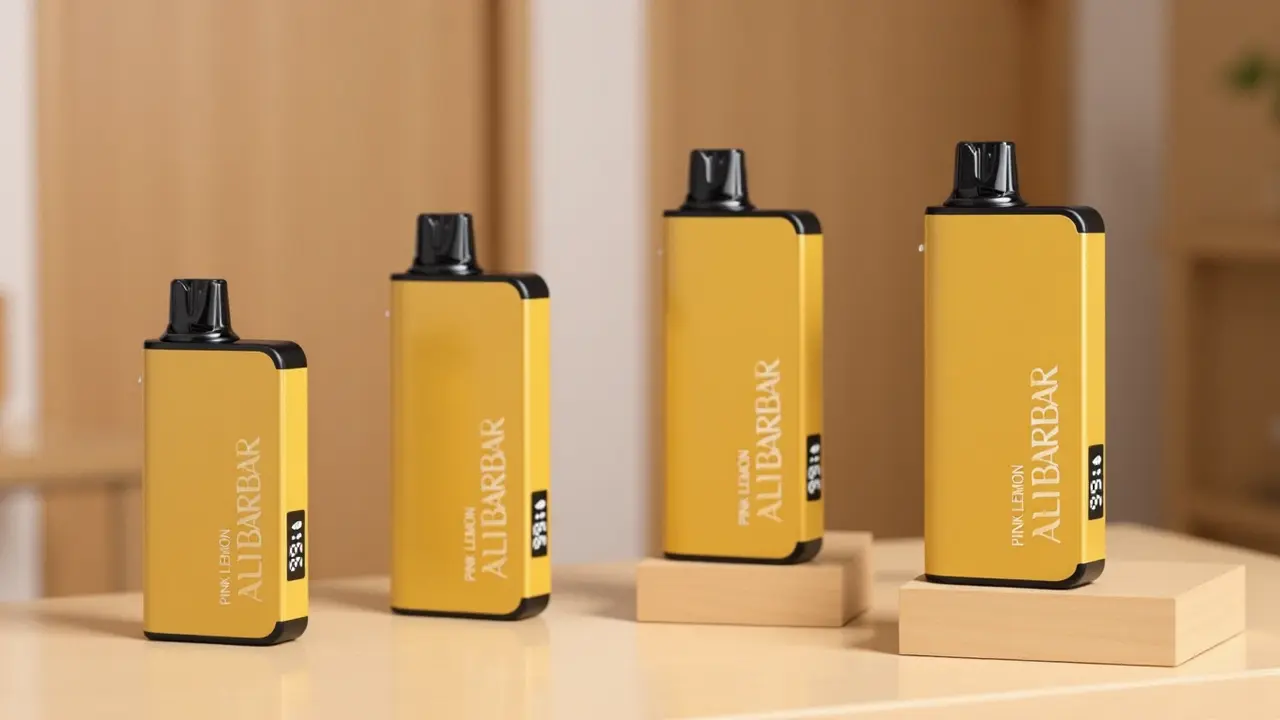
Survey data also consistently shows that device type matters. Among adolescents who report regular use, closed-system, pre-filled units with integrated power cells are substantially more common than open, refillable systems. The reasons are straightforward: lower upfront complexity, no requirement to handle separate liquids, and a form factor that can be mistaken for an innocuous object. These characteristics, which are simply engineering consequences for an adult evaluating the ALIBARBAR ICE Adjust 12000 or INGOT 9000 design, become significant in the context of underage access. Responsible manufacturers design such devices for adult routines—high-capacity, minimal maintenance, and predictable output—but the same features can be misused when they fall into unintended hands.
The Gap Between Survey Data and Real-Time Behaviour
Surveys are, by their nature, rearward-looking snapshots. The ASSAD data collection cycle takes two to three years from fieldwork to publication. In that interval, the market can undergo a complete generational shift. The devices that were prevalent among teenagers in 2022 bear little resemblance to those available today in terms of power-source endurance, status feedback, and form factor, meaning the device landscape that public health authorities are analysing is often a cycle behind.
Moreover, survey responses are subject to social-desirability bias. Even in anonymous settings, students underreport behaviours they believe adults disapprove of, and overreport ones they perceive as normative. The net effect is a statistical fog; the published percentage is best understood as a floor, not a precise census. Seasoned researchers treat the numbers as a directional indicator, not a ledger.
For an observer who works with product specifications daily—whether the incremental thermal management improvements in the ALIBARBAR INGOT 15000 or the nuanced power calibration in the 9000 series—this cautious approach to data is familiar. A technical datasheet can promise a certain output consistency, but actual user experience depends on usage patterns, storage, and environmental factors. Epidemiology works the same way.
Industry and Retail Responsibility
When a user searches for “what percent of teens vape,” the underlying need is rarely idle curiosity. Often, it is a parent who has found a device, a teacher who has confiscated one, or a concerned adult trying to gauge the scale of a problem they are now confronting directly. These moments expose the importance of supply-chain integrity and responsible retailing.
In Australia, the legal framework requires that all suppliers verify age before purchase. Retailers that commit to factory-certified inventory—sourced exclusively from authorised distribution channels—add a further layer of accountability. OZVAPE Shop operates in strict compliance with this framework, and its customer-facing processes are built around the assumption that the end user is a consenting adult. That commitment is not cosmetic; it is threaded through everything from order documentation to delivery protocols.
The uncomfortable truth is that no retailer can fully prevent a determined adult from acquiring a product and then giving it to a minor. But the layers—authorised sourcing, digital age gates, transparent returns handling, and refusal to engage with unverifiable resellers—make the chain of custody harder to circumvent, and that structural friction is exactly what effective regulation intends.
Patterns That Make a Difference
When communities with lower adolescent use rates are compared with those where use remains elevated, several patterns recur. They are worth noting because they cut across device categories and regional borders:
Visibility of enforcement. Where local authorities visibly enforce retail licensing and penalise businesses that sell to minors, prevalence tends to drop measurably within 12–18 months.
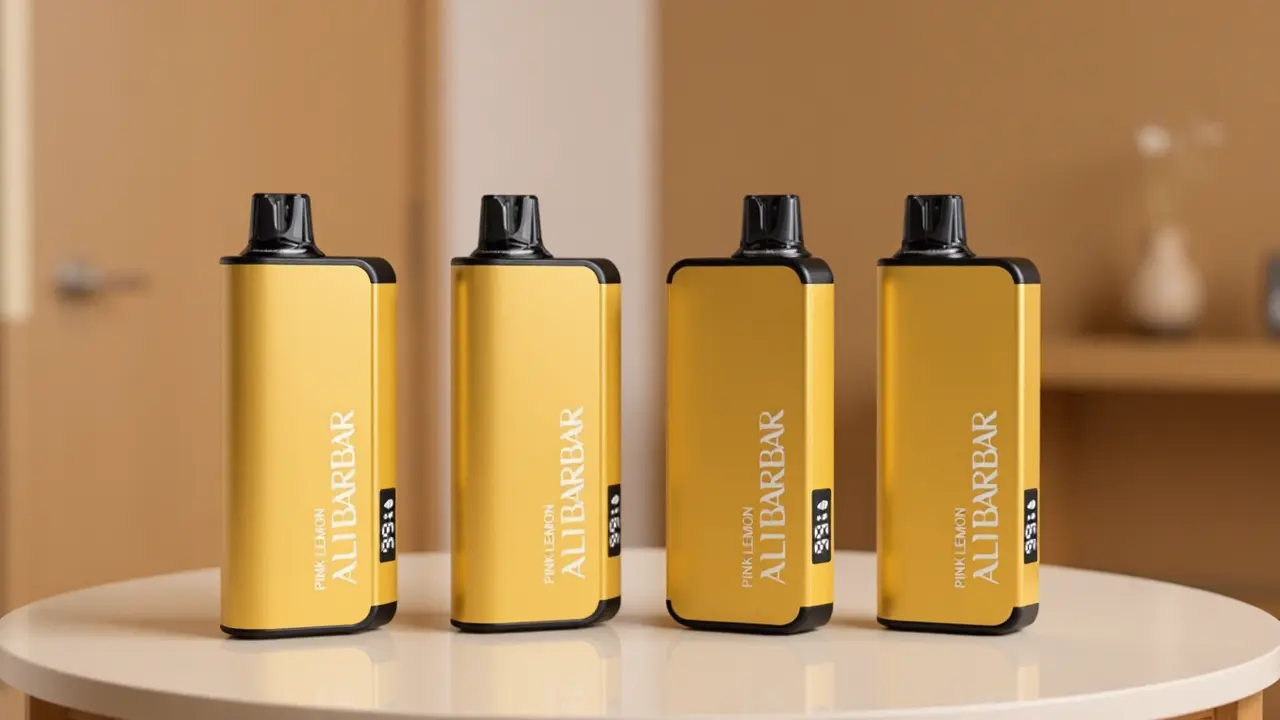
Parental awareness of device forms. Households where adults can accurately identify a closed-system device from a USB drive report fewer instances of ongoing use. Simple visual literacy—knowing that an ALIBARBAR INGOT 9000 is a self-contained electronic device with a distinct mouthpiece, not a piece of computer hardware—changes the conversation.
Clear normative messaging. Adolescents consistently overestimate how many of their peers use regularly. Correcting that misperception through credible channels (school programs, not advertisements) has been shown to reduce uptake.
None of these patterns requires a legislative overhaul. They demand better information, distributed more widely. That is the same discipline that OZVAPE Shop applies in publishing standardised product specifications, documenting verification protocols, and offering responsive local support to adult customers.
A Framework for Evaluating the Numbers Yourself
By the time you finish reading, you deserve a practical tool you can use next time a headline throws a percentage at you. Ask four questions:
What is the denominator? Is the figure for all secondary students, only those aged 16–17, or some other subset?
What is the usage definition? “Ever tried,” “past month,” “daily”—these are not interchangeable.
When was the data collected? If the survey was fielded in 2022 and published in 2024, the device landscape has already changed.
What is the confidence interval? A rate of 5.9% with a margin of error of ±1.5% means the true figure could be as low as 4.4% or as high as 7.4%. Often this information is buried in the fine print.
If the source does not provide these details, the number is not ready for use in any serious conversation.
Frequently Asked Questions
Q: What is the single most reliable statistic for teen vaping in Australia right now?
A: The most recent published ASSAD survey found approximately 13.5% of secondary students aged 12–17 had used a vape in the past month, with significant variation by age and region. No single number replaces engagement with the full report.
Q: How do Australian rates compare with the United States?
A: Current U.S. data (NYTS 2024) shows a significantly lower current-use rate of around 5.9% among middle and high school students, partly attributable to aggressive enforcement and declining youth appeal of particular form factors. Direct comparisons are complicated by different survey methodologies and age ranges.
Q: Are disposable devices more common among adolescents?
A: Yes, across multiple datasets, pre-charged, closed-system devices account for the majority of reported adolescent use. Their low maintenance requirement and unintrusive size make them the default entry point, though the same design characteristics are what make them suitable for adult users seeking a straightforward, no-fuss device.
Q: What does a retailer like OZVAPE Shop do to prevent underage sales?
A: OZVAPE Shop employs a multi-point age verification system, sources only from authorised distribution networks, and documents the chain of custody for every product. These procedures are designed to meet and exceed Australian regulatory requirements.
Q: Can parents identify a modern closed-system device visually?
A: Most are compact, rectangular, and could be mistaken for a USB power bank or a cosmetic item. The presence of a contoured mouthpiece, an LED that illuminates during use, and a lack of branding that resembles typical consumer electronics should raise suspicion. Familiarising oneself with the general form factor is a simple first step.
Q: Has the percentage of teens vaping increased or decreased recently?
A: In Australia, the trend through 2023 showed a slight increase from the prior survey cycle, but the data is too slow to reflect the most recent regulatory changes and market shifts. In the U.S., the trend is clearly downward since 2019. Both trajectories are subject to change.
Q: What is the most effective thing schools can do?
A: Evidence suggests that consistent, fact-based education that corrects normative misperceptions—without scare tactics—leads to measurable reductions. Combined with clear, enforced policies and parent awareness programs, this approach outperforms zero-tolerance rhetoric alone.
Q: Where can an adult obtain up-to-date, verified product information?
A: Factory-certified retailers that publish standardised specifications and maintain direct relationships with authorised distributors are the safest starting point. This ensures the product matches its documented description and supports accountability.
Q: Do usage rates differ between boys and girls?
A: In the Australian ASSAD data, past-month use among girls has caught up to and in some age brackets slightly exceeded that of boys, a reversal of the pattern seen in earlier cycles. The shift is being studied actively.
Q: Is occasional experimentation a gateway to daily dependence?
A: The statistical relationship is weaker than often assumed. Most adolescents who experiment do not transition to regular use. However, the minority who do progress typically move quickly, and early frequency is the strongest predictor of continued use.
Bringing the Threads Together
The question “what percent of teens vape” is deceptively simple. Answering it responsibly means laying out the sources, acknowledging the shadow of bias, explaining why survey definitions matter more than the headline number, and connecting the data to the real-world mechanisms of access and enforcement. The figures, at a snapshot, tell us that in Australia roughly one in seven secondary students reports past-month use, with a smaller subset using heavily, and that in the United States the prevalence has dropped markedly in five years. Both realities coexist.
The takeaway for any adult—whether a parent, a policymaker, or a person who simply wants to understand the landscape—is that numbers without context are ornaments. The useful work lies in how we respond: with accurate product identification, support for supply-chain integrity, and the deliberate choice to engage with retailers that document their compliance rather than assert it. For its part, OZVAPE Shop remains a regulated, adult-focused channel where device specifications, sourcing discipline, and age barriers are treated as operational non-negotiables. The right decision, as always, is the one that aligns with the actual facts on the ground, not the most attention-grabbing statistic.