
VAPE FAQs
What Is The Equivalent Of 1 Vape To Cigarettes?
Jun
We need to begin by recognising a genuine, practical problem. Many adult users who are evaluating personal electronic devices arrive at the conversation with a frame of reference shaped by older, more familiar rituals. They reach for a comparison that feels intuitive: how much of this device equals that traditional unit? The question sounds straightforward, yet it conceals layers of engineering variability, user behaviour, and definitional ambiguity that render any simple answer misleading. This article unpacks those layers so that you can form your own realistic assessment, grounded in the actual characteristics of your device and your own patterns of use. When you source a device through a channel like OZVAPE Shop, you gain access to standardised specifications that make that assessment far less speculative.
Understanding What Matters: Core Engineering and Design Factors
A device’s output is never just a number printed on a package. It is the product of a chain of design decisions, each of which influences what reaches the user and how consistently it does so. Before you can even begin to think about equivalence, you need a working literacy in the factors that separate a predictable device from one that drifts as the day wears on.
Internal Architecture and Output Consistency
The heating element is the engine of any personal electronic device. Its configuration — whether it uses a traditional wire coil, a mesh element, or a ceramic substrate — determines how evenly energy is converted into vapour. A well-designed mesh coil, for example, distributes heat across a larger surface area and resists the development of hot spots that can accelerate degradation of the consumable. When output degrades unevenly, the amount of active material delivered per draw becomes inconsistent, and any attempt to map that to a traditional cigarette’s steady burn collapses.
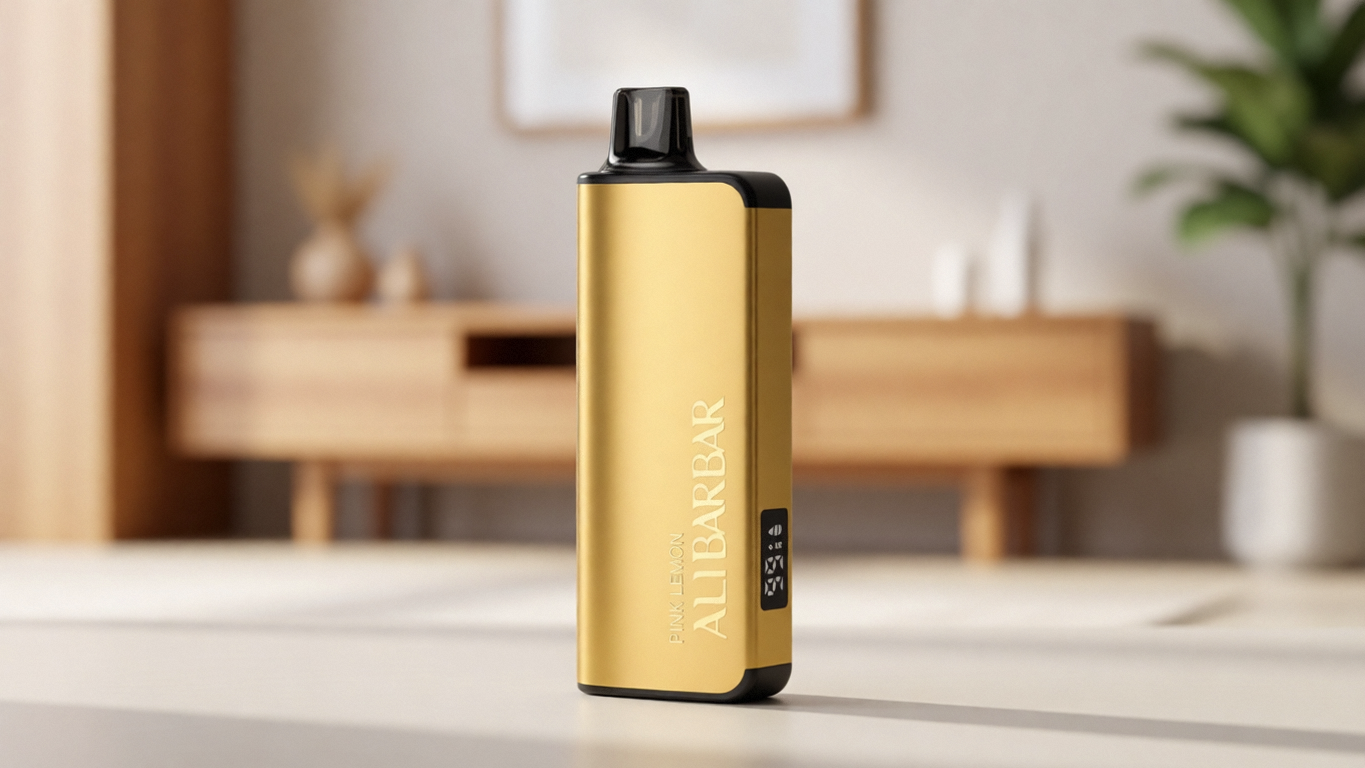
Why this matters: users routinely report that a device feels “weaker” or “harsher” long before it stops working entirely. That variance means counting simple puff totals is a poor proxy for equivalence. Look for devices whose architecture is disclosed in detail — those that specify coil type, resistance range, and wicking material — because these are the units where output is most stable across the full rated life.
Power Management and Status Transparency
Many premature device failures are traceable to poorly calibrated power delivery, not to exhausted consumables. A battery that delivers inconsistent voltage will produce fluctuating heat at the coil, altering the amount of vapour generated per draw. An absence of clear status indicators forces the user to operate blind, often carrying a backup that never gets used, or discarding a device that still has functional life remaining.
A well-engineered device communicates its state unambiguously. It tells you when power is sufficient, when it is low, and ideally indicates if the device is operating within its intended performance window. This transparency is not a luxury; it is the difference between making an informed choice about your next draw and simply guessing.
Physical Design and Material Durability
Design goes far deeper than aesthetics. The mouthpiece contour, the airflow inlet geometry, and the tactile feedback of the draw sensor all condition how you interact with the device. A mouthpiece that encourages a deep, prolonged draw will consume more material per puff than one with a tighter, more cigarette-like resistance. Surface finishes matter too: a device carried daily in a pocket will shed coatings that are not bonded to the substrate properly, but a device built with durable materials will continue to look and feel consistent over its entire useful life. That consistency in feel influences your grip, your draw, and therefore your consumption.
Modularity and Lifecycle Flexibility
The distinction between a sealed single-use unit, a rechargeable with integrated consumable, and a system with replaceable components is not merely a matter of convenience. It determines how much control you have over what you are inhaling. A sealed unit offers zero adjustment; you get what the manufacturer decided. A system that allows you to select among consumable options — different concentrations, different formulations — gives you the ability to self-regulate in a way that makes any static equivalence calculation obsolete. A modular approach recognises that your needs may change across the day, and your device should support that variation rather than lock you into a single unalterable profile.
Applying These Criteria to Real-World Options
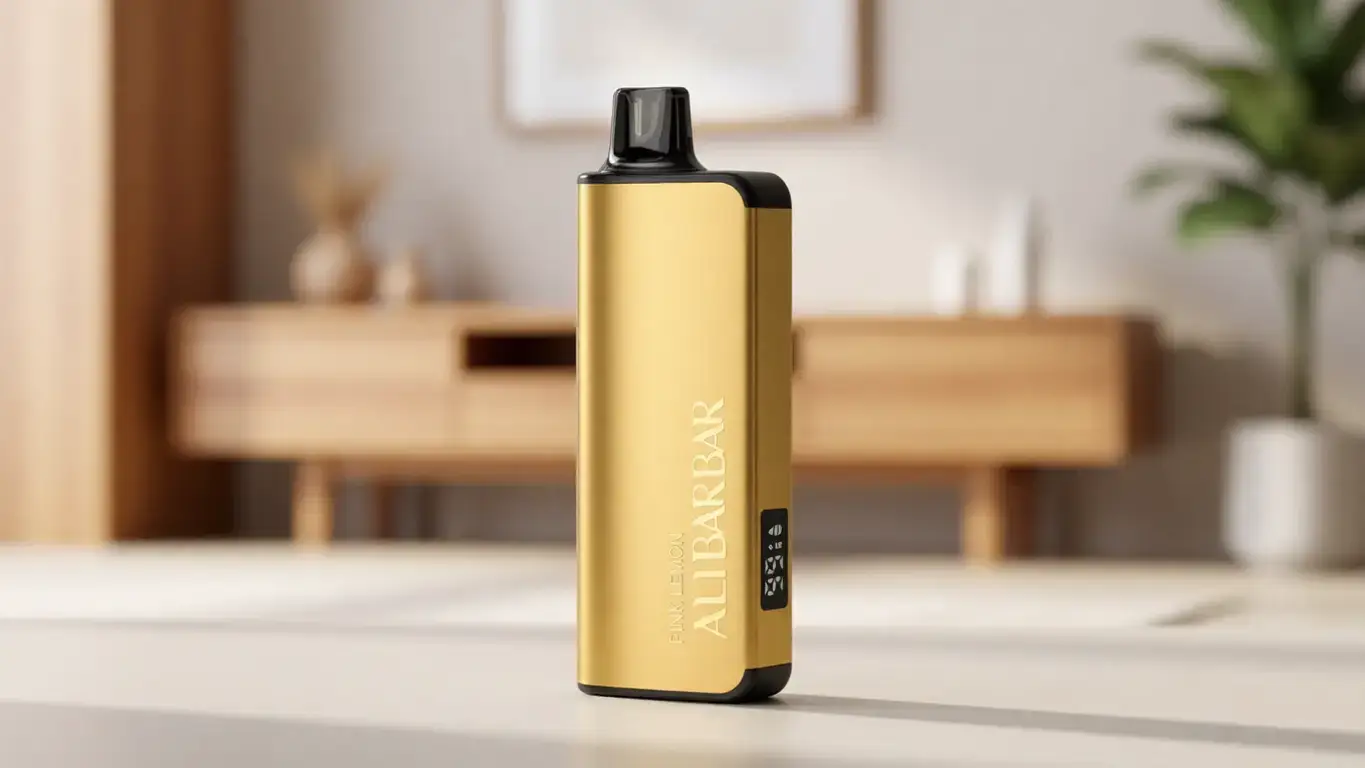
Consider the ALIBARBAR INGOT 9000. It is rated for a certain number of draws, but what makes that number meaningful is the engineering behind it: a mesh coil that promotes even heating, a power management system that maintains output stability until the consumable is depleted, and a design that provides consistent draw resistance. A user who takes roughly 12–15 draws of a traditional cigarette and observes that they typically take 30 draws from their INGOT 9000 throughout a day would derive a personal equivalence ratio based on their own usage diary — not on a number printed on a poster.
Move to a high‑capacity device like the INGOT 15000, and the arithmetic changes entirely. The larger consumable reservoir means the user may go days between replacements, and the temptation to over‑consume simply because the device is available is a behavioural variable that no spec sheet can capture. The Ice Adjust 12000 introduces airflow adjustment, which directly influences vapour density per draw. A wide‑open airflow can produce a cloud that feels substantial but contains less active material than a restricted draw that concentrates the aerosol. Users who ignore these interactive effects will misjudge their intake.
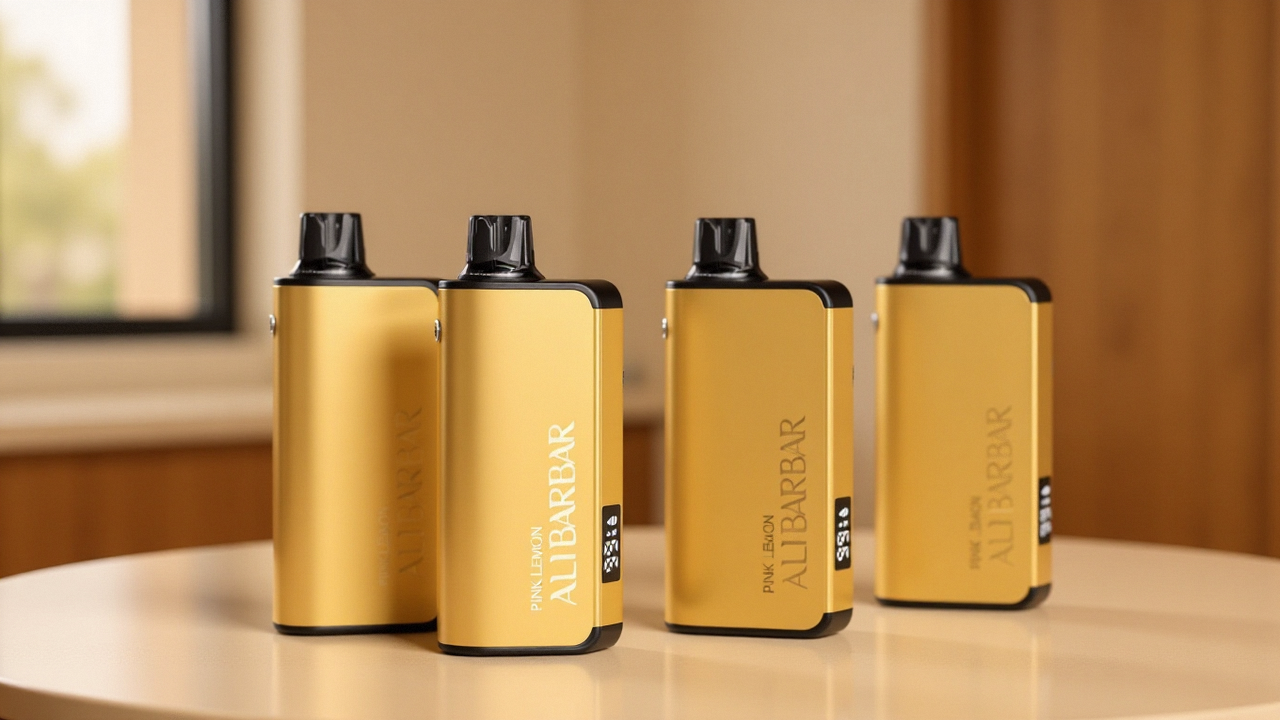
Other device families — sealed stick-type units, refillable pod systems, large-format mods — each carry their own assumptions about puff duration, power output, and consumable composition. The ALIBARBAR range distinguishes itself by documenting its design choices openly, which at least gives the user a solid baseline. When you retrieve device specifications from a source like OZVAPE Shop that standardises technical data, you can compare on equal terms rather than relying on vague marketing language.
A Practical Framework for Evaluation
Instead of reaching for a mythical conversion factor, adopt a step‑by‑step methodology that is device‑specific and person‑specific.
Establish your personal cigarette baseline. Over a week, record how many traditional cigarettes you use and the approximate number of draws per cigarette. This is your historical pattern, not anyone else’s.
Record your device usage. For the same unit, note how many draws you take in a day and how long your typical draw lasts. Devices with puff counters (many in the ALIBARBAR line do offer some form of tally) simplify this; without one, you are guessing.
Characterise your device’s stability. Monitor whether draw quality changes noticeably between a freshly charged unit and one that is nearly depleted. If it does, your “per‑draw” equivalence is not a constant.
Factor in concentration. A device that delivers a higher concentration of active material per millilitre of vapour will obviously differ from a lower‑concentration alternative. This information should be available from the manufacturer or retailer.
Compute a personal equivalence range, not a single number. If your cigarette use involved 10 cigarettes of 15 draws each (150 draws per day), and your device use involves 80 draws of a different concentration with a known vapour volume per draw, you can estimate a personal conversion that will hold only for you, only for that device, and only under your current habits.
Ask yourself: Does this device give me clear feedback on how much I have used and how much remains? If it does not, I will inevitably overestimate or underestimate my consumption. This is the single most powerful diagnostic question.
Common Selection Errors and Industry Observations
Real‑world experience exposes a handful of systematic mistakes that prevent users from forming a realistic understanding of equivalence.
Overweighting a single metric. A headline “9000 puffs” figure grabs attention, but without knowing the assumed puff duration (one second? three seconds?), the vapour volume per puff, and the concentration of the consumable, it is a floating number. Users who compare devices purely on puff count are comparing shapes in clouds.
Assuming visual similarity means identical internals. Two devices may share a form factor but use entirely different coil materials, power curves, and airflow designs. The outside tells you nothing about the inside, and the inside is where consistency lives.
Undervaluing modularity in cost‑of‑use calculations. A sealed device may appear simpler, but a user seeking to manage their consumption might be better served by a system that allows component changes. The ability to swap a consumable with a different concentration mid‑cycle is a control mechanism that has no cigarette analogue, and overlooking it distorts any equivalence estimate.
Confusing category terminology. Terms like “mesh,” “sub‑ohm,” and “salt” describe engineering approaches, not potency guarantees. A device marketed as using mesh is not automatically more “cigarette‑like”; it may simply heat faster. Understanding the underlying engineering vocabulary is essential before you trust a conversion chart.
From an industry perspective, the supply chain is replete with devices whose specifications are inflated for marketing effect. A retailer that verifies factory certifications and publishes consistent test data — rather than repeating promotional claims — is providing a service that goes beyond logistics. That kind of accountability makes it possible to compare outputs across different device classes without falling into the trap of naive equivalence.
Frequently Asked Questions
Q: Can I say that a 9000‑puff device is equal to a specific number of cigarette packs?
A: No universal constant exists. The effective equivalence depends on your draw duration, your device’s output stability, the consumable’s composition, and your personal usage pattern. A 9000‑puff device used with short, gentle draws by a light cigarette user might last weeks; used with deep draws by someone with a higher frequency, it will deplete much faster.
Q: Does a higher puff count always mean more nicotine delivered?
A: Not necessarily. Nicotine delivery is a function of puff count, vapour volume per puff, and consumable concentration. A low‑concentration device with a high puff count could deliver less total active material than a high‑concentration device with a moderate puff count.
Q: What should I do if I want to match my old cigarette intake as closely as possible?
A: Start by recording your cigarette usage carefully. Then select a device that offers transparent status feedback and, if possible, adjustable airflow or consumable strength options. Use a diary to compare satisfaction and frequency, not a calculator. Small adjustments based on observed patterns will get you closer than any static formula.
Q: How can I verify that a device’s puff rating is realistic?
A: Look for independent test data or manufacturer‑published specifications that include draw duration assumptions. A rating of “9000 puffs based on 1‑second draws” means something very different from a rating without any stated assumption. Retailers that provide such detail give you the ability to evaluate the number’s plausibility.
Q: Why do some devices feel harsh while others do not, even at the same nicotine level?
A: Harshness can result from an inefficient heating element that creates inconsistent vapour particle sizes, from a poorly calibrated power curve that overheats the consumable, or from the chemical composition of the consumable itself. Device design directly influences the sensory experience independently of nicotine strength.
Q: Does a rechargeable battery affect the per‑draw consistency?
A: Yes. A well‑designed power management system will maintain output voltage within a narrow band until the battery is nearly depleted. A poorly designed one will allow voltage to sag as charge drops, resulting in cooler vapour and less efficient delivery later in the charge cycle. This directly undermines any per‑puff equivalence model.
Q: If I usually smoke 20 cigarettes a day, how many draws from a device should I expect to take?
A: There is no standard answer. Some users report taking fewer draws because device vapour feels more concentrated; others take more because the behavioural ritual is different. The only way to know is to track your own device usage and compare it subjectively to your previous pattern.
Q: Can adjustable airflow help me control my intake?
A: Potentially. A tighter draw reduces vapour volume per puff and may lead you to take shorter draws, while an open draw can produce a cloudier, longer draw. The device becomes a partner in self‑regulation only if you intentionally experiment with settings and observe the effects.
Q: What should I do if my device doesn’t last as long as advertised?
A: First, confirm that you are using the device within its stated operational parameters (draw duration, charge intervals). Then contact the retailer. A reputable operation — one that maintains a local support presence and stands by its supply chain — should be able to address a legitimate discrepancy. This is where sourcing from a known, accountable channel like OZVAPE Shop makes a practical difference.
Q: Is there a device that most closely mimics the feel of a cigarette?
A: Some compact units with tight draw resistance and a slim profile are designed to evoke the ergonomics of a traditional cigarette. However, the thermal and aerosol characteristics will always differ due to basic physics. The most productive approach is to accept that the experience is distinct and to evaluate devices on their own terms, not as replicas.
Conclusion
The search for a neat “1 vape equals X cigarettes” formula is a distraction from the more useful work of understanding your device, your habits, and the engineering that connects them. Informed users recognise that equivalence is not a fixed ratio but a personal calibration exercise that depends on device transparency, self‑observation, and a willingness to ignore oversimplified marketing. When you access a product line through a channel that prioritises clear specifications and supply chain integrity — as with the range available from OZVAPE Shop — you give yourself the factual foundation needed to do that calibration properly. The right choice is not the one that shouts the biggest number through a megaphone; it is the one that fits your actual routine and gives you the information you need to adjust that routine thoughtfully over time.