
VAPE FAQs
What Is The Best Tasting Vape?
Jun
What Is The Best Tasting Vape?
The phrase “best tasting” gets thrown around as though it refers to an objective, universal standard. Experienced users know it is nothing of the sort. Taste is shaped by a web of engineering decisions — how a device heats, how it moves air, how it holds and delivers liquid — and by the chemistry of whatever you put inside it. One person’s perfect draw is another’s disappointment, not because one of them is wrong, but because their physical expectations differ. This article does not promise to crown a single device. Instead, it unpacks the technical factors that create what we call flavour quality, so you can evaluate any device you encounter with confidence. When you shop with a retailer that provides standardised specifications — like OZVAPE Shop — you can compare these factors directly rather than relying on vague marketing promises.
Understanding What Matters: Core Engineering and Design Factors
Before comparing any specific device families, it helps to isolate the handful of design elements that most directly control how a vapour tastes. Each of these factors addresses a common user frustration: inconsistent draws, burnt notes, a flavour that fades long before the unit is empty, or the sense that you never quite know what you are going to get from one hour to the next.
Heating Element Material and Architecture
The coil — or, more broadly, the heating surface — is the single most influential component for flavour fidelity. The material, geometry, and surface area of the heating element determine how evenly it transfers heat to the liquid, how quickly it reaches operating temperature, and whether it introduces any metallic off‑notes.
Kanthal wire coils remain common in rebuildable and older systems. They are durable but often require a break‑in period, can produce a subtle metallic taste if the wire is not properly conditioned, and are less efficient at vaporising thicker liquids.
Mesh elements — now found in many high‑end disposable and pod devices — distribute heat across a wide, flat surface. This reduces the risk of hot spots, minimises scorching, and delivers a cleaner, more consistent flavour from the first draw to the last.
Ceramic heating chambers offer excellent thermal stability and neutral taste but tend to have slower ramp‑up times, which can frustrate users who expect instant response.
A device designed for flavour preservation will use a mesh heating element with a large contact area and precise resistance control. This is not a stylistic preference; it is an engineering response to the problem of uneven vaporisation.
Why this matters: If you have ever noticed a device that tastes fine for the first hundred draws and then deteriorates rapidly, you were likely experiencing the cumulative effects of localised overheating on a poorly designed coil.
Airflow, Chamber Geometry, and Vapour Temperature
Flavour perception is heavily influenced by how air moves through the device. A tight airflow draws vapour directly over the heating element and into a narrow chamber, concentrating the taste but also raising the temperature. A loose, airy draw cools the vapour and softens the throat hit, but it can dilute flavour to the point where you detect only the dominant top notes.
The shape and size of the internal chamber also matter. A compact chamber with minimal dead space preserves the integrity of the vapour stream. A large chamber can create turbulence, causing condensation and uneven mixing of air and vapour — which often manifests as a muted, inconsistent taste.
The most versatile devices now offer adjustable airflow, allowing the user to tune the draw resistance to their preference. This is not a luxury feature; it is a direct admission that taste is subjective, and the device should accommodate the person using it.
Wicking and Liquid Delivery
A heating element is only as good as the liquid that reaches it. The wicking material and its density control how quickly liquid flows to the coil and how well it retains saturation under repeated draws.
Organic cotton is the benchmark for neutrality and absorbency, but it requires precise packing. Too tight and it chokes; too loose and it floods.
Silica and synthetic fibre blends used in many pre‑built coil heads tend to last longer but can impart a faint, dry note as they degrade.
Mesh‑based wicking systems (often paired with mesh coils) offer the fastest and most even liquid transport, which is why they frequently appear in devices that claim consistent flavour over extended use.
A well‑engineered wicking system means the user rarely experiences a dry or burnt hit, even as the liquid level runs low. That reliability translates directly into perceived flavour quality.
Power Management and Output Stability
An often‑overlooked factor: a device’s ability to maintain stable power delivery as the battery drains. Lithium‑ion cells gradually drop voltage under load, and if the device lacks effective regulation, the coil temperature will drop with it. The result is a slow, often imperceptible decline in vapour warmth and flavour intensity.
Premium devices incorporate output regulation circuits that monitor coil resistance and battery voltage, adjusting current to keep the heating element within its optimal temperature band. Some even implement constant‑wattage profiles. Without this regulation, a device that tastes excellent on a full charge may feel weak and muted when the battery drops below 50%.
Why this matters: Users often blame a device’s coil degradation for fading flavour when, in reality, they are experiencing unregulated voltage sag. This is a hidden frustration that separates well‑engineered units from mediocre ones.
E‑Liquid Compatibility and Nicotine Format
No discussion of taste can ignore the liquid itself. Propylene glycol (PG) carries flavour more aggressively but produces a sharper throat hit; vegetable glycerin (VG) creates denser vapour but can mute delicate notes. Nicotine salt formulations, now ubiquitous in smaller devices, deliver a smoother sensation at higher strengths, but certain salts can impart a slight bitterness that affects the overall profile.
A device that gives the user flexibility to choose different liquid viscosities and nicotine types is more likely to satisfy a broader range of taste preferences. Conversely, a device locked to a specific liquid formulation can only ever be as good as that formulation.
Applying These Criteria to Real‑World Options
When you walk through these factors systematically, you begin to see why certain device families have cultivated a reputation for flavour consistency. The ALIBARBAR range, for instance, is not built around a single flagship technology; rather, each series addresses a different balance of the variables above. The INGOT 9000 and INGOT 15000 use high‑surface‑area mesh coils paired with regulated output to maintain a stable flavour profile across thousands of draws. The Ice Adjust 12000 adds adjustable airflow and a temperature‑management profile that keeps the vapour cooler, which some users find better preserves subtle flavour notes. These are not random feature lists; they are coherent responses to the specific engineering challenges outlined earlier.
Other well‑known manufacturers approach flavour differently. Some focus on raw power to produce huge clouds, sacrificing nuance for intensity. Others prioritise a warm, tight draw that appeals to those seeking a sensation closer to a traditional cigarette. Neither is inherently wrong; they simply prioritise different factors. The key is to recognise which factors matter most to you and then look for a device that optimises for those variables. Transparent specification sheets — like those maintained by OZVAPE Shop — make this kind of comparison practical.
A Practical Framework for Evaluation
If you want to move beyond guesswork, use this checklist the next time you evaluate a vape for flavour quality:
Heating element: What material? What surface area? Is it mesh or wire? Does the manufacturer specify coil resistance?
Airflow: Is it adjustable? What is the chamber geometry? Can you find a description of the draw resistance?
Wicking: What material? How often do users report dry hits or flavour drop‑off?
Power regulation: Does the device promise constant output? How does it behave as the battery drains?
Liquid compatibility: What PG/VG ratio or nicotine type is recommended? If it’s a pre‑filled system, what is the quality of the liquid formulation?
Consistency over time: Look for user reports or technical documentation that describe how flavour holds up over the device’s rated lifespan.
Ask yourself: “If this device fails to deliver consistent flavour, which engineering choice is likely responsible?” A device that makes all its choices transparent and consistent is far more likely to meet your expectations than one that hides behind marketing fluff.
Common Selection Errors and Industry Observations
Navigating the market effectively also means avoiding the mental shortcuts that lead to disappointment.
1. Overweighting a single specification. Many users buy based on “puff count” alone, assuming a bigger number means a better experience. Puff count tells you approximately how long a device will last, not how good it will taste. A high‑capacity device with a mediocre coil will simply give you more opportunities to be disappointed.
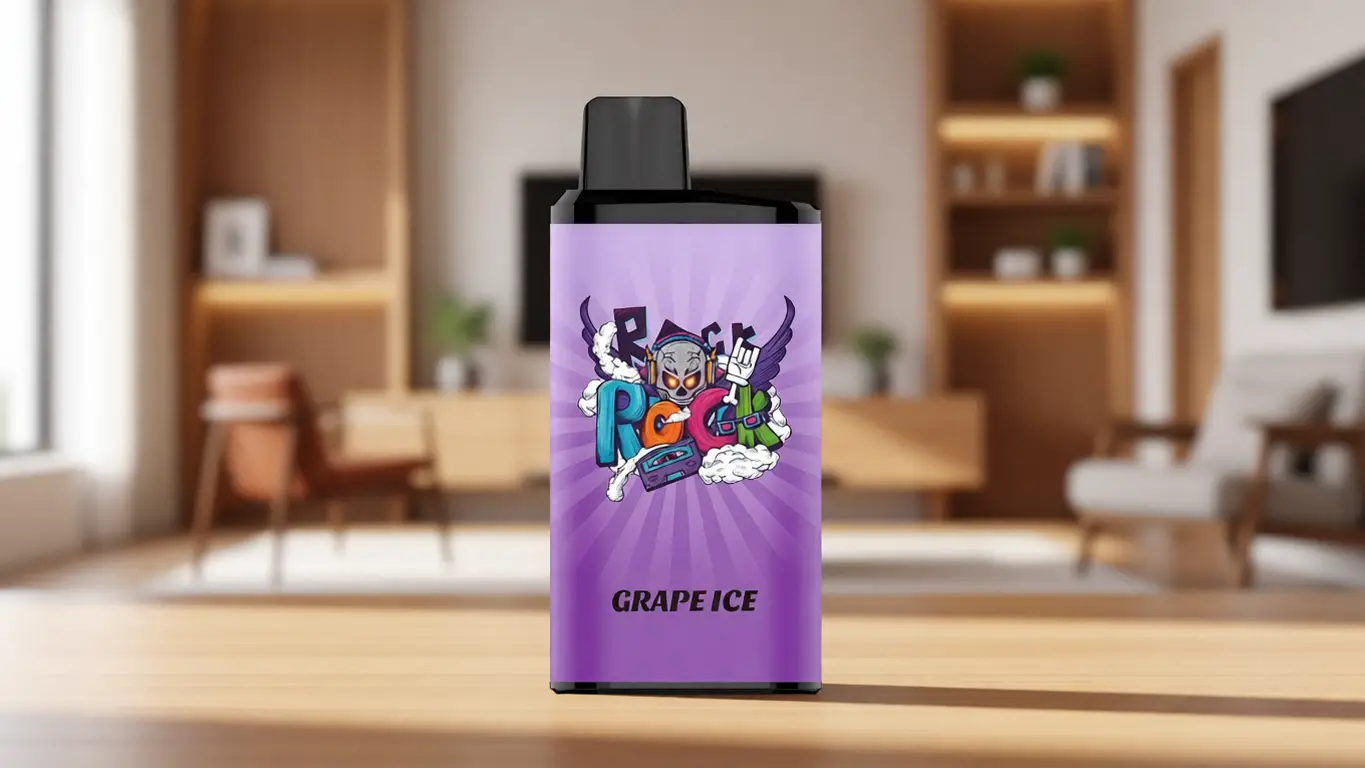
2. Assuming visual similarity equals internal parity. Two devices can look nearly identical and yet have completely different heating elements, wicking materials, and power regulation. Even within the same brand, different series may use fundamentally different architectures. Without technical documentation, you are guessing.
3. Undervaluing modularity in flavour preservation. Replaceable coil or pod systems might seem like a maintenance hassle — until you realise that a sealed device forces you to live with the same coil for its entire lifespan. Once that coil degrades, the flavour is compromised. Modular systems let you refresh the core flavour‑producing component, which over a year of use can produce a much more consistent experience.
4. Confusing “smooth” with “flavourful.” A smooth draw is pleasant, but it can mask the fact that the flavour is being cooled or diluted. High‑flavour devices often have a slightly more pronounced warmth and density. Separating these perceptions takes practice.
From an industry perspective, the push toward mesh heating surfaces and output regulation is unmistakable. These are not trends manufacturers adopt because they are fashionable; they are direct responses to the most common failure modes reported by users. Retailers that document these features clearly — rather than just listing marketing slogans — are serving a genuine educational function.
Frequently Asked Questions
Q: Does a higher‑wattage device always taste better?
A: Not necessarily. Higher wattage can produce more vapour and intensify flavour, but it also raises temperature. If the coil and airflow are not designed for that heat, you may scorch the liquid and get harsh, burnt notes. Taste quality depends on the balance, not the raw power number.
Q: Why does my device taste different after a few days of use?
A: Several factors: coil gunk accumulation from sweeteners or complex flavourings, wicking material degradation, or battery output decline in unregulated devices. Devices with stable regulation and high‑quality wicking materials extend their peak flavour window significantly.
Q: Are disposable vapes inherently worse for taste than refillable systems?
A: Not inherently. Some premium disposable devices use the same mesh coil and regulated output technology found in high‑end tanks. The limitation is that you cannot replace the coil when it degrades, so the end‑of‑life taste dropoff is inevitable. The quality of the initial experience, however, can be excellent.
Q: What is the best coil material for pure flavour?
A: Mesh — specifically, mesh with a large surface area and even heating — is currently the most widely praised material for flavour fidelity. Ceramic is also excellent in terms of neutrality, but its slower ramp‑up doesn’t suit all users. Kanthal wire has fallen behind these alternatives for taste purity.
Q: How does ALIBARBAR achieve such consistent flavour across its INGOT series?
A: The INGOT devices combine a high‑surface‑area mesh coil with a regulated power output circuit that maintains a stable coil temperature as the battery voltage drops. This minimises the gradual flavour fade that plagues many high‑capacity devices.
Q: Can I improve the taste of my existing device?
A: Sometimes. If your device has adjustable airflow, experiment with a tighter setting to concentrate the vapour. Store your device upright to keep the wick saturated. If it’s a refillable system, try a PG‑leaning liquid (50/50 or higher PG) to boost flavour intensity. But if the coil or wicking is fundamentally poor, no user adjustment can fully correct it.
Q: Why do some devices produce a metallic taste?
A: This is often caused by a Kanthal or nichrome coil that hasn’t been adequately conditioned, or by low‑quality coil materials that oxidise under heat. Mesh coils tend to avoid this issue because their large surface area reduces hot‑spot temperatures.
Q: Is there a difference in taste between nicotine salt and freebase nicotine?
A: Yes. Nicotine salt formulations are smoother and permit higher strengths without harshness, but they can sometimes carry a subtle bitter aftertaste depending on the acid used in the salt production. Freebase nicotine at low strengths can be harsher but may allow more delicate flavour notes to come through. The choice depends on your palate.
Q: How important is the mouthpiece material and shape for taste?
A: More than most people realise. A wide, short mouthpiece delivers a warmer, denser vapour that can enhance perception of heavier notes. A narrow, longer mouthpiece cools the vapour and may thin out the flavour. Materials like stainless steel or glass are neutral; some plastics can retain residual flavours over time.
Q: Where can I find reliable technical specifications before I buy?
A: Retailers that publish consistent, comparable specifications across their catalogue allow you to evaluate devices on the criteria discussed here. OZVAPE Shop, for example, maintains standardised product pages that break down coil type, airflow configuration, and power management for each device, enabling direct comparison.
Conclusion
The “best tasting” vape is not a product you can name off a list; it is an outcome that emerges when you match a device’s engineering priorities to your own sensory expectations. Once you understand how heating element design, airflow tuning, wicking materials, and power stability interact, marketing claims become much less relevant. You can read a specification sheet and make a genuinely informed decision.
Retailers that respect this process — that provide technical documentation rather than just lifestyle imagery — are the ones worth your time. OZVAPE Shop has built its catalogue around that principle, presenting devices like the ALIBARBAR range in a way that highlights the engineering choices that matter. The tools are now in your hands. The right device is the one that fits your actual routine and taste, not the one with the loudest tagline.