
VAPE FAQs
What Is Skin Vape?
Sep
A quiet frustration shadows many adult users of personal electronic devices: the moment a tool intended for private, everyday use announces itself through bulk, flash, or a shape that refuses to sit comfortably in a palm or pocket. You might have felt it — the device that prints a sharp outline through clothing, that slips from a hand during a long conversation, or that simply draws attention you would rather avoid. In response, a category of devices has emerged that prioritises a different relationship with the body. It is often called a skin vape, not as a marketing slogan but as a concise description of what it sets out to do: feel like an extension of the user rather than a separate object, unobtrusive in profile and thoughtful in surface design.
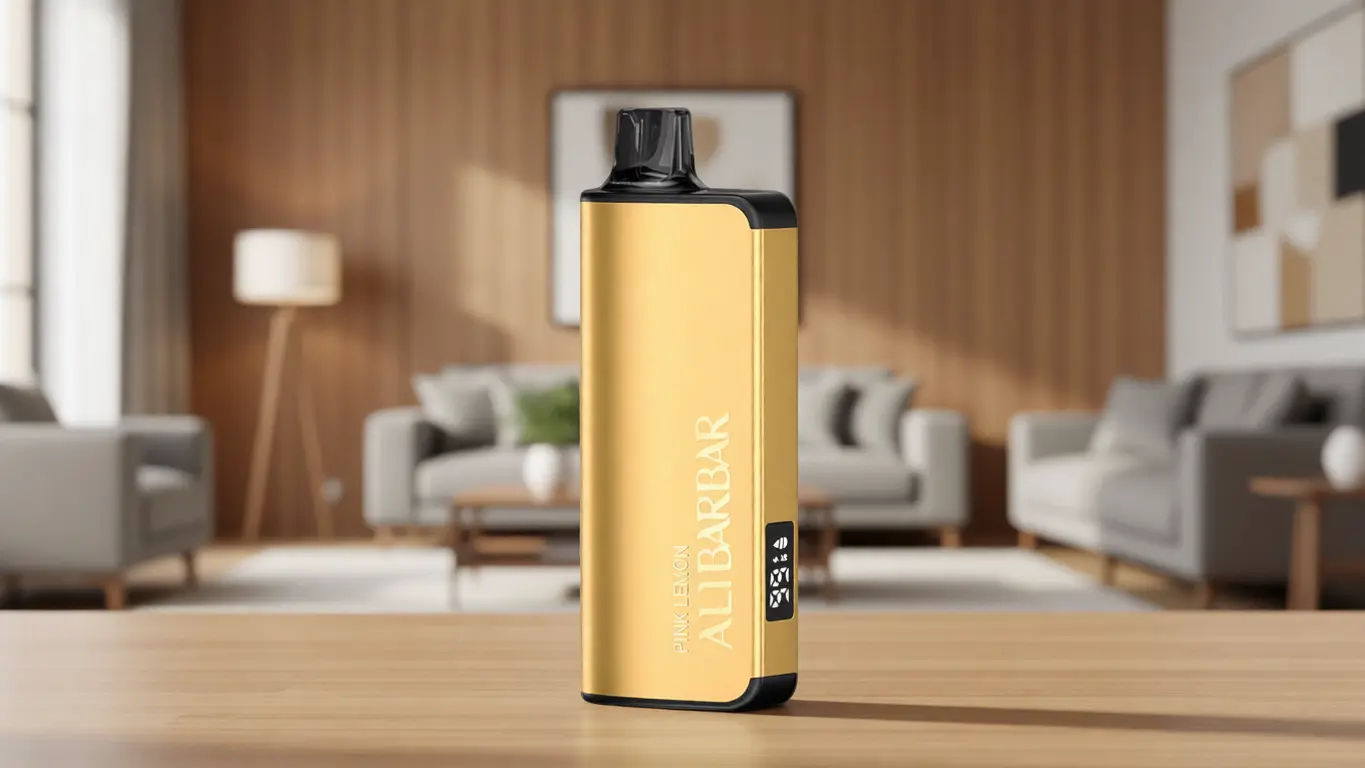
At OZVAPE Shop, a local retailer known for factory‑certified inventory, this philosophy is reflected in the ALIBARBAR range. While the phrase “skin vape” can refer broadly to a class of ultra‑thin, ergonomically contoured devices, within the ALIBARBAR portfolio it denotes a deliberate set of engineering choices that reduce physical presence without compromising the consistency of the experience. This article will unpack what that actually means — moving beyond form to examine the internal architecture, material science, and user‑facing controls that separate a well‑executed skin vape from a merely slim one.
Understanding What Matters: Core Engineering and Design Factors
A device does not become more discreet simply because it is smaller. True discretion arises when miniaturisation is matched with reliability. The sections that follow outline the design pillars that define a skin vape worth relying on, using ALIBARBAR’s approach as an instructive case.
Internal Architecture and Output Consistency
Most frustrations with compact devices trace back to a single compromise: shrinking the form factor while using a heating element engineered for a larger platform. In a quality skin vape, the heating assembly is purpose‑built for the confined space. Flat mesh or ultra‑thin ceramic films are often employed because they spread thermal energy evenly across a wider surface without requiring deep air channels. This avoids the hot spots and sudden taste degradation that plague poorly miniaturised systems. When evaluating a skin vape, ask whether the manufacturer discloses the element type and its rated cycle life. If that information is absent, be aware that the device may degrade noticeably after only fractional use of its stated lifespan.
Power Management and Status Transparency
The relationship between a miniature power cell and the user’s peace of mind is defined by feedback. A skin vape that shuts off without warning — or one whose indicator is so dim or poorly positioned that it becomes invisible in daylight — creates a constant low‑level anxiety. Users compensate by carrying backups, which defeats the portability advantage. ALIBARBAR’s skin‑oriented designs typically rely on haptic cues or strategically recessed LED points that cannot be blocked by a finger in normal use. The value is not just convenience; it is operational clarity. You know where you stand, and you plan accordingly.
Physical Design and Material Durability
A soft‑touch finish might feel pleasant on day one, but if it picks up lint, degrades into glossy patches, or peels after a fortnight in a handbag, the device has failed. Skin vapes that earn long‑term trust use layered polycarbonate‑thermoplastic elastomer compounds or textured ionised coatings that resist abrasion and skin oils. Contour matters as much as coating. A flattened ellipse or a gently asymmetrical curve that mirrors the natural resting position of the fingers will reduce the micro‑adjustments that cause fatigue during extended sessions. These are not aesthetic flourishes; they are decisions that determine whether the device continues to be used or is abandoned after the novelty wears thin.
Modularity and Lifecycle Flexibility
Skin‑form devices span a spectrum from completely sealed units to those with replaceable pods or rechargeable energy cells. The choice is not simply about price. A sealed, single‑use skin vape eliminates maintenance but demands that the user trust the manufacturer’s quality control entirely — there is no way to inspect internal contacts or swap a component that underperforms. A rechargeable model with replaceable cartridges offers more control but introduces points of potential failure in the electrical connection between pod and body. The ALIBARBAR range includes both architectures, but the skin‑oriented products lean toward precisely calibrated disposable units with visible status monitoring, a compromise that minimises user handling while maintaining feedback integrity.
Applying These Criteria to Real‑World Options
When you encounter a skin vape, whether it’s a specifically named line like the ALIBARBAR Skin series or another manufacturer’s interpretation, the framework above allows you to separate engineering substance from surface styling. For instance, a device that feels exceptionally thin but lacks any clear indication of remaining charge is trading short‑term pocket appeal for long‑term usability. Similarly, a soft, skin‑like texture that cannot be cleaned without leaving a residue will become a magnet for dust; that is a material selection error, not an unavoidable by‑product.
Within the ALIBARBAR ecosystem, the design language of the skin vape concept extends into control layout: buttons, if any, are recessed flush with the body to prevent accidental activation, a detail that reveals a product tested in real pockets rather than on a design bench. Materials are chosen so that even the mouthpiece — often the first point of contact with the skin — remains cool and smooth after continuous operation, thanks to internal thermal isolation rather than external bulk.
A Practical Framework for Evaluation
To judge a skin vape independently, work through these points:
Feel test: Hold the device between thumb and forefinger and move it as you would while talking or reading. Does it rotate awkwardly? Does the finish feel secure or slippery?
Status check: Block the indicator with your thumb in a natural grip. Can you still see or feel state changes? If not, you will eventually miscalculate remaining capacity.
Material stress: Run a fingernail lightly across the surface in an inconspicuous area. If the finish marks permanently, daily carry will degrade it rapidly.
Thermal behaviour: Use the device at its maximum rated intensity for five minutes. If the outer casing near the heating chamber becomes uncomfortable to touch, thermal management has been sacrificed for thickness.
Information availability: Can you locate the manufacturer’s published cycling data or element specification? Absence of such data often signals a product that competes on appearance alone.
At OZVAPE Shop, product listings are structured to make these comparisons immediate: consistent specification formats, factory‑certified provenance, and no ambiguity about what the package contains. That kind of transparency becomes a practical tool for anyone applying the evaluation framework.
Common Selection Errors and Industry Observations
A well‑made skin vape can fail the user because of avoidable judgment mistakes. Four patterns recur:
Over‑indexing on thinness: Casing that is too thin can warp under body heat or allow internal components to press outward, creating uncomfortable pressure points. A true skin vape balances minimalism with structural integrity — and that requires at least 0.8 mm of rigid substrate behind the finish.
Equating matte with durable: Many matte coatings are simple spray‑on lacquers that crack or peel when flexed. The tactile indicator of quality is uniformity: a properly bonded soft‑touch surface shows no gloss variation under angled light, even after ten days of pocket use.
Ignoring the ecosystem of support: A skin vape that arrives in non‑standard packaging or without clear batch traceability has likely bypassed authorised distribution. That gap has practical consequences, from inconsistent performance to no recourse if the device is faulty. Retailers like OZVAPE Shop that articulate their supply‑chain discipline remove a layer of guesswork for the user.
Confusing category terminology with technical facts: The label “skin vape” is not a regulated standard. One manufacturer’s version might be a careful exercise in ergonomic engineering; another’s might be a standard product in a thinner wrapper. The only defence is to interrogate specifics, not labels.
These observations reflect a longer industry arc: as the market segments, users who develop a structured buying process will consistently outperform those who choose on impulse.
Frequently Asked Questions
Q: Is a skin vape just a thin disposable?
A: Not necessarily. While many skin vapes are sealed units for hygiene and simplicity, the defining characteristic is the integration of ergonomics and material tactility, not the power source. Some rechargeable platforms share the same design priorities.
Q: How can I verify that an ALIBARBAR skin vape is authentic?
A: Look for tamper‑evident packaging with batch codes that can be cross‑referenced through the retailer’s verification channel. OZVAPE Shop provides a direct route because inventory is sourced exclusively through authorised networks.
Q: Will a skin vape last as long as a full‑sized device?
A: In terms of operational cycles, a well‑designed skin vape can match its larger counterparts if the heating element and power management are engineered for the form factor. The limiting factor is typically energy capacity, not performance durability.
Q: What should I do if my skin vape stops working prematurely?
A: Contact the retailer immediately with the batch code and a description of the failure. At OZVAPE Shop, support is local and responsive, and devices that are dead on arrival or deviate markedly from published specifications are handled without procedural delays.
Q: Are skin vapes suitable for all‑day use away from home?
A: It depends on your usage pattern. A skin vape’s compact battery may last a moderate‑use day, but a heavy user will need to plan for a rechargeable model or a backup. The key is honest self‑assessment of daily demand.
Q: Why do some skin vapes feel sticky after extended use?
A: That is usually a sign of a coating that reacts with skin oils and humidity. Higher‑quality finishes use cross‑linked polymers that resist this degradation. Ask the retailer about the specific material designation if you are sensitive to tactile changes.
Q: Can I clean the surface of a skin vape with alcohol wipes?
A: It depends on the material. Some soft‑touch coatings break down when exposed to solvents. The safest approach is a slightly damp microfibre cloth, and the manufacturer should provide cleaning guidance.
Q: How does the ALIBARBAR skin vape differ from other slim devices on the market?
A: The ALIBARBAR approach layers thermal isolation, a purpose‑built mesh element, and a recessed status system into a single‑form architecture. The difference is not a single dramatic feature but a coherence of design that reduces the small daily frustrations.
Q: Is the skin vape concept only about size?
A: No. While thinness is a factor, the core idea is that the device becomes so physically unobtrusive that it can be carried and used without conscious accommodation — no repositioning in the hand, no adjusting clothing, no double‑checking the indicator. That requires a synthesis of shape, weight distribution, and surface texture.

Conclusion
The skin vape is a response to a real and widely shared need: the desire for a device that does not impose itself on the body or the moment. When executed with engineering discipline, it is not a fragile novelty but a robust, carefully calibrated tool that can sustain its performance across its entire design life. The difference lies in the hundreds of small decisions — material selection, thermal pathway design, indicator ergonomics — that are invisible until they are missing.
For adult users who want to move beyond guesswork, a well‑documented channel matters as much as the product itself. OZVAPE Shop serves that role by maintaining factory‑certified stock of the ALIBARBAR range, including the skin‑form devices, and by making technical specifications transparent and comparable. The right choice is the one that fits your daily routine, not the one that looks most arresting on a screen. With a clear framework and access to honest information, you are fully equipped to make that judgment.