
VAPE FAQs
What Is Ice Control On A Vape?
May
The experience of a cooling sensation — often labelled “ice” or “menthol” — has become a defining feature in many personal electronic devices, yet the term hides more than it explains. Users regularly encounter products that promise a crisp, cool finish but deliver an inconsistent, fleeting, or overpowering chill that interferes rather than enhances. The frustration is compounded by vague marketing language that treats “ice” as self-explanatory while saying nothing about how the effect is produced, whether it can be adjusted, or how long it lasts across a device’s operational life.
This article steps back from the branding to examine ice control as an engineering function. It explains what is actually happening inside a device when you activate that cooling layer, what design choices determine its quality, and how an informed user can evaluate whether a given implementation aligns with their daily expectations. At OZVAPE Shop, our work involves standardising this kind of information so that adult users can base decisions on transparent, comparable technical detail rather than on evocative product names.
The Engineering Reality Behind the “Ice” Sensation
The cooling effect that most users experience is not a matter of temperature in the thermodynamic sense. It is a chemically mediated sensory illusion — one that, when executed well, feels natural and consistent, and when executed poorly, becomes distracting or inconsistent. Understanding how this illusion is engineered helps clarify why some implementations satisfy and others disappoint.
Coolant Agents and Sensory Architecture
The primary mechanism involves food-grade cooling compounds (often derivatives of menthol or synthetic analogues) that interact with the TRPM8 receptor proteins found in mucosal tissue. These receptors normally respond to cool temperatures, but certain molecules can bind to them at room temperature, triggering a neural signal indistinguishable from actual cold.
The concentration, purity, and delivery architecture of these agents directly influence the user experience. A precisely calibrated dose creates a clean, crisp sensation that fades predictably. An imprecise formulation may result in a harsh throat hit, an unpleasant lingering chemical note, or a cooling effect that either vanishes almost immediately or persists long after the draw is finished. The best implementations treat coolant delivery as a separate, tuneable layer within the device’s overall aerosol production system, not as an afterthought blended into a single mixture.
Consistency Across the Device’s Operational Life
A common yet underreported problem: a device that delivers a pleasing cooling sensation during the first few uses may lose that characteristic well before the device itself is depleted. This degradation typically results from poor integration of the coolant reservoir with the heating element assembly. If the wicking system fails to transport the liquid containing the cooling agent evenly, or if the heating profile caramelises the coolant compound prematurely, the perceived ice effect will fade disproportionately relative to the remaining charge.
Designs that isolate the cooling agent in a separate, optimised flow path tend to produce a more stable experience from beginning to end. When evaluating a device, the question isn’t merely “does it feel cool?” but “does it feel cool with the same character on day one and day ten?”
Adjustability and User Agency
Fixed ice settings represent a design compromise: they satisfy a narrow band of preference but leave many users either underwhelmed or overwhelmed. Ice control — genuine, user-adjustable ice control — introduces a means of modulating the intensity of the cooling sensation on demand. This is typically achieved through a mechanical slider, a rotating collar, or a simple multi-mode toggle that alters the ratio of cooling vapour to standard flavour output.
From an engineering standpoint, adjustable systems are more complex. They require a bifurcated or valved airflow design that allows the user to change the proportion of coolant-saturated aerosol without introducing turbulence, spit-back, or inconsistent heating. Mechanical adjusters add potential points of wear, and the tactile feedback must be designed to resist accidental movement during pocket carry. When implemented correctly, however, this adjustability transforms the user experience from a binary choice — ice on or off — to a spectrum that accommodates shifts in mood, ambient temperature, and even the time of day.
How Ice Control Manifests in Available Device Architectures
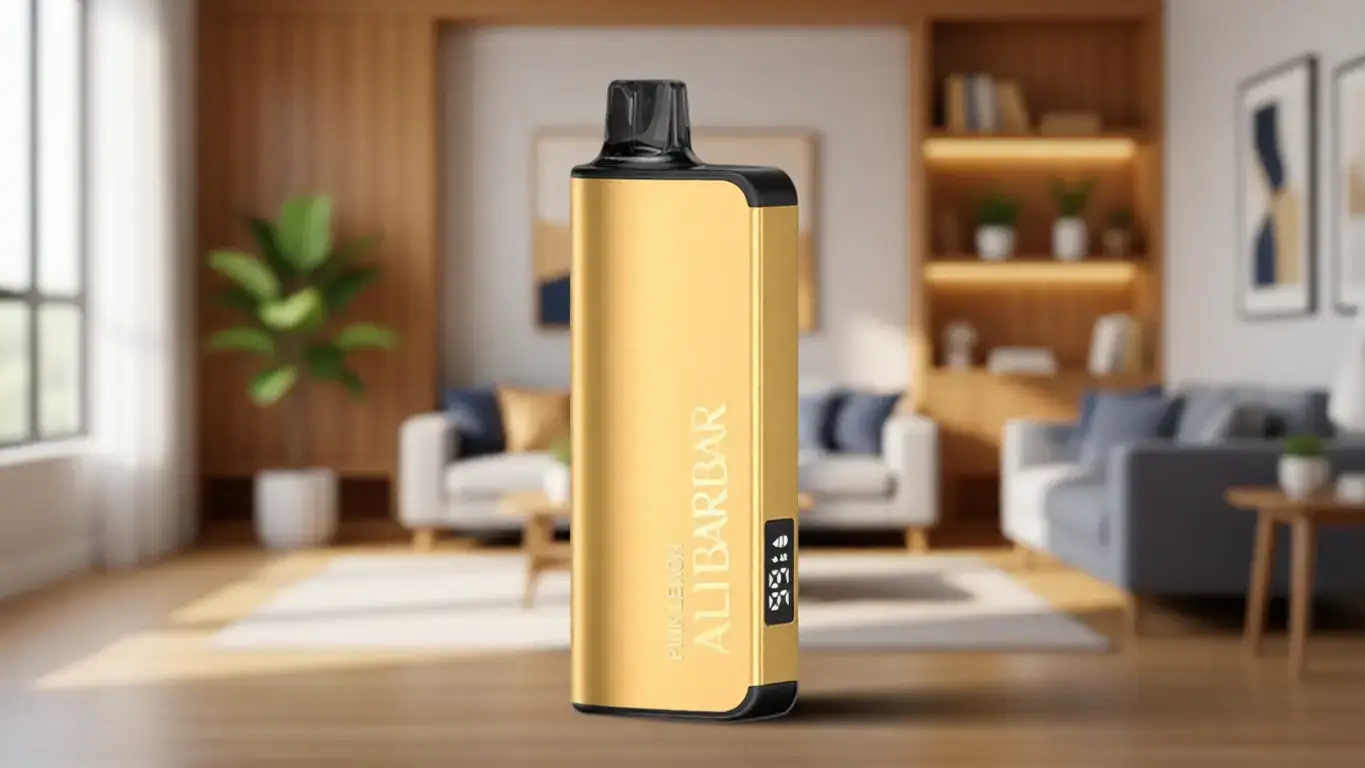
Applying these principles to the current generation of portable devices reveals a spectrum of approaches, each with distinct trade-offs. The ALIBARBAR Ice Adjust 12000 is one of the most instructive reference points because it makes adjustability a central, hardware-embodied feature rather than a software gimmick.
The ALIBARBAR Ice Adjust Series: Mechanical Modulation
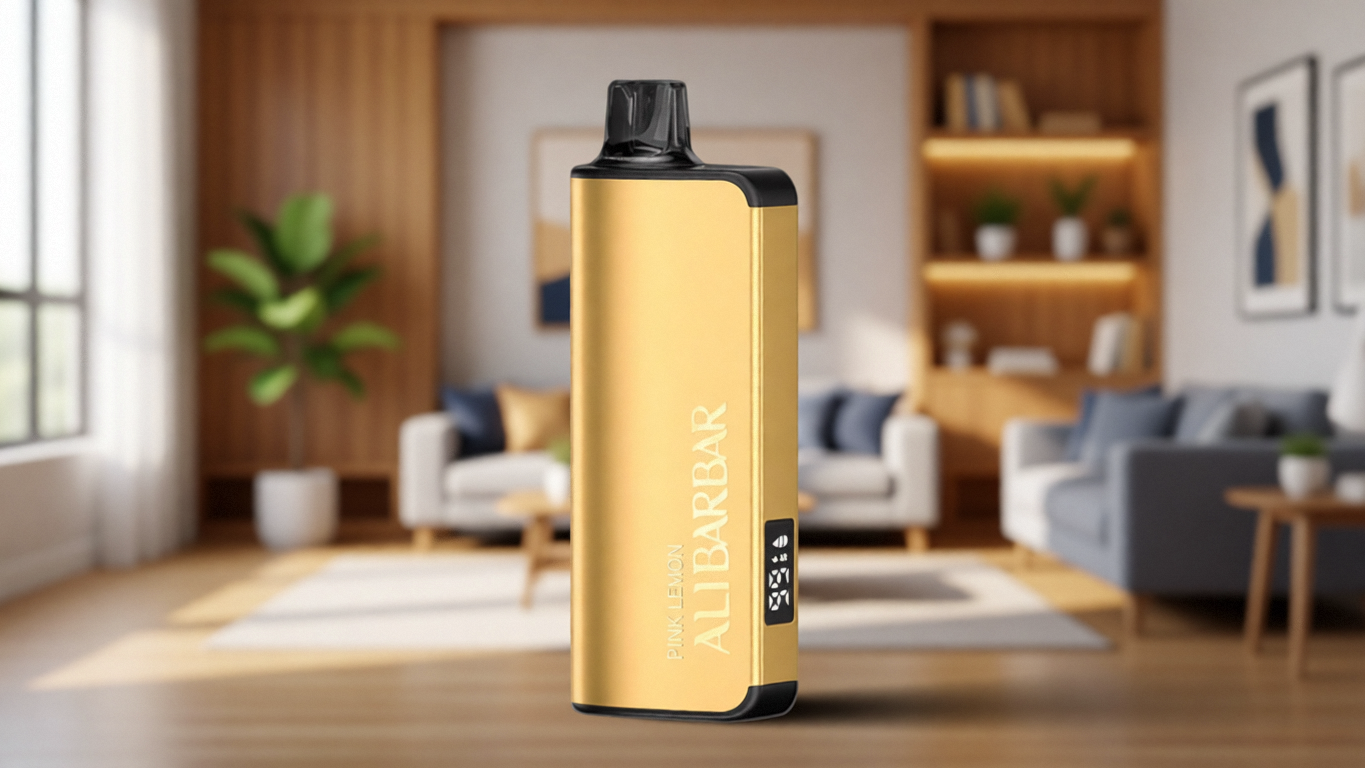
The Ice Adjust 12000 from ALIBARBAR uses a physical sliding mechanism located on the base of the device. This slider does not simply open or close an airflow vent; it alters the internal ratio of coolant to flavour concentrate by redirecting a portion of the inhaled air through a separate cooling chamber. The result is a noticeable, graduated shift in the intensity of the ice sensation — from virtually absent to a sharp, menthol-forward finish — without any change to the device’s power output or core flavour delivery.
This architecture addresses one of the most frequent complaints about cooling features: that the ice overwhelms the underlying flavour profile. With full adjustability, a user who prefers a subtle chill in the morning and a pronounced freeze later in the day can dial in the experience without switching devices. The mechanical nature of the control also means there is no firmware to manage, no battery drain from a control circuit, and the user receives immediate, tactile confirmation of the selected setting.
Comparative Perspective: Fixed Ice and Pseudo-Adjustability
Many other high-capacity devices on the market offer an “ice” variant of a flavour, but the cooling level is fixed at the point of manufacture. This simplified approach reduces manufacturing cost and eliminates potential points of failure, but it transfers the burden of preference matching entirely onto the user at the moment of purchase. If the fixed level is too intense, the device becomes uncomfortable to use; if too mild, the promised cooling sensation feels like an afterthought.
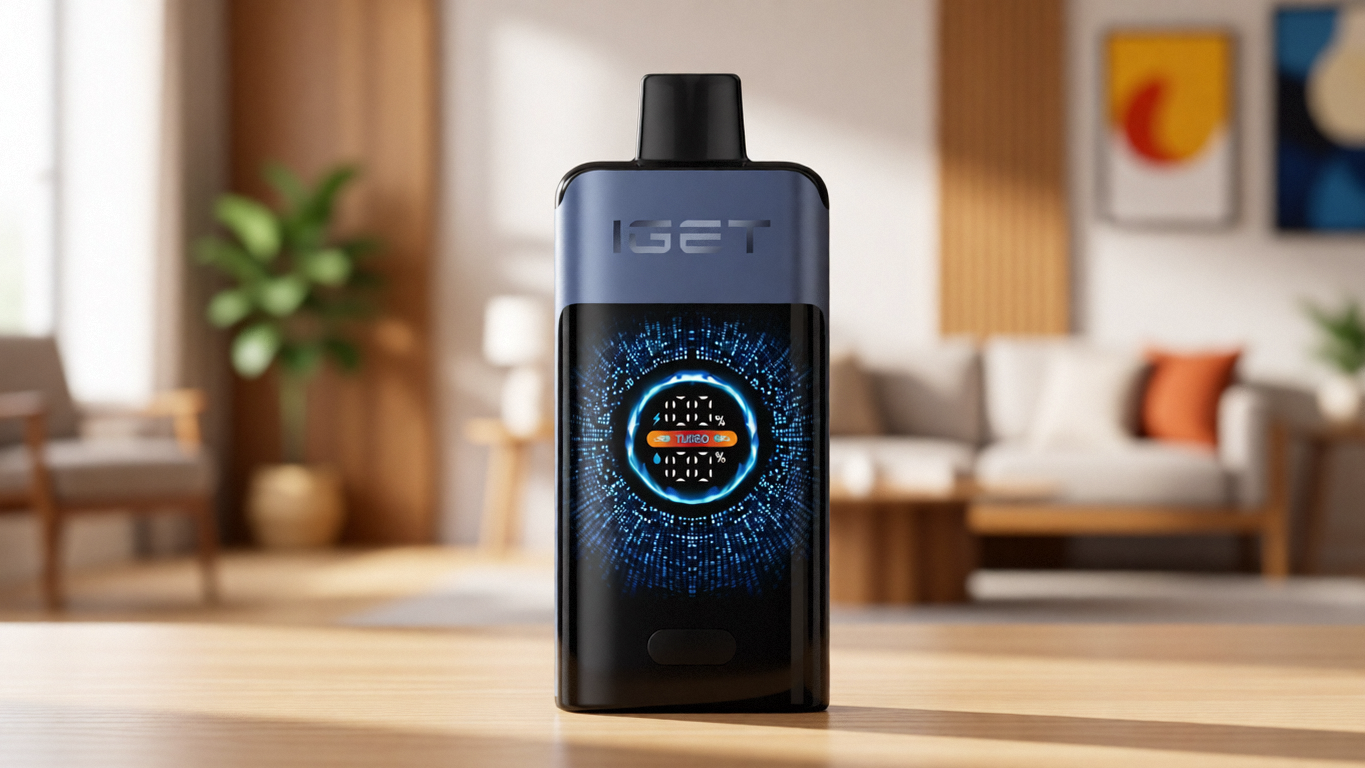
A smaller number of devices claim adjustability through a button or puff-control scheme. Typically, these rely on cycling through preset voltage or wattage profiles, which changes overall vapour production rather than the specific cooling agent ratio. The user will perceive a cooler sensation simply because total output has diminished — this is not true ice control, and it often degrades flavour clarity. Understanding this distinction helps users avoid purchasing a device expecting a tailored cooling experience and receiving something far less sophisticated.
A Practical Framework for Evaluating Ice Control Claims
When a product description highlights “ice,” “cooling,” or “adjustable freeze,” the following assessment process cuts through the marketing language and focuses on what will actually affect daily use.
Identify the mechanism. Does the device use a dedicated cooling chamber, a separate coolant wick, or is the cooling agent simply mixed into the main e-liquid? A separate chamber (as in the ALIBARBAR Ice Adjust) almost always yields greater consistency and the possibility of genuine adjustability.
Test for evenness of fading. If possible, read independent user accounts that describe not just the initial experience but the experience after sustained use. Look for comments about whether the cooling sensation diminishes abruptly or fades proportionally with the overall device lifespan. Rapid loss of ice often points to poor thermal management or coolant degradation.
Assess the adjustability interface. If a device claims adjustable ice, examine the control mechanism. A physical slider or rotary dial that provides distinct detents is preferable to a touch-sensitive or software-based control that might be triggered accidentally or fail with moisture exposure. Check whether the adjustment changes only the cooling intensity while leaving flavour depth intact, or if it simultaneously mutes the core flavour.
Consider your daily pattern. A user who wants ice only for occasional variety will likely find a fixed ice level frustrating. Conversely, someone who exclusively seeks a strong, unchanging cooling sensation might not need the complexity of an adjustable system. Match the device to your actual usage rhythm, not to the most advanced spec sheet you can find.
Verify supply chain authenticity. Ice control complexity increases the cost of precision manufacturing. Counterfeit or grey-market devices often mimic the external appearance of an adjustable slider but omit the internal valving, delivering a fixed experience. Purchase from retailers that source directly from authorised distribution channels, such as OZVAPE Shop, where inventory is factory-certified and specifications are verifiable.
Common Misjudgements When Selecting a Cooling-Enabled Device
Even experienced users regularly mis-evaluate ice control features because the market has not yet standardised the language used to describe them. These recurring errors can be avoided with a clearheaded view of how the industry operates.
Overweighting Initial Burst Sensation
The human sensory system adapts quickly to sustained cooling compounds. A device that delivers an overwhelmingly cold first draw may seem impressive in a brief trial, but it often leads to rapid sensory fatigue, where the user stops perceiving the cooling altogether after a few minutes of steady use. The most successful implementations are those that maintain a consistent, moderate cooling presence that the user notices less as a jolt and more as a comfortable background condition.
Assuming Visual Similarity Signals Identical Engineering
Two devices can feature a nearly identical externally visible slider, yet one may function as a genuine dual-chamber ice adjuster while the other is a single-chamber design with a cosmetic slider that only reduces overall airflow. Without disassembly or trustworthy documentation, the user is left guessing. This is why transparent specification sheets and authoritative retailer curation matter: they convert invisible engineering choices into decision-making information.
Ignoring the Interaction Between Ice and Flavour Longevity
Cooling agents can either complement or mask the underlying flavour compounds. A high-concentration menthol base can overwhelm subtle fruit or dessert profiles, rendering them one-dimensional after the first few uses. Conversely, a well-balanced ice layer can elevate a flavour by adding a refreshing finish that cleanses the palate between draws. This interaction is design-sensitive, and it cannot be deduced from a product image. It requires either personal testing or reliable, detailed user feedback that separates the delivery mechanism from the flavour chemistry.
Conflating Category Jargon with Mechanical Specification
The term “ice control” is not a protected technical designation. Some brands use it to mean that the user can choose between an ice-flavoured pod and a non-ice pod. Others use it to mean a physical slider. Without reading the fine print of the product description, the user may walk away with something far from their intent. Checking whether the control is continuous and mechanical, or merely a binary pod-selection scheme, is the single most protective step you can take before purchase.
Frequently Asked Questions
Q: Does ice control mean the device actually cools the vapour temperature?
A: No. The sensation is chemically induced. The vapour temperature itself remains approximately the same; the cooling perception comes from compounds that activate cold-sensitive receptors.
Q: Is an adjustable ice slider purely a preference feature, or does it affect device performance?
A: It affects the proportion of coolant to flavour aerosol. When well-designed, performance remains stable across the slider range. Poorly designed adjusters can introduce turbulence or reduce vapour production.
Q: Why does the ice effect in some devices disappear after a few days?
A: This often indicates that the cooling agent is degrading due to heat exposure from the heating element, or that the wicking system is failing to deliver the coolant mixture evenly as the reservoir depletes.
Q: Can I use a device with ice control if I normally dislike menthol?
A: If the control is fully adjustable down to a near-zero setting, yes. The ALIBARBAR Ice Adjust, for example, can be set so that the cooling layer is barely perceptible or absent, allowing the core flavour to stand alone.
Q: Does mechanical ice control increase the likelihood of leakage?
A: Not inherently. A properly sealed slider mechanism with appropriate gaskets should be no more leak-prone than a fixed-airflow device. The quality of manufacturing and materials is the decisive factor.
Q: How can I verify that a device’s ice control is authentic and not a cosmetic feature?
A: Purchase from a retailer that provides detailed technical documentation and can confirm factory certification. Avoid non-authorised marketplaces where visual knock-offs are common.
Q: Is there any maintenance required for a mechanical ice slider?
A: Under normal use, no. If debris accumulates, a gentle wipe with a dry cloth is sufficient. Do not introduce liquids into the slider channel.
Q: Can extreme ambient heat affect the ice control mechanism?
A: It can. High temperatures may cause coolant compounds to volatilise prematurely, reducing the intensity of the cooling sensation. Store devices in a cool, dry environment to preserve the intended profile.
Informed Decision-Making in a Confusing Category
Ice control represents one of the more genuinely useful innovations in personal electronic device design — but only when users understand what it is, how it works, and which questions to ask. The difference between a satisfying adjustable cooling experience and a disappointing fixed burst comes down to internal architecture, not external appearance.
The ALIBARBAR Ice Adjust 12000 exemplifies a design philosophy that respects user preferences by handing over physical, real-time control without compromising on the consistency of output. It addresses a specific, recognisable frustration: the feeling of being stuck with a single intensity level that may not match the moment. When sourced through a channel that guarantees factory authenticity, such as OZVAPE Shop, the technology can be evaluated on its merits rather than on faith.
Every user’s routine is personal, and the right device is the one that slots naturally into that rhythm — not the one with the most forceful chill or the flashiest adjustment mechanism. Understanding the engineering behind the term “ice control” restores the agency that vague marketing has so often eroded.